

Replacing Timing Belts In A Mercedes-Benz engine
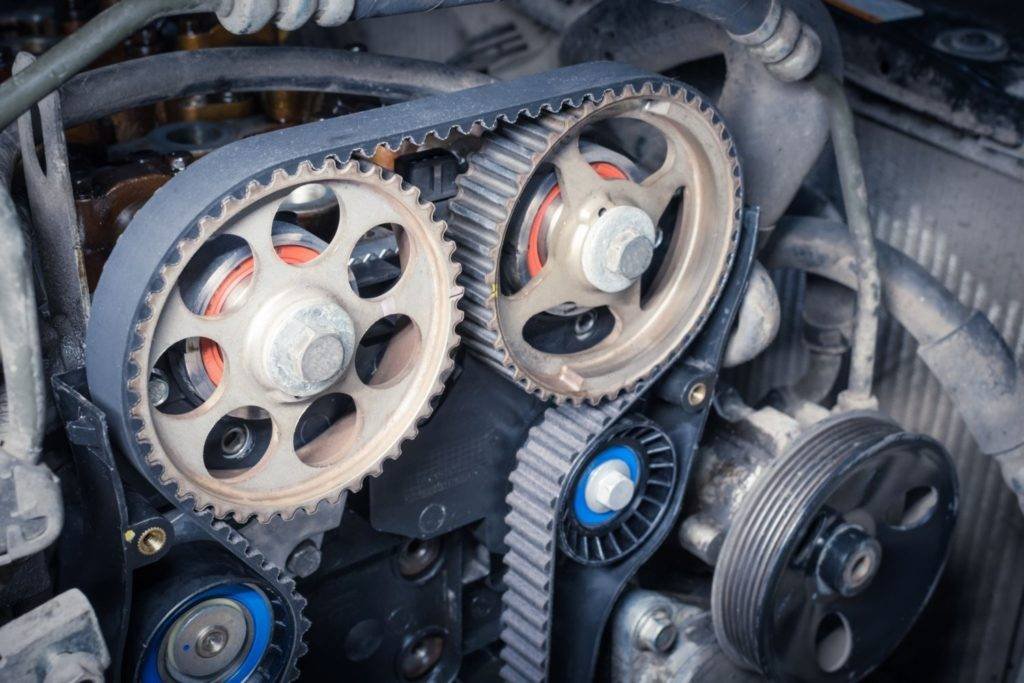
Timing Belt Replacement in a Mercedes-Benz Engine
Comprehensive Guide + Featured Engines for Sale with New Belts Installed
Introduction
Replacing Timing Belts In A Mercedes-Benz engine
Timing belts are usually the unsung heroes of your engine. In Mercedes‑Benz vehicles, timing belts include the toothed belt that clocks the crankshaft and camshaft such that valves open and close at the right time. When neglected, a worn timing belt may cause complete engine failure. We offer you Mercedes engines for sale that include brand-new timing belts replaced and verified so that you have a sense of security and reliability. Replacing Timing Belts In A Mercedes-Benz engine
1. What Is a Timing Belt and Why It Matters
A timing belt is a reinforced rubber band that connects the crankshaft of the engine to the camshaft, opening and closing valves at just the right moment. In Mercedes‑Benz precision engines, precision is key—and a failing belt can cause valves and pistons to collide, leading to catastrophic engine failure.
2. Timing Belt Systems in Mercedes‑Benz Engines
Mercedes‑Benz uses timing belts in many inline-4 and V6 engines, including:
- M111 2.0L/2.3L SOHC Inline‑4
- M271 1.8L/2.0L SOHC Turbo Inline‑4
- M272 3.5L V6 (uses chain, but checks the same)
- M276 3.0L V6 Biturbo (same chain-maintenance inspection)
In addition to the belt, accessories like tensioners, idler pulleys, water pumps, and belt covers are covered in the system—each and every part is replaced or checked for assured functioning.
3. When to Replace the Timing Belt
Mercedes‑Benz recommends timing belt replacement at 60,000 to 100,000 miles (≈ 100,000–160,000 km). We replace belts proactively, usually at 70,000 miles/112,000 km or earlier if:
- Engine has excessive mileage
- Belts show signs of wear (cracks, missing teeth)
- Rubber deteriorates (age, hardening)
All our available for purchase Mercedes engines come with new timing belts installed, replacing all wear parts and reducing your long-term maintenance hassle.
4. Step-by-Step: How We Replace Timing Belts
A. Initial Inspection
- Look for oil leaks behind crankshaft/cam seals
- Check tensioners, pulleys, water pump
B. Disassembly
- Remove serpentine belt, ancillaries, timing belt cover
- Align engine at Top Dead Center (TDC)
C. Belt & Component Replacement
- Install OEM timing belt
- Install new tensioners, idlers, water pump, seals
- Use torque tools to OEM specifications
D. Reassembly & Testing
- Double check alignment marks
- Rotate engine manually two full revolutions
- Start engine, listen for noise, check timing
- Test drive to ensure smooth running
E. Final Inspection
- Check for no leaks, no belt flutter, target torque achieved
This makes the replacement engine turnkey-ready—putting confidence in buyers from day one.
5. Featured Mercedes‑Benz Engines for Sale (With New Timing Belts)
| Engine Model | Specs | Belt Package | Application |
|---|---|---|---|
| M111 2.3L SOHC Inline‑4 | 150 HP, 160 lb-ft torque | New belt, tensioner, pulleys, water pump, seals | 190E, C‑Class, early E‑Class |
| M271 2.0L Turbo Inline‑4 | 184 HP, 221 lb-ft torque | Full belt kit, tensioner, water pump | C‑Class, SLK, CLK |
| M272 3.5L V6 Chain Inspection | 272 HP, 254 lb-ft torque | New timing chains with guides, tensioner | E‑Class, ML, S550 |
| M276 3.0L V6 Biturbo Chain Inspection | 329 HP, 354 lb-ft torque | Chain drive parts inspected and renewed | E‑Class, GLE, CLS |
All engines include:
- Brand-new OEM timing belt or inspected chain drive
- New tensioners, idlers, water pump, seals
- Emissions sensors (oxygen, MAF, cam/crank position) installed
- In-depth multi-point quality control
- 6–12 month warranty included
6. Why Our Engines With New Timing Belts Stand Out
Unlike the majority of used-engine sellers, we invest money in the following:
- OEM-quality timing components—not knock-off aftermarket components
- Complete replacement kits—no hidden future repair work
- Professional calibration and alignment—protecting engine integrity
- Pre-installation testing—all engines run-tested upon replacement
- Documentation provided—belt installation date, mileage, serials
7. Signs of a Failing Timing Belt
Even with chain engines, issues can occur. Be aware of:
- Ticking or slapping noises from timing cover
- Oil leaks around front cover or camshaft seals
- Loss of power or misfires
- Exhaust smoke or rough idle
- Oil/serpentine belt contamination
Our pre-sale testing ensures none of these after you buy.
8. Not Replacing in Time Risks
Concealing belt wear risks:
- Valve-piston collision destroying engine
- Bent valves, blown pistons, head or block damage
- Expensive repair receipts—up to 4× replacement cost
- Safety issues—engine failure on the road
Buying from us eliminates those risks—buy with peace of mind and reliable performance.
9. Frequently Asked Questions
Q: Are these engines plug-and-play?
A: Yes—entire timing system replaced, sensors installed, emmissions compliant. You only need mechanical and ECU fitting.
Q: Are chains never in need of replacement?
A: Chains last longer but tensioners and guides will fail. We inspect and replace chain systems when refurbishing.
Q: What is the warranty that you offer?
A: 6–12 months, mileage and engine model related. Includes timing drive, internal components, and installed sensors.
Q: Do you ship worldwide?
A: Yes—we pack securely for export and handle export documentation.
10. Conclusion: Buy Smart, Drive Confident
Timing belt replacement is maintenance of a routine kind—especially for Mercedes‑Benz engines where precision is most critical. By filling engines with new belts or proven chains and all associated support parts, we’re delivering reliable powertrains ready to go, freeing you from short‑term maintenance worry.
🚗 Ready to Replace or Upgrade Your Mercedes Engine?
Shop or call us for Mercedes‑Benz engines with fresh timing belts. Performance, dependability, and peace of mind—all yours.
👉 [Shop Engines Now or Get Your Quote]
Posts Widget




Best Auto Motors
F M continental business ltd
Buy the best quality engines from our website online and get a fast delivery within 6 days.
Copyright 2022.KlbTheme . All rights reserved