

The Impact of Air Filters on Fuel Efficiency and Performance in your Mitsubishis engine
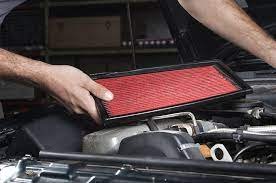
The Effects of Air Filters on Fuel Economy and Performance in Your Mitsubishi Engine
Air filters may be small and easy to overlook, but their effect on the overall health and performance of your Mitsubishi engine is enormous. Horsepower to fuel consumption, air filters have an enormous impact on the performance of your engine. Whether you are running a 4D56 engine in a truck or a Mitsubishi S4S in a stationary application, understanding how air filters affect performance—and how and when to replace or upgrade them—will save fuel, money, and unnecessary stress on your engine. The Impact of Air Filters on Fuel Efficiency and Performance in your Mitsubishis engine
This comprehensive 3,000-word guide will help you understand how much of a difference air filters make in your Mitsubishi engine’s fuel efficiency and performance. And if you need to replace a damaged or worn-out engine, we have quality Mitsubishi engines for rebuilt, tested, and ready to ship.
Why Air Filters Are Important in Mitsubishi Engines
The primary function of an air filter is to stop dirt, dust, and trash from entering the engine intake system. But when your air filter is dirty or faulty, it restricts airflow, which impacts combustion efficiency. This leads to:
- Poor gas mileage
- Loss of horsepower
- Stalling or hard starting
- Engine wear Increase
In short: clean air = top performance. And especially with Mitsubishi engines, since they are tuned to run at their best at the optimum air-fuel mixtures.
Why Air Filters Affect Fuel Efficiency
Fuel efficiency is all about getting the right air-to-fuel ratio. When the air filter is dirty, your Mitsubishi engine compensates by using more fuel to produce the same power. This leads to:
- Richer fuel mixture – More fuel, less air
- Incomplete combustion – Wasting fuel unnecessarily every revolution
- Carbon depositing – Clogging up injectors, pistons, and valves
Real-World Example:
One Mitsubishi S4S engine utilized in forklifts can lose 10-15% fuel efficiency if the air filter is dirty. This equates to hundreds of dollars’ worth of wasted fuel over time—not to mention anything about reduced engine life.
The Effects of Air Filters on Engine Performance
Performance is exactly the reverse of how much air your engine can breathe. When airflow is restricted:
- Throttle response suffers
- You lose torque and horsepower
- Engine overheats under load
- Turbocharged engines develop boost lag
In turbocharged Mitsubishi engines like the 4D56, a clogged filter can rob turbo spool-up, reduce boost, and even kill the turbo over time.
When to Replace Your Mitsubishi Engine Air Filter
Recommended Replacement Intervals:
| Engine Model | Recommended Interval |
|---|---|
| Mitsubishi 4D56 | Every 15,000–30,000 km |
| Mitsubishi S4S | Every 250–500 hours |
| Mitsubishi S6S | Every 300–600 hours |
| Mitsubishi L3E | Every 200–400 hours |
Signs That You Need to Replace It:
- Poor fuel efficiency
- Poor throttle response
- Black exhaust smoke
- Rough idle or engine miss
- Filter is dirty or has an oily look
Air Filters and Engine Life
Air filters aren’t performance-killers—they keep your Mitsubishi engine from an early grave. Engines that ingest dirt and dust will die earlier due to:
- Scuffed cylinder walls
- Piston rings worn out
- Turbochargers damaged
- Oil systems contaminated
Dirty air = clogged filter = destroyed engine. That’s why air filter service is so important, especially for high-mileage engines in forklifts, generators, and heavy equipment.
OEM vs Aftermarket Air Filters – What’s Best for Mitsubishi Engines?
OEM Filters (Original Equipment Manufacturer):
- Perfect fit and performance
- Guaranteed to meet Mitsubishi specs
- Slightly higher upfront cost, but longer life
Aftermarket Filters:
- Lower cost, wide range of choice
- Prone to vary in quality by brand
- A few high-performance versions available (e.g., K&N)
Recommendation: Install OEM or high-quality aftermarket filters for demanding applications (industrial or turbocharged engines). Avoid very low-cost filters that allow particles through or restrict airflow excessively.
How We Help Mitsubishi Engine Owners
We don’t just sell Mitsubishi engines—we help you keep them in top working order. Here’s how we help customers:
✅ Mitsubishi air filters and parts availability
✅ Engine troubleshooting support
✅ Technical filter replacement assistance
✅ Rebuilt and tested Mitsubishi engines for sale
Whether you need an air filter for your S6S or a fully rebuilt 4D56 engine, we have what you’re looking for.
Mitsubishi Engine Models We Sell (With Specs)
We sell high-quality Mitsubishi engines—rebuilt, tested, and shipped ready. Here are our top models:
1. Mitsubishi 4D56 Turbo Diesel
- Type: 4-cylinder inline diesel
- Displacement: 2.5L (2477cc)
- Power Output: 85–134 hp
- Torque: 197–221 Nm
- Cooling: Water-cooled
- Fuel System: Direct injection
- Applications: SUVs, trucks, off-road, construction
2. Mitsubishi S4S
- Type: 4-cylinder diesel
- Displacement: 2.5L
- Power Output: 48–55 hp
- Cooling: Liquid-cooled
- Applications: Forklifts, industrial equipment
- Special Notes: Highly durable in heavy-duty applications
3. Mitsubishi S6S
- Type: 6-cylinder diesel
- Displacement: 4.996L
- Power Output: ~97 hp
- Fuel System: Mechanical fuel injection
- Applications: Heavy industrial machinery, generators
4. Mitsubishi L3E
- Type: 3-cylinder diesel
- Displacement: 0.952L
- Power Output: ~21 hp
- Applications: Small equipment, gensets
- Features: Quiet and economical
The Air Intake System Explained (And How it Relates to Filters)
Understanding how air finds its way into your Mitsubishi engine is a big part of understanding why the filter is necessary:
- Air Enters By Intake Duct – From the outside air
- Passes Through the Air Filter – Particulates are removed
- Flows to Intake Manifold – Clean air and fuel are mixed
- Combustion Occurs – Efficient burn delivers power
If your air filter is dirty or flat, the engine can’t “breathe” properly, resulting in poor combustion and less power.
High-Performance Filters – Are They Worth It?
High-performance air filters like K&N provide:
- Improved airflow
- Washable and reusable
- Small horsepower gains
But can allow more small particles through than OEM filters, potentially hazardous to use in dirty condition applications (e.g., construction equipment).
Use Case Recommendation:
- Normal driving / Light usage: High-performance filters may be worth it.
- Industrial / Heavy-duty: Utilize OEM-style paper filters for better filtration.
How to Change Your Mitsubishi Engine Air Filter
Changing the air filter is typically simple. Here is a basic step-by-step procedure:
- Turn off the engine.
- Locate the air filter housing (which is typically a black box mounted on the intake pipe).
- Unscrew or unclip the housing.
- Remove the old air filter.
- Check for dirt or oil in the housing.
- Install the new air filter (right side up).
- Secure the housing.
Tip: Always consult your Mitsubishi engine service manual for step-by-step procedures.
When an Air Filter Won’t Do the Trick – Time for a New Engine
Occasionally, air filter service won’t rescue an engine that’s been run too long with limited airflow or dust ingestion. Typical symptoms your engine is beyond repair are:
- Severe loss of compression
- Excessive oil burn
- Blue/black smoke despite service
- Knocking sounds or metal in oil
- Frozen internals or engine block crack
If so, we can help. We sell remanufactured Mitsubishi engines that are:
- Completely inspected
- Operation bench-tested
- Drop-in ready
- Supported by professional support
Why Choose Us for Your Mitsubishi Engine Needs?
✔ Extensive Engine Inventory – Small L3E to large S6S
✔ Rebuilt to OEM Specifications – High performance and reliability
✔ Low Prices – Best prices for automotive and industrial applications
✔ Fast Shipping – Get your engine when you need it
✔ Tech Support – Fitment, installation, and spec – it’s all handled for you
We’re not just a parts company—we’re your engine performance partner.
Most Frequently Asked Questions
Q: Can a dirty air filter cause engine failure?
A: Yes. Dirty filters ultimately restrict airflow, cause poor combustion, carbon build-up, and excessive wear.
Q: How do I determine what air filter is correct for my Mitsubishi engine?
A: Refer to the engine model plate or contact us with your serial number. We’ll help you find the correct filter or replacement engine.
Q: Do you also carry air filters and engines for sale?
A: Yes, we carry air filters, gaskets, and other components for your Mitsubishi engine, in addition to complete engine sets.
Conclusion: Air Filters Are Small But Mighty
One of the cheapest and most effective ways of enhancing your Mitsubishi engine’s gas mileage and lifespan is with a new air filter. You’re keeping a 4D56 running in a work truck or running forklifts with S4S engines, so you know how important clean air filtration systems are.
And when the time comes for maintenance to be done, we’re here to supply you with the best quality rebuilt Mitsubishi engines—quality-checked, shipped fast, and long-lasting.
Ready to Order?
Browse our online inventory of stocked Mitsubishi engines or call our toll-free customer service number with your engine model—we’ll match you up with the ideal replacement for a fair price.
Posts Widget




Best Auto Motors
Dethai Products 1989 Co.,ltd
Buy the best quality engines from our website online and get a fast delivery within 6 days.
Copyright 2022.KlbTheme . All rights reserved