

Tips for Extending the Lifespan of your Turbocharged Mitsubishis engine

Tips for Extending the Lifespan of Your Turbocharged Mitsubishi Engine
Turbocharged Mitsubishi engines deliver amazing power, acceleration, and performance. If you’re the owner of a Lancer Evolution, Outlander, Ralliart, or any other turbocharged vehicle, maintenance is the secret to having your engine last long enough. Tips for Extending the Lifespan of your Turbocharged Mitsubishis engine
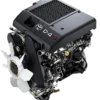
In this in-depth manual, we will uncover useful tips for prolonging the life of your turbocharged Mitsubishi engine, discuss why it’s important to maintain it, and provide you with an inside look into the turbo engines we have in stock, including specifications and inventory. If you have a Mitsubishi turbo engine replacement in your future, you’ve come to the right place.
Why Turbocharged Engines Require Special Maintenance
Turbo engines are operated at a higher temperature and pressure than naturally aspirated engines. A turbocharger forces air into the engine, producing more power—but also internal component stress.
Although Mitsubishi engineers make these engines withstand the pressure, correct maintenance and quality driving habits will prevent early wear, skip the breakdowns, and provide optimal performance.
Most Popular Turbocharged Mitsubishi Engines and Their Specs
Before we dive into maintenance tips, let’s take a quick look at some of our best-selling Mitsubishi turbocharged engines.
🔧 4G63T – 2.0L Turbocharged DOHC (Lancer Evolution I–IX)
- Displacement: 1,997 cc
- Max Power: 276 hp @ 6,500 rpm
- Max Torque: 274 lb-ft @ 3,500 rpm
- Turbo: TD05H
- Redline: 7,500 rpm
- Application: Lancer Evolution 1-9
- Fuel Type: Gasoline
🔧 4B11T – 2.0L Turbocharged MIVEC DOHC (Lancer Evolution X, Ralliart)
- Displacement: 1,998 cc
- Max Power: 291 bhp @ 6,500 rpm
- Max Torque: 300 lb-ft @ 4,000 rpm
- Turbo: TD05H-152G6-12T
- Compression Ratio: 9.0:1
- Fuel Type: Gasoline
- Application: Lancer Evo X, Ralliart
🔧 4N15 – 2.4L Turbo Diesel MIVEC (Triton, Pajero Sport)
- Displacement: 2,442 cc
- Max Power: 178 hp @ 3,500 rpm
- Max Torque: 317 lb-ft @ 2,500 rpm
- Turbo: Variable Geometry Turbo (VGT)
- Fuel Type: Diesel
- Application: L200 Triton, Pajero Sport
We offer these turbocharged Mitsubishi engines tested and installation ready. If you have a blown engine or require upgrading, we’ve got you covered.
Maintenance Tips for Extending Engine Life
1. Warm Up the Engine Before Pushing It
Cold starting is hard on any engine, but especially on a turbocharged engine. Oil takes time to make the trip and get to the turbo, and revving too soon can starve the turbo of proper lubrication.
✅ Tip: Let your Mitsubishi rest for 30–60 seconds following a cold start, and avoid riding the high RPMs until the engine is up to operating temperature.
2. Use the Correct Engine Oil and Change It Frequently
Turbochargers spin way, way faster—often more than 100,000 RPM. They depend on clean, high-quality oil to assist in reducing friction and heat damage.
✅ Tip:
- Use synthetic oil with the correct viscosity (e.g., 5W-30 or 0W-40 for 4B11T).
- Change oil between 3,000 to 5,000 miles (or sooner for high-performance driving).
- Check the oil level weekly for performance cars.
⚠️ Forgetting to change the oil is one of the main causes of turbo failure.
3. Cool Down After Hard Driving
After forced utilization of your Mitsubishi turbo engine—specifically, performance driving—it is necessary to let it sit back down. Sudden switching off will result in oil coking, where hot burning oil activates and forms sludge inside the turbo.
✅ Tip: Allow the engine to idle 30–120 seconds after hot driving or highway use. If you have a turbo timer, use it.
4. Control and Monitor Boost Levels
Overboosting is one of the most frequent tuning mistakes which will lower the life expectancy of your engine and turbo. Aftermarket tuning will get power, but poor tuning will destroy pistons, rods, and the turbo.
✅ Tip:
- Mount a boost gauge to monitor turbo pressure.
- Drive at safe boost pressures:
- 4G63T: up to 18 psi (stock internals)
- 4B11T: up to 21 psi (factory turbo, ECU modified)
- Get performance tuning from a professional at all times.
5. Replace the Air Filter Occasionally
Clean air is necessary for your turbocharged engine to run efficiently. A dirty air filter reduces airflow, reducing power and fuel efficiency. Worse, grit that enters the turbo can be costly to repair.
✅ Tip:
- Change your air filter at 12,000–15,000 miles (more often in dusty conditions).
- Use OEM or performance filters designed for your particular model Mitsubishi.
6. Keep an Eye Out for Warning Signs of Turbo Failure
Catch turbo issues before it’s a complete failure. These are some of the typical signs of a malfunctioning turbo:
- Whine or siren noises
- Blue or black heavy exhaust smoke
- No power or loss of acceleration
- Check engine light (specifically with boost-related trouble codes)
✅ Tip: Don’t wait if you notice turbo issues. We have warrantied replacement Mitsubishi turbo engines and professional service.
7. Flush and Replace Coolant On Time
Heat is the turbo’s arch-enemy. Heat will warp metal, split heads, and ruin the turbo unit. Keep your cooling system in good condition.
✅ Tip:
- Flush coolant every 2 years or 30,000 miles.
- Utilize proper coolant mixture (50/50 antifreeze/distilled water).
- Keep an eye on the temperature gauge—never ignore overheating.
8. Fill with High-Octane Fuel (Gasoline Engines)
For turbocharged gasoline engines like the 4G63T and 4B11T, premium only will suffice. Below 91 or 93 octane causes knock and ruins pistons and valves.
✅ Tip: Fuel only comes with premium 91 or 93 octane fuel. It ensures perfect combustion and does not allow the engine to heat beyond acceptable levels in boost.
9. Don’t Lug the Engine
Lugging—running low RPMs in high gear—puts extra stress on the bottom end and turbo. Detonation and improper oil flow ensue.
✅ Tip: Keep your 2,000–4,500 RPMs when driving normally and avoid revving hard at low RPMs.
10. Inspect Hoses, Gaskets, and Connections
A turbo engine is more complicated than a naturally aspirated engine. Rubber hoses, vacuum hoses, and intercooler hoses need to be inspected regularly.
✅ Tip:
Inspect for:
- Turbo seal oil leaks
- Intercooler pipe cracks
- Vacuum hose looseness
- Gasket wear on the turbo flange
Small leaks will eventually result in performance loss or turbo damage.
When to Replace Your Turbocharged Mitsubishi Engine
Despite maintenance, engines will eventually have to be replaced—particularly if they have been highly modified, used for racing, or abused.
Common Reasons to Replace:
- Compression loss
- Rod knock or bearing collapse
- Cracked turbo housing
- Burnt valves or bent heads
- Catastrophic turbo failure
If your engine is irreparable, we offer quality Mitsubishi replacement turbo engines with inspections and warranty capabilities.
Mitsubishi Turbo Engines for Sale – What We Offer
Here are just some of the engines that we keep in stock on a regular basis:
| Engine Code | Displacement | Turbo | Power Output | Applications |
|---|---|---|---|---|
| 4G63T | 2.0L | TD05H | 276 hp | Lancer Evolution I–IX |
| 4B11T | 2.0L | TD05H-152G6 | 291 hp | Lancer Evolution X, Ralliart |
| 4N15 | 2.4L Diesel | VGT | 178 hp | Triton, Pajero Sport |
| 6A13TT | 2.5L V6 Twin Turbo | Twin TD03 | 280 hp | Galant VR-4 |
All engines are:
- ✅ Compression tested
- ✅ Leak-down tested
- ✅ Cleaned and ready to install
- ✅ Low mileage
- ✅ Fast shipped, globally
Reach out to us today for a quote or availability!
Real Customer Success Stories
James in Texas: “Purchased a 4G63T for my Evo 6 – received clean, installed it, and it performed like new. Couldn’t be more pleased!”
Amir in UAE: “Replaced 4N15 turbo diesel in my Pajero. Now it’s running like a dream. Appreciate the fast shipping and service.”
Why Select Us for Your Mitsubishi Turbo Engine?
We specialize in Mitsubishi performance engines, and turbocharged is our specialty. Here’s why we’re number one:
🚗 Largest Inventory – Evo through Pajero, and everything in between
🧪 Tested and Certified – Exhaustive testing on all engines
🌍 Global Shipping – Fast and secure delivery to your doorstep
🔧 Installation-Ready – Clean, complete, and compatible
🛠️ Expert Advice – Not sure what fits? We’ll guide you
Final Thoughts
Owning a turbocharged Mitsubishi engine is an experience like no other—but with great power comes great responsibility. Following the maintenance and care tips outlined in this guide will go a long way in extending your engine’s lifespan and maximizing performance.
Whether you’re maintaining your existing engine or need a high-quality turbocharged Mitsubishi engine replacement, we’re here to help with:
✅ Full specs
✅ Fast delivery
✅ Engine warranty
✅ Technical support
Ready to Upgrade or Replace?
Contact us today for pricing, compatibility checks, and to secure your Mitsubishi turbo engine before stock runs out!
📞 Call us now or 📧 send a message – we’re ready to power your Mitsubishi back to life!
Posts Widget




Best Auto Motors
F M continental business ltd
Buy the best quality engines from our website online and get a fast delivery within 6 days.
Copyright 2022.KlbTheme . All rights reserved