

How to properly install a replacement Nissan engine in your vehicle
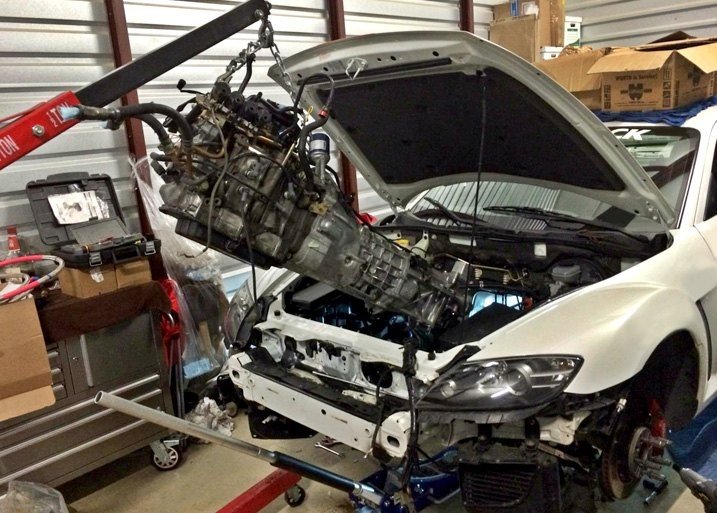
How to Install a New Nissan Engine in Your Vehicle the Right Way
Replacing the engine is a large undertaking—but done right, it breathes new life into your vehicle. Whether you’re a DIY technician or having a professional do it, having the proper steps to installing a new Nissan engine ensures that it’s done safely, precisely, and efficiently. How to properly install a replacement Nissan engine in your vehicle
🔧 What You’ll Learn in This Guide
In this guide here, we’re going to walk you through:
- When and why to replace your Nissan engine
- The kinds of replacement Nissan engines that can be purchased
- Specifications of well-known Nissan engines that we sell
- Step-by-step guide for installing a Nissan engine
- Tools and materials required
- Mistakes to avoid
- FAQs and buying tips from the experts
💡 If you need a real Nissan engine, we don’t just help you put one in—we sell warranted, inspected Nissan engines for immediate shipment. Whether building a Sentra, replacing a 350Z, or rebuilding a GT-R, we have the engine you need.
🚨 Why Replace Your Nissan Engine?
There are several reasons that a replacement engine might be necessary:
- Blown engine: Overheating, starvation of oil, or mechanical breakdown.
- High mileage: Over 200,000-mile engines lose power and efficiency.
- Performance upgrade: Upgrading with a more powerful engine for speed or towing.
- Restoration: Restoration of an older classic Nissan.
Rather than getting a new car or shelling out thousands at a dealership, it is smart to get your engine replaced with a high-quality used, rebuilt, or JDM Nissan engine.
🔁 Types of Replacement Nissan Engines
Before diving into the installation, it’s a good idea to understand your choices when purchasing a replacement Nissan engine.
1. Used Nissan Engines
- Taken from donor cars (low-mileage crashed vehicles)
- Affordable
- Tested and inspected for dependability
2. Rebuilt Nissan Engines
- Original engine core, rebuilt using new parts
- Near-new condition
- Longest life expectancy, perfect for daily drivers
3. JDM Nissan Engines
- Shipped from Japan
- Usually low mileage (less than 60K miles)
- Perfect for performance builds or engine swaps
🛒 Here at our shop, we sell all three models of Nissan engines, each carefully tested and backed by a 6–12 month warranty.
📊 Best Nissan Engines and Specifications
Here are our best-selling Nissan engines, with full specs:
QR25DE – 2.5L I4
- Used in: Altima, Rogue, Sentra SE-R
- Specs:
- 2.5L DOHC inline-4
- 175–200 hp
- Fuel-efficient and reliable
- Timing chain (not belt)
- Sold as: Used, rebuilt, or JDM low-mileage
VQ35DE – 3.5L V6
- Used in: Maxima, 350Z, Murano, Pathfinder
- Specs:
- 3.5L V6, DOHC
- Horsepower: 240–300 hp
- Smooth revving, strong
- Available as: Used, rebuilt with new gaskets, or JDM
KA24DE – 2.4L I4
- Used in: 240SX, Frontier, Xterra
- Specs:
- 2.4L inline-4, DOHC
- Horsepower: 150–160 hp
- Popular for drifting and engine swaps
- Available as: Core, performance rebuilt
RB26DETT – 2.6L I6 Twin Turbo (JDM)
- Used in: Nissan Skyline GT-R
- Specs:
- 2.6L inline-6 twin-turbo
- Horsepower: 280+ hp stock (tunable to 600+ hp)
- Cast iron block, forged internals
- Available as: Low-mileage JDM or performance built
VR38DETT – 3.8L Twin Turbo V6
- Used in: Nissan GT-R R35
- Specs:
- 3.8L twin-turbo V6
- Horsepower: 480–600+ hp
- Hand-assembled in Nissan’s Yokohama Plant
- Available as: U.S.-spec, JDM, or custom build
🧰 Tools and Materials You’ll Need
Installing a Nissan engine isn’t plug-and-play. Here’s what you’ll need:
Tools:
- Engine hoist or cherry picker
- Full socket set (metric)
- Torque wrench
- Screwdrivers, pliers, breaker bar
- Jack stands and floor jack
- Fluids (coolant, oil, transmission fluid)
- Engine stand (optional but helpful)
Materials:
- New gaskets and seals
- Replacement motor mounts (optional)
- Timing chain/belt (if necessary)
- Hoses, belts, clamps
- ECU (if replacing with a different engine model)
🛠️ Step-by-Step: Installing a Replacement Nissan Engine
This is the general step-by-step procedure to accommodate your replacement Nissan engine. Steps vary slightly depending on model and engine.
Step 1: Disconnect the Battery
Always disconnect the negative terminal prior to any engine work.
Step 2: Drain All Fluids
- Drain engine oil
- Drain coolant
- Disconnect fuel lines and let them depressurize
Be careful—use a pan to collect all liquids properly.
Step 3: Hood and Accessory Removal
- Remove hood for room
- Dispose of radiator and fan shroud
- Label all vacuum lines, hoses, and connectors to reinstall
Step 4: Disconnecting Engine Components
- Unbolt exhaust manifold
- Disconnect wiring harness
- Disconnect throttle cables, fuel lines, and air intake
- Disconnect power steering, AC (you will have to pull out the compressor or unbolt it and set it aside)
Step 5: Transmission Bolts and Engine Mounts Removal
Support the transmission with a jack. Unbolt the motor mount bolts and unbolt the transmission from the engine.
Step 6: Hoist the Engine Out
Hoist the engine slowly out of the bay with an engine hoist. Be careful with snagged mounts or lines.
Step 7: Prepare the Replacement Engine
- Move any parts not found on the replacement engine (sensors, manifolds, etc.)
- Install new gaskets, seals, and timing pieces where necessary
- Check the flywheel/flexplate and install it if it’s good to go
Step 8: Lower and Align the Replacement Engine
Lower the new engine into the bay slowly. Align the transmission and engine mounts. Bolt it into place firmly.
Step 9: Reconnect All Components
Reinstall all fuel lines, hoses, wires, exhaust, and accessories. Double check all your labels.
Step 10: Refill Fluids and Test
- Refill the engine oil, coolant, and other fluids
- Reattach the battery
- Start the engine and check for leaks or codes
- Let warm-up and take out for a drive when ready
⚠️ Errors to Avoid
- Failure to label hoses or connectors – causes confusion
- Reusing gaskets – can leak oil or coolant
- Not checking the timing chain – can cause catastrophic failure
- Mis-spec’ing torque – always refer to the factory manual
- Failure to flush the cooling system – causes overheating
💡 Pro Tip: Let Us Assist You in Getting the Correct Engine
We don’t merely sell Nissan engines—we assist you in acquiring the correct one for your specific model, with guaranteed fitment, complete spec checking, and after-sales service.
If you have no idea what engine suits your vehicle, simply contact us or fill out our online quote form. Our experts will verify compatibility with your VIN, transmission, ECU, etc.
🚚 Shipping & Warranty Info
- Quick Shipping: Engines are shipped in 1–3 business days
- Worldwide Shipping: We ship to residential or store locations
- Warranty: Every engine includes a 6 to 12-month warranty (longer on rebuilt)
✅ Checklist Before Installing
- Check engine compatibility
- Install fresh seals and gaskets
- Replace belts, hoses, mounts when needed
- Flush cooling and fuel systems
- Use only new fluids
- Clear any current engine codes
❓ FAQs
Q: How much does a replacement Nissan engine cost?
A: Used start around $800, rebuilt start around $1500, and performance or JDM start at $2000–$6000+.
Q: Must I have a mechanic put in my engine?
A: If you’re not skilled, yes. We always recommend professional installation to maintain your warranty.
Q: Will I need a new ECU?
A: It depends. If you are replacing the same model engine, the ECU is usually swappable. If you are replacing, you may require a new or flashed ECU.
Posts Widget




Best Auto Motors
F M continental business ltd
Buy the best quality engines from our website online and get a fast delivery within 6 days.
Copyright 2022.KlbTheme . All rights reserved