

Core Charges Explained – What You Need to Know
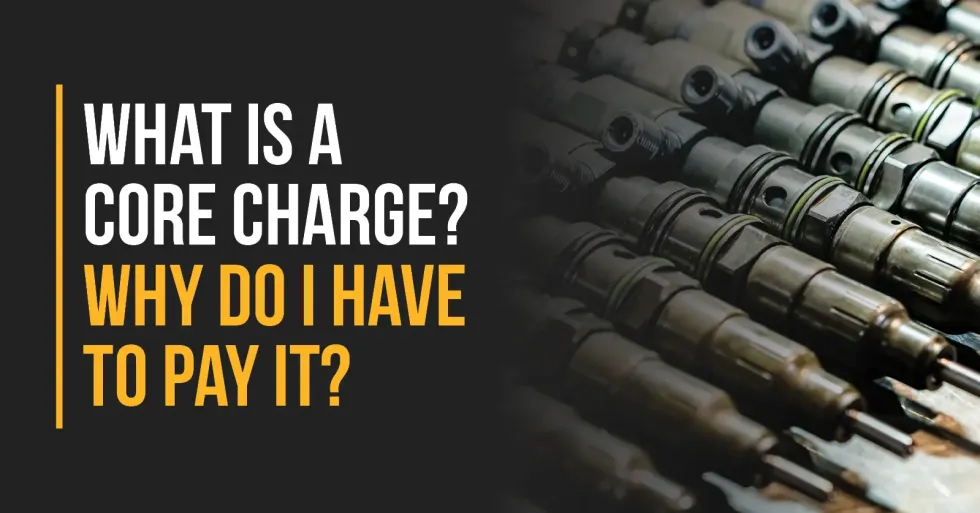
⭐ Core Charges Explained – What You Need to Know
Including Engine Specifications — Written for Buyers Worldwide
INTRODUCTION: Why Core Charges Matter When Buying Engines Worldwide
The process of buying replacement engines reveals a core charge fee which appears as an additional cost on your invoice. First-time engine buyers encounter the core charge fee as a surprise because they do not understand its purpose.
What does a core charge represent in engine purchases?
Sellers impose core charges because they need to recover specific costs. The process of getting your money back after returning an engine core remains unclear to many customers.
The core charge fee does not impact the total price of your engine purchase.
This complete worldwide guide explains everything you need to know about core charges and their purpose and benefits for engine buyers.
Our company provides high-quality engines to customers worldwide so we developed this guide to assist buyers in their engine selection process.
The guide explains core charge operations and shows you how to prevent financial losses and determine acceptable engine cores for return. The guide provides complete engine specifications to help you understand what you receive when buying remanufactured or rebuilt engines.
Our company provides worldwide engine sales so we developed this guide to help customers understand engine selection better.
The guide explains core charge operations and shows users how to prevent money loss and determine suitable engine cores for return. The guide provides complete engine specifications to help customers understand their remanufactured or rebuilt engine purchases.
⭐ 1. What Is a Core Charge?
The core charge functions as a refundable payment which customers must pay for rebuilt engines and remanufactured engines and engine blocks and cylinder heads and transmissions and major automotive components.
The deposit amount you pay for your engine purchase will be returned to you after you return your used engine core.
You pay a deposit → You send back your used engine → You get the deposit refunded.
The core charge system motivates customers to return their used engines because manufacturers can use these engines to create new products through recycling and rebuilding processes.
⭐ 2. Why Do Engine Sellers Require a Core Charge?
Engine cores hold significant value because they provide the fundamental metal framework which engine rebuilders need to develop enhanced remanufactured products.
The core charge system exists for three essential reasons.
Reason 1 — To Keep Engine Costs Affordable
Manufacturers would need to create new engine blocks from scratch if they did not receive used engine cores for their production needs.
The production costs would rise substantially.
The return of cores enables manufacturers to decrease their expenses for:
- raw materials
- production
- machining
- casting
The affordable pricing structure for customers who buy Reman engines and Rebuilt engines and Reconditioned engines remains intact.
Reason 2 — To Ensure a Steady Supply of Cores
The production of certain engine models faces challenges because they are either hard to find or no longer in production.
Manufacturers depend on core returns to maintain their ability to produce:
- Hard-to-find diesel engines
- High-demand truck engines
- Popular passenger vehicle engines
- Specialty industrial engines
The core charge system prevents engine models from becoming unavailable to customers.
Reason 3 — To Promote Environmental Sustainability
The recycling process for engine blocks eliminates the requirement for extracting new metal resources and building fresh engine blocks and manufacturing new components.
The core program enables environmental sustainability by allowing companies to recycle materials and decrease their carbon footprint.
Reason 4 — To Protect Against Damaged or Unusable Engine Returns
The used engine market contains products which cannot be rebuilt for future use.
The core charge system motivates customers to return engines that remain complete and free from major damage and half-broken condition.
The engine manufacturer protects itself from receiving unusable engine cores through this system.
⭐ 3. How Core Charges Work When Buying an Engine
The engine purchase process includes a core charge payment which customers must make when they buy rebuilt or remanufactured engines.
Your invoice contains three sections which display:
- Engine price
- Core deposit
- Shipping (if applicable)
Step 1: You purchase the engine and pay the core charge
Your invoice will clearly show:
- Engine price
- Core deposit
- Shipping (if applicable)
Step 2: You receive your new/rebuilt engine
Your replacement engine reaches your location where you can install it into your vehicle or machine or boat or equipment.
Step 3: You return your old engine core
You need to send your used engine back through the original shipping container which you received with your purchase.
Most customers return the core within 30–45 days but the return period depends on the seller.
Step 4: The engine supplier conducts an inspection of the core
They perform checks to verify:
- The engine must be complete.
- The engine block shows no signs of structural damage.
- The engine block shows no signs of damage from broken block failure.
- The engine block shows no signs of major part loss.
Step 5: Your core charge is refunded
You will get a complete core refund after the inspection process reveals no issues with your engine.
The engine will receive a partial refund or no refund at all when it shows damage that exceeds rebuildable standards.
⭐ 4. What Specific Conditions Make an Engine Core Acceptable for Use?
Engine cores need to fulfill two essential requirements.
✔ Required Components
The following items must be present in the engine core unless the seller specifies otherwise:
- Engine block
- Cylinder head(s)
- Crankshaft
- Pistons
- Connecting rods
- Oil pan
- Timing cover
- Valve cover
✔ Rebuildable
A rebuildable engine core needs to be free from the following conditions:
- The engine block shows no signs of cracking.
- The engine block contains no holes.
- The engine block shows no signs of melted cylinder damage.
- The engine block shows no evidence of severe impact damage.
- The engine block shows no signs of fire damage.
- The engine block shows no signs of rotational seizure that caused internal component destruction.
Engine cores with minor wear can be considered acceptable for use.
The return period for cores determines your refund amount because late returns will reduce or eliminate your refund.
⭐ 5. What Happens When the Engine Core Fails to Meet Return Requirements?
The amount of refund you receive for your engine core depends on three factors which include market demand and engine model availability and the condition of reusable parts.
The supplier will not give refunds when the block shows cracks or when the core lacks essential components.
The core return process requires you to understand the specific requirements for your engine core before shipping it back.
⭐ 6. The Total Price of Your Engine Purchase Includes the Core Charge Amount
The standard process for engine purchases includes the following items:
| Item | Description |
|---|---|
| Engine Price | The cost of the rebuilt, remanufactured, or replacement engine |
| Core Charge | Refundable deposit required until your old core is returned |
| Shipping | Usually applied for both delivery and core return |
| Total Upfront Cost | Engine price + core deposit |
Your actual cost becomes lower after the core refund processing is completed even though the initial deposit seems expensive.
⭐ 7. Core Charges Serve as a Benefit to Customers Despite Their Initial Negative Perception
Core programs offer multiple advantages to buyers who must pay a core deposit even though they might find it unpleasant at first.
- The cost of rebuilt engines remains lower because manufacturers use recycled engine blocks.
- The program maintains supply chains for rare engine models which are no longer produced by manufacturers.
- The program helps reduce industrial waste and energy consumption waste through material recycling.
- The remanufacturing process becomes more effective because rebuilders focus on using high-quality tested and inspected components.
- The core charge functions as a refundable deposit which you will receive back.
⭐ 8. Types of Engines We Sell Worldwide
Our company provides various engine types to customers across the entire world.
All orders include a core return program and full specifications.
1. Gasoline Engines (Petrol Engines)
Specifications include:
- Engine displacement: 1.2L to 6.2L
- Fuel: Unleaded gasoline
- Compression ratio: 8.5:1 to 12.0:1
- Power: 90 HP to 700 HP
- Torque: 120 Nm to 650 Nm
- Block material: Cast iron or aluminum
- Warranty: 6 months to 2 years
These engines serve cars, SUVs, light trucks, and performance vehicles.
2. Diesel Engines
Specifications include:
- Displacement: 2.0L to 15.0L
- Fuel: Diesel
- Turbocharged options available
- Power: 120 HP to 750 HP
- Torque: 250 Nm to 2500 Nm
- Block material: Heavy-duty cast iron
- Warranty: 6 months to 2 years
These engines operate best in heavy trucks, equipment, industrial machinery, and agricultural machines.
3. Remanufactured Engines
The remanufacturing process includes:
- Full disassembly
- Cleaning
- Precision machining
- Reassembly with new parts
- Testing and calibration
Specifications:
- 100% new seals, bearings, and gaskets
- Precision-machined block
- Upgraded components if required
- Performs at or above OEM standards
4. Rebuilt Engines
The rebuilding process includes:
- Replacement of worn components
- Inspection of crankshaft and pistons
- New bearings and seals
- Cleaning and refinishing of the block
5. Performance Engines
Specifications:
- High-flow heads
- Upgraded camshaft
- Reinforced pistons and rods
- Dyno-tested horsepower results
⭐ 9. Worldwide Engine Shipping and Core Returns
Our company delivers engines through worldwide shipping solutions including:
- Protected packaging
- Export-ready crates
- Shipping insurance
- Core return instructions
- Customs documentation support
You need to send your old engine back in the same shipping container for core return.
⭐ 10. How to Prepare Your Engine Core for Return
Follow these steps to prepare your engine core:
- Drain all fluids (oil and coolant).
- Use the original shipping crate.
- Attach all return paperwork.
- Keep the engine whole unless instructed otherwise.
- Return within the allowed timeframe to avoid refund reduction.
⭐ 11. How Engine Sellers Inspect Returned Cores
Inspection includes:
1. Structural Condition
No fire damage, cracks, holes, or impact damage.
2. Completeness
All essential parts must be present.
3. Rebuildability
The block and head must be machinable.
⭐ 12. Common Reasons Core Refunds Get Reduced or Rejected
Refund issues occur when:
- The crankshaft is missing.
- Cylinder head is missing.
- The block arrives broken.
- Essential parts are missing.
- The return is too late.
⭐ 13. Tips to Avoid Losing Your Core Refund
- Save your shipping crate.
- Return the core immediately after engine installation.
- Keep all documents.
- Return the engine complete and intact.
⭐ 14. Real Situations Where Core Charges Save Buyers Money
Example 1: Diesel Truck Engine
A $6,000 reman diesel engine includes a $1,500 core charge.
Return the core → Final cost becomes $4,500.
Example 2: Gasoline Engine
A rebuilt engine priced at $3,000 includes a $500 core charge.
Return the core → Final cost becomes $2,500.
⭐ 15. Why Engine Sellers Can’t Remove Core Charges
Core charges cannot be removed because:
- Rebuilders need cores
- Removing core programs raises prices
- Some models would become unavailable
- Core programs maintain global supply
⭐ 16. How Core Charges Work for Different Engine Types
- Passenger car engines: $250–$900 core deposit
- Diesel truck engines: $1,000–$3,000
- Industrial engines: $4,000+ depending on size
⭐ 17. Do You Lose Your Warranty if You Don’t Return a Core?
No. Warranty and core returns are separate.
Keeping your old engine affects only your refundable deposit.
⭐ 18. Final Thoughts – Core Charges Are Simple and Beneficial
Most customers experience confusion when first learning about core charges but these deposits serve three essential purposes:
- Reduce engine prices
- Maintain worldwide supply
- Support recycling and remanufacturing
Buying rebuilt or remanufactured engines commonly includes a core charge, and customers get this deposit back once the core is properly returned.
Our company delivers high-quality engines worldwide with strong warranties and customer assistance to simplify your core return process.
Is the Toyota V35A-FTS Engine Reliable Long-Term? – V35A-FTS engine reliability
Nissan VK56DE engine for Sale – Nissan’s Reliable V8
Installation Guide for the Yanmar 8LV370 Inboard Diesel Engine
Customer Reviews and Experiences with the Yanmar 8LV370 Inboard Diesel Engine
Best Applications for the Yanmar 8LV370 Inboard Diesel Engine
Posts Widget




Best Auto Motors
F M continental business ltd
Buy the best quality engines from our website online and get a fast delivery within 6 days.
Copyright 2022.KlbTheme . All rights reserved