

How to Check Engine Compatibility Before Buying
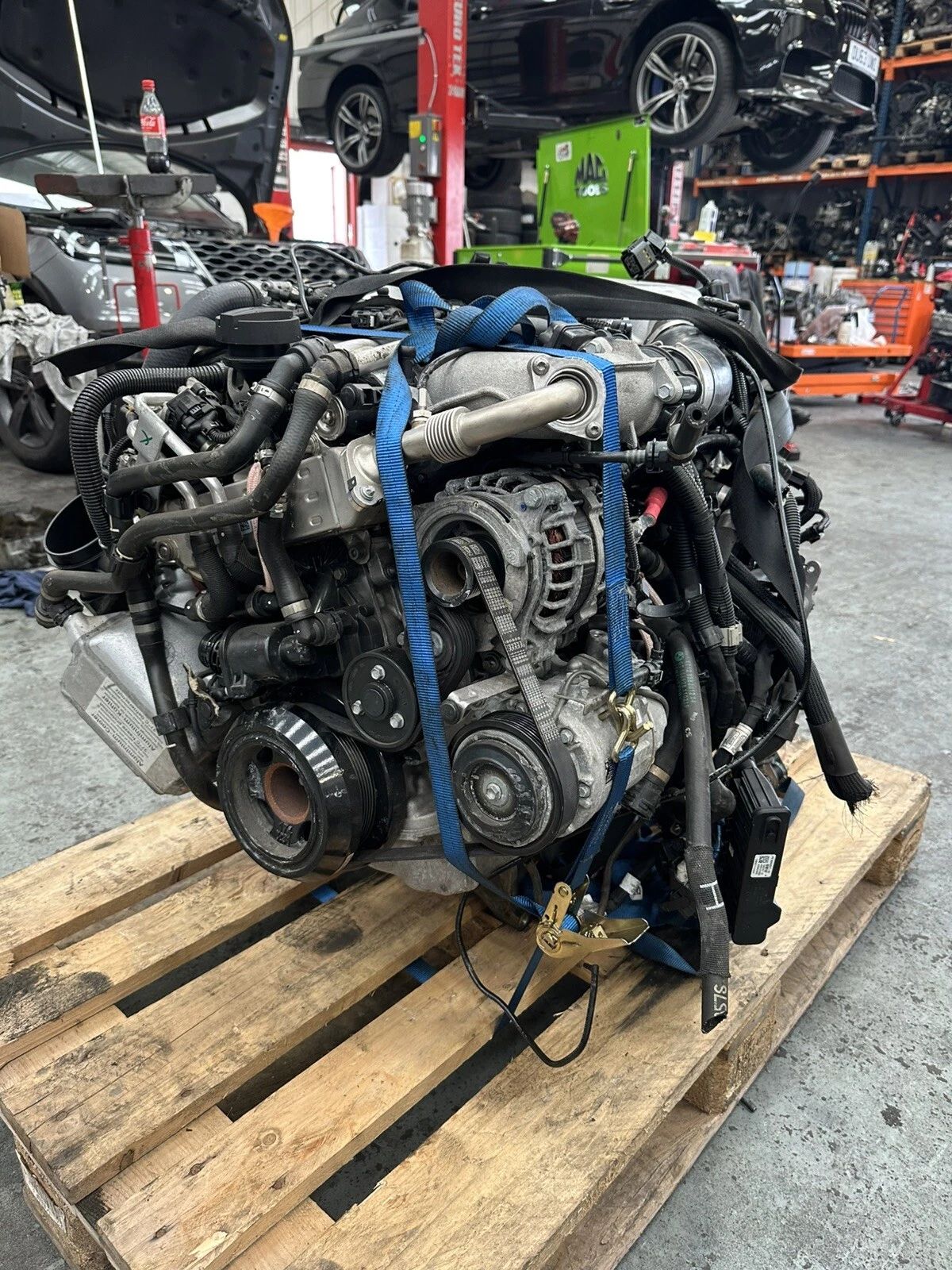
As per Global Buying Standards, Check Engine Compatibility Before Purchasing
As per global buying standards, check engine compatibility regarding your vehicle model before purchasing any engine unit. How to Check Engine Compatibility Before Buying
Purchasing a replacement engine requires significant financial investment, and this decision itself demands careful consideration before moving further with the purchase. Engine compatibility itself determines success when replacing failed units, upgrading performance, or sourcing reliable engines for further resale. We are seeing that putting the wrong engine only leads to costly changes, wire problems, computer errors, fitting issues, and long-term breakdown risks.
We actually don’t just sell engines — we definitely help customers worldwide choose the right engine with proper specifications, tested performance, and confirmed compatibility.
This guide will further explain how to check engine compatibility before purchase and how to choose from our tested engines itself.
Why Engine Compatibility Actually Matters
Engine compatibility actually matters because it definitely ensures your vehicle runs properly. When engines match correctly, they actually work better and definitely last longer.
Moreover, basically, an engine is not the same as just a mechanical block. We are seeing a system that is only connected with:
- Transmission
- The ECU actually controls how the engine works and definitely manages all the important engine functions.
- Wiring harness
- Cooling system
- Mounting brackets
- Exhaust system
- Fuel system
- We are seeing sensors and electronics only as the main parts used in these systems.
As per the analysis, even small differences can create problems regarding system performance.
- Poor performance
- Warning lights
- Hard starting
- Basically, your car will consume more fuel and give the same poor mileage.
- Overheating
- Failed inspections
That’s why we are seeing that every engine we sell comes with complete details only to make sure it matches properly.
Step 1: Find Your Exact Engine Code
Engine Identification as per Vehicle Specifications
The engine code itself is the most important factor for compatibility, not just the vehicle model further.
Two cars that are actually the same model and year can definitely have different engines.
Where to Find the Engine Code
- The engine block actually has the number stamped on its metal surface.
- As per the location, it is on a plate near the timing cover regarding the placement.
- We are seeing this information only in your car registration papers.
- The owner’s manual itself provides further details about the product.
- Through VIN decoding, you can actually get all the important car details. This method definitely helps identify vehicle information clearly.
When you actually contact us, providing the engine code definitely ensures we supply a direct-fit compatible engine.
Step 2: Match Technical Specifications
Before purchasing any engine, further confirm the core technical specifications itself.
Here are the important details we provide with every engine itself for sale, and we further ensure complete information is given.
1. Engine Displacement
We are seeing that this is measured only in liters (L) or cubic centimeters (cc).
Examples:
- 1.6L
- 2.0L
- 3.0L
- 5.7L
When displacement does not match properly, it will surely affect many things.
- Transmission compatibility
- Fuel system calibration surely requires precise adjustment of engine parameters.
- Also, ECU programming
2. Fuel Type
- Petrol (Gasoline)
- Diesel
- Hybrid-compatible systems
One must match the fuel type exactly to avoid further complications.
3. Cylinder Configuration
We are seeing only these basic setups that are used commonly.
- Inline 4 (four cylinders arranged in a straight line)
- Inline 6 (six cylinders placed in a straight line)
- V6
- V8
- V10
The mounting and ECU systems surely depend a lot on this setup.
4. Aspiration Type
- Naturally Aspirated
- Turbocharged
- Supercharged
- Twin-Turbo
If you actually install a turbo engine in a regular car without the right parts, it will definitely create major problems.
5. Transmission Compatibility
Check further whether your vehicle itself uses:
- Manual transmission
- Automatic transmission
- CVT
- Dual-clutch
As per engine requirements, the bell housing patterns and flex plates must match regarding proper fitment.
As per our process, we check transmission compatibility regarding your order before shipping.
6. Mounting Points
As per the technical specifications, engine mounts are different regarding various vehicle types:
- Generations
- AWD (power to all four wheels)
- FWD (power to front wheels)
- Performance trims
- Commercial vehicles
- Passenger vehicles
Our engines are inspected and documented further to ensure the mounting alignment itself is proper.
Step 3: Verify ECU and Wiring Compatibility
As per modern technology, today’s engines depend heavily on electronic systems regarding their operation.
Important Checks Include:
- Sensor configuration
- Throttle type (electronic or cable-based)
- Injector type
- Coil type
- Emission sensors
We further supply engines with:
- Sensor systems that are checked and proven to work properly.
- OEM wiring compatibility.
- Clear ECU pairing details.
As per customer needs, we provide guidance regarding ECU matching options.
Step 4: Check Emission Standards
Emission standards surely differ from one country to another.
Common standards include:
- Euro 4
- Euro 5
- Euro 6
- EPA standards
Installing wrong emission system can further cause inspection failures itself.
We actually provide engines that definitely meet international emission standards and make compliance rules clear.
Step 5: Compare Engine Generations
Manufacturers actually release products regularly.
- Gen 1
- Gen 2
- Gen 3
- Facelift versions
Even when displacement is surely the same, the internal parts may be different:
- Piston design
- Head configuration
- Intake manifold design
- ECU mapping
We are seeing that we only help check if the generation matches properly before you buy.
Step 6: Check Engine Condition and Testing
Compatibility is actually not enough for good results. Reliability definitely matters more in the long run.
Every engine we sell goes through:
- Compression testing
- Leak inspection
- Visual inspection
- Oil quality check
- Noise evaluation
- Mileage verification
We supply:
- Low mileage motors
- Reconditioned engines
- Professionally inspected units
Each listing includes full specification sheets regarding product details.
Engine Specifications Example
Below is the same detailed specification format we give you.
| Specification | Details |
|---|---|
| Engine Type | Inline 4 Turbo Diesel |
| Displacement | 2.0L (1998cc) |
| Horsepower | 150–190 HP |
| Torque | 320–400 Nm |
| Fuel System | Direct Injection |
| Aspiration | Turbocharged |
| Cooling System | Liquid-cooled |
| Transmission Compatibility | 6-speed manual / 8-speed automatic |
| Emission Standard | Euro 5 / Euro 6 |
| Mileage Range | 45,000–75,000 km |
| Condition | Tested & Inspected |
| Warranty | Available |
| Shipping | Worldwide |
As per this detailed approach, complete transparency is maintained regarding all processes.
Common Compatibility Mistakes to Avoid
- Buying based only on model name
- Not verifying engine code
- Not checking transmission type
- Ignoring ECU differences
- Assuming all years match
- Buying engines without testing
Basically, engines that are not verified carry high risk.
Why Buy From a Verified Engine Supplier
Trust is surely very important when purchasing an engine through online platforms.
We provide:
- Complete engine specifications
- Tested and checked units
- Verified engine codes
- Global shipping
- Secure packaging
- Compatibility support
- Warranty options
We collaborate with:
- Individual vehicle owners
- Mechanics
- Repair shops
- Auto dealers
- Fleet operators
- Marine operators
Marine Engine Compatibility
Marine engines require additional verification.
Additional Checks Include:
- Shaft alignment
- Cooling system type (raw water or closed cooling)
- Marine-rated components
- Corrosion protection
- Gearbox compatibility
Our marine engines include:
- Corrosion-resistant components
- Marine-grade cooling systems
- Verified operating hours
- Performance testing documentation
Performance Upgrades vs Direct Replacement
Before upgrading, check:
- Engine bay clearance
- Cooling capacity
- Transmission torque limits
- Brake system capability
- Suspension setup
We help customers choose between:
- Direct OEM replacement
- Performance-enhanced options
- Reconditioned units
- Low mileage imported engines
OEM vs Reconditioned Engines
OEM Engines
- Original manufacturer specification
- Direct replacement
- Factory alignment
Reconditioned Engines
- Fully disassembled and rebuilt
- Worn parts replaced
- Tested before sale
We provide both options with detailed specification sheets.
Information Required Before Purchase
To confirm compatibility, send:
- Engine code
- VIN number
- Vehicle year
- Transmission type
- Fuel type
- Any modifications
We check exact compatibility before shipping.
Our Engine Quality Control Process
Every engine goes through:
- Sourcing from verified suppliers
- Mechanical inspection
- Compression testing
- Component verification
- Cleaning and preparation
- Secure packaging
- Documentation preparation
We ensure engines are properly prepared for installation.
Global Shipping and Packaging
We ship engines worldwide using:
- Wooden platform palletization
- Protective wrapping
- Engine stabilizing frames
- Insured freight services
Each engine receives full transport protection.
Warranty and Support
We support our engines with:
- Warranty options
- Installation guidance
- Compatibility verification support
- After-sale assistance
Our goal is long-term reliability for every customer.
Final Compatibility Checklist Before Buying
- ✔ Confirm engine code
- ✔ Match displacement
- ✔ Verify fuel type
- ✔ Check transmission compatibility
- ✔ Confirm ECU and sensors
- ✔ Match emission standards
- ✔ Confirm generation
- ✔ Request specification sheet
- ✔ Confirm testing results
- ✔ Purchase from trusted supplier
Conclusion
Checking engine compatibility before buying is not optional. A properly matched engine ensures:
- Smooth installation
- Optimal performance
- Long-term reliability
- Legal compliance
- Maximum return on investment
We make the process simple by providing fully tested engines with complete specifications, global shipping, and expert compatibility verification.
If you need a reliable engine for sale, contact us with your engine code and vehicle details. We will help you choose the right engine and deliver it safely anywhere in the world.
Top 5 Signs Your Mercedes-Benz M273 Engine Needs Replacement
Rebuilt vs. Used Mercedes-Benz M273 Engine: Which One Should You Buy?
Is the Toyota V35A-FTS Engine Reliable Long-Term? – V35A-FTS engine reliability
Nissan VK56DE engine for Sale – Nissan’s Reliable V8
Installation Guide for the Yanmar 8LV370 Inboard Diesel Engine
Posts Widget




Best Auto Motors
F M continental business ltd
Buy the best quality engines from our website online and get a fast delivery within 6 days.
Copyright 2022.KlbTheme . All rights reserved