

Complete Engine Maintenance Checklist Guide 2
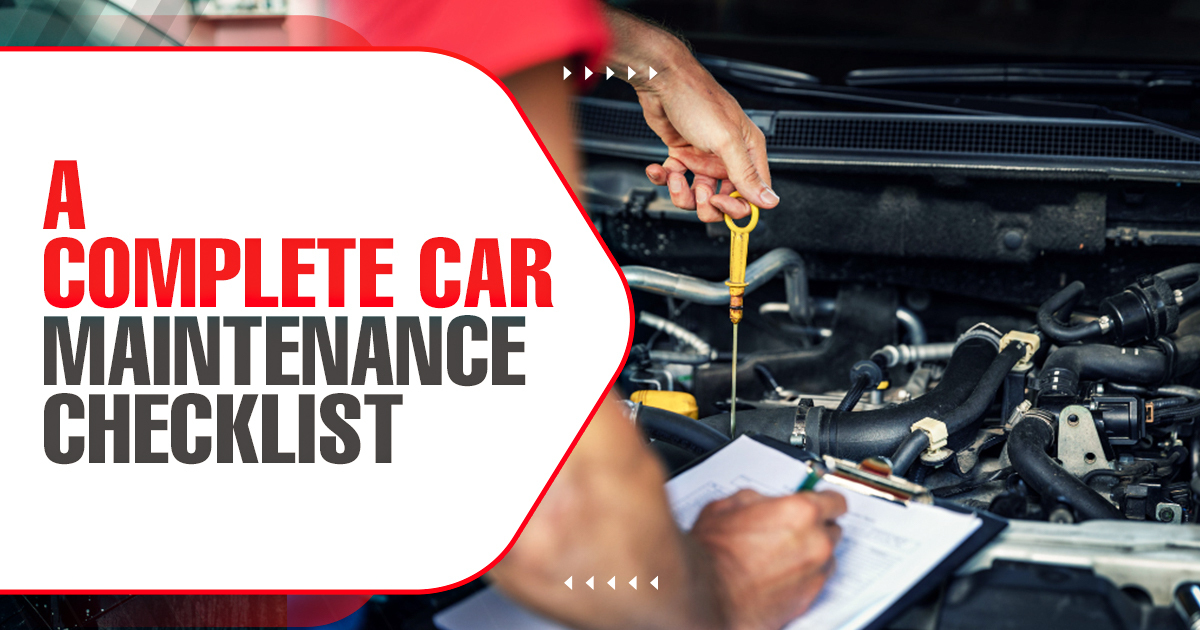
Complete Engine Maintenance Checklist Guide
Most engine problems don’t happen overnight.
That’s something people usually realize too late.
An engine normally gives warning signs long before complete failure happens.
Maybe it starts with:
- rough idling
- oil leaks
- overheating
- strange sounds
- smoke
- poor fuel economy
Small things at first.
Then people ignore those problems for months until suddenly the repair bill becomes massive.
That’s exactly why searches for Complete Engine Maintenance Checklist Guide continue growing worldwide.
People want engines that last.
And honestly, proper maintenance makes a huge difference.
A well-maintained engine can stay reliable for years longer than an engine that gets neglected.
That’s true whether it’s:
- a daily driver
- a truck
- a sports car
- a work vehicle
- a performance engine
The reality is simple.
Most engines fail because maintenance gets ignored for too long.
That’s why understanding a Complete Engine Maintenance Checklist Guide matters so much for vehicle owners.
Especially people buying:
- used engines
- replacement motors
- rebuilt engines
- performance engines
Because maintenance affects everything.
Why Engine Maintenance Matters
Engines work under constant heat and pressure.
Thousands of internal movements happen every minute while driving.
That means:
- friction builds heat
- oil breaks down
- seals wear out
- cooling systems age
- internal parts slowly wear over time
Without maintenance, problems build up quietly.
And honestly, many expensive engine failures start from small maintenance issues people ignored earlier.
That’s one reason Complete Engine Maintenance Checklist Guide became such an important topic online.
Oil Changes Matter More Than People Think
This is probably the single most important part of engine maintenance.
Engine oil lubricates:
- pistons
- crankshaft
- bearings
- camshafts
- timing components
Without proper lubrication, engine damage happens very quickly.
Old oil loses its ability to protect internal parts properly.
That creates:
- excessive wear
- sludge buildup
- overheating
- bearing damage
People searching Complete Engine Maintenance Checklist Guide usually learn quickly that regular oil changes are non-negotiable.
Check Oil Levels Regularly
Some engines naturally consume oil over time.
That’s normal to a point.
But running low on oil becomes dangerous very quickly.
Low oil levels can destroy:
- rod bearings
- crankshafts
- camshafts
- pistons
Checking oil takes only a few minutes.
Ignoring oil levels can destroy an engine completely.
That’s a huge difference.
Cooling System Maintenance Is Extremely Important
Overheating ruins engines faster than many people realize.
A bad cooling system may lead to:
- warped cylinder heads
- blown head gaskets
- cracked engine blocks
- piston damage
That’s why cooling system maintenance matters so much.
A proper Complete Engine Maintenance Checklist Guide always includes cooling system inspection.
Check Coolant Condition
Coolant shouldn’t look:
- rusty
- contaminated
- oily
- sludgy
Bad coolant condition may indicate:
- overheating
- corrosion
- gasket failure
- poor maintenance
Coolant flushes help protect:
- water pumps
- radiators
- engine passages
Especially in older vehicles.
Inspect Hoses and Belts
Rubber components wear out over time.
That’s normal.
Cracked hoses or worn belts may eventually fail without warning.
That can create:
- overheating
- charging problems
- coolant leaks
- engine damage
Good maintenance includes regular inspection of:
- radiator hoses
- serpentine belts
- coolant lines
- vacuum lines
Especially on older engines.
Spark Plug Maintenance
Spark plugs affect:
- fuel economy
- idle quality
- engine performance
- starting reliability
Worn spark plugs may create:
- rough idle
- poor acceleration
- misfires
- hard starting
Fortunately, spark plugs are usually inexpensive compared to larger engine repairs.
Air Filter Maintenance
A dirty air filter restricts airflow.
That affects:
- engine performance
- fuel economy
- throttle response
Replacing air filters regularly helps engines breathe properly.
It’s simple maintenance, but it matters.
Fuel System Maintenance
Fuel systems gradually collect:
- dirt
- moisture
- carbon buildup
Fuel system maintenance helps reduce:
- injector problems
- rough running
- fuel delivery issues
Clean fuel systems help engines run smoother overall.
Timing Chain and Timing Belt Inspection
Timing components matter a lot.
If timing systems fail, severe engine damage may happen immediately.
Timing problems may cause:
- rattling sounds
- poor performance
- startup issues
- internal engine damage
That’s why Complete Engine Maintenance Checklist Guide discussions often include timing inspections.
Especially for higher-mileage vehicles.
Battery and Charging System Inspection
Weak charging systems create:
- hard starting
- electrical problems
- poor engine performance
Maintenance should include inspection of:
- battery condition
- charging voltage
- alternator performance
Because electrical problems often create engine-related symptoms too.
Watch for Engine Leaks
Small leaks usually become larger leaks later.
That’s just reality.
Common leak areas include:
- valve cover gaskets
- oil pan gaskets
- coolant hoses
- water pumps
- front seals
Ignoring leaks often creates larger repair bills later.
Listen for Strange Sounds
Engines usually warn owners before major failure happens.
That’s important.
Sounds may indicate:
- bearing wear
- timing issues
- belt problems
- valve train wear
- internal engine damage
Unusual sounds should never be ignored.
Especially:
- knocking
- ticking
- grinding
- rattling
Why Maintenance Helps Used Engines Last Longer
A good used engine can stay reliable for years with proper maintenance.
That’s why used engines continue growing in popularity worldwide.
People want:
- affordable repairs
- reliable transportation
- lower vehicle costs
Instead of replacing entire vehicles immediately.
That’s another reason Complete Engine Maintenance Checklist Guide became so important online.
People want engines that actually last.
Compression Testing Matters
Compression testing helps reveal internal engine health.
Healthy compression usually indicates:
- strong piston rings
- healthy valves
- good cylinder sealing
Low compression may indicate:
- internal wear
- overheating damage
- cylinder problems
Compression testing becomes especially important when buying used engines.
Why Engine Overheating Happens
Overheating is one of the biggest engine killers.
Common causes include:
- coolant leaks
- bad thermostats
- failed water pumps
- radiator problems
- low coolant levels
Even one severe overheating event can permanently damage an engine.
That’s why cooling system maintenance matters so much.
Transmission Maintenance Also Matters
People forget this.
Engine performance depends heavily on transmission condition too.
Bad transmissions place extra stress on engines.
Maintenance should also include:
- transmission fluid checks
- cooling inspections
- leak inspections
Especially for high-mileage vehicles.
Specifications Buyers Should Verify
Engine Type
Gasoline or Diesel
Cooling System
Water-cooled system condition
Oil Condition
Clean oil without contamination
Compression Health
Balanced compression across cylinders
Timing System
Timing chain or timing belt inspection
Fuel System
Injector and fuel delivery condition
Mileage
Depends on maintenance history
Condition
Used, tested, rebuilt, or remanufactured depending on inventory
Common Mistakes Vehicle Owners Make
Ignoring Small Problems
Small problems usually become larger ones later.
Oil leaks don’t normally fix themselves.
Neither do overheating problems.
Skipping Oil Changes
This destroys engines faster than many people realize.
Clean oil matters.
Ignoring Cooling System Maintenance
Overheating can permanently damage:
- cylinder heads
- pistons
- gaskets
- engine blocks
Cooling systems should never be neglected.
Buying Cheap Parts Only
Cheap parts sometimes fail much faster.
Quality maintenance parts usually save money long term.
Why Buyers Search Complete Engine Maintenance Checklist Guide
Because engines are expensive.
Nobody wants:
- sudden breakdowns
- massive repair bills
- unexpected engine replacements
People searching Complete Engine Maintenance Checklist Guide usually want:
- reliable vehicles
- affordable maintenance
- longer engine life
- trusted engine information
- smarter repair decisions
And honestly, that makes sense.
Why Proper Maintenance Helps Resale Value
Vehicles with:
- maintenance records
- cleaner engines
- healthy cooling systems
- smooth operation
Usually hold value better.
Buyers trust well-maintained vehicles more.
That matters whether selling:
- cars
- trucks
- SUVs
- performance vehicles
Or even marine engines.
Used Engines Continue Growing Worldwide
Engine replacement became more common because modern vehicles became expensive.
A quality used engine allows owners to:
- extend vehicle life
- lower repair costs
- avoid new car payments
- continue using reliable vehicles
That’s why tested used engines continue having strong worldwide demand.
Final Thoughts on Complete Engine Maintenance Checklist Guide
A proper Complete Engine Maintenance Checklist Guide helps vehicle owners avoid expensive mistakes later.
Regular maintenance helps:
- extend engine life
- improve reliability
- lower repair costs
- reduce breakdown risk
- improve performance
And honestly, most maintenance problems start small before becoming serious.
That’s why routine inspections matter.
The important thing is staying ahead of problems before they become expensive engine failures.
Because once internal engine damage happens, repair costs increase very quickly.
That’s why:
- oil changes
- cooling system inspections
- compression testing
- leak inspections
- timing maintenance
All matter so much long term.
FAQ
Why is engine maintenance important?
Proper maintenance helps extend engine life and reduce repair costs.
How often should oil be changed?
It depends on the engine and oil type, but regular oil changes are critical.
What causes engine overheating?
Coolant leaks, water pump failure, radiator problems, or low coolant levels.
Why is compression testing important?
Compression testing helps reveal internal engine condition.
What happens if oil levels get too low?
Severe engine damage can happen very quickly.
Are used engines reliable?
Yes, especially if properly tested and maintained.
What maintenance items matter most?
Oil changes, coolant maintenance, timing inspections, and leak inspections.
Can overheating permanently damage an engine?
Yes. Severe overheating can destroy internal engine components.
Why do engines develop oil leaks?
Seals and gaskets wear over time from heat and age.
How do I order a replacement engine?
Contact directly, confirm compatibility, review engine details, and arrange shipping.
Cheap vs Premium Used Engines for Sale 2
Cooling System Tips for Used Car Engines 2
Cheap Engines for Sale Near Me (Online Options)
Posts Widget




Best Auto Motors
USA HERALD MAGAZINE INC
Buy the best quality engines from our website online and get a fast delivery within 6 days.
Copyright 2022.KlbTheme . All rights reserved