


Used Jeep Engines for Sale: Buyer Tips 2
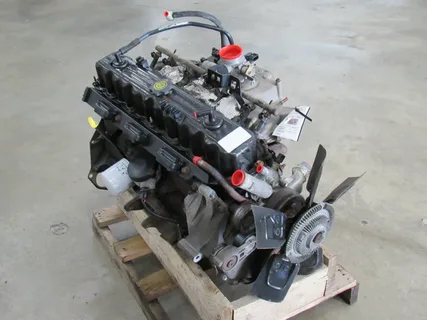
Used Jeep Engines for Sale: Buyer Tips
Let’s keep it real. Used Jeep Engines for Sale: Buyer Tips
If you’re searching Used Jeep Engines for Sale, you’re not just curious—you need an engine. Something probably went wrong, and now you’re trying to fix it without spending more than the vehicle is worth. Used Jeep Engines for Sale: Buyer Tips
That’s usually how it starts.
You get a quote for a rebuild or a brand-new engine, and suddenly that doesn’t make sense anymore. So you start looking at used options.
That’s where things can either go right… or go wrong.
Why people go for used Jeep engines
Simple answer: cost.
Jeep engines—especially for models like Wrangler or Grand Cherokee—are not cheap when new. But used ones? That’s where you can actually save money and still get your vehicle back on the road.
Also:
- Jeep engines are widely available
- Parts are easy to find
- Mechanics are familiar with them
So replacing with another Jeep engine is usually the easiest route. Used Jeep Engines for Sale: Buyer Tips
What “used” really means here
A lot of people assume “used” means worn out.
Not always.
Most of the engines we deal with come from:
- Accident vehicles
- Insurance write-offs
- Cars with body damage but working engines
So the engine itself wasn’t the issue.
That’s why you can find engines with low mileage that still run properly.
Why testing matters
This is important.
When you’re going through Used Jeep Engines for Sale: Buyer Tips, the word “tested” should actually mean something.
A proper engine should be checked for:
- Compression
- Leaks
- General performance
If someone can’t explain how it was tested, don’t assume anything. Used Jeep Engines for Sale: Buyer Tips
Common Jeep engines you’ll come across
Depending on your vehicle, you’ll usually see:
- 2.4L engines (fuel-efficient models)
- 3.6L V6 engines (very common)
- 5.7L V8 engines (larger models like some Grand Cherokees)
Each one has its own use, so matching your exact engine matters.
What you need to check before buying
This is where people make mistakes—not because it’s hard, but because they rush.
Compatibility
Don’t guess.
Use your VIN or confirm the exact engine type.
Mileage
Lower mileage is usually better.
Condition
Ask if it’s tested. Get a clear answer.
Source
Engines from accident vehicles are fine. Avoid flood-damaged ones. Used Jeep Engines for Sale: Buyer Tips
Types of engines you’ll see
You’ll run into a few options:
Complete engine
Everything included. This is what most people want.
Long block
Main internal parts included, but not everything.
Short block
Basic structure. Mostly for rebuilding.
If your goal is simple—get the vehicle running—go with a complete engine.
Typical specifications
When looking at Used Jeep Engines for Sale: Buyer Tips, expect details like:
- Engine type (I4, V6, V8)
- Displacement (2.4L, 3.6L, 5.7L, etc.)
- Fuel type (gasoline)
- Mileage
- Condition
- Compatibility
Nothing complicated—just clear info.
What a good engine looks like
You don’t need anything special.
A solid engine should be:
- Clean
- Tested
- Reasonable mileage
- From a known source
That’s enough.
Pricing — what to expect
Rough idea:
- Smaller engines → $800 to $2,000
- Mid-range → $2,000 to $4,000
- Larger engines → $4,000+
If something is too cheap, there’s usually a reason.
Buying worldwide
This is normal now.
You’re not limited to your local market.
Process:
- Confirm engine
- Get details
- Make payment
- Shipping is arranged
Just make sure you’re dealing with someone who gives clear answers.
Shipping
Engines are heavy, so proper handling matters.
- Secured on pallets
- Protected during transport
- Shipped through reliable carriers
If this part isn’t explained clearly, ask.
What we do
We keep it simple.
If you’re looking at Used Jeep Engines for Sale: Buyer Tips, here’s what we focus on:
- Engines are tested
- Mileage is clear
- Details are accurate
- Shipping is handled properly
No guessing.
Mistakes people make
Seen this too many times:
- Buying too fast
- Choosing based only on price
- Not checking compatibility
- Not asking questions
Slow down and check—you’ll avoid most problems.
Installation
Don’t rush this part either.
- Use a mechanic who knows what they’re doing
- Replace fluids
- Check everything before starting
A good engine won’t help if it’s installed badly.
Final thought
If you’re searching Used Jeep Engines for Sale: Buyer Tips, you’re already on the right track.
You don’t need the cheapest engine.
You don’t need the most expensive one either.
You just need one that:
- Fits your vehicle
- Has been properly checked
- Runs the way it should
That’s it.
FAQ
Are used Jeep engines reliable?
Yes, especially if they’re tested and have reasonable mileage.
How do I know it fits my Jeep?
Use your VIN number.
What mileage is good?
Under 60,000 miles is generally solid.
Do engines come complete?
Most complete engines are ready to install.
How long does shipping take?
Depends on your location.
Is it cheaper than rebuilding?
Most of the time, yes.
Should I install it myself?
Only if you have experience.
What should I avoid?
Unclear details and very low prices.
Do you test engines before selling?
Yes.
How do I order?
Contact us, confirm details, then proceed.
If something isn’t clear, ask before you move forward. It saves you time, money, and stress later.
Cheap Engines for Sale Near Me (Online Options)
Ford V10 engine for sale: pros and cons
How to inspect a used Ford engine before buying
Top 5 Signs Your Mercedes-Benz M273 Engine Needs Replacement
Rebuilt vs. Used Mercedes-Benz M273 Engine: Which One Should You Buy?
Posts Widget




Best Auto Motors
USA HERALD MAGAZINE INC
Buy the best quality engines from our website online and get a fast delivery within 6 days.
Copyright 2022.KlbTheme . All rights reserved
