


Engine Failure Causes and Used Engine Solutions
Engine Failure Causes and Used Engine Solutions
Nobody starts looking for an engine because things are going well.
Usually, it starts with a noise.
A knock. Smoke. Overheating. Maybe the car suddenly shuts off. Maybe the mechanic already looked at it and gave you the kind of estimate nobody wants to hear.
That’s when people start searching things like Engine Failure Causes and Used Engine Solutions because they’re trying to answer one question:
👉 Is it worth fixing this car, or is it time to move on?
And honestly, a lot of the time, replacing the engine with a tested used one makes more sense than people expect.
What engine failure actually means
People throw the term around loosely, but real engine failure usually means the engine is no longer worth repairing normally.
Not a minor sensor issue.
Not spark plugs.
Not a small oil leak.
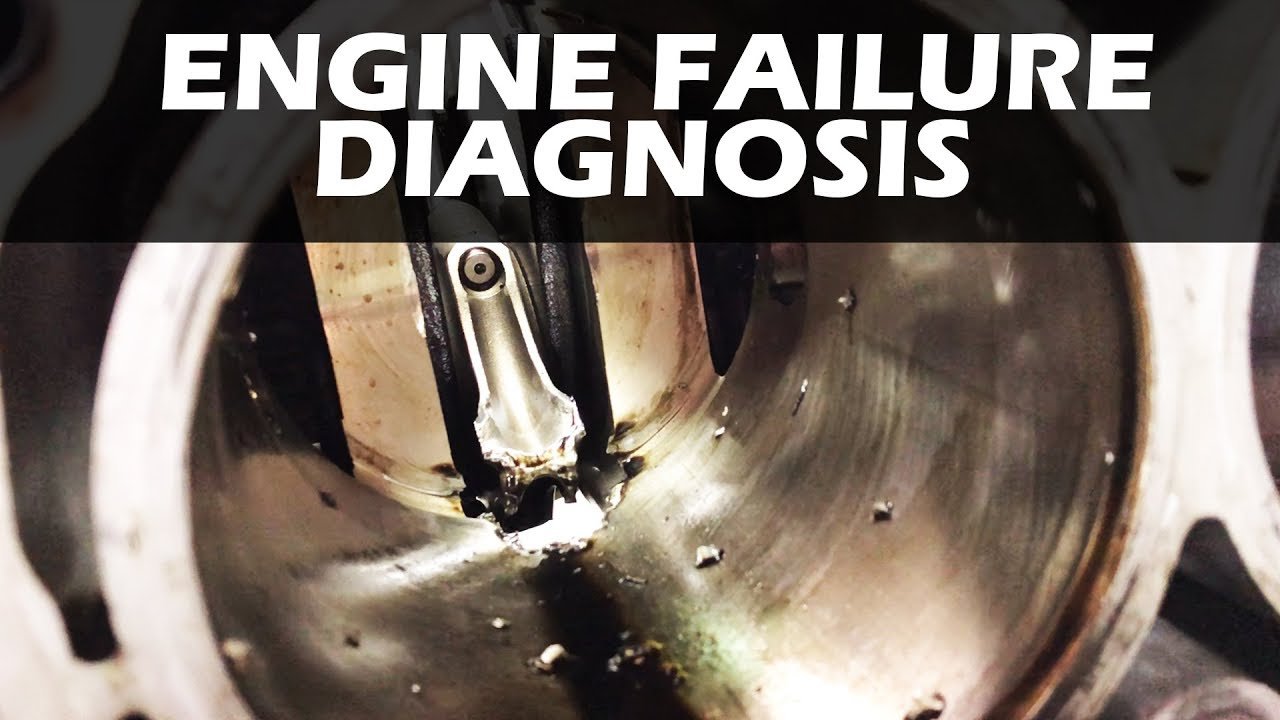
Actual engine failure usually involves:
- Internal damage
- Severe overheating
- Loss of compression
- Bearing failure
- Cracked components
At that point, the engine either needs a rebuild or replacement.
The most common causes of engine failure
Most engines don’t just randomly explode one day.
Usually, there’s a reason—and usually warning signs before it gets bad.
Overheating
This is one of the biggest killers.
People ignore temperature problems longer than they should.
A cooling issue turns into:
- Blown head gasket
- Warped cylinder head
- Internal engine damage
Once overheating gets serious enough, replacement often becomes cheaper than rebuilding.
Lack of oil
This destroys engines fast.
Low oil or dirty oil causes:
- Friction
- Bearing damage
- Internal wear
And once metal starts grinding inside the engine, things get expensive quickly.
A lot of complete engine failures start with poor maintenance.
Timing chain or timing belt failure
This can ruin an engine in seconds.
Depending on the engine design, a broken timing chain or belt can cause:
- Bent valves
- Damaged pistons
- Internal collision damage
Some engines survive it. A lot don’t.
Poor maintenance
This is more common than people admit.
Skipped oil changes. Ignored warning lights. Cheap repairs.
Eventually, the engine catches up with all of it.
A lot of engines fail slowly over time because basic maintenance was ignored.
High mileage wear
Even reliable engines wear out eventually.
After enough miles:
- Compression drops
- Oil consumption increases
- Internal parts wear down
Some engines last longer than others, but nothing lasts forever.
Detonation and knocking
That knocking sound people ignore? Bad idea.
Engine knock can lead to:
- Piston damage
- Rod damage
- Complete failure if ignored long enough
And once internal damage spreads, replacement becomes the smarter option.
What happens after engine failure?
This is where people usually panic.
The mechanic gives them options:
- Rebuild the engine
- Buy a new engine
- Replace with a used engine
And this is where used engines start making sense.
Why used engine replacement is popular
Simple reason: cost.
A brand-new engine is expensive.
A rebuild can also become expensive fast because:
- Labor adds up
- Parts add up
- Delays happen
A tested used engine often gives people the fastest and most affordable solution.
That’s why searches for Engine Failure Causes and Used Engine Solutions keep growing.
What a used engine actually is
A lot of people still imagine junkyard engines sitting outside in the rain.
That’s not usually how quality used engines are sourced.
Most come from:
- Accident vehicles
- Insurance write-offs
- Cars with body damage but working engines
Meaning the engine itself was not the problem.
That’s how low-mileage engines end up available for resale.
What “tested” should actually mean
This part matters.
A tested engine should go through checks like:
- Compression testing
- Leak inspection
- Visual inspection
- Basic running checks
Not just “it came from a running car.”
If a seller can’t explain the testing process clearly, ask more questions.
Common types of replacement engines
You’ll usually see:
Complete engine
Ready for installation with major components included.
Long block
Main internal engine assembly only.
Short block
Mostly used for rebuild projects.
Most people replacing a failed engine prefer a complete setup because it’s easier and faster.
Typical engine specifications
When searching Engine Failure Causes and Used Engine Solutions, buyers should expect details like:
- Engine size (2.0L, 5.3L, etc.)
- Cylinder setup (V6, V8, etc.)
- Fuel type
- Mileage
- Compatibility
- Condition
Nothing complicated. Just clear information.
How to know if a used engine is worth buying
You don’t need perfection.
A solid used engine usually has:
- Reasonable mileage
- Clear testing information
- Known source vehicle
- No visible damage
That’s enough for most buyers.
Why compatibility matters
This gets overlooked all the time.
Even if two engines look identical, small differences can create installation problems.
Always confirm:
- VIN compatibility
- Engine code
- Model year fitment
Don’t guess.
Pricing — what to expect
Prices vary depending on:
- Engine size
- Mileage
- Demand
- Vehicle type
Rough idea:
- Small engines → lower cost
- V8 and diesel engines → more expensive
- Luxury and performance engines → significantly higher
If something is suspiciously cheap, there’s usually a reason.
Buying engines online
This is normal now.
A lot of buyers purchase engines online because:
- Local options are limited
- Prices are better
- More inventory is available
The process is usually simple:
- Confirm compatibility
- Review engine details
- Arrange payment
- Organize shipping
The important part is clear communication.
Shipping matters too
Engines are heavy and expensive.
Proper shipping means:
- Secured pallets
- Protected components
- Careful transport handling
This is not something that should be rushed.
What we do
We keep things straightforward.
If you’re searching Engine Failure Causes and Used Engine Solutions, we focus on:
- Tested engines
- Clear mileage information
- Real compatibility details
- Proper shipping preparation
No vague listings. No guessing.
Most buyers just want an engine that works properly and fits correctly.
Common mistakes buyers make
This happens constantly:
- Buying based only on price
- Ignoring compatibility
- Not asking about testing
- Rushing the process
Most engine problems after purchase start because buyers skipped basic checks.
Installation still matters
Even a good engine can fail if installed badly.
Before startup:
- Replace fluids
- Check hoses and wiring
- Verify cooling system condition
A rushed installation creates problems that people later blame on the engine.
Why used engines make sense today
Cars are expensive now.
Replacing an entire vehicle because of one failed engine doesn’t always make financial sense anymore.
That’s why tested used engines continue to be in demand worldwide.
People want:
- Lower repair costs
- Faster solutions
- Reliable replacements
And that’s exactly where used engines fit in.
Final thoughts
If you’re looking into Engine Failure Causes and Used Engine Solutions, you’re already asking the right questions.
A failed engine doesn’t always mean the whole vehicle is done.
Sometimes the smartest move is simply replacing the engine with a tested used one and getting back on the road without overspending.
That’s why more people are choosing used engine replacement instead of starting over with another vehicle.
FAQ
What causes engine failure most often?
Overheating, lack of oil, poor maintenance, and timing failures.
Is replacing the engine worth it?
In many cases, yes—especially if the rest of the vehicle is still good.
Are used engines reliable?
Yes, especially when properly tested and low mileage.
What is considered low mileage for a used engine?
Generally under 60,000 miles.
How do I confirm compatibility?
Use your VIN number or engine code.
What is a complete engine?
A replacement engine with major components included.
Can used engines be shipped worldwide?
Yes.
Should I rebuild or replace?
Depends on cost, but replacement is often faster and cheaper.
What should I avoid when buying a used engine?
Untested engines and unclear listings.
How do I place an order?
Contact us, confirm details, then proceed.
If something isn’t clear, ask before buying. It’s easier than dealing with problems after installation.
Cheap Engines for Sale Near Me (Online Options)
Ford V10 engine for sale: pros and cons
How to inspect a used Ford engine before buying
Top 5 Signs Your Mercedes-Benz M273 Engine Needs Replacement
Rebuilt vs. Used Mercedes-Benz M273 Engine: Which One Should You Buy?
Posts Widget




Best Auto Motors
USA HERALD MAGAZINE INC
Buy the best quality engines from our website online and get a fast delivery within 6 days.
Copyright 2022.KlbTheme . All rights reserved
