


Nationwide Engine Shipping: How It Actually Works

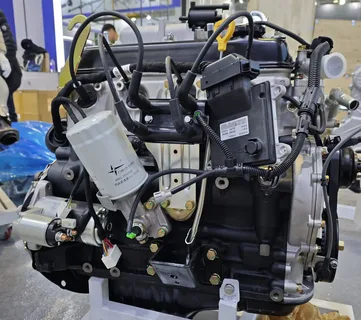
An engine is heavy, awkward, and expensive to damage in transit, so the question we get asked more than almost any other is some version of “how does shipping actually work?” If you’ve never bought one online before, the idea of nationwide engine shipping can feel like a leap of faith — you’re trusting a freight carrier with a few hundred pounds of metal that your repair depends on. Here’s exactly how it works, what to expect on cost and timing, and what to check before the truck shows up.
How an Engine Actually Gets Packed for Freight
A used or rebuilt engine doesn’t ship like a box from an online retailer. It goes out on a pallet, bolted or strapped down so it can’t shift, with the oil pan, exhaust manifolds, and any exposed sensor connectors protected from impact. Fluids are drained or capped to prevent leaks during transit. Openings — the intake, exhaust ports, oil fill — get plugged so debris and moisture can’t get in while the engine is sitting on a truck for a few days. None of this is optional packaging; skip any of these steps and you risk a damaged or contaminated engine showing up at your shop instead of a usable one.
For larger units — V8s, diesel engines, truck motors — the pallet itself needs to be rated for the weight, and the crate or cage around it needs to survive being moved by forklift multiple times between the warehouse and your driveway or shop. This is where nationwide engine shipping gets more complicated than it looks from the outside: it’s not just “put it on a truck,” it’s making sure it survives several handoffs intact.
Freight vs. Parcel: Why Engines Don’t Ship UPS Ground
Most engines move via LTL (less-than-truckload) freight rather than standard parcel carriers. A small four-cylinder long block might weigh 250-350 lbs; a V8 or diesel can run 500-900 lbs or more once it’s crated. That’s well outside what a parcel carrier is built to handle safely, which is why freight carriers — with liftgates, pallet jacks, and loading docks — are the standard method for nationwide engine shipping.
| Engine Type | Typical Crated Weight | Shipping Method |
|---|---|---|
| 4-cylinder long block | 250 – 400 lbs | LTL freight, palletized |
| V6 long block | 350 – 550 lbs | LTL freight, palletized |
| V8 long block | 500 – 750 lbs | LTL freight, crated |
| Diesel / truck engine | 800 – 1,500+ lbs | LTL freight, heavy crate, liftgate required |
What Determines Cost and Timing
Three things drive the price and speed of nationwide engine shipping: distance, weight, and delivery type. A residential delivery without a loading dock usually requires a liftgate truck, which costs more than a commercial dock delivery. Rural addresses can add a day or two compared to a metro delivery. And naturally, shipping a diesel truck engine cross-country costs more than shipping a compact four-cylinder a few states over. None of this is hidden — a freight quote should break down the base rate, any liftgate or residential delivery fee, and the estimated transit window before you commit to a purchase.
- Distance — straightforward mileage-based freight pricing
- Weight and dimensions — heavier and bulkier units cost more to move
- Delivery type — dock-to-dock is cheaper than residential liftgate delivery
- Accessorial services — inside delivery, appointment scheduling, or expedited transit all add cost
What to Check Before the Truck Leaves the Warehouse
Before any engine goes out for nationwide engine shipping, it should have gone through a documented inspection — compression numbers, oil pressure, visual check for cracks or damage. That documentation should travel with the engine, not get emailed separately and forgotten, and it’s the same paperwork that backs your engine warranty if anything comes up later. If you’re buying from us, your invoice and inspection sheet match the engine code and VIN-sourced mileage of the specific unit being crated, not a generic spec sheet for “engines like this one.”
It’s also worth confirming what’s included before the crate gets sealed: long block only, or complete with accessories like the intake manifold, alternator, and sensors? Mismatched expectations here cause more shipping complaints than actual freight damage does.
Receiving the Engine: What to Do the Moment It Arrives
This part matters more than people expect. When the freight truck arrives:
- Inspect the crate before signing. Look for crushed corners, broken bands, or visible shifting. Freight carriers expect this check — it’s standard procedure, not an inconvenience to the driver.
- Note any damage on the delivery receipt before you sign. “Subject to inspection” notes protect you if hidden damage shows up once you uncrate it.
- Photograph the crate and the engine as soon as it’s uncrated, before you move it or start cleaning anything off.
- Compare the engine code and any visible markings against your invoice to confirm you received the right unit.
- Report any concerns within 24-48 hours. The window for freight claims is short, so don’t wait a week to mention something looked off.
Most deliveries are uneventful — engines are heavy and well-protected by design, and freight carriers move palletized industrial parts every day. But skipping the inspection step is the one mistake that turns a minor shipping issue into an unresolvable dispute.
Shipping to a Shop vs. Shipping to Your Home
If you’re having a shop install the engine, shipping directly to the shop’s loading dock is usually the cheaper and simpler option — most shops can unload freight with their own equipment, skipping the liftgate fee entirely. If you’re DIY-installing or just don’t have a shop lined up yet, residential delivery with a liftgate is the way to go; just be home or have someone available, since freight deliveries typically require a signature and a person on-site to direct where the pallet gets set down.
International and Cross-Border Shipping
Nationwide engine shipping covers domestic freight, but we also ship internationally for buyers outside the country. Cross-border shipments involve additional paperwork — commercial invoices, harmonized tariff codes, and customs clearance on the receiving end — and transit times run longer than domestic freight. If you’re importing an engine, check with your local customs broker about duties and import requirements before the engine ships, since those costs and rules vary by destination and aren’t something a seller can quote on your behalf.
A Real Cost Example
To make this concrete, here’s roughly how nationwide engine shipping costs tend to scale for a mid-size V6 long block moving a moderate distance, say 800-1,200 miles, with residential liftgate delivery:
| Distance Band | Relative Cost | Typical Transit Window |
|---|---|---|
| Under 300 miles | Lowest | 1-3 business days |
| 300-1,000 miles | Moderate | 3-7 business days |
| 1,000-2,000 miles | Higher | 5-10 business days |
| Over 2,000 miles / coast to coast | Highest | 7-14 business days |
These are general ranges, not quotes — actual pricing depends on the specific carrier’s lane availability and current freight demand, which shifts week to week the same way it does for any commercial freight. What stays consistent is that distance and delivery type (dock vs. residential liftgate) are the two biggest levers on the final number, more than the engine’s weight in most cases.
Choosing Between Carriers
Not all freight carriers handle palletized engines the same way. Some specialize in heavier industrial freight and are used to handling crated machinery; others mostly move retail pallets and may be less familiar with securing an asymmetrically weighted load like an engine block. When nationwide engine shipping is arranged through a seller who does this regularly, they typically have established relationships with carriers that know how to handle this freight class specifically — which matters more than people realize, since an engine that shifts in transit because it wasn’t loaded correctly can arrive with cosmetic or even structural damage that has nothing to do with how well it was built or tested.
If you’re arranging your own freight rather than going through a seller’s logistics, ask the carrier directly whether they’ve handled engine or machinery freight before, and confirm they’re quoting for a liftgate residential delivery if that’s what you need — a quote built around a commercial dock delivery will be inaccurate once the truck shows up at a house without one.
Packing Materials That Actually Matter
Beyond the pallet itself, a few details in how an engine is packed make a real difference in whether it survives transit cleanly:
- Banding or chain tie-downs that secure the engine to the pallet at multiple points, not just one strap across the top
- Corner protection on crates to prevent crushing if another pallet gets stacked or shifted against it
- Plugged openings — intake, exhaust ports, oil fill, dipstick tube — taped or capped to keep out road grime and moisture
- Drained or contained fluids so nothing leaks onto the pallet or surrounding freight during transit
- Weatherproofing for engines that may sit outdoors briefly during cross-dock transfers between carriers
This is the unglamorous part of nationwide engine shipping that nobody thinks about until something goes wrong, and it’s exactly why we treat packaging as part of the inspection process rather than an afterthought tacked on once the engine’s already sold.
A Pre-Shipping Checklist Worth Using
Before you finalize any order that involves freight delivery, run through this short list with the seller:
- Confirm what’s included in the crate — long block only, or with accessories attached
- Get a written freight quote that specifies dock vs. residential and liftgate fees
- Ask for an estimated transit window for your specific zip code, not a generic “5-10 days”
- Confirm whether a signature is required at delivery
- Ask what the claims process looks like if the crate arrives visibly damaged
Sellers who handle nationwide engine shipping regularly will have straightforward answers to all five of these without hesitation. Vague or shifting answers are a sign the logistics side of the operation isn’t as buttoned-up as the sales side.
Insurance and Liability During Transit
A reasonable question to ask before any order ships: what happens, financially, if the engine is damaged or lost in transit? Freight shipments are typically covered by carrier liability up to a value tied to the freight class and declared value of the shipment, but that coverage usually isn’t the same as full replacement cost unless additional insurance is purchased. When nationwide engine shipping is arranged by an experienced seller, the shipment value is usually declared accurately and any gap between carrier liability and the engine’s actual value is something worth clarifying before you pay, not after a damage claim is already underway. If you’re spending real money on a tested engine, it’s reasonable to ask directly whether the shipment is insured for full value and who’s responsible for filing a claim if something goes wrong en route.
Why Lead Time Isn’t Always Predictable
Freight carriers run on shared trucking networks, which means a quoted transit window is an estimate, not a guarantee. Weather, fuel surcharges during high-demand periods, and cross-dock transfers between regional carriers can all add a day or two beyond the original estimate. This isn’t unique to engine shipments — it’s how LTL freight works generally — but it matters more here because a shop waiting on an engine to finish a repair has a customer waiting on them. If timing is critical, ask whether expedited or guaranteed-date service is available, and budget a buffer day or two into your install schedule rather than assuming freight will land exactly on the estimated date.
Common Questions About Nationwide Engine Shipping
How long does shipping usually take?
Domestic freight typically moves within several business days to two weeks depending on distance and carrier scheduling. Cross-country and rural deliveries run on the longer end of that window.
Do I need special equipment to receive an engine?
Not if you request liftgate service for residential delivery — the truck itself lowers the pallet to ground level. From there, an engine hoist or several people are typically needed to move it off the pallet.
What if the engine arrives damaged?
Note the damage on the delivery receipt before signing, photograph everything, and report it immediately. This is why the inspection-before-signing step matters so much — it’s the difference between a covered freight claim and an unprotected loss.
Can I track my shipment?
Yes — freight shipments come with a tracking or PRO number from the carrier, separate from standard parcel tracking, that lets you follow the shipment’s progress and estimated delivery window.
Does nationwide engine shipping cost more for rural addresses?
Often slightly, yes, since rural deliveries can require longer routes or different equipment than metro-area drop-offs. This is usually a smaller cost difference than people expect, but it’s worth asking about upfront.
Why This Matters More Than People Think
A lot of buyers focus entirely on the engine’s condition and completely forget to ask about the shipping process until the engine is already on a truck. That’s backwards. A perfectly tested engine can still show up damaged if it wasn’t packed correctly, and a damaged engine that wasn’t documented at delivery becomes a much harder problem to resolve than one that was. Nationwide engine shipping done right is invisible — the engine just shows up intact, on schedule, matching what you ordered. That’s the standard worth holding any seller to.
Bottom Line
Reliable nationwide engine shipping comes down to proper packaging, accurate freight quoting, and a receiving process that protects you if something does go wrong in transit. Before you buy, ask exactly how the engine will be crated, what the delivery type is, and what the transit window looks like for your address. Check our tested engine inventory with worldwide shipping, browse what to verify with any exporter shipping engines internationally, or read about finding a dealer you can trust before you commit to an order. For general guidance on LTL freight classifications and what affects pricing, the Federal Motor Carrier Safety Administration publishes consumer information on interstate freight shipments.
Posts Widget




Best Auto Motors
USA HERALD MAGAZINE INC
Buy the best quality engines from our website online and get a fast delivery within 6 days.
Copyright 2022.KlbTheme . All rights reserved
