


Oil Leak Problems and Used Engine Replacement
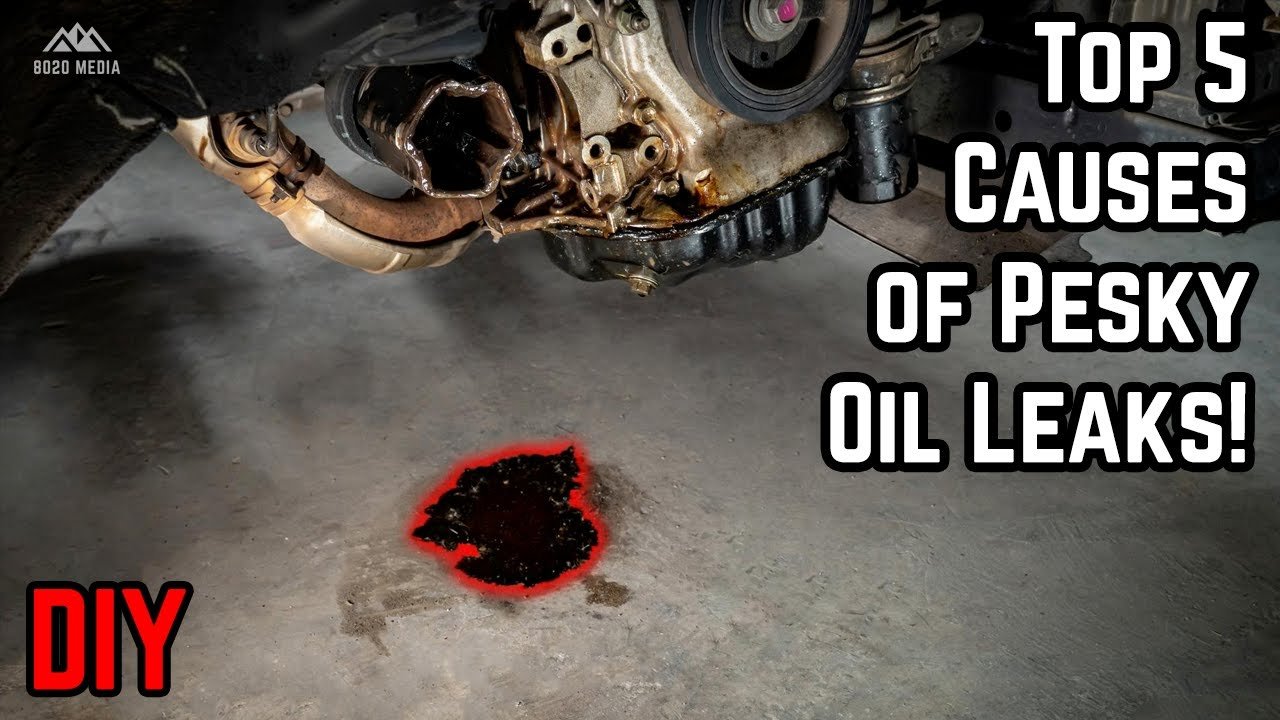
Oil Leak Problems and Used Engine Replacement 2
Let’s be honest.
A small oil leak usually doesn’t stay small forever. Oil Leak Problems and Used Engine Replacement
At first, most people ignore it. Maybe there’s a little spot under the car. Maybe the engine smells hot after driving. Maybe you just keep adding oil and hoping it’s nothing serious.
Then one day the mechanic says something you didn’t want to hear:
👉 “The engine may need to be replaced.”
That’s usually when people start searching things like Oil Leak Problems and Used Engine Replacement.
And honestly, by that point, replacing the engine sometimes makes more sense than continuing to repair it. Oil Leak Problems and Used Engine Replacement
Why oil leaks become serious
Because the engine depends on oil for everything.
Without proper lubrication:
- Parts overheat
- Friction increases
- Internal damage starts happening
A leak itself isn’t always the disaster.
The real problem is what happens when the engine keeps losing oil over time.
That’s where major damage starts. Oil Leak Problems and Used Engine Replacement
Common signs of oil leak problems
Most engines give warnings before things get really bad.
The problem is people often keep driving anyway.
Here are the signs you shouldn’t ignore.
Oil spots under the vehicle
This is usually the first thing people notice.
You park the car, come back later, and see:
- Dark stains
- Wet spots
- Oil dripping underneath
At first it may seem small.
But leaks usually grow over time, not shrink. Oil Leak Problems and Used Engine Replacement
Burning oil smell
This one is common.
Oil leaks onto hot engine parts and creates that burnt smell after driving.
A lot of people notice it most:
- In traffic
- After longer drives
- When the engine gets hot
Ignoring it too long can create bigger problems. Oil Leak Problems and Used Engine Replacement
Smoke from the engine area
If oil hits hot exhaust parts, smoke can start coming from under the hood.
That’s never something to ignore.
Even if the engine still runs fine, leaking oil around high heat is dangerous.
Constantly adding oil
This is where people start realizing the leak isn’t minor anymore.
If you constantly:
- Add oil every week
- Watch the oil level drop quickly
- Carry extra oil in the car
the engine is already telling you something is wrong. Oil Leak Problems and Used Engine Replacement
Engine overheating
Oil helps control heat inside the engine.
When oil levels drop too low:
- Friction increases
- Temperatures rise
- Internal parts wear faster
That’s how small leaks eventually turn into major engine damage.
Knocking sounds
Once oil starvation starts damaging internal parts, noises usually follow.
Deep knocking sounds often mean:
- Bearing damage
- Internal wear
- Serious engine problems
At that point, repairs can become very expensive.
That’s why many people start looking at replacement engines instead. Oil Leak Problems and Used Engine Replacement
Why repairs don’t always make sense
This is usually the real question behind Oil Leak Problems and Used Engine Replacement.
People spend money fixing:
- Gaskets
- Seals
- Oil pans
- Hoses
But if the engine already suffered internal damage, those repairs may only delay the bigger problem.
At some point, replacing the engine becomes the smarter move financially.
Why people choose used engine replacement
Simple answer—cost.
A brand-new engine is expensive.
Rebuilding an engine can also become expensive very quickly once labor and parts add up.
A tested used engine usually gives people:
- Lower overall cost
- Faster replacement
- Less downtime
That’s why used engines stay in demand. Oil Leak Problems and Used Engine Replacement
Where used engines usually come from
A lot of people assume used engines come from completely worn-out vehicles.
That’s not usually true.
Most used engines come from:
- Accident vehicles
- Insurance write-offs
- Cars with body damage but working engines
So the engine itself may still be in very good condition.
That’s why low-mileage engines are still available.
What “tested engine” should actually mean
This part matters.
A tested engine should be checked for:
- Compression
- Oil leaks
- Basic running condition
- Internal performance signs
Not just “it came out running.”
If a seller can’t explain testing properly, ask questions.
What to check before buying a used engine
This is where buyers make mistakes.
Compatibility
Always confirm with VIN number or engine code.
Mileage
Lower mileage usually means less wear.
Condition
Ask direct questions.
Oil condition
A clean engine with no major oil contamination matters.
Complete engine vs long block
You’ll see different options online.
Complete engine
Most people prefer this because installation is easier.
Long block
Main engine components included, but some accessories need to be swapped.
Short block
Mostly used for rebuild projects.
If your goal is simply getting back on the road, complete engines usually make the most sense.
Typical engine specifications
When people search Oil Leak Problems and Used Engine Replacement, they usually want details like:
- Engine size
- Fuel type
- Mileage
- Compatibility
- Condition
- Engine code
Nothing complicated—just clear information.
Pricing — what to expect
Prices depend on:
- Engine size
- Vehicle type
- Mileage
- Condition
Smaller engines cost less. Truck engines and performance engines cost more.
If something looks extremely cheap, ask why.
Buying online
This is normal now.
Most buyers:
- Compare engines online
- Check mileage
- Arrange shipping
instead of relying only on local salvage yards.
The important part is buying from someone who answers clearly and honestly.
Shipping
Engines require proper handling.
They should be:
- Secured on pallets
- Protected during transport
- Shipped through reliable freight services
If shipping details are unclear, ask before buying.
What we do
We keep things direct.
If you’re searching Oil Leak Problems and Used Engine Replacement, here’s what we focus on:
- Tested engines
- Real mileage
- Clear details
- Proper shipping
No guessing.
Most buyers already know they need another engine—they just want a reliable replacement without wasting more money.
Common mistakes people make
Seen this too many times:
- Ignoring oil leaks too long
- Continuing expensive repairs
- Buying the cheapest engine available
- Not checking compatibility properly
Most problems come from delaying too long or rushing too quickly.
Installation matters too
Even a good engine can cause problems if installed badly.
Before startup:
- Replace fluids
- Check hoses and wiring
- Inspect cooling system
- Verify seals properly
Skipping setup details creates unnecessary problems later.
Why replacing the engine sometimes makes more sense than replacing the car
A lot of vehicles are still solid except for the engine.
Good body.
Good transmission.
Good interior.
Replacing the engine can cost far less than buying another vehicle entirely.
That’s why used engine replacement remains popular worldwide.
Final thoughts
If you’re reading Oil Leak Problems and Used Engine Replacement, you’re probably already dealing with warning signs.
And honestly, once:
- Oil leaks become constant
- Overheating starts happening
- Knocking begins
- Repairs keep adding up
replacing the engine usually becomes the smarter decision.
A tested used engine can get the vehicle back on the road without spending more than necessary.
FAQ
Can an oil leak ruin an engine?
Yes. Low oil levels can cause serious internal damage.
What are signs of serious oil leak problems?
Burning smells, smoke, low oil levels, and knocking sounds.
When should I replace instead of repair?
Usually when repair costs keep adding up or internal damage exists.
Are used engines reliable?
Yes, especially low-mileage tested engines.
How do I confirm compatibility?
Use your VIN number or engine code.
What mileage is considered good?
Under 60,000 miles is generally solid.
What is a complete engine?
An engine that comes with major components ready for installation.
Can engines be shipped worldwide?
Yes.
What should I avoid?
Untested engines and unclear listings.
How do I place an order?
Contact us, confirm details, then proceed.
If something isn’t clear, ask before buying. It’s always better to understand everything upfront than deal with problems later.
Cheap Engines for Sale Near Me (Online Options)
Ford V10 engine for sale: pros and cons
How to inspect a used Ford engine before buying
Top 5 Signs Your Mercedes-Benz M273 Engine Needs Replacement
Rebuilt vs. Used Mercedes-Benz M273 Engine: Which One Should You Buy?
Posts Widget




Best Auto Motors
USA HERALD MAGAZINE INC
Buy the best quality engines from our website online and get a fast delivery within 6 days.
Copyright 2022.KlbTheme . All rights reserved
