

Best Oil for Used Car Engines Maintenance 2
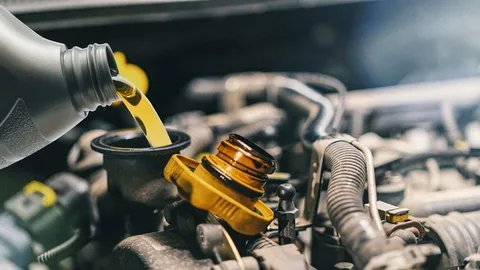
Best Oil for Used Car Engines Maintenance
Let’s keep this real. Best Oil for Used Car Engines Maintenance
If you’re searching Best Oil for Used Car Engines Maintenance, you’re probably trying to do one thing—keep your engine alive as long as possible without spending more than you should.
Maybe your engine already has some miles on it. Maybe you just bought a used engine. Either way, oil matters more than most people think.
Not in a complicated way. Just in a practical, everyday sense.
Why oil matters more in used engines
A brand-new engine is forgiving.
A used engine isn’t.
Once an engine has mileage on it:
- Parts aren’t as tight as before
- Wear starts to show
- Heat affects performance more
That’s why choosing the Best Oil for Used Car Engines Maintenance actually makes a difference.
You’re not just maintaining—you’re protecting what’s left.
What oil really does (simple explanation)
Forget the technical terms for a second.
Oil does three main things:
- Keeps parts moving smoothly
- Reduces heat
- Prevents damage
If the oil isn’t doing its job, everything else starts to fail.
Not all oil works the same
This is where people make mistakes.
They assume oil is just oil.
It’s not.
Different engines need different types, especially when they’re used.
Types of engine oil
Let’s break it down simply.
Conventional oil
Basic option.
- Cheaper
- Works fine for older engines
- Needs more frequent changes
Synthetic oil
More refined.
- Better protection
- Handles heat better
- Lasts longer
High-mileage oil
This is where it gets interesting.
Designed specifically for engines with wear.
- Helps reduce leaks
- Protects worn parts
- Extends engine life
If your engine has mileage, this is often the better choice.
Choosing the right oil for your engine
If you’re serious about Best Oil for Used Car Engines Maintenance, don’t guess.
Check:
- Manufacturer recommendations
- Engine condition
- Mileage
Using the wrong oil won’t destroy your engine overnight—but over time, it adds up.
Oil viscosity — what it actually means
You’ve probably seen numbers like:
- 5W-30
- 10W-40
Here’s the simple version:
- First number → how oil flows when cold
- Second number → how it performs when hot
Used engines sometimes benefit from slightly thicker oil because of wear.
Signs you’re using the wrong oil
This shows up quickly.
- Engine noise increases
- Oil burns faster
- Leaks appear
- Performance drops
If you notice these, something isn’t right.
How often should you change oil?
This depends on the engine, but generally:
- Every 3,000 to 5,000 miles (used engines)
- More often if the engine has issues
Skipping oil changes is one of the fastest ways to damage an engine.
What happens if you ignore oil maintenance
Let’s be honest.
If you ignore oil:
- Friction increases
- Parts wear faster
- Heat builds up
- Damage becomes permanent
That’s when people move from maintenance to replacement.
When maintenance is not enough
There’s a point where oil won’t fix the problem anymore.
If your engine:
- Keeps overheating
- Burns oil constantly
- Loses power
- Makes knocking sounds
Then you’re not dealing with maintenance—you’re dealing with failure.
That’s when people start thinking about replacement.
Why people choose used engine replacement
At that point, many people switch to a used engine.
Because:
- It costs less than a new engine
- It’s faster than rebuilding
- It gets the car back on the road
That’s where we come in.
What a used engine actually is
A used engine isn’t necessarily worn out.
Most come from:
- Accident vehicles
- Cars with body damage
- Units removed while still running
So you can still get a solid engine.
What “tested” should mean
This matters.
A proper engine should be checked before sale.
Basic checks include:
- Compression
- Leaks
- Overall condition
If this isn’t clear, don’t move forward.
Typical specifications you should expect
When buying a used engine, you should get:
- Engine type (V6, V8, etc.)
- Displacement
- Fuel type
- Mileage
- Condition
Simple, clear information.
Buying process (simple)
Here’s how it works:
- Confirm your engine type
- Check compatibility
- Get full details
- Make payment
- Shipping is arranged
That’s it.
Buying worldwide
You’re not limited to your local area.
You can find the engine you need and have it shipped.
As long as everything is handled properly, it’s straightforward.
Shipping
Engines need proper handling.
- Secured on pallets
- Protected during transport
- Delivered safely
If this isn’t explained clearly, ask.
What we do
We keep things simple.
If you’re focused on Best Oil for Used Car Engines Maintenance, we also help when maintenance isn’t enough.
We offer:
- Tested engines
- Clear mileage
- Accurate details
- Fair pricing
- Proper shipping
No confusion.
Common mistakes people make
This happens all the time:
- Using the wrong oil
- Skipping oil changes
- Ignoring early signs of damage
- Buying engines without checking details
A little attention early saves a lot later.
Maintenance tips that actually work
Keep it simple:
- Change oil regularly
- Use the right type
- Check oil levels
- Don’t ignore leaks
You don’t need complicated routines—just consistency.
Final thoughts
If you’re searching Best Oil for Used Car Engines Maintenance, you’re already doing the right thing.
Because maintenance is always cheaper than replacement.
But be realistic too.
When the engine is done, it’s done.
At that point, replacing it with a tested used engine is often the better move.
FAQ
What is the best oil for used engines?
High-mileage oil is usually the best option.
Can I use synthetic oil in a used engine?
Yes, if compatible with your engine.
How often should I change oil?
Every 3,000–5,000 miles for used engines.
Does oil type really matter?
Yes, especially for older engines.
What happens if I use the wrong oil?
Increased wear and reduced performance.
When should I replace my engine?
When maintenance no longer solves the problem.
Are used engines reliable?
Yes, if tested and in good condition.
Can engines be shipped worldwide?
Yes.
How do I choose the right engine?
Use your VIN and confirm compatibility.
How do I order?
Contact us, confirm details, and proceed.
If something isn’t clear, ask before making a decision. It’s always better than dealing with problems later.
Cheap Engines for Sale Near Me (Online Options)
Ford V10 engine for sale: pros and cons
How to inspect a used Ford engine before buying
Top 5 Signs Your Mercedes-Benz M273 Engine Needs Replacement
Rebuilt vs. Used Mercedes-Benz M273 Engine: Which One Should You Buy?
Posts Widget




Best Auto Motors
USA HERALD MAGAZINE INC
Buy the best quality engines from our website online and get a fast delivery within 6 days.
Copyright 2022.KlbTheme . All rights reserved