


Used Engines for Jeep Wrangler: Specs by Generation and What to Know Before You Buy
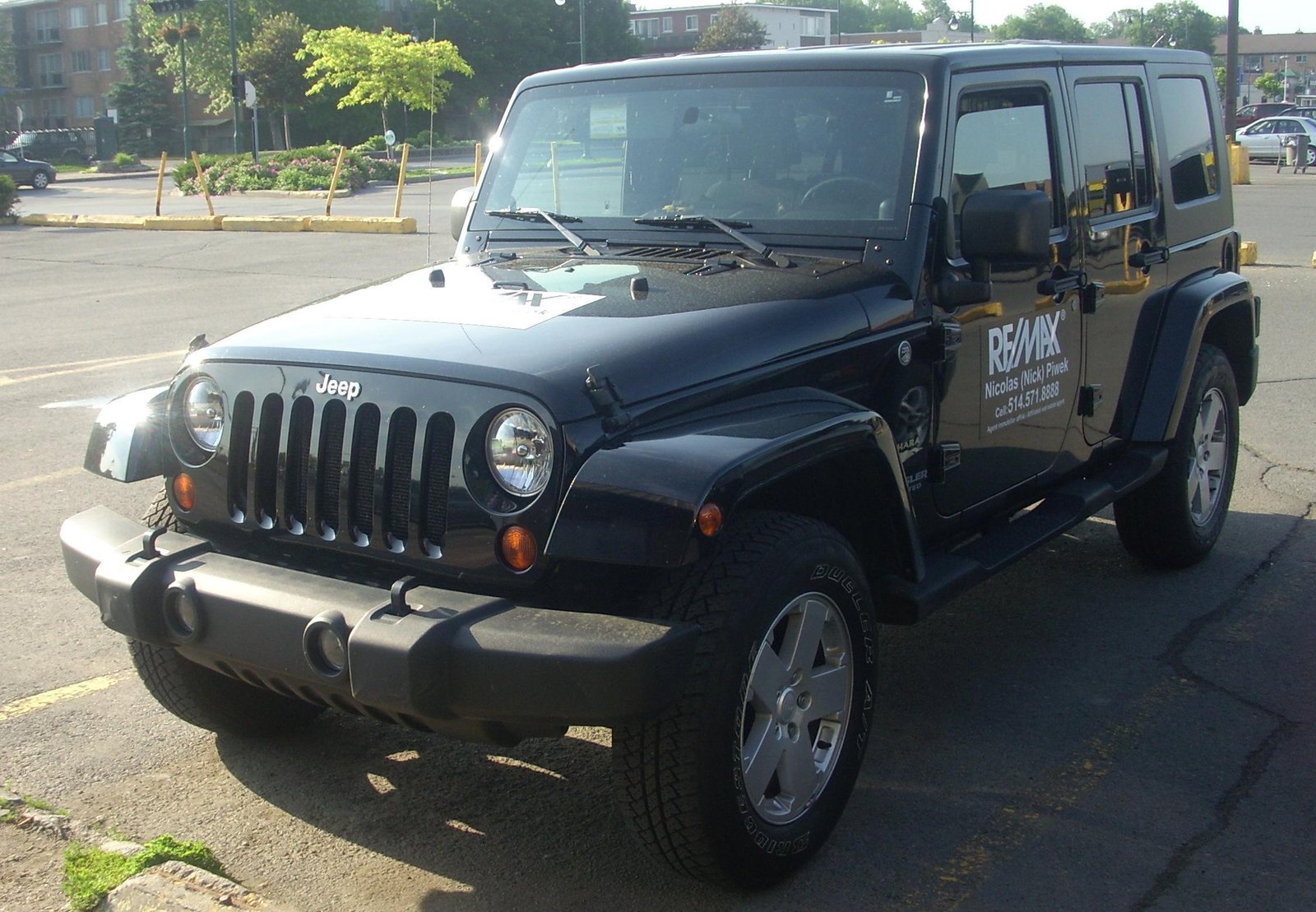
Every Jeep Wrangler owner eventually has this conversation with themselves: fix it, rebuild it, or replace it. If you’ve got a rod knock, a blown head gasket, or a Jeep that just won’t hold compression anymore, you’re probably here because you searched used engines for Jeep Wrangler and want a straight answer about what’s actually available and what it’s going to cost you. Good news — you’re in the right place. We pull, test, and sell used Wrangler engines across nearly every generation, from the old inline-sixes to the newer turbocharged four-cylinder in the JL.
Wranglers get driven hard. That’s the whole point of the vehicle. Rock crawling, mud, water crossings, overheating on the trail — all of it takes a toll that a Camry never sees. So when a Wrangler engine finally gives up, owners usually aren’t looking for a soft, babied replacement. They want something proven, and that’s exactly the market we built our inventory around.
Matching the Right Used Engine to Your Wrangler Generation
The Wrangler has run through several very different engine families since the YJ days, and mixing them up is an easy mistake if you’re just going off the “3.6L” or “4.0L” badge without checking the actual engine code. Here’s the breakdown by generation:
| Generation | Years | Engine | Displacement | Horsepower | Torque |
|---|---|---|---|---|---|
| YJ / TJ | 1991–2002 | AMC 4.0L I6 | 4.0L | 181–190 hp | 222–235 lb-ft |
| TJ | 1997–2002 | 2.5L I4 | 2.5L | 120 hp | 140 lb-ft |
| TJ (LJ/Rubicon late years) | 2003–2006 | PowerTech I6 | 4.0L | 190 hp | 235 lb-ft |
| JK | 2007–2011 | EGH V6 | 3.8L | 202 hp | 237 lb-ft |
| JK | 2012–2018 | Pentastar V6 | 3.6L | 285 hp | 260 lb-ft |
| JL | 2018–present | Pentastar V6 | 3.6L | 285 hp | 260 lb-ft |
| JL | 2021–present | Turbo Hurricane I4 | 2.0L | 270 hp | 295 lb-ft |
| JL (EcoDiesel) | 2020–present | EcoDiesel V6 | 3.0L | 260 hp | 442 lb-ft |
| JL (392/Rubicon X) | 2021–present | HEMI V8 | 6.4L | 470 hp | 470 lb-ft |
If you’re not sure which one is under your hood, check your build sheet or give us your VIN. The 3.6L Pentastar has been the most common engine in Wranglers for over a decade now, so it’s also the one we see the most demand for, but we regularly source all of the above.
Why Buy Used Instead of New
A new Pentastar crate engine from a Jeep dealer runs well into five figures once you add labor, and that’s assuming it’s even in stock — Mopar crate engines have had backorder issues for years now. A used engine pulled from a low-mileage donor Wrangler, or from a Chrysler/Dodge/Ram vehicle sharing the same engine family, gets you factory parts at a fraction of the price and usually a much faster turnaround than waiting on a dealer order.
The Pentastar V6 in particular is shared across an enormous range of Chrysler group vehicles — Grand Cherokee, Charger, 300, Pacifica, and more — which means there’s a deep pool of donor engines out there. That supply keeps used engines for Jeep Wrangler owners more affordable and easier to find than you might expect, even for a vehicle as popular as the Wrangler.
What Gets Checked Before We List an Engine
- Compression and leak-down testing across all cylinders to catch worn rings or valve issues before they become your problem.
- Timing chain and tensioner inspection. The early 3.6L Pentastar had some documented tensioner issues in its first couple of production years — we check for this specifically on those units.
- Oil pan removal and internal inspection for sludge buildup, metal contamination, or signs of prior overheating.
- Coolant passage check. Given how many Wranglers see water crossings and off-road abuse, we look closely for signs of hydro-locking or head gasket compromise.
- Mileage documentation pulled directly from the donor vehicle and verified against available records.
An engine doesn’t get listed as one of our used engines for Jeep Wrangler applications unless it passes every one of these checks. If something looks questionable, it gets pulled from sale, no exceptions.
Common Reasons Wrangler Engines Fail
Overheating from off-road use. Low-speed crawling in hot weather with a small factory radiator isn’t a great combination. Overheating events are one of the leading causes of head gasket failure on both the old inline-six and the newer Pentastar.
Water intrusion. Wranglers are built to ford water, but not endlessly, and not deep enough to reach the intake. Hydrolock from an ambitious water crossing bends rods and cracks pistons — an expensive mistake that usually means a full engine replacement rather than a repair.
Rocker arm and lifter failure on early Pentastar engines. 2012–2013 model year 3.6L engines had a documented rocker arm issue that Chrysler addressed with a revised part, but plenty of early units out there are still running the original design and eventually fail.
High-mileage wear from daily driving plus trail use. A Wrangler that’s both a daily commuter and a weekend trail rig gets double the wear cycle of a normal vehicle. Owners often reach 150,000-plus miles and decide a full engine swap makes more sense than another round of patch repairs.
Popular Swap and Upgrade Options
Not every Wrangler owner wants to put the exact same engine back in. A lot of our customers use an engine failure as an opportunity to go bigger. We carry a few engines that Wrangler builders specifically request for upgrade swaps:
- The Cummins 4BT diesel is one of the most requested swap engines in the off-road community — compact, torquey, and famously simple to keep running in the middle of nowhere.
- The 6.4L HEMI V8, the same engine Jeep uses in the factory 392 Rubicon, is a common choice for owners chasing serious power without going custom.
- For the truly ambitious builds, we occasionally stock the supercharged Hellcat engine, which shows up in high-horsepower Wrangler project builds more often than you’d guess.
These aren’t bolt-in, plug-and-play swaps — you’ll need mounts, wiring, and usually a transmission adapter — but they’re proven combinations with a lot of build documentation already out there in the Jeep community if you go looking.
What’s Included With Your Engine
Standard used engines for Jeep Wrangler orders typically include the complete long block, intake and exhaust manifolds, timing components, and accessory brackets. Wiring harnesses and engine control modules are handled separately in most cases since Wrangler trims vary widely in what sensors and emissions equipment they carry — reusing your Jeep’s original harness where possible keeps things simpler and avoids compatibility headaches with your existing PCM.
Installation Notes
Pentastar swaps on the JK and JL are well documented, and most independent Jeep shops can handle the job in a day or two. If you’re swapping in a different engine family entirely — like the Cummins 4BT or a HEMI V8 — budget significantly more time and expect to need custom motor mounts, a different transmission or adapter plate, and likely a modified exhaust and driveline setup. This is shop work, not a weekend driveway project, unless you’ve done it before.
Warranty and Worldwide Shipping
Every engine ships with a warranty against internal mechanical failure. We crate and ship used engines for Jeep Wrangler customers across the globe — North America, Europe, Australia, and everywhere in between — and we handle export paperwork on our end so you’re not stuck figuring out commercial invoices and freight classifications on your own. Delivery timelines vary by destination, but we’ll give you a realistic window before you commit to an order, not an optimistic guess designed to get you to check out.
Pricing
Pricing depends on the engine family, mileage, and current demand. The 3.6L Pentastar tends to be the most consistently available and reasonably priced option given how many vehicles share the platform. Older 4.0L inline-six engines from YJ and TJ Wranglers are getting harder to find in good condition simply because fewer donor vehicles are left, so expect prices on those to trend upward over time. V8 and diesel swap engines carry a premium reflecting both their rarity in this application and the demand from the build community. Message us with your Wrangler’s year and engine code and we’ll get you real numbers.
New vs. Rebuilt vs. Used: What Actually Makes Sense
We get asked constantly whether a rebuild is the smarter move instead of buying used. Sometimes it is — if the block and heads are solid and you’re only dealing with a gasket or a water pump failure, rebuilding what you already have can be the cheaper path. But if you’re looking at a spun bearing, a cracked block from freezing or overheating, or a hydrolocked cylinder from a water crossing gone wrong, a rebuild starts costing nearly as much as a full replacement while taking a lot longer to complete.
| Option | Typical Cost (parts only) | Turnaround | Notes |
|---|---|---|---|
| New crate engine (dealer) | $7,500 – $13,000+ | Weeks, often backordered | Full warranty, highest price |
| Professional rebuild | $4,000 – $7,000 | 2–4 weeks | Quality depends heavily on the shop |
| Used engine (tested) | $1,500 – $5,500 | Ships in days | Price varies by engine family and mileage |
What actually matters is cost per remaining mile of service, not the number on the invoice. A tested used Pentastar pulled at 60,000 miles with a mechanical warranty behind it is usually a better value than paying rebuild labor rates on a tired block that’s already seen 140,000 miles of wear in places a rebuild doesn’t touch.
Getting Your Jeep Ready for the Swap
- Confirm your engine code before ordering — don’t rely on displacement alone, since both the 3.6L and 3.8L show up as “V6” on a lot of listings elsewhere.
- Flush the cooling system before installing the replacement, especially if the failure was heat-related. Old contaminated coolant can undo a good used engine fast.
- Inspect and replace worn accessories — motor mounts, belts, and the water pump are cheap to do now versus pulling everything apart again in six months.
- Do a break-in oil change shortly after the swap, even if the engine shipped with fresh oil in it.
- Clear codes and let the PCM relearn idle and fuel trims once everything is buttoned back up.
This is especially important on Wranglers that see regular trail use — an engine that gets abused again right out of the gate with no break-in period or fluid service is far more likely to develop an early problem, and that has nothing to do with the quality of the engine itself.
Frequently Asked Questions
How do I know if my Wrangler has the 3.6L or 3.8L V6?
The 3.8L EGH was used from 2007 to 2011 on the JK; the 3.6L Pentastar replaced it starting with the 2012 model year. Checking your build date or VIN is the most reliable way to confirm, since the two are not interchangeable without also swapping the engine mounts and computer.
Can I put a 6.4L HEMI in a standard Wrangler that didn’t come with one from the factory?
Yes, this is a well-documented swap in the Jeep community, but it requires more than just dropping the engine in — expect to need mounts, a compatible transmission, and driveline work. It’s not a bolt-in job on a non-392 Wrangler.
Do you sell just the long block or a complete engine?
Most of our listings are complete long blocks with manifolds and timing components attached. Accessories like the alternator, starter, and A/C compressor availability varies by listing — ask us what’s included before you order if that matters for your build.
What’s the typical mileage on your Wrangler engines?
It varies, but we try to keep inventory under 100,000 miles where possible, and every listing states actual pulled mileage rather than an estimate.
Do you ship Wrangler engines outside the United States?
Yes, we ship used engines for Jeep Wrangler owners worldwide and handle the export documentation on our side of the transaction.
Will a used engine hurt resale value on my Wrangler?
Not usually, especially if you keep documentation of the swap, the warranty, and the mileage of the replacement engine. Most buyers care more about how the vehicle runs and whether the work was done properly than whether the engine is the original numbers-matching unit — and honestly, plenty of trail-driven Wranglers are on their second or third engine anyway.
Can I get a used engine that already has fewer miles than my original one had before it failed?
That’s the goal for most of our customers, and it’s usually achievable. Tell us your current mileage and we’ll try to match or beat it with what’s available in inventory.
Why Wrangler Owners Keep Coming Back to Us
We’re not trying to be the cheapest listing you find in a five-minute search. We’re trying to be the one that doesn’t leave you stranded three weeks after installation. Every engine gets the same inspection process regardless of whether it’s a basic 2.5L four-cylinder out of an old TJ or a supercharged Hellcat somebody’s building into a monster rig. If it doesn’t pass, it doesn’t ship. That’s the whole business model.
For more detail on how the Wrangler’s engine lineup has evolved across generations, the Jeep Wrangler Wikipedia entry is a useful reference, though it won’t tell you what’s compatible with your specific build — that’s what we’re here for.
You can also browse our full engine inventory or check our current Lexus RX350 engine listings if you’re shopping for more than one vehicle. Send us your VIN and we’ll tell you exactly what fits, what it costs, and when it can ship.
Posts Widget




Best Auto Motors
USA HERALD MAGAZINE INC
Buy the best quality engines from our website online and get a fast delivery within 6 days.
Copyright 2022.KlbTheme . All rights reserved
