


Used Engines for Mercedes C Class: M274, OM651, M177 Guide
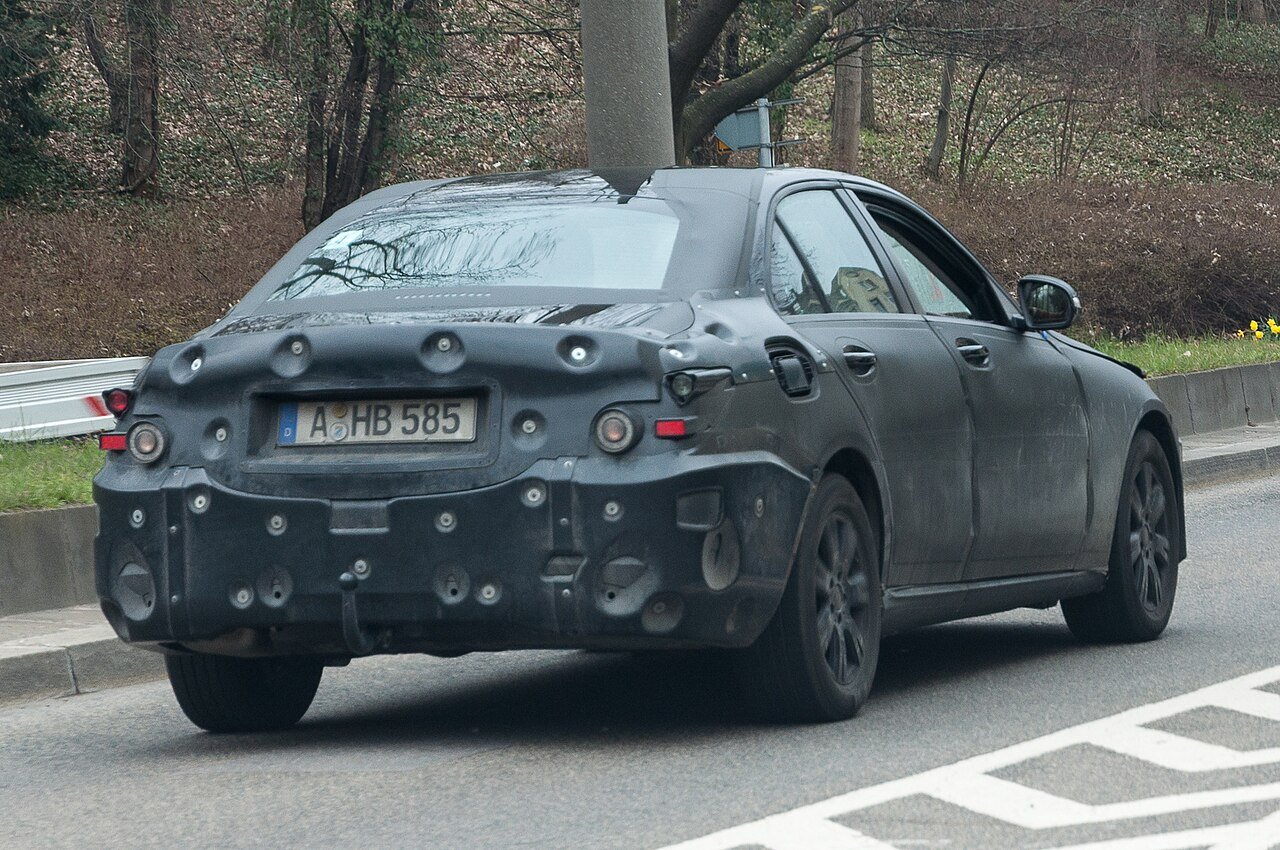
A timing chain gone bad on an M274 or a worn-out injector on an OM651 diesel can turn into a bill that makes you question the whole ownership experience, which is exactly why so many owners start searching for used engines for Mercedes C Class models instead of paying dealer rates for a factory replacement. This guide walks through the C-Class engine lineup across the W204, W205, and W206 generations, what tends to go wrong, and how to buy a used engine that won’t turn into a second problem.
Mercedes builds genuinely refined engines, but refinement and simplicity aren’t the same thing. These are turbocharged, direct-injected powerplants with a lot of supporting electronics, and when something fails, dealer repair costs reflect that complexity. A tested used engine sourced from the right donor car gets you back to driving without absorbing that markup.
Which Engine Is In Your C-Class
Mercedes ran a wide spread of four-cylinder and V6 engines across the C-Class lineup, split between gasoline and CDI diesel variants depending on market. Getting the right code matters since the M270 and M274 look similar on the outside but are calibrated differently depending on transverse or longitudinal mounting.
| Generation / Years | Engine Code | Displacement | Horsepower | Notes |
|---|---|---|---|---|
| W204 (2008–2014) C180/C200 | M271 | 1.8L Turbo I4 | 156–204 hp | Predecessor to M274 |
| W204 (2012–2014) C250 | M274 DE20 | 2.0L Turbo I4 | 201–211 hp | Replaced M271 late in W204 run |
| W204 (2008–2014) C220 CDI | OM651 | 2.1L Turbo Diesel I4 | 168–204 hp | Common diesel, injector wear points |
| W204 (2010–2014) C300/C350 | OM642 | 3.0L V6 Diesel | 204–231 hp | Reliable touring diesel |
| W205 (2015–2021) C300 | M274 DE20 | 2.0L Turbo I4 | 241 hp | Single-turbo, direct injection |
| W205 (2015–2018) C400/C450 | M276 | 3.0L Twin-Turbo V6 | 329–362 hp | Discontinued mid W205 run |
| W205 (2015–2021) C63/C63S AMG | M177 | 4.0L Twin-Turbo V8 | 469–510 hp | Hot-vee turbo layout |
| W206 (2022–present) C300 | M254 | 2.0L Turbo I4 Mild-Hybrid | 255 hp | 48V mild hybrid assist |
Confirm your engine code from the data plate under the hood or via VIN decode before ordering. The M270 and M274 codes especially get confused since they’re closely related — M270 is the transverse (front-wheel-drive platform) version, while M274 is the longitudinal version used in the rear-wheel-drive C-Class.
Why C-Class Engines Actually Fail
The M271, used in earlier W204 models, has a well-known timing chain tensioner weakness that can lead to chain stretch and, if left unaddressed, valve timing problems severe enough to cause internal damage. It’s one of the more common reasons early C-Class four-cylinders end up needing a replacement engine rather than a repair.
The M274 that replaced it improved on several fronts but introduced its own timing chain concerns on early production units, along with occasional carbon buildup on the intake valves from direct injection — a slow power loss that a lot of owners don’t notice until it’s fairly advanced. On the diesel side, the OM651 is generally a strong, high-mileage engine, but the PIEZO injection system had documented injector problems on certain production years, and the OM642 V6 diesel has held up as one of the more dependable touring engines Mercedes has built.
The M276 and M177 V6/V8 units in higher trims are strong performers but come with the complexity (and repair cost) you’d expect from a twin-turbo, direct-injection performance engine. Across the whole C-Class lineup, the most common reason for full engine replacement remains the same as any make: extended oil change neglect leading to rod bearing wear, or a cooling system failure that let the engine run hot long enough to cause head or block damage.
What Makes Used Engines for Mercedes C Class Models Worth Buying
Every C-Class engine we bring in gets a full compression test across all cylinders before it’s listed, along with a specific check of the timing chain tensioner condition on M271 and early M274 units, since that’s the failure point most likely to bite a new owner within the first year of ownership. We also check for signs of the carbon buildup that affects direct-injection engines and, on diesel units, inspect injector condition and look for documented service history on the high-pressure fuel system.
Documented maintenance history carries real weight with Mercedes engines, more so than raw mileage. An M274 with 90,000 documented miles and consistent service intervals is a safer buy than an engine with 50,000 miles and no paperwork, since you have no way to verify how that lower-mileage engine was actually treated.
What We Check Before a C-Class Engine Ships
- Compression test across all cylinders, documented
- Timing chain tensioner condition (M271/early M274)
- Intake valve carbon buildup inspection on direct-injection units
- Injector condition check on OM651/OM642 diesel engines
- Turbocharger shaft play and boost leak inspection
- Visual inspection for cracks, corrosion, or leaks
- Engine code verification against listing and VIN data
Engines that don’t clear these checks get parted out rather than listed as running units. Given how expensive Mercedes labor rates run at a dealership, that upfront testing is what actually protects the value of buying used in the first place.
Installation Notes: Gasoline vs. Diesel, Transverse vs. Longitudinal
A same-code replacement — swapping an M274 for another M274 from a comparable model year — is a clean job for a shop familiar with Mercedes platforms, since the ECU, wiring, and mounts are designed to match. Where it gets complicated is crossing between the M270 (transverse) and M274 (longitudinal) families, or between gasoline and diesel platforms entirely, since the supporting systems — fuel delivery, emissions equipment, engine mounts — are built around fundamentally different layouts.
If you’re not sure whether your C-Class uses the transverse or longitudinal engine mounting, check your VIN or ask us directly before ordering. Getting this wrong means an engine that looks right on paper but won’t physically mount the way your car needs it to.
Signs You Need a Replacement Engine, Not a Repair
Not every warning light means the engine has to come out. A failing ignition coil, a leaking valve cover gasket, or a worn engine mount are all repairable without touching the internals. Where it shifts to replacement territory is when the damage is internal — rod knock, a spun bearing, or a cracked block from prolonged overheating.
Rod knock is the clearest sign. It’s a deep, rhythmic knocking that gets louder under acceleration, and it means a rod bearing has worn through far enough to cause metal-on-metal contact. There’s no repairing your way out of that without a full teardown, and by the time a shop has opened the engine, diagnosed the damage, and sourced internal parts at Mercedes pricing, you’re often close to the cost of a tested used engine anyway. Other signs pointing toward replacement include a check engine light with persistent misfire or low-compression codes across multiple cylinders, visible metal in the oil, coolant mixing with oil from a blown head gasket that’s progressed past a simple gasket fix, or an engine that won’t hold oil pressure regardless of what gets adjusted.
If a Mercedes specialist has already told you the block or heads are damaged beyond economical repair, that’s your answer. From there, it’s a question of the smartest path back to a running car, and for most C-Class owners that path is a tested used engine rather than a full rebuild or a new long block from the dealer.
The Cost Case for Buying Used on a Mercedes
A new or Mercedes-certified remanufactured long block plus dealer installation labor can run well into five figures depending on your C-Class’s engine family, and that’s before factoring in the diagnostic time Mercedes dealers typically bill for a job this involved. A tested used engine sourced from a comparable donor car gets you the same functional result — a properly running Mercedes — without paying for brand-new machining or Mercedes’ parts markup on OEM components.
There’s also a real compatibility advantage: a used engine pulled from an actual C-Class has already proven it runs correctly with that specific ECU calibration, wiring, and emissions setup. You’re not introducing the unknowns that come with an aftermarket rebuild kit, and if the donor car had documented service history, you’re buying a known quantity rather than a guess.
What Happens After You Place an Order
Once you’ve confirmed the right engine code for your C-Class, we verify the details against your VIN to make sure the unit matches what your car actually needs, then schedule freight. Engines ship on pallets, secured and shrink-wrapped for transit, with intake and turbo openings covered to keep debris and moisture out.
You’ll get tracking information as soon as the engine leaves our warehouse. Domestic orders typically arrive within a week, and international orders take a bit longer due to customs processing, though we handle the freight paperwork so that part isn’t left to you. If anything about the engine doesn’t match what was described on arrival, you’re covered under the warranty terms agreed to before purchase.
Pricing on used C-Class engines depends heavily on engine family. Four-cylinder M270/M274 units are generally the most affordable and most available given how many C-Class and related Mercedes models used them. V6 and V8 performance variants (M276, M177) carry a real premium due to lower supply and stronger demand from performance-focused buyers. Diesel OM651/OM642 units sit in a comparable range to the gasoline four-cylinders depending on your market and mileage. Whatever the specific number, compare it against a Mercedes dealer quote for a factory engine replacement — the gap is usually significant once dealer labor rates and Mercedes parts pricing are factored in.
Where to Buy Used Engines for Mercedes C Class Models
Our Mercedes inventory includes the Mercedes-Benz OM656 engine, a strong option if you’re working with a comparable diesel platform, tested and ready to ship. We regularly bring in additional M270, M274, and OM-series units as donor vehicles come through, so if your exact engine code isn’t currently listed, reach out and we’ll let you know what’s available or how quickly we can source it.
You can also browse our complete used engine inventory for other makes and models while you’re comparing your options.
How Long Should a Well-Maintained C-Class Engine Last
The C-Class has been Mercedes’ core compact executive model since the early 1990s (the full model history is on Wikipedia’s Mercedes-Benz C-Class page), and that long run means there’s a healthy, steady flow of donor vehicles across every generation. A well-maintained M274 or OM642 diesel will typically clear 150,000 to 200,000 miles without major work, with diesel variants often going further given their inherently lower-stress operating characteristics. The engines that fail early are almost always victims of deferred maintenance rather than poor design — skipped timing chain service, ignored carbon buildup, or a cooling system leak that went unaddressed too long. If you want to check what fuel economy your specific engine and model year should be delivering, current figures are available through fueleconomy.gov.
Red Flags When Shopping Used Mercedes Engines Elsewhere
Given how expensive Mercedes parts and labor run, it’s worth being extra cautious about where you buy. Be wary of listings with no mileage disclosed, sellers who can’t answer specific questions about timing chain condition or carbon buildup, or prices well under the going rate for that engine code — that gap usually means something’s being left out of the listing. A legitimate seller should be able to tell you whether the engine was tested and run after removal, not just pulled and shelved without verification.
Diesel Buyers: What’s Different With OM651 and OM642 Engines
If your C-Class is a diesel model, a few extra things are worth checking before you buy a used OM651 or OM642. Diesel engines generally rack up higher mileage before needing replacement, since they run lower RPMs and see less thermal stress per mile than gasoline turbo engines, but the trade-off is that diesel-specific components — injectors, the high-pressure fuel pump, EGR system — carry their own wear patterns and repair costs. Ask specifically whether the donor engine’s injectors have been tested or replaced, since injector wear is one of the more common reasons an otherwise healthy diesel engine gets pulled from a donor car.
Also confirm emissions equipment compatibility if you’re in a market with strict diesel emissions requirements — swapping in an engine originally built for a different regional emissions standard can create registration headaches down the line. We can tell you the market and emissions spec of any diesel engine we have in stock, so ask before you commit if this matters for your situation.
Frequently Asked Questions
How many miles should a used C-Class engine have?
We generally recommend staying under 110,000 miles unless there’s strong documented service history, particularly for timing chain and carbon buildup maintenance on the M271/M274 gasoline engines. Diesel OM-series units can reasonably go higher given their typically lower-stress duty cycle.
Do used Mercedes engines come with a warranty?
Yes. Every engine we sell is compression tested and backed by a warranty period. Given Mercedes’ parts and labor costs, we think warranty coverage matters more here than on a lot of mainstream makes.
Can I swap a gasoline engine for a diesel, or vice versa?
Technically possible but a significant project — you’re changing fuel delivery systems, emissions equipment, ECU calibration, and in many cases the transmission gearing that was matched to the original engine’s torque curve. Most owners are better off staying within the same fuel type unless they’re planning a dedicated conversion project.
Is a used engine risky on a C63 AMG?
Performance V8 engines like the M177 carry more inherent complexity and cost than the standard four-cylinder lineup, so ask specifically about turbo condition, boost leak testing, and any tuning history before buying. A properly tested M177 is a reasonable purchase; an undocumented one is a bigger gamble given how expensive these engines are to diagnose and repair.
Do you ship Mercedes engines internationally?
Yes, we ship worldwide. Shipping cost and delivery timeline depend on your destination, so reach out with your location and we’ll provide an accurate freight quote before you order.
What’s the difference between a used engine and a Mercedes-certified remanufactured one?
A used engine is pulled from a donor vehicle and tested as-is. A remanufactured engine has worn components replaced before sale, which costs more but comes with fresher internals throughout. Given Mercedes’ parts pricing, the cost gap between the two options tends to be larger than on mainstream makes, so weigh your budget against how long you’re planning to keep the car.
Will a used engine trigger warning lights after installation?
It shouldn’t, provided the engine is correctly matched to your C-Class’s model year and the installation includes properly reconnecting all sensors and completing any ECU adaptation the car requires. If a light does appear after install, it’s usually a sensor or connector issue rather than a problem with the engine itself.
How do I know if my C-Class’s issue is covered under a Mercedes recall instead?
Mercedes has issued recalls and service campaigns covering specific components on certain C-Class model years, so it’s worth checking your VIN against Mercedes’ recall lookup before spending on a replacement engine. If your specific issue isn’t recall-related, a tested used engine remains the most practical path forward.
If you’re ready to move forward, take a look at our current stock of used engines for Mercedes C Class models, or reach out with your engine code and VIN and we’ll confirm availability or sourcing timelines.
Posts Widget




Best Auto Motors
USA HERALD MAGAZINE INC
Buy the best quality engines from our website online and get a fast delivery within 6 days.
Copyright 2022.KlbTheme . All rights reserved
