


Affordable Replacement Motors: Tested Engines That Won’t Break the Budget
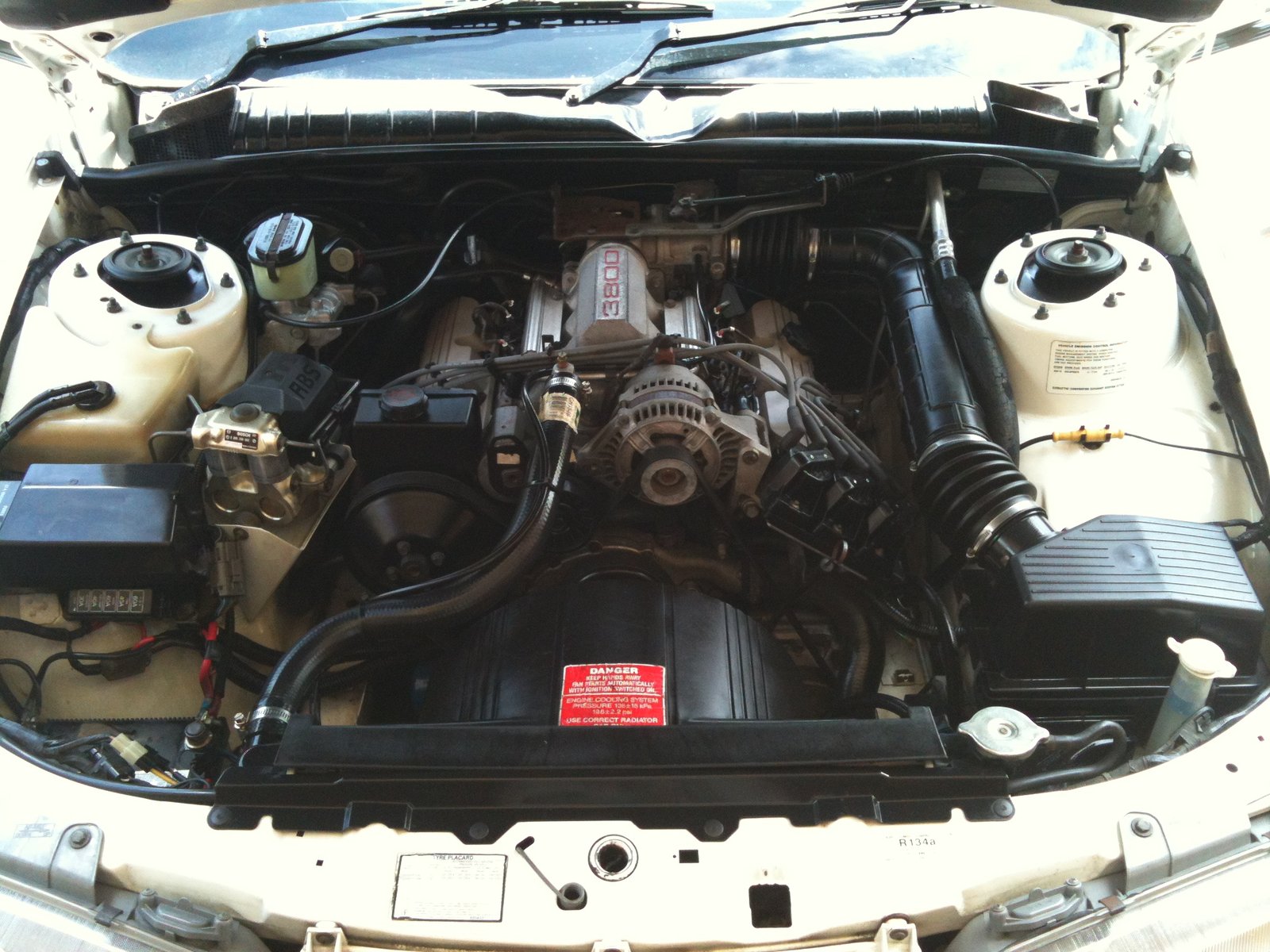
When a mechanic tells you the engine’s done, the first number that matters isn’t the repair estimate — it’s what a replacement actually costs. That’s where affordable replacement motors come in, and it’s worth being upfront about what “affordable” actually means here: not the cheapest thing you can find, but a tested engine priced fairly for its condition, without the markup a dealer or a slow-moving shop tacks on for convenience.
We sell affordable replacement motors across most common makes and models, sourced from donor vehicles, tested before listing, and priced to reflect actual condition rather than what the market will bear. Nobody wants to overpay for a used part, and nobody wants to gamble on a cheap one that fails in three months. Our whole catalog is built around avoiding both of those outcomes.
What “affordable” should actually mean
Cheap and affordable aren’t the same thing, even though the words get used interchangeably. Cheap usually means the price is low because something’s being cut — no testing, no disclosed mileage, no warranty. Affordable means the price is low because the business model supports it: efficient sourcing, in-house testing instead of paying a third party, and a catalog large enough that turnover keeps costs down. Affordable replacement motors done right should never mean an engine nobody bothered to check before selling.
We’d rather lose a sale to a buyer chasing the absolute lowest number on the internet than sell someone an untested engine and have it fail on install day. That’s not charity — it’s just bad business to build a reputation on units that don’t hold up.
Current pricing on popular applications
| Engine | Type | Approx. Price (USD) | Common Applications |
|---|---|---|---|
| Toyota A25A-FKS | Inline-4, 2.5L | $1,400 | Camry, RAV4 |
| Mazda Skyactiv-G 2.0L | Inline-4, gasoline | $1,600 | Mazda3, Mazda6, CX-5 |
| BMW N20B20 | Inline-4 turbo, 2.0L | $1,800 | 328i, X1, X3 |
| Mitsubishi 6G75 | V6, 3.8L | $1,500 | Outlander, Endeavor |
| Honda R20A | Inline-4, 2.0L | $1,800 | Accord, CR-V |
| BMW N55B30 | Inline-6 turbo | $1,950 | 335i, 535i, X5 |
These are the price points where most of our volume moves, and it’s not an accident that they cluster in a fairly tight range. Affordable replacement motors in this bracket cover the vehicles most commonly on the road, which keeps supply steady and pricing consistent.
Which vehicles this actually applies to
The affordable tier covers the vehicles that make up most of the road — midsize sedans, compact crossovers, and popular pickup platforms with high production numbers and correspondingly high donor vehicle supply. A Camry, a CR-V, a 3 Series, a RAV4 — these are the applications where affordable replacement motors are easiest to find and cheapest to source, simply because so many of them exist on the road and, unfortunately, in salvage yards. Less common vehicles, low-production trims, or engines only offered for a couple of model years are a different story; supply is thinner, and pricing reflects that scarcity regardless of how much you’d like it to be affordable. If you’re not sure where your vehicle falls, send us the year, make, model, and engine code and we’ll tell you honestly what the market looks like for that specific application rather than quoting a generic number.
Why used costs less than new, and by how much
A new crate engine from a dealer or OEM supplier factors in fresh machining, new components throughout, and full warranty coverage — and prices it accordingly, often three to eight times what a tested used unit costs for the same application. A used engine skips that manufacturing cost entirely; you’re paying for a part that already exists and has been verified to work, not one built from scratch. That’s the entire reason affordable replacement motors can exist as a category at all. The tradeoff is warranty length and, in some cases, remaining service life — which is exactly why testing and honest grading matter so much before you buy.
How we keep prices down without cutting corners
A few structural things keep our pricing lower than a typical dealer quote or a slow specialty shop. We buy donor vehicles and salvage lots directly rather than going through multiple layers of brokers, which cuts markup at every step. We test in-house instead of outsourcing inspection, which saves money we pass along rather than pocket. And we carry enough volume that individual listings don’t need to be priced to cover months of overhead each — a fast-moving catalog can afford tighter margins per unit than a shop that sells three engines a month.
None of that means cutting corners on the actual engine. Compression testing, leak-down testing, and visual inspection happen on every unit regardless of price point, because an untested engine isn’t actually affordable if it fails a month after install — it’s just an expensive mistake with a low sticker price.
What affects the price of a specific engine
Mileage is the single biggest factor — lower documented mileage means a higher price, all else equal. Condition grade matters too; our A, B, and C tiers reflect real differences in wear and remaining service life, not just marketing labels. Rarity plays a role, since a common engine pulled from hundreds of donor vehicles a year costs less than one that’s harder to source. And completeness matters — a bare block costs less than a complete engine with the wiring harness, ECU, and accessories still attached, since those parts have value of their own. Every listing spells out exactly what’s included so the price makes sense at a glance rather than requiring a phone call to decode.
Installation costs to plan around
The engine price is only part of the total cost of an engine replacement, and it’s worth budgeting for labor separately since it varies a lot by shop and vehicle. A straightforward transverse four-cylinder swap might run a few hours of labor at most independent shops; a longitudinal engine with more components to disconnect, or a vehicle where the engine bay is tight, can run considerably longer. Ask for a labor-only quote separate from parts before committing, so you know the real total rather than being surprised when the invoice arrives. Buying affordable replacement motors only pays off if you’ve also got a realistic number for what it costs to actually put the engine in.
New parts worth budgeting for alongside the engine
A used engine swap usually isn’t just unbolt-old, bolt-new. Most installs benefit from a fresh timing belt or chain kit if it wasn’t recently replaced, new engine mounts if the old ones are worn, a new water pump while everything’s already apart, and fresh gaskets and seals at any connection point that gets disturbed during the swap. None of this is required to get the car running, but skipping it on a job that’s already partially torn down often costs more in a second round of labor down the line than it would have cost to do it once. Ask your installer what they recommend replacing alongside the motor, and factor that into your total budget before you commit to affordable replacement motors as your repair path.
When a cheap motor isn’t actually the affordable choice
There’s a real failure mode where a buyer chases the single lowest price on the internet, gets an untested engine from a seller who won’t answer basic questions, and ends up paying for labor twice when it fails shortly after install. That’s not an affordable outcome no matter how low the sticker price was. A genuinely affordable engine is one that’s priced fairly for tested, disclosed condition — cheap and untested is a different thing entirely, and it usually costs more in the end. If you want a deeper look at how discount pricing can go wrong, we’ve covered it directly in our piece on where real engine discounts come from.
Warranty on lower-cost engines
Every engine we sell, regardless of price tier, ships with a written warranty — typically 30 to 90 days depending on condition grade — covering internal mechanical failure unrelated to installation. Lower-priced Grade C units still get the same testing standard before listing as anything else in the catalog; the lower price reflects higher mileage, not skipped inspection. That’s an important distinction, because some sellers use “affordable” as cover for skipping quality control altogether, and we don’t.
Shipping affordable replacement motors worldwide
We ship domestically by freight and internationally by ocean container, and freight cost gets quoted per order based on destination and engine weight rather than folded into a misleadingly low sticker price. That’s a deliberate choice — burying shipping in the listing price makes an engine look more affordable than it actually is once the real total lands in your inbox. We’d rather show the honest number up front, even if it means our listed prices look slightly higher next to a competitor who’s hiding the freight cost until checkout.
Deciding between replacing the engine and trading in the vehicle
Not every vehicle is a good candidate for affordable replacement motors, even when the price makes sense on paper. The math generally favors replacement when the rest of the vehicle — suspension, transmission, interior, body — is in good shape and the total repair cost is meaningfully less than what a comparable replacement vehicle would cost. It tends to favor trading in or parting out when the vehicle has multiple other issues stacking up, or when the model has a history of other expensive failures that are likely to show up next regardless of what you do with the engine. A rough rule some shops use: if the total cost of the engine swap is under half of what the vehicle is worth in good running condition, replacement usually makes sense. Above that, it’s worth pricing out alternatives before committing.
This isn’t a decision we can make for you sitting on the other side of a listing page, but it’s worth running the numbers honestly before ordering rather than assuming a low engine price automatically makes replacement the right call. Sometimes it is. Sometimes the more affordable long-term move is putting that money toward a different vehicle instead.
Comparing your options before you buy
If you’re weighing affordable replacement motors against other paths — a full rebuild, a new crate engine, or just trading in the vehicle — it helps to run the numbers side by side rather than guessing. Get a written quote for a tested used engine plus installation labor. Get a machine shop estimate for a rebuild, including turnaround time if the vehicle needs to be off the road for it. Get a dealer quote for new, purely as a ceiling reference. In most cases, for a vehicle that’s otherwise in decent shape, a tested used engine ends up the clear value option — but it’s worth confirming that math for your specific situation rather than assuming it. Our notes on car motor replacement decisions and finding real engine deals both go deeper into that comparison.
Buying from outside the country the engine ships from
A good share of buyers looking for affordable replacement motors aren’t shopping locally at all — they’re comparing our pricing against what’s available in their own market and finding the gap wide enough to justify importing. That’s common, and the process is straightforward: we handle testing, export documentation, and a Certificate of Origin on our end, and you or your customs broker handle the import side, including any duties and compliance checks specific to your country. Engine age and emissions restrictions vary a lot by destination, so it’s worth confirming those rules before ordering rather than after the container’s already at sea. Ocean freight adds real time to the process, typically a few weeks depending on the route, so build that into your planning if you’re working against a deadline.
How to evaluate any seller offering affordable replacement motors
Since price is the whole draw of this category, it’s also where buyers get taken advantage of most often. A few checks protect you regardless of who you’re buying from. Ask specifically what testing was performed, not just whether the engine “runs” — a listing that says “ran when pulled” without compression numbers is telling you less than it sounds like. Confirm mileage is documented rather than estimated, and ask how. Get the warranty terms in writing before paying, not after. And get a full landed cost including shipping before you commit, since a shockingly low sticker price that balloons once freight is added isn’t actually a deal. Sellers who answer all of this readily and specifically are the ones worth trusting with your money; sellers who deflect are a red flag no matter how attractive the number on the listing looks.
Frequently asked questions
Are affordable replacement motors always used, or is there a new option?
The bulk of the affordable tier is used and reconditioned engines. A small number of new crate units are available for specific applications, but they’re priced closer to dealer rates and aren’t typically what buyers mean when they’re shopping this category.
How do I know the price I see is the full cost?
The listed price covers the engine itself. Shipping is quoted separately based on your location, and installation labor is a separate cost from whichever shop or mechanic does the swap. Ask for all three numbers before deciding.
Can I get a lower price by buying an engine with higher mileage?
Yes — Grade C units are priced lower specifically because mileage is higher. That’s a reasonable tradeoff if you need a working vehicle now and plan to keep it for a limited time rather than maximizing remaining engine life.
Do affordable replacement motors come with any accessories?
It varies by listing. Some are engine-only, others include the wiring harness, sensors, or turbo. Check the specific listing or ask directly, since this materially affects both price and your total install cost.
The bottom line
Finding real affordable replacement motors means looking past the lowest number on the page and checking what’s actually behind it — testing, disclosed mileage, a real warranty, and honest shipping costs. Get those four things right and the price you pay reflects genuine value, not a gamble dressed up as a bargain. Browse the current catalog, match the engine code to your VIN, and reach out if your specific application isn’t listed — we add new inventory constantly and can often source a match within a few days.
Posts Widget




Best Auto Motors
USA HERALD MAGAZINE INC
Buy the best quality engines from our website online and get a fast delivery within 6 days.
Copyright 2022.KlbTheme . All rights reserved
