


Used Engine Marketplace: Tested, Graded Engines You Can Actually Trust
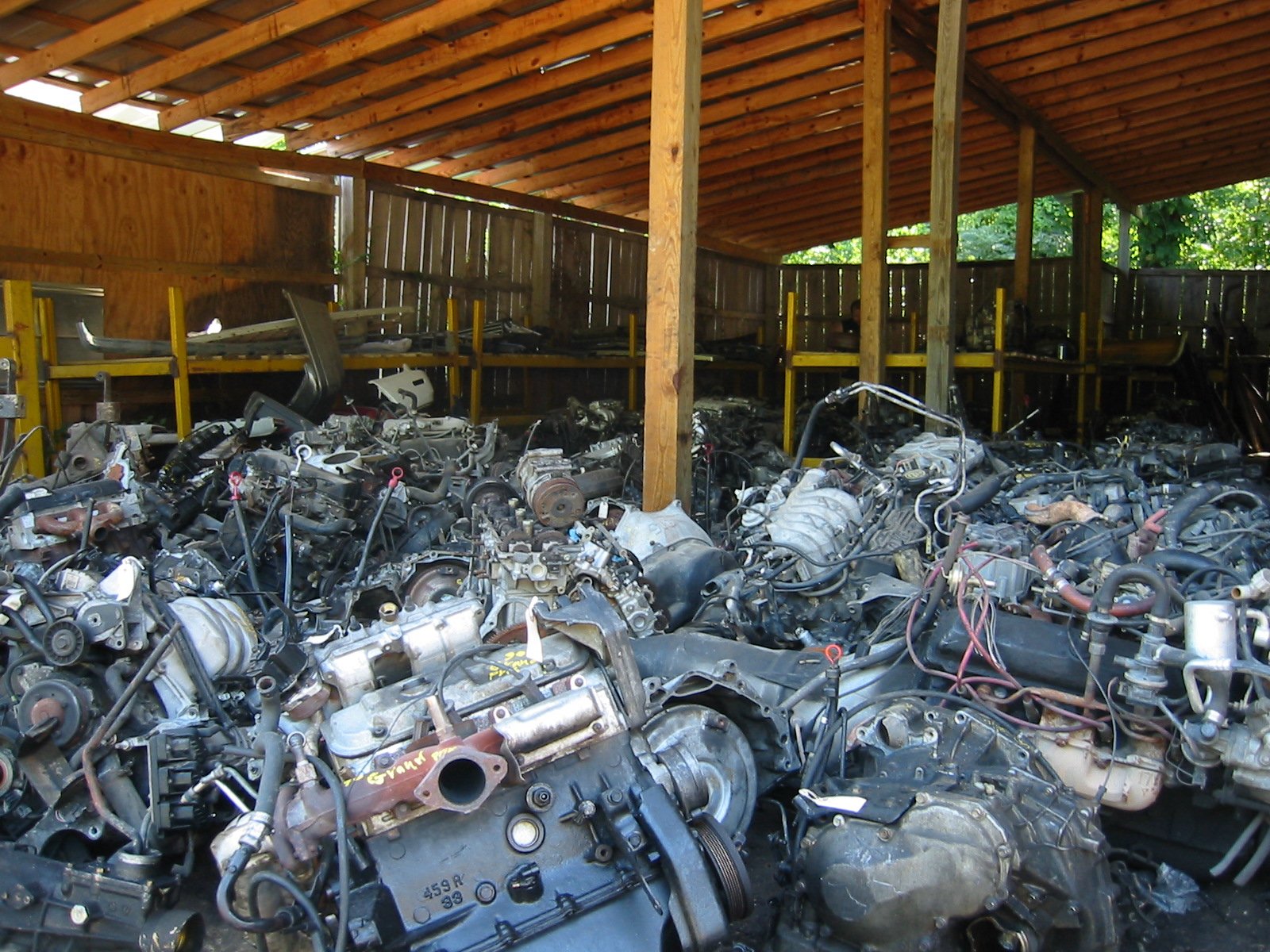
Search “buy a used engine” and you’ll land on a hundred different pages, half of them just aggregating listings from other places without ever touching the actual part. A real used engine marketplace is different — it’s a place where the seller has physically pulled, tested, and graded the engine before it ever shows up in a search result. That difference sounds small until you’ve ordered from the wrong kind of site and gotten a motor that never matched the listing photo.
We run our catalog the second way. Every engine on our used engine marketplace comes from a donor vehicle we’ve torn down ourselves or sourced through a vetted partner yard, and every listing carries real mileage, a real condition grade, and a real price — not a placeholder that changes once you’re on the phone.
What makes a used engine marketplace trustworthy
Three things separate a marketplace worth using from one that’s just a glorified classifieds page. First, inventory has to be real — if a listing shows up, someone should be able to confirm it’s sitting on a shelf right now, not “available in two weeks from a supplier.” Second, testing has to happen before the sale, not after a complaint. Third, pricing has to be transparent, meaning the number you see includes what you’d actually expect it to include, with shipping quoted separately and clearly rather than buried.
We built our operation around those three things because we got tired of watching buyers get burned by sites that skip all of them. A used engine marketplace that can’t answer a direct question about mileage or test results within a day isn’t one you should be handing money to.
Where the inventory actually comes from
People sometimes assume a used engine marketplace is just reselling whatever a wholesaler dumps on them, but sourcing is more deliberate than that. Donor vehicles come in through a mix of insurance total-loss auctions, fleet vehicles being retired, and direct purchases of running vehicles bought specifically for parting out. Each source has different strengths — insurance auctions often produce engines with very low mileage relative to vehicle age, since a lot of total losses happen early in a vehicle’s life from collision damage that never touched the drivetrain. Fleet vehicles tend to have well-documented service histories but higher mileage. Import units, sourced through auction houses overseas, often carry detailed condition grading from the exporting country’s own inspection process, which we then verify again on our end rather than taking at face value.
We deliberately don’t buy blind lots. Every batch that comes in gets inspected before it’s accepted into inventory, which means we occasionally turn down engines that don’t meet our own bar even when the price would have been attractive. That’s a slower way to build a catalog, but it’s the only way a used engine marketplace stays trustworthy over years instead of just for its first few months.
Current inventory highlights
Here’s a snapshot of what’s moving through our warehouse right now:
| Engine | Type | Approx. Price (USD) | Common Applications |
|---|---|---|---|
| Isuzu 4JJ1-TCX | Inline-4 turbo diesel, 3.0L | $1,700 | D-Max, NPR trucks |
| BMW N20B20 | Inline-4 turbo, 2.0L | $1,800 | 328i, X1, X3 |
| Toyota A25A-FKS | Inline-4, 2.5L | $1,400 | Camry, RAV4 |
| Honda R20A | Inline-4, 2.0L | $1,800 | Accord, CR-V |
| Mazda Skyactiv-G 2.5L | Inline-4, 2.5L | $2,200 | Mazda6, CX-5 |
| Nissan VK56VD | V8, 5.6L | $3,800 | Armada, Titan, Patrol |
Stock rotates fast on the cheaper, high-volume codes — anything in the $1,400 to $1,800 range tends to move within a week or two of listing. Rarer or higher-displacement units sit longer, simply because fewer vehicles need them.
How grading works on our used engine marketplace
Not every used engine is equal, so we grade what comes through the door. Grade A means low documented mileage, strong compression across all cylinders, and no visible wear beyond normal use — these are priced at a premium. Grade B is the bulk of the catalog: solid mid-mileage units that passed compression and leak-down testing with no red flags. Grade C covers higher-mileage units still functionally sound but priced accordingly for buyers who care more about upfront cost than remaining service life. We don’t list anything that fails compression testing outright, regardless of price — a bad short block doesn’t belong on any legitimate used engine marketplace, full stop.
Every grade gets disclosed on the listing itself, along with the actual mileage where it’s documented. If mileage can’t be confirmed — which happens with some import units where paperwork didn’t travel with the engine — we say so plainly rather than guessing a number that sounds better.
Verifying mileage and history
Mileage claims are one of the biggest trust gaps in this industry, and it’s worth understanding how verification actually works. Domestic pulls usually come with some form of documentation from the donor vehicle — an odometer reading logged at the time of pull, sometimes tied to a title or salvage record. Import units are murkier; auction sheets from the country of origin sometimes include mileage, sometimes don’t, and translation quality varies. Where we can’t independently confirm a number, we tell you that instead of inventing one that looks more attractive.
A related issue worth knowing about is salvage title history on the donor vehicle. A salvage title on the car an engine came from doesn’t automatically mean anything’s wrong with the motor — plenty of total-loss vehicles are written off for body damage, flood exposure that never reached the engine bay, or theft recovery, with the drivetrain completely unaffected. But it’s a detail a responsible used engine marketplace should be willing to discuss if you ask, not hide.
How long a used engine actually lasts after installation
This is the question everyone wants a single number for, and the honest answer is that it depends heavily on grade, maintenance after install, and how the vehicle is driven — but it’s still worth talking through in real terms rather than dodging it. A Grade A engine with low documented mileage and no red flags on inspection can reasonably be expected to deliver another 80,000 to 150,000 miles of service under normal driving and standard maintenance, similar to what you’d expect from any engine of that mileage regardless of where it came from. Grade B units, sitting in the middle of the mileage range, typically deliver somewhere in the 50,000 to 100,000 mile range before major work becomes likely. Grade C units are sold at a lower price specifically because that number drops further, and buyers choosing that tier are usually doing so because they need a working vehicle now more than they need maximum longevity.
None of these numbers are guarantees — an engine’s actual lifespan depends on oil change intervals, driving conditions, and whether it’s ever run low on coolant or oil, all of which are entirely outside a used engine marketplace‘s control once the unit ships. What we can control is making sure the starting point is honest: a properly tested engine at a given mileage should perform roughly in line with any other engine at that same mileage, used or not.
Domestic versus import sourcing
Our catalog splits roughly between domestic pulls and imported units, mostly from right-hand-drive markets where mileage tends to run lower for a given vehicle age. Import engines often come with more complete accessory packages — wiring, ECU, sometimes the transmission — because that’s how they’re commonly exported. Domestic pulls are usually engine-only, since the rest of the vehicle typically gets parted out separately by the yard. Neither sourcing method is inherently better; it depends on what you need and what your budget allows. If you want a deeper comparison, we’ve written more on the differences in used domestic engines and used import motors specifically.
How pricing compares to a shop-installed rebuild
A machine shop rebuild on a common engine typically runs somewhere between what a mid-grade used engine costs on our used engine marketplace and what a full crate engine costs new — plus you’re paying labor twice, once to pull the old engine and once to reinstall after the rebuild, plus machine shop turnaround time that can stretch past a month on a busy schedule. A tested used engine swap usually beats that on both cost and time, provided the replacement engine passed real testing before it shipped. Where a rebuild wins is on customization — if you’re chasing specific performance goals rather than just restoring stock function, a rebuild lets you spec exactly what goes back in.
Shipping and lead times
Domestic orders typically ship within 3 to 5 business days of confirmation, once the specific unit tied to your order has been pulled from the shelf and re-inspected. International orders take longer — ocean freight adds anywhere from two to six weeks depending on destination port, on top of a few days of export prep. We palletize or crate every engine depending on size and weight, and international orders include a Certificate of Origin and the documentation your customs broker will need on the receiving end.
If you’re working against a deadline — a fleet vehicle that needs to be back in service, for instance — say so when you order. We can’t always speed up ocean transit, but we can usually prioritize domestic prep and dispatch.
Warranty terms
Every engine sold through our used engine marketplace carries a written warranty, typically 30 to 90 days depending on grade, covering internal mechanical failure that isn’t tied to installation error. We ask that installation be done by a competent shop or mechanic, since a warranty claim tied to a bad install — wrong torque specs, missing gaskets, running it dry on startup — isn’t something we can reasonably cover. If a legitimate mechanical issue shows up within the warranty window, contact us with your order number and we’ll work through it.
Questions worth asking before you buy from any used engine marketplace
A few questions separate a good purchase from a bad one, regardless of which site you’re buying from. Was the engine tested before listing, and what specifically was tested? Is the mileage documented or estimated, and how? What’s covered under warranty, and for how long? Does the quoted price include everything, or does freight get tacked on as a surprise later? Any seller who won’t answer these clearly and specifically is one to avoid, no matter how good the listing photo looks.
We’ve gone deeper on related buying questions in our pieces on what actually makes a used engine reliable and confirming fitment through VIN matching before you order, both worth a read if this is your first time buying a used motor.
Common mistakes on a used engine marketplace
The most common mistake is ordering by engine family name instead of the exact code — “the 2.0 turbo” covers multiple distinct engines across different model years with different specs, and only the exact code guarantees fitment. The second is skipping the accessory question; some listings are engine-only, others include the wiring harness and sensors, and the difference changes both price and how much extra you’ll need to source. The third is assuming every used engine marketplace tests the same way — some genuinely bench-test and compression-test everything, others just eyeball a unit and hope. Ask directly what testing was done rather than assuming.
Who buys through a marketplace like this
Independent mechanics who need a specific application fast and don’t want to wait on a slow local search. Individual owners comparing the cost of a used engine against a shop quote for a full rebuild. Small fleet operators who need to keep a vehicle moving without paying dealer prices. Exporters and resellers buying in volume for markets where sourcing tested used engines locally is harder. Our piece on how a used car engine warehouse actually operates covers the volume-buying side of that in more detail if that’s closer to what you need.
Buying from outside your own country
A meaningful share of our orders come from buyers outside the country the engine physically ships from, and the process doesn’t really change based on where you are. What changes is timeline and paperwork — you’ll want to confirm your local import rules on engine age and emissions compliance before ordering, since those vary widely and aren’t something a used engine marketplace based elsewhere can fully track on your behalf. We provide the export documentation on our end; the import side, including duties and any local compliance inspection, is the buyer’s responsibility to coordinate, usually through a customs broker or freight forwarder familiar with your region’s requirements.
None of that should be a deterrent — it’s a normal, well-worn process for anyone who’s imported vehicle parts before. It just means building a little extra lead time into your plans rather than expecting an engine to clear customs the same week it lands.
Frequently asked questions
How is a used engine marketplace different from a junkyard’s own website?
Some overlap exists, but a marketplace built around testing and grading standards applies the same criteria across every listing, regardless of which yard or source the engine came from. A single junkyard’s site only reflects that one yard’s inventory and standards.
Can I negotiate the price on a listed engine?
Sometimes, particularly on higher-priced units or when ordering more than one engine at a time. Ask — it doesn’t hurt, and we’d rather have a direct conversation than lose a sale over a number that had some flexibility in it.
What happens if the engine arrives damaged from shipping?
Report it immediately with photos. Freight damage is handled separately from a mechanical warranty claim, but we’ll work with you and the carrier to resolve it rather than leaving you to fight that battle alone.
Do you sell engines without a transmission attached?
Yes, most listings are engine-only unless the description specifically says otherwise. If you need the transmission included, ask before ordering — we can sometimes source it separately even if it’s not part of the standard listing.
What happens after you place an order
Once an order comes in, the specific unit gets pulled and re-verified — compression, leak-down, and a visual check — even though it was already tested before listing. This catches the rare case where something shifted in storage. It’s then packaged, documentation is prepared, and it ships with tracking sent to the email or number on file. For international orders, we’ll confirm the destination port and any specific import paperwork your country requires before the container leaves.
The bottom line on choosing a used engine marketplace
A used engine marketplace is only as good as what happens before the listing goes live and what happens if something goes wrong after. Real testing, honest grading, clear pricing, and a warranty that actually means something — that’s the whole checklist, and it’s shorter than most sellers make it sound. Browse the current catalog, check the exact engine code against your VIN, and reach out if your application isn’t listed yet. New units come in every week, and we can often source a specific engine within a few business days even when it’s not currently on the site.
Posts Widget




Best Auto Motors
USA HERALD MAGAZINE INC
Buy the best quality engines from our website online and get a fast delivery within 6 days.
Copyright 2022.KlbTheme . All rights reserved
