


Used Engines for Dodge Ram: HEMI, Cummins, and Pentastar Specs Compared
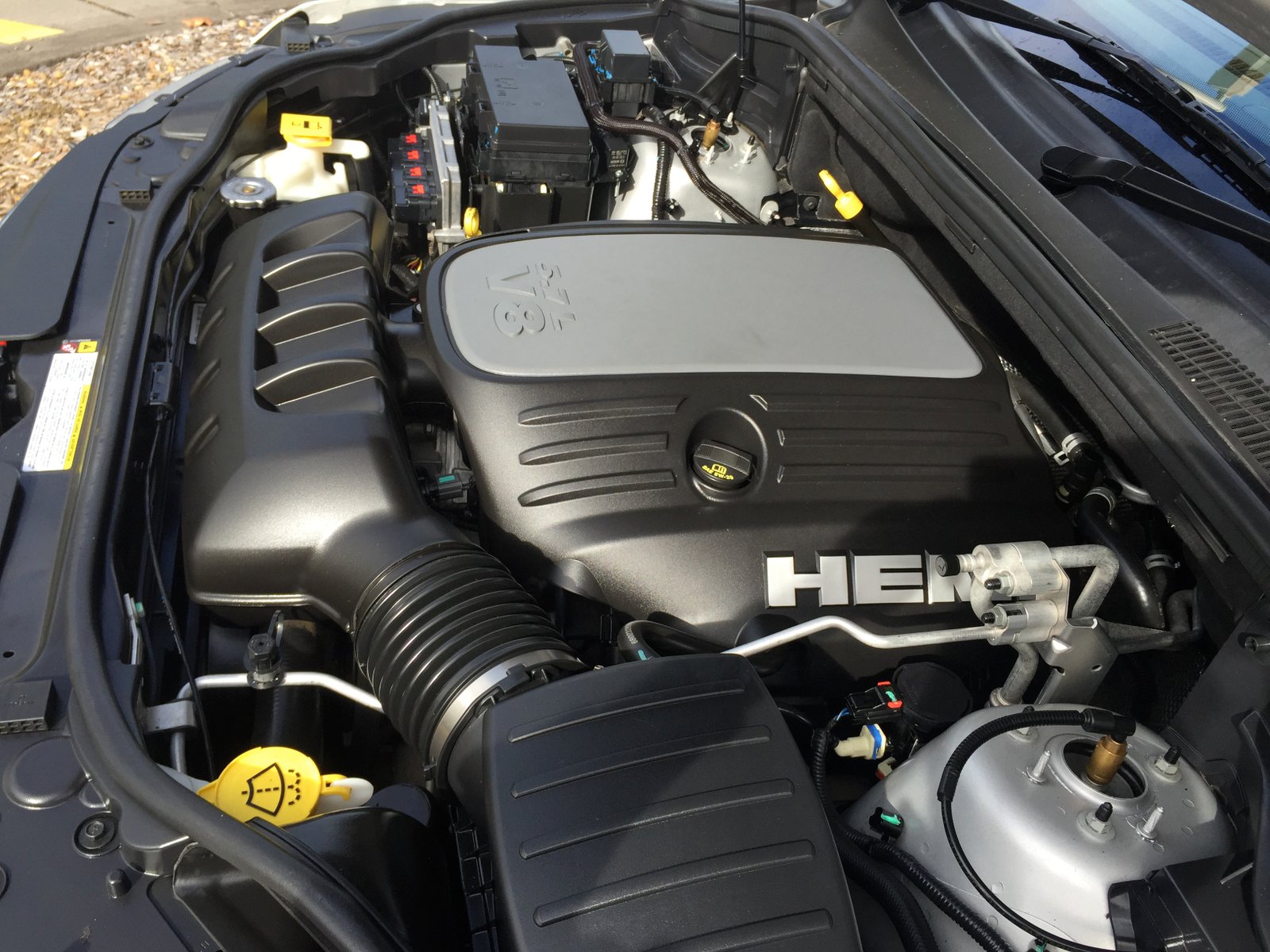
Nobody wants to hear that their truck needs a new engine, especially when that truck is a Ram and it’s supposed to be the one vehicle in the driveway that doesn’t quit on you. But engines fail, even good ones — a spun rod bearing on a high-mileage Cummins, a lifter tick that finally turns into a knock on a 5.7L HEMI, or a Pentastar that overheated once too often. If you’re searching used engines for Dodge Ram right now, you’re probably trying to figure out whether it’s worth fixing or time to move on. We can help with that decision, because we stock and ship tested used engines across the Ram lineup, from half-ton daily drivers to the big 3500 diesel trucks.
Ram trucks work for a living more often than most vehicles on the road. Towing, hauling, farm use, fleet duty — that kind of workload puts real hours on an engine, and eventually something gives. When it does, a used engine is almost always the faster and more affordable path back on the road compared to a new crate unit or a full machine-shop rebuild.
Which Engine Is in Your Ram?
Dodge and Ram have offered a wide spread of engines over the years depending on trim, model year, and whether you’re looking at a 1500, 2500, or 3500. Here’s a breakdown of the major players:
| Engine | Displacement | Years / Trucks | Horsepower | Torque |
|---|---|---|---|---|
| Magnum V8 | 5.2L / 5.9L | 1994–2003, 1500/2500/3500 | 170–245 hp | 270–335 lb-ft |
| 5.9L Cummins (12V/24V) | 5.9L I6 turbo diesel | 1994–2007, 2500/3500 | 160–325 hp | 400–610 lb-ft |
| 3.7L Magnum V6 | 3.7L | 2002–2011, 1500 | 210–215 hp | 235 lb-ft |
| 4.7L Magnum V8 | 4.7L | 2002–2011, 1500 | 235–310 hp | 295–330 lb-ft |
| 5.7L HEMI V8 | 5.7L | 2003–present, 1500/2500/3500 | 345–395 hp | 375–410 lb-ft |
| 6.7L Cummins | 6.7L I6 turbo diesel | 2007–present, 2500/3500 | 325–430 hp | 610–1075 lb-ft |
| 6.4L HEMI V8 | 6.4L | 2014–present, 2500/3500 | 410 hp | 429 lb-ft |
| 3.6L Pentastar V6 | 3.6L | 2013–present, 1500 | 285–305 hp | 260–269 lb-ft |
| 3.0L EcoDiesel V6 | 3.0L | 2014–present, 1500 | 240–260 hp | 420–480 lb-ft |
The 5.7L HEMI and the 6.7L Cummins are far and away the two most requested engines in our inventory, simply because they’ve been in production the longest and are used across the widest range of Ram trucks on the road. If you’re not sure which one your truck has, check the engine block casting or give us your VIN and we’ll confirm it in a couple of minutes.
Why Used Beats New or Rebuilt for Most Ram Owners
A new 6.7L Cummins long block from a dealer can run north of $15,000 before labor, and a new 5.7L HEMI isn’t far behind once you factor in installation. A rebuild sounds cheaper on paper, but if your original engine spun a bearing or scored a cylinder, you’re paying for machining, new pistons, rings, bearings, and gaskets — and that bill climbs fast, especially on the Cummins where machine work on the block and injector service isn’t cheap. Used engines for Dodge Ram trucks pulled from a solid donor vehicle give you factory-built components at a price that usually lands 40 to 60 percent below new, with a much shorter wait than ordering a backordered crate engine.
What Gets Checked Before We List a Ram Engine
- Compression testing on every cylinder, gas or diesel, to catch worn rings or valve problems before they become your problem.
- Injector and fuel system inspection on diesel engines. A Cummins with failing injectors will run rough and burn fuel poorly even if the bottom end is perfectly healthy, so we check this specifically.
- Timing chain and MDS lifter check on HEMI engines. The Multi-Displacement System lifters on 5.7L and 6.4L HEMI engines are a known wear point, and a collapsed lifter causes the classic “HEMI tick.”
- Oil pan drop and internal inspection for sludge, metal contamination, or coolant intrusion.
- Turbo inspection on diesel units for shaft play and housing wear.
- Mileage verification against the donor vehicle’s documented history.
Any engine that doesn’t pass every check on this list doesn’t get listed as one of our used engines for Dodge Ram trucks. We’d rather part it out than risk your money and your time on something that’s going to let you down.
Common Reasons Ram Engines Need Replacing
HEMI tick and lifter failure. The 5.7L and 6.4L HEMI’s MDS system uses lifters that can collapse over time, especially if oil changes were stretched too long. Left ignored, a bad lifter can damage the camshaft lobe it rides on, turning a simple lifter replacement into a full engine job.
Cummins injector and lift pump issues. The 5.9L and early 6.7L Cummins engines have documented injector wear patterns, particularly on trucks that saw a steady diet of poor-quality fuel. This doesn’t always mean the engine itself is bad, but by the time some owners get around to fixing it, secondary damage has already occurred.
Overheating and head gasket failure. Towing heavy loads for extended periods puts serious strain on the cooling system. A marginal radiator or a slipping fan clutch that goes unnoticed can cook a HEMI’s aluminum heads faster than most owners expect.
High-mileage wear from commercial and fleet use. A lot of Ram trucks live hard lives — landscaping crews, farms, delivery fleets — and simply rack up miles faster than a typical passenger vehicle. At some point the math favors a full engine swap over chasing down individual wear issues one at a time.
What You Get With Your Engine
Standard used engines for Dodge Ram orders include the complete long block — block, heads, crankshaft, pistons, camshaft — along with intake and exhaust manifolds and timing components. On diesel engines, we’ll tell you upfront whether the turbo and injectors are included or sold separately, since that varies by listing and by what came off the donor truck. Wiring harnesses and engine control modules typically aren’t included since Ram trims vary significantly in emissions equipment and sensor packages; reusing your original harness is almost always the cleanest path.
If you’re looking specifically at a HEMI swap, we carry the 6.4L HEMI engine as a complete unit, and the 5.7L, 6.1L, and 6.2L HEMI family covers a wide range of Ram and Chrysler group applications. For owners chasing the older 12-valve reliability that diesel enthusiasts still talk about, we also stock the Cummins 6BT, a favorite for both stock replacements and swap projects alike.
Installation Considerations
HEMI swaps on Ram 1500 trucks are common enough that most independent diesel and gas engine shops can knock them out in a day or two, assuming the surrounding accessories and wiring are in good shape. Cummins swaps take longer, especially if you’re moving between generations — a 12-valve into a common-rail chassis, for example, involves a completely different fuel system and wiring approach. If your Ram also needs transmission work while the engine is out, it’s worth having that conversation with your shop up front since labor overlaps significantly between the two jobs.
Warranty and Worldwide Shipping
Every engine we sell ships with a warranty covering internal mechanical failure. We crate and ship used engines for Dodge Ram customers to destinations across North America, Europe, the Middle East, and beyond, and we prepare the export paperwork on our end so you’re not left guessing about customs requirements. Diesel engines in particular are heavy and require careful crating — we handle that as part of the shipping process, and we’ll give you a realistic delivery window before you commit to an order.
Pricing
The 5.7L HEMI tends to be the most consistently priced and available engine in our inventory since it’s been in production the longest and shares parts across such a wide range of Chrysler group vehicles. The 6.7L Cummins commands a premium given the demand from the diesel towing community and the higher cost of sourcing quality diesel donor engines. Older 5.9L Cummins engines, especially the 12-valve mechanical-injection versions, can actually carry a collector-style premium among diesel enthusiasts who value their simplicity over the more complex common-rail systems. Send us your VIN or engine code and truck’s mileage, and we’ll get you real pricing rather than a ballpark guess.
Getting Your Ram Ready for the Swap
- Confirm your exact engine code before ordering — Ram used multiple displacement options across the same model years, so don’t rely on the badge alone.
- Flush the cooling system before installing the replacement, especially if the original failure was heat-related. Contaminated coolant sitting in the radiator can undermine even a healthy used engine.
- Inspect fuel lines and the lift pump on diesel swaps. If the original engine failed due to fuel contamination, replacing the engine without addressing the fuel system just sets up the new one to fail the same way.
- Replace wear items while you have access — motor mounts, belts, water pump, and on diesels, glow plugs or grid heaters are far cheaper to handle now than after reassembly.
- Do a break-in oil change shortly after installation, and on diesels, prime the oil system before first startup to avoid dry-starting new bearings.
None of this is complicated, but skipping it is how a good used engine develops an avoidable problem within the first few thousand miles. Especially on a work truck, that little bit of extra prep time pays for itself the first time you don’t have to pull the engine bay apart again.
Frequently Asked Questions
Can I put a 6.7L Cummins into a truck that originally had a 5.9L?
It’s possible but involves significant wiring, computer, and mounting changes since the two generations use different engine management systems. This is a shop-level swap, not a weekend project.
How many miles are typically on your used Ram engines?
It depends on the specific listing, but we aim to keep gas engines under 100,000 miles and diesels under 150,000 where possible, since Cummins engines are generally built for a longer service life. Every listing states actual pulled mileage.
Do you sell just the short block, or a complete engine?
Most listings are complete long blocks. Turbo, injectors, and accessories on diesel engines vary by listing — ask us what’s included before ordering.
Will a used engine affect my truck’s resale value?
Not significantly if the work is documented and done properly. Ram trucks, especially diesels, are bought and sold constantly with replacement engines in them — buyers in the truck world care more about maintenance history and how it runs than whether the block is numbers-matching.
Do you ship Ram engines internationally?
Yes, we ship used engines for Dodge Ram customers worldwide and take care of export documentation on our side of the transaction.
New vs. Rebuilt vs. Used: The Real Numbers
| Option | Typical Cost (parts only) | Turnaround | Notes |
|---|---|---|---|
| New crate engine (dealer) | $9,000 – $18,000+ | Weeks, often backordered | Highest cost, full warranty |
| Professional rebuild | $5,000 – $10,000 | 3–5 weeks | Diesel rebuilds cost more due to injector/turbo service |
| Used engine (tested) | $1,700 – $6,500 | Ships in days | Price varies heavily by engine family |
For a work truck that needs to be back on the road fast, the turnaround difference alone often makes the decision for you. A rebuild that takes a month is a month of lost income if the truck is part of your livelihood, and that’s before you even get to the cost comparison.
What’s the difference between a standard and high-output 6.7L Cummins?
The high-output version, available on certain 3500 trims, uses a different turbo, fuel system calibration, and in some years a heavier-duty block to handle the extra torque. They’re not directly interchangeable without matching the supporting hardware, so always confirm which version your truck came with before ordering a replacement.
Can a gas HEMI be swapped for a diesel Cummins, or vice versa?
Technically yes, but it’s a major undertaking involving the transmission, wiring, fuel system, and often the frame crossmember. This isn’t a simple engine swap — it’s closer to a full drivetrain conversion, and most owners only take it on with a shop that specializes in these builds.
Why Ram Owners Keep Coming Back to Us
We’re not the flashiest engine seller online, and we’re fine with that. What we offer is a straight answer about mileage, condition, and what’s actually included, backed by a warranty we stand behind. Whether you’re keeping a farm truck running or getting a fleet vehicle back on the road, we treat every order the same way — test it properly, document it honestly, and ship it right.
For a broader technical history of Ram’s engine lineup, the Ram Trucks Wikipedia page is worth a look, though as always it won’t tell you what fits your specific VIN — reach out to us for that.
Browse our full used engine inventory, or check out our guides on used engines for Jeep Wrangler and used engines for Lexus RX350 if you’re shopping for more than one vehicle. Send us your VIN and we’ll get you a real quote.
Posts Widget




Best Auto Motors
USA HERALD MAGAZINE INC
Buy the best quality engines from our website online and get a fast delivery within 6 days.
Copyright 2022.KlbTheme . All rights reserved
