


Used Engines for Hyundai Elantra: Specs by Generation and Buying Guide
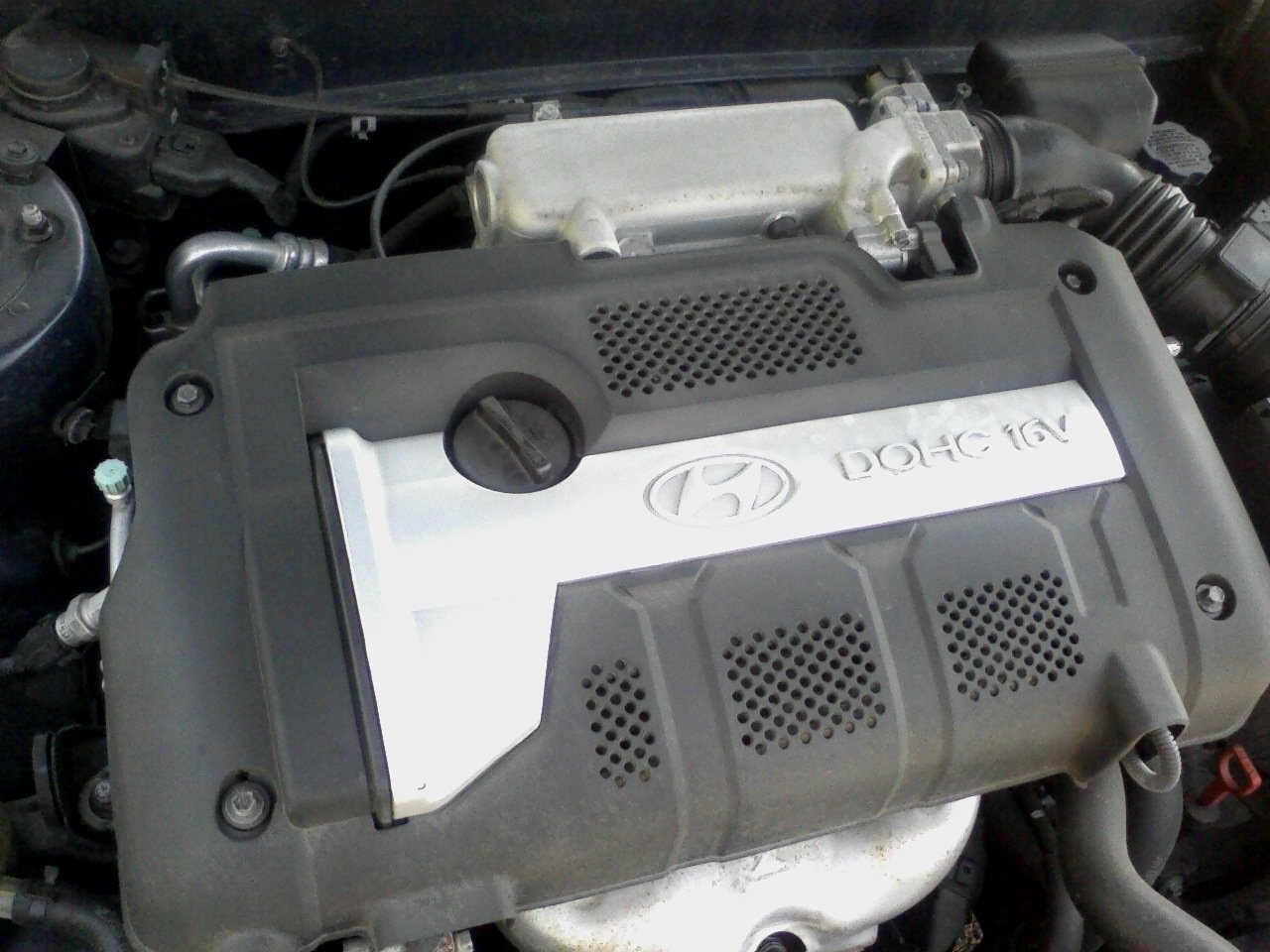
The Elantra has a reputation as one of the more reliable compact sedans out there, but “reliable” doesn’t mean “immortal.” High mileage, a skipped timing chain service, or a cooling system that got ignored one too many times will eventually catch up to any engine. If you’re searching used engines for Hyundai Elantra because yours is making a noise you don’t like or the compression numbers came back low, we can walk you through what’s actually available and what it’s going to cost.
The Elantra has run through several distinct engine families since the early 2000s, and Hyundai shares a lot of these engines across the Elantra, Sonata, Tucson, and their Kia siblings. That shared parts bin is good news for you — it means there’s a healthy supply of donor engines in the marketplace, which keeps used engines for Hyundai Elantra owners more affordable than you might expect for a car this common.
Matching the Right Engine to Your Elantra
Displacement alone won’t tell you enough — Hyundai has used more than one “2.0L” engine in the Elantra over the years, and they are not all interchangeable. Here’s the breakdown by generation:
| Generation | Years | Engine Code | Displacement | Horsepower | Torque |
|---|---|---|---|---|---|
| XD/HD | 2001–2010 | Beta II (G4GC) | 2.0L | 132–138 hp | 132–136 lb-ft |
| HD (Elantra Touring) | 2009–2012 | Beta II (G4GC) | 2.0L | 138 hp | 136 lb-ft |
| MD | 2011–2013 | Gamma (G4FA/G4FC) | 1.8L | 148 hp | 131 lb-ft |
| MD | 2013–2016 | Nu (G4NA) | 2.0L | 164 hp | 148 lb-ft |
| AD | 2017–2020 | Nu (G4NH) | 2.0L | 147–152 hp | 132 lb-ft |
| AD (Sport) | 2017–2020 | Theta II Turbo (G4FJ) | 1.6L turbo | 201 hp | 195 lb-ft |
| CN7 | 2021–present | Smartstream (G4NL) | 2.0L | 147 hp | 132 lb-ft |
| CN7 (N Line/N) | 2022–present | Smartstream Turbo (G4FT) | 1.6L / 2.0L turbo | 201–276 hp | 195–289 lb-ft |
The G4NA and G4NH look nearly identical on paper — both 2.0L Nu-family engines — but they use different valve lift systems and aren’t always directly interchangeable without also matching the intake manifold and computer calibration. If you’re not sure exactly which one your Elantra has, give us your VIN and we’ll confirm before you order anything.
Why Used Is the Smarter Buy for Most Elantra Owners
Here’s the thing about the Elantra specifically: it’s an affordable car, and a lot of owners bought it precisely because it’s cheap to own and run. Paying dealer prices for a new long block on a car in this price class rarely makes financial sense — you can end up spending more on the engine than the car itself is worth on the resale market. A used engine pulled from a healthy donor vehicle gets the job done at a price that actually makes sense relative to the car, usually 50 percent or more below what a new unit would cost once you add labor.
What Gets Checked Before We List an Elantra Engine
- Compression testing on all four cylinders to catch worn rings or valve issues before they become your problem.
- Timing chain and tensioner inspection. The Nu and Gamma engines use timing chains, and while generally durable, a stretched chain or worn tensioner shows up as a rattling noise on cold start that only gets worse.
- Oil pan drop and internal inspection for sludge buildup — Hyundai issued a number of service bulletins over the years related to oil consumption and engine knock on certain Theta and Nu engines, so we check carefully for signs of related wear.
- Head gasket and coolant passage check, since overheating is one of the more common reasons these engines get replaced in the first place.
- Mileage documentation pulled from the donor vehicle and cross-referenced against available records.
Engines that don’t pass every check don’t get listed as one of our used engines for Hyundai Elantra options — they get parted out for individual components instead. We’d rather send you nothing than send you a problem.
Common Reasons Elantra Engines Fail
Engine knock and bearing wear. Hyundai’s Nu and Theta engine families were part of a well-publicized series of recalls and extended warranties related to manufacturing debris left in the oil passages during production, which led to premature bearing wear and, in some cases, catastrophic knock. If your Elantra’s engine is failing prematurely well under 100,000 miles, this is worth investigating, since it may affect your options for warranty coverage even on a used replacement.
Oil consumption. Some Elantra owners report gradually increasing oil consumption between changes, particularly on higher-mileage Nu and Gamma engines. Left unaddressed, low oil levels accelerate wear on bearings and cylinder walls.
Overheating from a failed thermostat or radiator. Like most compact cars, the Elantra’s cooling system is compact and doesn’t leave much margin for error. A stuck thermostat or a slow radiator leak that goes unnoticed can cook a head gasket faster than owners expect.
High-mileage wear from daily commuting. Plenty of Elantras rack up serious highway miles as daily commuters, and eventually normal wear catches up with even a well-maintained engine.
What’s Included With Your Engine
Standard used engines for Hyundai Elantra orders include the complete long block — block, heads, crankshaft, pistons, and camshafts — along with intake and exhaust manifolds and timing components. We currently stock the G4NH 2.0L Nu engine, a direct match for 2017–2020 Elantra models, and the G4KD 2.0L Theta engine, which is popular among Elantra and Forte owners looking for a proven, widely-supported swap option even outside its original Sonata and Tucson applications. Wiring harnesses and ECUs are typically sold separately since trim levels vary in sensor configuration — reusing your original harness is usually the simplest path to a clean install.
Installation Notes
Nu and Gamma engine swaps on the Elantra are common enough that most independent import shops can handle the job in well under a day of labor. If you’re moving between engine families — say, swapping a Theta II Turbo into a car that came with the base Nu engine — budget more time for wiring and computer work, and confirm with your shop that the transmission and mounts are compatible before you commit to parts.
Warranty and Worldwide Shipping
Every engine we sell ships with a warranty covering internal mechanical failure. We crate and ship used engines for Hyundai Elantra customers to destinations across North America, Europe, the Middle East, Asia, and beyond, and we handle the export paperwork on our end so you’re not left guessing about commercial invoices or freight classifications. We’ll give you a realistic delivery timeline for your specific location before you place an order.
Pricing
The Nu 2.0L family (G4NA/G4NH) tends to be the most consistently available and affordably priced engine we carry for the Elantra, given how many were built and how widely they’re shared across Hyundai and Kia models. Turbocharged variants from the Sport, N Line, and N trims command a premium given lower supply and higher demand from performance-minded owners. Older Beta and early Gamma engines are getting somewhat harder to source in excellent condition simply because fewer donor vehicles remain on the road. Send us your VIN or engine code and we’ll get you accurate pricing.
New vs. Rebuilt vs. Used
| Option | Typical Cost (parts only) | Turnaround | Notes |
|---|---|---|---|
| New crate engine (dealer) | $4,500 – $7,500 | Weeks, backorder dependent | Full factory warranty |
| Professional rebuild | $2,500 – $4,500 | 2–4 weeks | Quality depends heavily on the shop |
| Used engine (tested) | $900 – $2,600 | Ships in days | Price varies by engine family and mileage |
Given the Elantra’s price point as a vehicle, the used engine route almost always makes the most financial sense unless the rest of the car is in exceptional condition and you’re planning to keep it for many more years. Spending rebuild or new-engine money on a car that’s worth less than the repair rarely pencils out.
Getting Your Elantra Ready for the Swap
- Confirm your exact engine code before ordering — don’t rely on displacement alone, since Hyundai has used more than one 2.0L design in the Elantra.
- Flush the cooling system before installing the replacement, especially if the original failure was heat-related.
- Replace the timing chain tensioner and related wear parts while you have access, even if they’re not the cause of the current failure.
- Do a break-in oil change shortly after installation, even if fresh oil was included with the engine.
- Clear codes and allow the ECU to relearn idle and fuel trims once the swap is complete.
Where These Engines Come From
Because the Elantra is such a high-volume model, our donor supply comes from a steady mix of sources — vehicles totaled in accidents, cars written off for cosmetic or flood damage that never touched the drivetrain, and higher-mileage Elantras scrapped after a transmission or electrical failure while the engine itself still had life left. That steady supply is a big part of why used engines for Hyundai Elantra owners tend to be some of the most affordably priced listings we carry, generation for generation.
Frequently Asked Questions
How do I know if my Elantra has the G4NA or G4NH engine?
Both are 2.0L Nu engines, but they were used in different model years and have different valve lift hardware. Checking your VIN is the most reliable way to confirm which one you have, since the badge alone won’t tell you.
Is the Hyundai engine knock recall relevant to a used replacement engine?
The manufacturing debris issue behind Hyundai’s engine knock recalls was specific to certain production runs, and we screen for related wear signs during inspection. If you have questions about a specific engine’s production history, ask us directly before ordering.
How many miles are typically on your used Elantra engines?
It varies, but we try to keep inventory under 90,000 miles where possible, and every listing states the actual pulled mileage.
Do you ship Elantra engines internationally?
Yes, we ship used engines for Hyundai Elantra customers worldwide and handle export documentation on our side of the transaction.
Will a used engine affect resale value on a car this affordable?
Realistically, not much either way. Buyers shopping in this price range care most about whether the car runs well and has a documented repair history, not whether the engine is the numbers-matching original.
Why Elantra Owners Keep Coming Back to Us
We know the Elantra isn’t a car most people plan to spend a fortune fixing, and we built our process around that reality. Every engine gets the same inspection regardless of whether it’s a basic Beta II or a turbocharged N-line engine, and we price things fairly because we’d rather earn repeat business than squeeze one big sale out of a customer who won’t come back.
For more background on how the Elantra’s engine lineup has evolved, the Hyundai Elantra Wikipedia page is a solid starting point, though it won’t tell you what fits your specific VIN — that’s what we’re here for.
Browse our full used engine inventory, or check out our guides on used engines for Chevrolet Silverado, used engines for Dodge Ram, used engines for Jeep Wrangler, and used engines for Lexus RX350 if you’re shopping for more than one vehicle. Send us your VIN and we’ll get you a real quote.
Posts Widget




Best Auto Motors
USA HERALD MAGAZINE INC
Buy the best quality engines from our website online and get a fast delivery within 6 days.
Copyright 2022.KlbTheme . All rights reserved
