


Used Long Block Engines: No-Nonsense Buying Guide

If you’ve started shopping for used long block engines, you’ve probably already noticed the term gets thrown around loosely. Some listings call a bare block a long block. Others call a fully dressed engine with the intake and accessories still on it a long block. That confusion costs people money — either they pay for parts they thought were included, or they buy a long block expecting a drop-in swap and end up sourcing half the accessory parts separately. This guide covers what a used long block engine actually is, what should come with one, how to check condition before you buy, and what realistic pricing looks like.

What a Long Block Actually Includes
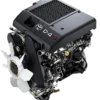
A long block, by the definition we use and the one most reputable sellers use, is the engine block, cylinder head(s), crankshaft, pistons and connecting rods, camshaft(s), and valvetrain — fully assembled as one unit. What it doesn’t include, typically: intake manifold, exhaust manifolds, fuel injectors, ignition components, accessories like the alternator or power steering pump, and the oil pan in some cases (though many long blocks do include the pan).
Compare that to a short block, which stops at the block, crank, pistons, and rods — no heads, no valvetrain. A long block is a meaningful step up in what’s included, and that’s reflected in price. It’s also different from a complete engine assembly (sometimes called a “drop-in” or “complete” engine), which includes the intake, accessories, and sometimes the wiring harness and ECU on top of the long block.
Why Buy Used Instead of New or Remanufactured
New long blocks for most consumer vehicles don’t really exist as an aftermarket product — you’re choosing between remanufactured, rebuilt, or used. Remanufactured units are torn down, machined to spec, and rebuilt with new wear parts; they cost the most but carry the most predictable condition. Used long blocks — pulled from a running donor vehicle, usually low-mileage or from an insurance write-off — cost significantly less and, when properly tested, give you a known-good engine at a fraction of remanufactured pricing.
The catch with used is that “used” covers a wide quality range. A used long block pulled from a car that was rear-ended at a stoplight with 40,000 miles on the clock is a completely different product from one pulled from a high-mileage vehicle that was already burning oil. That’s why testing and documentation matter more here than almost any other part category.
What We Test Before a Long Block Gets Listed
- Compression test — every cylinder, documented and compared. Uneven compression across cylinders is disqualifying or gets flagged clearly in the listing.
- Visual bore and cylinder inspection — checked with a borescope where possible for scoring or glazing
- Oil condition at pull — clean oil with no metal content is a good sign; sludge or metal shavings gets the engine rejected for sale as a tested unit
- Mileage verification — pulled from the donor vehicle’s odometer or documentation, disclosed honestly, not just “low mileage” with no number attached
- External inspection — casting numbers verified against the listed application, no cracks visible on the block or head exterior
We document all of this on the listing itself, not buried in a PDF you have to request. If a used long block engine listing anywhere doesn’t tell you compression numbers and mileage, ask before you buy — and if the seller can’t answer, that’s your answer.
Common Long Block Platforms We Stock
| Platform | Displacement / Config | Typical Used Long Block Price (USD) |
|---|---|---|
| GM LS series (LS3, L83, L96) | 5.3L – 6.2L V8 | $1,800 – $3,800 |
| Ford Coyote 5.0L | 5.0L V8, DOHC | $2,800 – $4,500 |
| Toyota 2GR-FE | 3.5L V6, DOHC | $1,600 – $2,800 |
| Honda K24 | 2.4L I4, DOHC | $900 – $1,800 |
| Chrysler 5.7L HEMI | 5.7L V8, OHV | $2,200 – $4,000 |
| Cummins 6.7L | 6.7L I6 Diesel | $5,500 – $9,500 |
These ranges shift with core availability and market demand — a platform with a lot of donor vehicles hitting salvage yards costs less than one where clean donors are scarce. If you don’t see your engine listed, ask; we source constantly and inventory turns fast.
Matching a Long Block to Your Vehicle
The engine code is what matters, not the trim level or the year alone. Two vehicles with the same model name can run different engine codes depending on the model year, the trim, and sometimes the plant that built it. Before you buy a used long block engine:
- Confirm the exact engine code stamped on your current block, not just what the vehicle’s badge says
- Have your VIN ready so we can cross-reference the factory-installed engine
- Check whether your vehicle uses a specific accessory drive configuration — some engine families run different accessory mounting between transverse and longitudinal applications
- Ask about the flexplate/flywheel and balancer if your donor engine’s rotating assembly is balanced differently than your original
We’d rather spend five minutes confirming fitment with you before the sale than deal with a return because the wrong variant shipped.
What You’ll Still Need to Buy
Because a long block doesn’t include the intake, accessories, or ignition components, budget for these on top of the engine itself: a new timing kit if one isn’t included, gaskets for the intake and exhaust manifolds, engine mounts if yours are worn, fresh coolant and oil, and a new oil filter and drain plug gasket. If you’re moving accessories over from your old engine, inspect the water pump, alternator, and power steering pump before you reuse them — installing a long block and then discovering your twelve-year-old water pump is the next thing to fail is a frustrating way to end up back under the hood a month later. For the parts side of that list, our engine repair parts inventory covers gaskets, sensors, and bolt-on components matched to most common long block platforms.
Long Block vs. Full Engine Replacement: Which Costs Less
A used long block is almost always cheaper than a complete engine assembly, but only if your existing accessories, wiring, and ancillary parts are still good. If your intake manifold is cracked, your injectors are failing, and your accessory belt system is shot, sourcing all of that separately can close the price gap with a complete engine fast — sometimes it flips and the complete unit ends up cheaper once you add up piecemeal parts and the extra labor of assembling everything separately. We break down the full cost comparison, including labor estimates, in our guide to engine replacement cost.
Warranty and Return Policy on Used Long Blocks
Every used long block engine we sell as “tested” comes with a written warranty covering internal mechanical failure — a bad bearing, low compression that wasn’t disclosed, that kind of thing. It doesn’t cover damage from improper installation, running the engine without coolant or oil after install, or failures caused by carrying over bad accessory parts from your old engine. Read the specific warranty terms on the listing before you buy, because coverage length varies by platform and by how the unit tested at intake.
Shipping a Long Block Worldwide
Long blocks ship on pallets, secured and usually with the crank locked to prevent movement in transit. Freight shipping is standard for units this size and weight — expect it to take longer than small parcel but with better protection for something this heavy and precise. We ship internationally and can quote freight cost to your specific location before you commit to the order. Import duties and any local emissions or import compliance requirements on your end are worth checking before the engine ships, especially for older diesel platforms in regions with strict import rules.
Red Flags When Shopping for Used Long Block Engines
Not every seller of used long block engines tests what they sell, and it’s worth knowing what a bad listing looks like before you’re out the money. Watch for these:
- No compression numbers, just “runs great” or “low miles” — vague condition language with nothing to back it up is the single biggest warning sign in this market
- Stock photos instead of photos of the actual unit — a legitimate used long block engine listing should show you the physical engine you’re buying, not a generic manufacturer image
- No mileage disclosed, or a suspiciously round number — real pulled mileage is rarely a clean number like “50,000 miles exactly”
- Price dramatically below the market range for that platform — if every other used long block engine for that application is $2,000+ and one listing is $700, there’s a reason, and it’s usually not a great one
- No return or warranty policy stated anywhere — reputable sellers put this in writing before you pay, not after you ask
None of these automatically mean a scam, but they mean you should ask more questions before sending payment. A seller with nothing to hide will usually answer directly.
Long Block vs. Complete Engine Assembly: A Side-by-Side
| Component | Long Block | Complete Engine Assembly |
|---|---|---|
| Block, crank, pistons, rods | Included | Included |
| Cylinder head(s), valvetrain | Included | Included |
| Intake manifold | Not included | Included |
| Exhaust manifolds / headers | Not included | Usually included |
| Fuel injectors | Not included | Usually included |
| Accessories (alternator, PS pump) | Not included | Often included |
| Wiring harness / ECU | Not included | Sometimes included |
| Typical price vs. long block | Baseline | 20% – 50% more |
If your old accessories and intake are healthy, a used long block engine saves you real money over a complete assembly. If you’re already replacing half of those components anyway, the complete unit can end up being the smarter buy once you total up piecemeal parts and extra labor hours.
Installation: What to Expect
Installing a used long block engine isn’t a bolt-in-and-go job — you’re transferring over intake components, accessories, sensors, and wiring from the old engine or installing new ones, then handling all the fluid and break-in steps that come with any engine swap. On a straightforward platform with good shop access, budget six to ten hours of labor for the swap alone, not counting time spent servicing or replacing carried-over accessory parts. V8 platforms with more accessories and tighter engine bays can run longer. If you’re doing this yourself, torque specs on the head bolts (if not already torqued from the factory rebuild) and correct break-in procedure both matter — rushing break-in on a freshly tested long block is one of the more common ways people turn a good engine into a comeback repair.
Break-In Procedure After Installing a Used Long Block
Even though a used long block was previously run in a donor vehicle, if any internal components were serviced, honed, or replaced during our testing and prep process, treat the first 500 miles like a standard break-in: vary your RPM instead of holding steady highway speeds, avoid full-throttle acceleration, and change the oil and filter after that first 500-mile stretch to clear out any fine debris from reassembly. Skipping this step doesn’t always cause a problem, but it’s cheap insurance on an engine you just paid real money for.
Buying Used Long Block Engines for International Shipment
We ship used long block engines to customers well outside the country of origin, and the process is straightforward but has a few extra steps compared to a domestic order. You’ll want the exact destination port or address confirmed upfront, since freight quotes depend heavily on that. Check your local import rules before ordering — some regions have age restrictions or emissions-compliance requirements on imported used engines, particularly for diesel platforms, and it’s much easier to check that before the engine ships than to deal with it once it’s sitting in customs. We provide the documentation you’ll typically need — proof of testing, engine specifications, and an invoice with accurate declared value — but the buyer is responsible for confirming their own country’s import requirements before ordering.
Transit time for a used long block engine shipped internationally by freight typically runs anywhere from one to six weeks depending on destination and shipping method chosen. We’ll give you a realistic timeline before you commit, not just at checkout.
Maintaining a Used Long Block After Installation
Once a used long block engine is installed and broken in, treat it like any engine with unknown full service history beyond what we’ve documented: stick to factory-recommended oil change intervals or slightly tighter, keep an eye on coolant level and condition for the first few months, and address any new noises immediately rather than waiting to see if they go away. A tested long block gives you a strong, verified starting point — but “tested” describes the condition at the point of sale, not a guarantee against every possible future issue, which is exactly what the written warranty is there to cover for the period it applies.
If you notice anything that concerns you in the first weeks after installation — unusual noise, oil consumption that seems off, a check engine light that wasn’t there before — contact us before you assume the worst. A lot of post-install issues trace back to something in the reused accessory parts or the installation itself rather than the long block, and we can help you sort out which is which.
Core Charges and Trading In Your Old Engine
Some sellers of used long block engines apply a core charge — a deposit refunded when you send back your old engine core — while others don’t require it at all for used units, reserving that practice mainly for remanufactured parts. We don’t charge a core fee on used long block engines; what you pay is what you pay. That said, if you’re removing a running or partially functional old engine, it can have scrap or parts value, and some buyers use that to offset labor costs with their installing shop. Ask your mechanic if they buy cores — many do, and it’s separate from anything you’d deal with through us.
Financing and Bulk Orders
For shops and fleet operators who need used long block engines on a recurring basis, we offer wholesale pricing tiers once you’re set up with an account — reach out and we’ll walk you through it. For individual buyers facing a larger repair bill than expected, ask about payment options at checkout; we’d rather work with you on structuring the purchase than have a good engine sit unsold because the full amount up front doesn’t fit your timing.
Frequently Asked Questions
Do used long block engines come with a timing kit installed?
Sometimes, depending on the platform and what tested clean at pull. Always check the specific listing — we note exactly what’s included and what isn’t, rather than assuming you’ll figure it out after it arrives.
Can I get a compression test report before I buy?
Yes. We document compression numbers per cylinder for every tested long block, and we’re happy to send that report before you commit to a purchase.
What mileage range are these long blocks usually pulled at?
It varies heavily by platform and donor availability, but we generally see solid options in the 40,000 to 90,000 mile range, with lower-mileage units commanding a premium. Every listing states actual documented mileage rather than a vague range.
Is a used long block a good option for a performance build?
Often, yes — a low-mileage factory long block gives you a solid, tested foundation at a fraction of the cost of a new short block plus fresh heads, and you can add performance parts from there. Just confirm bore condition and compression numbers match what a build like that needs before you commit.
Buying From Us
We stock used long block engines for a wide range of makes and models, test what we sell, document condition honestly, and ship worldwide. If you’re not sure which long block fits your vehicle, send your VIN and we’ll confirm before you order — and if a long block isn’t the right call for your situation, we’ll tell you that too, along with pointing you toward a short block or a complete replacement engine if that’s the better fit.
Posts Widget




Best Auto Motors
USA HERALD MAGAZINE INC
Buy the best quality engines from our website online and get a fast delivery within 6 days.
Copyright 2022.KlbTheme . All rights reserved
