

How to Check Used Engine Before Buying 1
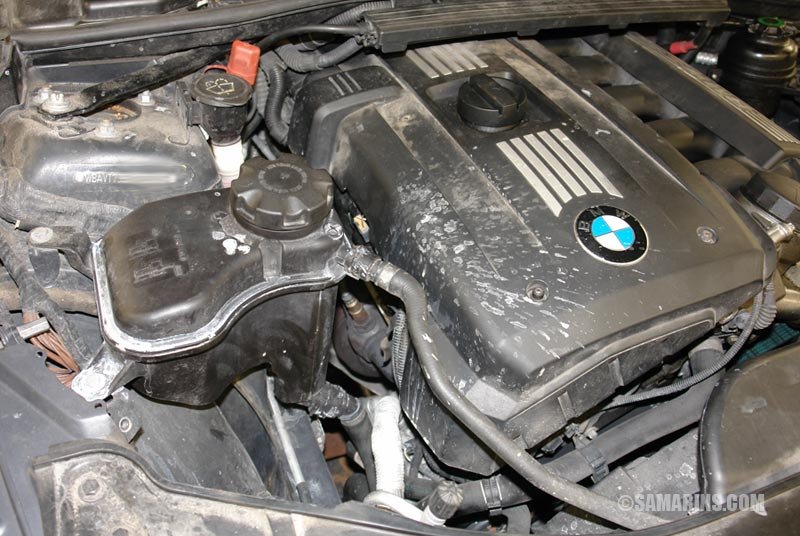
How to Check Used Engine Before Buying
A lot of people rush into buying a used engine because they’re trying to solve a problem quickly.
Maybe their current engine failed unexpectedly.
Maybe repair costs became too expensive.
Maybe they’re rebuilding a project vehicle.
Whatever the reason is, most buyers eventually end up searching the same thing online:
“How to Check Used Engine Before Buying.”
And honestly, that’s one of the smartest things you can search before spending money on an engine.
Because the truth is simple.
Not every used engine is good.
Some are excellent and run for years without problems.
Others already have internal damage before they even arrive.
That’s why understanding How to Check Used Engine Before Buying matters so much.
A lot of buyers focus only on:
- price
- mileage
- appearance
But experienced buyers usually look deeper than that.
They check:
- compression
- compatibility
- startup condition
- leaks
- engine history
- seller transparency
Because once the engine is installed, fixing hidden problems becomes expensive very quickly.
That’s why more buyers worldwide now take time learning How to Check Used Engine Before Buying before making decisions. How to Check Used Engine Before Buying
Why Buying the Wrong Used Engine Becomes Expensive
People sometimes think buying the engine is the expensive part.
Honestly, installation usually costs just as much or more.
That’s what catches many buyers off guard.
You’re not only paying for:
- the engine
- shipping
- fluids
- replacement parts
You’re also paying for:
- labor
- installation time
- diagnostics
- programming in some cases
So if the engine turns out bad after installation, the costs can become frustrating very fast.
That’s another reason How to Check Used Engine Before Buying became such a heavily searched topic online. How to Check Used Engine Before Buying
Start With Engine Compatibility
Before anything else, buyers need to verify compatibility.
This is where a lot of mistakes happen.
Not every engine fits every vehicle, even if the engines look similar.
Always verify:
- engine code
- model year
- transmission compatibility
- ECU compatibility
- wiring setup
Before purchasing.
One small mismatch can create major installation problems later.
That’s why compatibility is always one of the first steps when learning How to Check Used Engine Before Buying. How to Check Used Engine Before Buying
Ask for the Engine Code
This matters more than people realize.
A proper engine code helps confirm:
- exact engine type
- compatibility
- generation differences
- performance variations
Good sellers should be willing to provide engine identification details before purchase.
If a seller avoids basic compatibility questions, that’s usually not a good sign.
Mileage Matters — But Not the Way People Think
A lot of buyers become obsessed with mileage.
Mileage matters, but honestly, maintenance matters more.
A poorly maintained low-mileage engine can still become a problem.
Meanwhile, a properly maintained higher-mileage engine may still run perfectly.
That’s why experienced buyers don’t focus only on numbers.
They also check:
- startup condition
- compression
- visible leaks
- maintenance history if available
That gives a much clearer picture of engine health. How to Check Used Engine Before Buying
Compression Testing Is Extremely Important
This is one of the biggest parts of How to Check Used Engine Before Buying.
Compression testing helps show internal engine condition.
Healthy compression usually indicates:
- strong piston rings
- good cylinder sealing
- healthy combustion
Low compression may signal:
- worn internal components
- valve problems
- piston damage
- cylinder wear
Buyers should always request compression results whenever possible.
Especially for:
- performance engines
- turbocharged engines
- high-mileage motors
Compression numbers help reduce risk significantly.
Startup Videos Matter
A startup video tells buyers a lot more than photos ever can.
A good startup video can reveal:
- engine noise
- smoke
- rough idle
- knocking sounds
- timing issues
You can sometimes hear problems immediately.
That’s why buyers searching How to Check Used Engine Before Buying should always request startup footage when available.
Especially for expensive engines.
Listen for Knocking Sounds
This part matters.
Some engine noises are minor.
Others are serious warning signs.
Bad knocking sounds may indicate:
- rod bearing damage
- internal wear
- piston damage
- severe engine problems
If the engine sounds rough during startup, buyers should ask questions immediately.
Check for Oil Leaks
Used engines naturally age over time.
Minor seepage can happen.
But major leaks may indicate:
- poor maintenance
- damaged seals
- overheating history
- excessive wear
Buyers should inspect:
- valve covers
- oil pan area
- front seals
- rear main seal area
Whenever possible.
Inspect Coolant Condition
Coolant condition tells buyers a lot about engine health.
Bad signs include:
- oil mixed in coolant
- rust-colored coolant
- sludge buildup
- contamination
These problems can indicate:
- overheating history
- head gasket problems
- poor maintenance
That’s why coolant inspection matters when learning How to Check Used Engine Before Buying.
Check for Signs of Overheating
Overheating damages engines faster than many people realize.
Signs may include:
- burnt smells
- warped components
- discoloration
- coolant residue
- damaged hoses
An overheated engine may still run temporarily while hiding major internal damage.
That’s why experienced buyers inspect carefully.
Ask Whether the Engine Was Tested
This question matters a lot.
Not every used engine is tested before sale.
A tested engine usually receives:
- compression testing
- startup inspection
- idle inspection
- leak checks
- basic operational review
That reduces buying risks significantly.
And honestly, most buyers would rather pay slightly more for a tested engine than gamble on an unknown one.
Why Seller Transparency Matters
Good sellers usually answer questions directly.
They provide:
- photos
- startup videos
- engine codes
- mileage information
- compatibility details
That level of transparency helps buyers feel more confident.
If a seller avoids simple questions, buyers should probably be cautious.
Common Engine Problems Buyers Miss
This happens often.
People get excited about pricing and overlook warning signs.
Some commonly missed problems include:
- timing chain wear
- excessive sludge
- oil starvation damage
- turbocharger wear
- cooling system problems
That’s why taking time with inspections matters.
Rushing usually creates expensive mistakes later.
Why Used Engines Continue Growing in Popularity
Honestly, because vehicle prices became expensive.
Very expensive.
Replacing an engine often costs far less than replacing the entire vehicle.
That’s especially true when:
- the transmission still works
- the body is clean
- the interior is good
- the vehicle still has value
That’s why people worldwide continue searching:
“How to Check Used Engine Before Buying.”
They want affordable repair solutions without sacrificing reliability.
Used Engines vs Rebuilt Engines
A lot of buyers compare:
- used engines
- rebuilt engines
- remanufactured engines
Before deciding.
A quality used engine can save money while still offering strong performance.
Especially when:
- properly tested
- maintained
- inspected beforehand
That’s why inspections matter so much.
Specifications Buyers Should Verify
Engine Type
Gasoline or Diesel
Compression Results
Healthy and balanced across cylinders
Mileage
Depends on engine condition and maintenance history
Compatibility
Vehicle year, engine code, transmission setup
Startup Condition
Smooth startup and idle
Leak Inspection
Oil and coolant system condition
Cooling System
No major overheating signs
Condition
Used, tested, rebuilt, or remanufactured depending on inventory
Why Shipping Matters
Used engines are heavy.
Shipping matters more than many buyers expect.
Good shipping usually includes:
- secure pallet mounting
- protective wrapping
- freight handling
- proper loading
A poorly shipped engine can arrive damaged.
That’s why buyers should ask shipping questions before purchase.
Common Mistakes Buyers Make
Buying Only Based on Price
Cheapest isn’t always best.
A cheaper engine with hidden problems usually becomes more expensive later.
Ignoring Compatibility
Wrong engine setups create:
- wiring problems
- ECU issues
- transmission problems
Always verify compatibility carefully.
Skipping Compression Checks
Compression testing helps reveal internal engine health.
Skipping this step increases buying risk significantly.
Ignoring Seller Reputation
Seller honesty matters.
Good communication usually says a lot about how the transaction will go overall.
Why Buyers Search How to Check Used Engine Before Buying
Because nobody wants surprises after installation.
That’s really what it comes down to.
People searching How to Check Used Engine Before Buying usually want:
- reliable engines
- honest information
- affordable pricing
- tested motors
- lower repair risk
And honestly, that’s understandable.
Engine replacements are expensive enough already.
What Buyers Usually Want From a Seller
Most buyers simply want:
- clear information
- real photos
- startup videos
- compatibility help
- honest condition details
That transparency builds trust.
And trust matters when buying used engines online.
Final Thoughts on How to Check Used Engine Before Buying
Learning How to Check Used Engine Before Buying can save buyers a huge amount of money and frustration.
A good used engine can:
- extend vehicle life
- lower repair costs
- provide reliable performance
- avoid expensive monthly payments on another vehicle
But buyers should always take time to verify:
- compatibility
- compression
- startup condition
- visible leaks
- engine history if available
That’s what separates smart engine purchases from expensive mistakes.
In the end, the goal is simple:
find a reliable engine that actually solves the problem instead of creating another one.
FAQ
Why is compression testing important?
Compression testing helps reveal internal engine health and cylinder condition.
Should I buy a used engine with high mileage?
Possibly, if the engine was maintained properly and tested.
Are startup videos important?
Yes. They help reveal smoke, knocking, rough idle, and startup condition.
What should I check before buying a used engine?
Compatibility, compression, leaks, startup condition, and cooling system condition.
Are tested engines safer to buy?
Yes. Testing reduces buying risks significantly.
Can used engines be shipped internationally?
Yes.
Why do people buy used engines instead of new ones?
Mostly because used engines are more affordable.
Is a rebuilt engine better than a used engine?
It depends on budget, condition, and long-term goals.
Can overheating damage an engine permanently?
Yes. Severe overheating can create major internal damage.
How do I order a used engine?
Contact directly, confirm compatibility, review engine details, and arrange shipping.
Cheap vs Premium Used Engines for Sale 2
Cooling System Tips for Used Car Engines 2
Cheap Engines for Sale Near Me (Online Options)
Posts Widget




Best Auto Motors
USA HERALD MAGAZINE INC
Buy the best quality engines from our website online and get a fast delivery within 6 days.
Copyright 2022.KlbTheme . All rights reserved