

Used Engine Compatibility Guide for Beginners 1
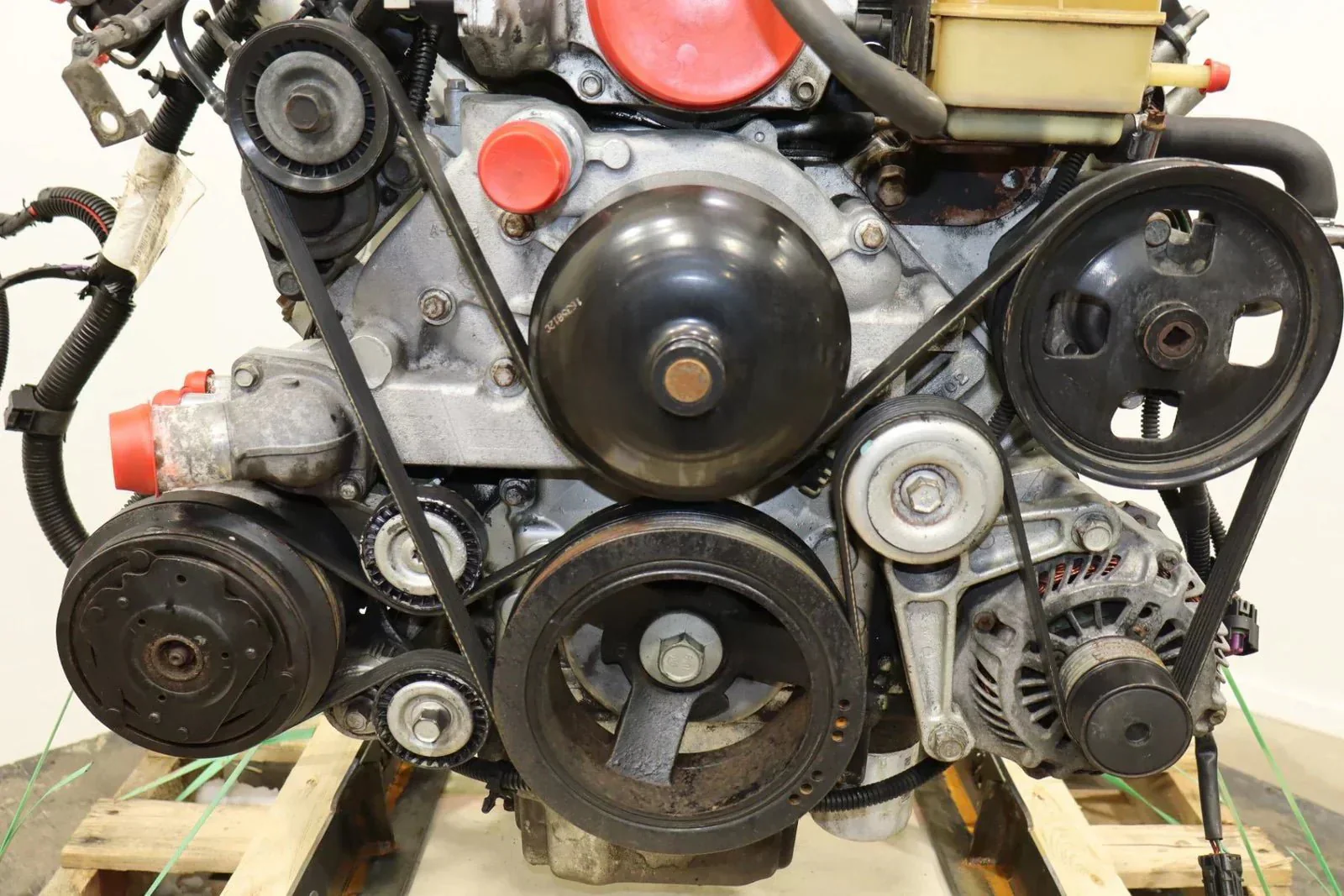
Used Engine Compatibility Guide for Beginners
The first time somebody tries buying a replacement engine online, it usually feels confusing fast.
There’s a reason for that.
You start searching for an engine, and suddenly you’re seeing:
- engine codes
- VIN matching
- transmission compatibility
- ECU questions
- sensor differences
- wiring harness problems
And honestly, for beginners, it can feel overwhelming immediately.
That’s exactly why searches for Used Engine Compatibility Guide for Beginners continue growing worldwide.
Because a lot of people are trying to save money by replacing engines instead of replacing entire vehicles.
And in many cases, that decision makes complete sense.
Especially now.
Vehicle prices became expensive almost everywhere, and engine replacement often becomes the cheaper option compared to buying another car, truck, or SUV.
But compatibility matters.
A lot.
That’s where beginners usually make mistakes.
And honestly, one wrong engine purchase can quickly become expensive if compatibility details are ignored.
That’s why understanding Used Engine Compatibility Guide for Beginners matters before buying anything. Used Engine Compatibility Guide for Beginners
Why People Buy Used Engines Instead of New Ones
Simple answer?
Cost.
New engines became extremely expensive.
Once you add:
- labor
- shipping
- installation
- fluids
- sensors
- additional parts
The total repair bill can become massive.
That’s why buyers search for Used Engine Compatibility Guide for Beginners instead.
A tested used engine can:
- save money
- reduce repair costs
- get the vehicle back on the road faster
- provide a practical replacement solution
And honestly, many used engines still have a lot of life left in them.
Especially properly maintained engines removed from running donor vehicles. Used Engine Compatibility Guide for Beginners
Why Compatibility Matters So Much
This is where beginners usually get surprised.
A lot of people think:
“If the engine looks the same, it should fit.”
Not always.
Two engines may appear identical externally but still have differences involving:
- electronics
- sensors
- ECU programming
- mounting points
- wiring
- transmission connections
That’s why Used Engine Compatibility Guide for Beginners exists in the first place.
Compatibility determines whether the engine:
- installs correctly
- communicates properly with electronics
- starts correctly
- runs properly
- avoids warning lights
Ignoring compatibility can create major headaches later. Used Engine Compatibility Guide for Beginners
Engine Codes Matter More Than People Think
One of the first things buyers should check in any Used Engine Compatibility Guide for Beginners is the engine code.
The engine code helps identify:
- engine version
- generation
- configuration
- compatibility details
Two engines from the same manufacturer can still have different:
- sensors
- internals
- tuning
- mounting setups
Even if they came from similar vehicles.
That’s why matching engine codes matters heavily before purchasing.
VIN Matching Helps Avoid Problems
A lot of experienced buyers use the VIN number to confirm compatibility.
Why?
Because the VIN helps identify:
- engine type
- production year
- trim level
- drivetrain setup
That reduces the chances of ordering the wrong engine.
And honestly, beginners should always provide the VIN whenever possible before purchasing a used engine.
It saves time and reduces mistakes.
Transmission Compatibility Matters Too
A lot of people focus only on the engine itself.
That’s a mistake.
Transmission compatibility matters heavily in Used Engine Compatibility Guide for Beginners.
Some engines were designed differently depending on whether the vehicle used:
- automatic transmission
- manual transmission
- AWD systems
- FWD systems
- RWD systems
Mounting points and electronics can vary.
That’s why compatibility checks should include the drivetrain setup too.
Why Electronics Became So Important
Modern vehicles rely heavily on electronics now.
That changed engine replacement completely.
Years ago, engine swaps were simpler.
Now many vehicles include:
- engine computers
- immobilizers
- advanced sensors
- emissions systems
- digital communication modules
That’s why Used Engine Compatibility Guide for Beginners became such an important search topic worldwide.
Modern compatibility goes far beyond just physical fitment.
Electronics matter just as much.
Common Engines Buyers Search For
Certain engine types remain extremely popular worldwide.
Some of the most common searches related to Used Engine Compatibility Guide for Beginners include:
HEMI Engines
Popular in Dodge RAM and muscle cars.
Known for:
- V8 power
- towing capability
- strong performance
LS Engines
Popular because of:
- swap potential
- availability
- aftermarket support
Honda Engines
Often searched because of:
- reliability
- fuel efficiency
- long engine life
EcoBoost Engines
Popular in Ford vehicles because of:
- turbocharged performance
- modern efficiency
Toyota Engines
Strong demand because of:
- durability
- reliability reputation
- global availability
Mileage Matters — But Not Alone
A lot of beginners focus only on mileage.
Mileage matters, but it’s not everything.
A properly maintained higher-mileage engine can sometimes be better than a neglected low-mileage one.
That’s why buyers should also ask about:
- maintenance history
- oil condition
- compression testing
- startup condition
- visible leaks
The overall condition matters just as much as mileage.
Why Compression Testing Matters
Compression testing gives buyers important information about engine health.
That’s why experienced buyers ask about compression numbers before purchasing.
Good compression generally suggests:
- healthier internals
- better sealing
- more balanced cylinder condition
That’s one reason compression-tested engines remain popular in Used Engine Compatibility Guide for Beginners searches.
Testing reduces risk.
Used Engines vs Rebuilt Engines
A lot of beginners also compare used engines and rebuilt engines.
There’s a difference.
Used Engines
Usually removed directly from donor vehicles.
Often:
- lower cost
- faster availability
- original factory internals
Rebuilt Engines
Usually disassembled and rebuilt using replacement internal components.
Often:
- more expensive
- refreshed internally
- more labor-intensive
Some buyers prefer rebuilt engines.
Others prefer tested used engines because they remain factory-original internally.
Specifications Commonly Found in Used Engines
Engine Types
Inline-4 / V6 / V8 / Diesel / Turbocharged
Fuel Type
Gasoline or Diesel
Horsepower Range
Varies depending on engine type
Cooling System
Liquid Cooled
Compatibility
Depends on VIN, engine code, and drivetrain setup
Transmission Pairing
Automatic or Manual depending on application
Usage
Cars, trucks, SUVs, commercial vehicles
Condition
Used / Tested / Rebuilt depending on availability
Why Some Engines Cost More Than Others
Not all used engines cost the same.
Several things affect pricing in Used Engine Compatibility Guide for Beginners.
Engine Demand
Popular engines usually cost more.
Especially:
- HEMI engines
- diesel engines
- turbocharged performance engines
- reliable Japanese engines
High demand affects pricing constantly.
Availability
Rare engines naturally cost more because fewer units are available.
Some engines are easy to source.
Others become difficult to find quickly.
Testing Status
Tested engines often cost more because buyers gain more confidence.
Testing may include:
- compression testing
- startup verification
- inspection reports
That information matters heavily.
Shipping Distance
Shipping affects total engine cost too.
Engines are heavy.
Freight handling, pallet shipping, and international transport all affect final pricing.
Why Buyers Worldwide Search for Used Engines
Because replacing an engine is often cheaper than replacing the vehicle.
That’s honestly the biggest reason.
Many buyers already invested money into:
- suspension
- wheels
- bodywork
- interior upgrades
- off-road modifications
Replacing the engine often makes more sense financially.
That’s why Used Engine Compatibility Guide for Beginners continues trending worldwide.
Common Mistakes Beginners Make
Buying Based Only on Price
Cheaper is not always better.
A very cheap engine can become expensive later if hidden problems appear.
Condition matters.
Ignoring Compatibility Details
This is probably the biggest mistake beginners make.
Always confirm:
- engine code
- VIN compatibility
- transmission pairing
- sensor compatibility
- wiring setup
Before purchasing.
Not Asking About Testing
Testing matters.
Always ask if the engine was:
- compression tested
- started before removal
- inspected
- checked for leaks
That information reduces risk significantly.
Forgetting About Accessories
Sometimes engines are sold:
- complete
- long block only
- short block only
That changes what parts are included.
Buyers should always ask exactly what comes with the engine.
Why Experienced Sellers Matter
Experienced sellers usually understand compatibility better.
That matters because beginners often need help identifying:
- correct engine codes
- fitment details
- drivetrain compatibility
- replacement options
Good communication helps avoid expensive mistakes later.
Worldwide Shipping Available
Used engines can be shipped internationally.
A lot of buyers purchase engines for:
- replacement projects
- rebuild businesses
- export operations
- repair shops
Shipping usually includes:
- pallet preparation
- secure loading
- freight handling
- transport coordination
Worldwide engine delivery is common today.
What Buyers Should Ask Before Purchasing
Before purchasing an engine, buyers should ask:
- engine code
- mileage
- testing information
- VIN compatibility
- shipping cost
- included components
The more information upfront, the better.
Why Engine Replacement Still Makes Sense
Because honestly, many vehicles are still worth saving.
Especially now that replacement vehicle prices became expensive.
Replacing the engine can:
- extend vehicle life
- reduce overall cost
- keep reliable vehicles on the road longer
That’s exactly why Used Engine Compatibility Guide for Beginners became such an important topic worldwide.
What We Try To Do
We try to keep things straightforward.
Buyers can request:
- engine photos
- compatibility details
- testing information
- shipping details
- available specifications
Before moving forward.
Nobody likes surprises after buying an engine online.
Final Thoughts on Used Engine Compatibility Guide for Beginners
The reason people continue searching for Used Engine Compatibility Guide for Beginners is simple.
Engine replacement can save serious money when done correctly.
But compatibility matters heavily.
Understanding:
- engine codes
- VIN matching
- transmission compatibility
- testing details
- shipping costs
Can help buyers avoid major mistakes.
And with used engine demand continuing worldwide, more people are learning that replacing an engine is often smarter than replacing the entire vehicle.
FAQ
Why is engine compatibility important?
Because even similar engines can have different electronics, wiring, or mounting setups.
What is an engine code?
An engine code identifies the exact engine version and configuration.
Should buyers provide the VIN number?
Yes. VIN numbers help confirm compatibility before purchase.
Are used engines reliable?
A properly tested used engine can be a dependable replacement option.
What affects used engine pricing?
Mileage, condition, testing status, availability, and shipping distance.
Why does transmission compatibility matter?
Different transmission setups can affect mounting points and electronics.
Are rebuilt engines better than used engines?
It depends on budget and buyer preference.
Should buyers ask about compression testing?
Absolutely. Compression testing helps evaluate engine condition.
Can used engines be shipped internationally?
Yes.
Why do people replace engines instead of replacing vehicles?
Because replacing the engine is often cheaper than buying another vehicle.
Cheap vs Premium Used Engines for Sale 2
Cooling System Tips for Used Car Engines 2
Cheap Engines for Sale Near Me (Online Options)
Posts Widget




Best Auto Motors
USA HERALD MAGAZINE INC
Buy the best quality engines from our website online and get a fast delivery within 6 days.
Copyright 2022.KlbTheme . All rights reserved