


Used Engines for BMW 3 Series: N20, N55, B58 Buying Guide
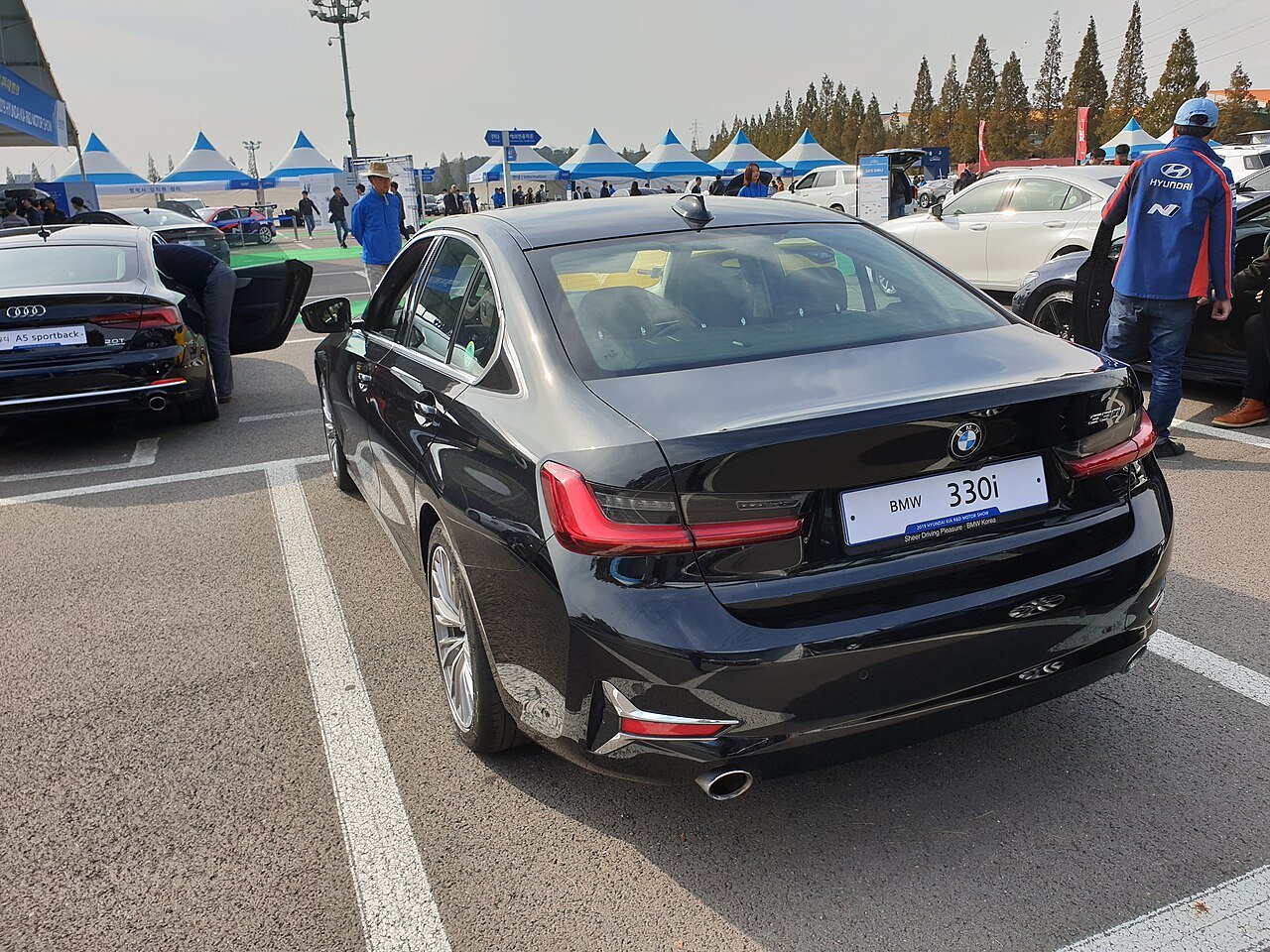
A rod knock on an N54 or a coolant tank crack that turned into a cooked B58 isn’t cheap to fix at a BMW dealer, and it’s part of why so many 3 Series owners end up searching for used engines for BMW 3 Series models instead of paying for a factory rebuild. This guide covers the engine lineup across the E90, F30, and G20 generations, what actually breaks and why, and how to buy a used 3 Series engine without inheriting someone else’s problem.
BMW’s inline-six engines in particular have a strong following for a reason — they’re smooth, they make good power, and when they’re healthy they’re genuinely enjoyable to drive. The catch is that “when they’re healthy” is doing a lot of work in that sentence, since these are complex, turbocharged, direct-injected engines with more failure points than a simpler naturally aspirated four-cylinder. Knowing what you’re dealing with before you buy makes all the difference.
Which Engine Is In Your 3 Series
The 3 Series has run through three main used-market generations, and each one carries a distinct engine lineup. Getting the exact code right matters enormously here — BMW’s N20, N26, B46, and B48 four-cylinders look similar on paper but aren’t interchangeable without real electrical and mechanical work, and the inline-six N55, S55, and B58 units are a different platform entirely.
| Generation / Years | Engine Code | Displacement | Horsepower | Notes |
|---|---|---|---|---|
| E90 (2006–2013) 328i/325i | N52 | 3.0L I6 N/A | 230–255 hp | Naturally aspirated, well regarded |
| E90 (2007–2010) 335i | N54 | 3.0L I6 Twin-Turbo | 300–306 hp | HPFP and injector issues common |
| F30 (2011–2016) 328i/320i | N20 / N26 | 2.0L I4 Turbo | 180–241 hp | N26 is SULEV variant for US |
| F30 (2011–2013) 335i | N55 | 3.0L I6 Single-Turbo | 300–320 hp | Single twin-scroll turbo |
| F30 (2014–2018) 335i/340i | S55 | 3.0L I6 Twin-Turbo | 320–425 hp | M3/M4-derived in some trims |
| F30 (2016–2019) 340i / G20 330i | B58 | 3.0L I6 Turbo | 320–382 hp | Closed-deck, forged internals |
| G20 (2019–present) 330i | B46 / B48 | 2.0L I4 Turbo | 255 hp | Closed-deck aluminum block |
Confirm your exact engine code from the build sticker under the hood or via your VIN before ordering. The difference between an N20 and a B48, for example, isn’t obvious from the outside, but the internal architecture, ECU calibration, and wiring are different enough that mixing them up means a swap project instead of a straightforward replacement.
Why BMW 3 Series Engines Actually Fail
The N54, found in E90 335i models, has a reputation for high-pressure fuel pump failures and injector problems, both of which show up as rough running, hard starts, or reduced power rather than catastrophic failure — but ignored long enough, these issues can lead to more serious damage. It’s also a favorite for aftermarket tuning, which means a lot of used N54 engines on the market have unknown modification history, so ask directly about that when shopping.
The N20 and its SULEV-compliant N26 sibling are decent engines but have had reported timing chain guide wear and oil consumption issues on higher-mileage units. The B46/B48 family that replaced them addressed a lot of these weak points with a closed-deck block design, though early B48 units (2019-2020) had some reports of coolant expansion tank cracks — BMW issued a warranty extension in some markets to cover it.
On the inline-six side, the N55’s biggest reported issue is oil filter housing gasket leaks and occasional VANOS solenoid problems, both fairly manageable compared to what came before it. The B58 has built a strong reputation for handling tuning well and generally solid reliability, though early units share the same coolant tank concern as the B48. Across the whole lineup, rod bearing wear from extended oil change intervals or aggressive tuning without supporting maintenance is the most common reason a 3 Series engine ends up needing full replacement.
What Makes Used Engines for BMW 3 Series Models Worth Buying
BMW engines are unforgiving of the “mystery pull” problem that plagues a lot of used engine marketplaces. Every engine we bring in for 3 Series applications gets a full compression test across all cylinders, plus a visual inspection specifically looking for the coolant expansion tank issues and VANOS solenoid condition on affected engine families. We also check the turbocharger for shaft play, since a worn turbo bearing is a common and expensive problem that isn’t always obvious from a quick look.
Mileage and maintenance history matter more here than on a lot of other makes, because BMW’s factory maintenance intervals were historically longer than some owners realized was safe for a turbocharged, direct-injection engine. An engine from a well-documented donor car with consistent oil change records is worth more to you than a lower-mileage engine with no service history, even if the sticker mileage looks better on paper.
What We Check Before a 3 Series Engine Ships
- Compression test across all cylinders, documented
- Turbocharger shaft play and boost leak inspection
- Coolant expansion tank and cooling system inspection
- VANOS solenoid and timing chain guide condition check
- Oil filter housing gasket inspection on N55 units
- Visual inspection for prior tuning modifications
- Engine code and build sticker verification against listing
Any engine that doesn’t clear these checks gets pulled from the running-unit inventory and parted out instead. On a car with BMW’s parts costs, that discipline matters — the whole point of buying used is saving money, not trading a known problem for an unknown one.
Installation Notes: What’s a Bolt-In and What’s a Project
Replacing an engine with the exact same code from a comparable model year is generally a clean job for a shop that knows BMWs — the ECU, wiring, and mounts all line up as designed. Where it gets complicated is crossing engine families. Swapping an N20 for a B48, for instance, involves different mounting points, different wiring harness connectors, and an ECU that needs to be matched or coded to the new engine. It’s doable, and plenty of shops do it, but it’s a bigger job than a same-code replacement and should be priced and planned as one.
Four-cylinder to six-cylinder swaps (N20 to N55, for example) are popular in the BMW enthusiast community but require subframe, mount, driveshaft, and often cooling system changes. If you’re going this route, work with a shop that has done the specific swap before rather than treating it as a standard engine replacement.
Signs You Need a Replacement Engine, Not a Repair
Plenty of BMW problems are fixable without a full engine swap. A failing coil pack, a leaking valve cover gasket, or a VANOS solenoid replacement are all repairs that keep the original engine in place. Where the conversation shifts to replacement is when the damage is internal — rod bearing knock, a spun bearing from oil starvation, or a cracked block from a coolant system failure that let the engine run hot for too long.
Rod bearing wear is especially common on tuned or aggressively driven turbocharged BMWs, since the added boost pressure increases load on the bottom end faster than the factory oil change interval was designed to handle. If you’re hearing a knock that gets worse under load, or your mechanic has already pulled the oil pan and found metal in the sludge, you’re looking at replacement territory. Other clear signs include persistent low-compression codes on a diagnostic scan, coolant disappearing with no visible external leak (often a sign of a cracked head or blown head gasket), or an engine that won’t hold oil pressure at idle.
If a BMW specialist has already told you the block or heads are damaged beyond what’s economical to repair, a tested used engine is almost always the more sensible path than a full rebuild, especially once you account for BMW’s parts pricing on internal components.
The Cost Case for Buying Used on a BMW
This is where used engines make the strongest case of any make we sell, honestly. A new or BMW-certified remanufactured engine plus dealer installation labor can run well past what the car itself is worth on a lot of these 3 Series model years, especially on inline-six variants. A tested used engine sourced from a comparable donor car gets you the same functional outcome — a properly running BMW — without paying BMW’s parts markup or new-manufacture machining costs.
There’s also a compatibility advantage worth mentioning: a used engine pulled from an actual 3 Series has already proven it runs correctly with BMW’s specific ECU calibration, wiring, and cooling system design for that chassis. You’re not introducing the unknowns that come with some aftermarket rebuild kits, and if the donor car was well maintained, you’re getting a known quantity rather than a guess.
What Happens After You Place an Order
Once you’ve confirmed the right engine code for your 3 Series, we verify the details against your VIN to make sure the unit matches what your car needs, then schedule freight. Engines ship on pallets, secured and shrink-wrapped, with intake and turbo openings covered to keep debris out during transit.
You’ll get tracking information once the engine leaves our warehouse. Domestic orders typically arrive within a week, and international orders take longer due to customs processing, though we handle the freight documentation so that part isn’t on you. If anything about the engine doesn’t match what was described, you’re covered under the warranty terms agreed to before purchase.
Pricing on used 3 Series engines varies significantly by engine family. The four-cylinder N20, N26, and B48 units tend to be the most affordable and most available, since they came in the highest-volume 320i/328i/330i trims. Inline-six units — N55, S55, and B58 — carry a premium due to higher demand from performance-minded buyers and comparatively lower supply. Whatever the specific engine, compare the cost against a BMW dealer’s quote for a factory replacement, which on these engines routinely runs into five figures once labor and BMW’s parts pricing are factored in.
Where to Buy Used Engines for BMW 3 Series Models
Our BMW inventory moves quickly since these are popular engines, but right now we have several 3 Series-compatible units in stock, including the BMW N20B20 engine, the BMW N55B30T0 engine, the BMW N55B30 engine, and the BMW B58B30O1 engine. Each has been through our full inspection process, including turbo and cooling system checks specific to BMW’s known weak points.
If your exact engine code isn’t currently listed, reach out — we source additional BMW engines regularly and can often locate the right unit within a few days. You can also browse our full used engine inventory for other makes while you’re comparing options.
How Long Should a Well-Maintained 3 Series Engine Last
The 3 Series has been BMW’s core model since the 1970s (the full generational history is documented on Wikipedia’s BMW 3 Series page), and that long history means there’s a steady flow of donor vehicles across every generation. A well-maintained N55 or B58 will often clear 150,000 to 200,000 miles without major work, provided oil changes happened on time with the correct spec oil and the cooling system was kept in good order. The four-cylinder N20/B48 family can get there too, though they’re a bit more sensitive to deferred maintenance than the sixes. If you want to verify what fuel economy your specific engine code should be delivering once it’s back in the car, current figures are available through fueleconomy.gov.
Red Flags When Shopping Used BMW Engines Elsewhere
BMW engines attract a lot of low-quality listings because parts costs are high and demand is strong, which makes it worth being extra careful. Be cautious of sellers who won’t disclose whether the donor car was tuned, since a heavily modified engine carries different risk than a stock one even if it “ran fine.” Also watch for vague answers about coolant system condition, since the expansion tank issue on B46/B48/B58 engines is common enough that a legitimate seller should be able to speak to it directly. And as always, no mileage disclosure, no warranty, and prices well under market rate are signs to walk away.
Buying a Used Engine for a Tuned or Modified 3 Series
If you’re replacing an engine on a car you plan to tune, or if you’re sourcing an engine specifically because you want more power than your current setup offers, it’s worth thinking beyond a simple like-for-like swap. The B58, for example, has become popular for engine swaps into other BMW chassis and even non-BMW platforms because it handles moderate boost increases well on stock internals. If that’s your plan, ask us directly about mileage and condition specifics — an engine you intend to push harder than stock deserves a closer look at compression numbers and turbo condition than one going into a car that’ll just be driven normally.
On the flip side, if you’re buying a replacement for a currently modified car and want to return it closer to stock reliability, a tested engine with no tuning history is usually the safer bet, since you won’t be inheriting wear patterns from someone else’s power goals.
Frequently Asked Questions
How many miles should a used BMW 3 Series engine have?
We generally recommend staying under 100,000 miles for turbocharged BMW engines unless there’s strong service documentation, since these engines are less forgiving of deferred maintenance than some other makes. Documented oil change history matters as much as the odometer number.
Do used BMW engines come with a warranty?
Yes. Every engine we sell is compression tested and backed by a warranty period. Given how expensive BMW parts and labor can be, we think warranty coverage matters more here than on almost any other make we carry.
Can I swap a four-cylinder for a six-cylinder in my 3 Series?
It’s possible and fairly common in the BMW enthusiast community, but it’s a real project involving mounts, subframe work, wiring, and often the driveshaft and cooling system. It’s not a same-day bolt-in the way a matched engine code replacement is.
Is a used N54 or N55 engine risky to buy?
Not inherently, but you should ask specifically about known issues — high-pressure fuel pump and injector history on the N54, oil filter housing gasket condition on the N55 — before buying. A tested engine with those points checked is a reasonable purchase; an untested “pulled running” engine with no documentation is a bigger gamble.
Do you ship BMW engines internationally?
Yes, we ship worldwide. Shipping cost and timeline depend on your destination, so reach out with your location for an accurate freight quote before ordering.
What’s the difference between buying used versus a BMW-certified remanufactured engine?
A used engine is pulled from a donor vehicle and tested as-is. A remanufactured engine has worn components replaced before sale, which costs more but comes with fresher internals. Given BMW’s parts pricing, the gap between the two options is often larger than on mainstream makes, so it’s worth weighing your budget against how long you plan to keep the car.
Will installing a used engine affect my BMW’s factory warranty?
If your BMW is still under factory warranty, an independent engine replacement will likely affect coverage on the powertrain specifically, so it’s worth discussing with a dealer before proceeding if warranty status matters to you. For most cars old enough to need a used replacement engine, factory warranty coverage has already expired.
How do I know if my engine problem is covered under a BMW recall instead?
BMW has issued recalls and service actions covering specific issues on certain 3 Series model years, including some cooling system components. It’s worth checking your VIN against BMW’s recall lookup before spending money on a replacement engine, since a covered repair could save you the cost entirely.
If you’re ready to move forward, take a look at our current stock of used engines for BMW 3 Series models, or reach out with your engine code and VIN and we’ll confirm availability or sourcing timelines.
Posts Widget




Best Auto Motors
USA HERALD MAGAZINE INC
Buy the best quality engines from our website online and get a fast delivery within 6 days.
Copyright 2022.KlbTheme . All rights reserved
