


Used Engines Near Me: How to Actually Find the Right One Fast
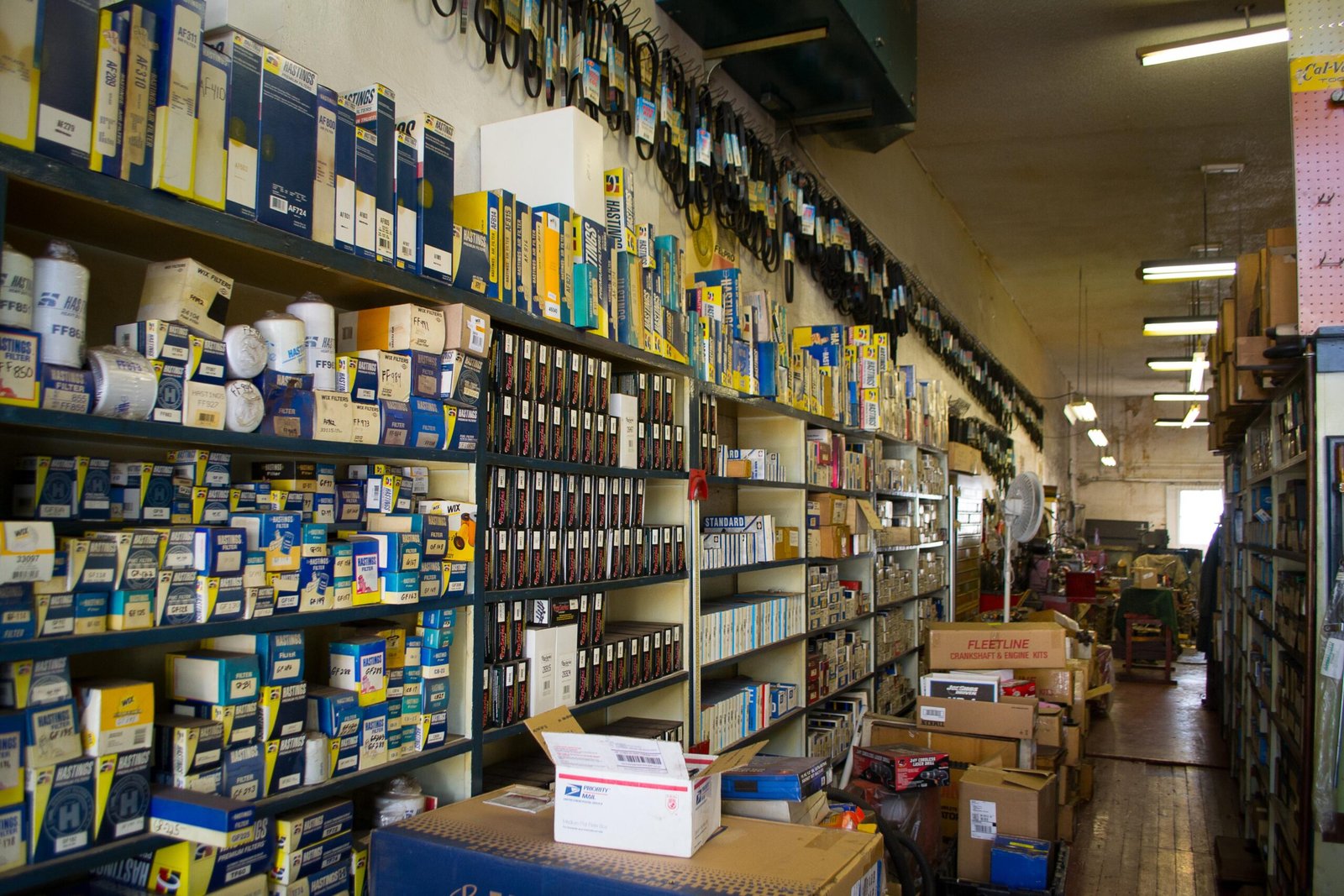
Typing “used engines near me” into a search bar usually means one thing: you need a motor soon, and you’d rather not wait two weeks for it to cross the country, let alone an ocean. That instinct makes sense. Freight cost and transit time both go up with distance, and when your car’s sitting on jack stands, every extra day matters. But “near me” doesn’t have to mean a single local yard with three engines on a shelf. It can mean a seller with real regional distribution, fast freight partners, and inventory close enough to reach you quickly no matter where you’re located.
We get searched for used engines near me from buyers all over the map, literally, and what we’ve learned is that proximity matters less than people assume once you factor in how modern freight actually works. A tested engine shipped from a well-run regional hub two states away can reach you faster than a barely-tested motor sitting in a yard across town. This guide walks through how to actually find a good engine near you, and when “near” matters less than quality and speed.
What “Near Me” Actually Means for Engine Shopping
When people search used engines near me, they’re usually after one of three things: faster shipping, the ability to inspect the engine in person before buying, or lower freight cost since it’s not traveling as far. All three are legitimate goals, but they don’t always line up with the same seller. A small local yard might let you walk in and look at the engine, but their testing standards might be looser than a regional specialist two hours away who ships but documents everything with real compression numbers.
It’s worth being honest with yourself about which of those three things actually matters most for your situation. If you need to see it in person because you don’t trust remote sellers, local pickup solves that. If you mainly care about speed, a seller with a strong shipping network can often beat a local yard that’s slow to prep and crate an order. If it’s about saving on freight, ask for an actual shipping quote rather than assuming distance alone determines cost, since carrier lanes and freight class matter more than raw mileage in a lot of cases.
Specifications to Confirm Regardless of Distance
Whether the seller is five miles away or on the other side of the country, the same information should be available before you commit:
- Exact engine code matched against your VIN, not just the general model name.
- Verified mileage from the donor vehicle, with documentation, not a rounded guess.
- Compression test numbers per cylinder, run before the engine was ever listed for sale.
- What’s included — long block, short block, or complete unit with accessories and sensors.
- Warranty length and coverage terms, spelled out clearly, not buried in fine print.
- Realistic shipping or pickup timeline based on your actual location.
A nearby seller who can’t answer these clearly isn’t automatically a better choice than a farther one who can. Distance is convenient, but it isn’t a substitute for actual testing and documentation.
Local Pickup vs. Shipped Delivery
Local pickup has real advantages: you can inspect the engine with your own eyes, avoid freight cost entirely, and take it home the same day if it’s in stock. The tradeoff is that local inventory is limited by definition, a small yard near you might not have the specific engine code you need, and you’re stuck choosing between what’s physically on their shelf or waiting for them to source it, which can take just as long as ordering from a specialist with broader inventory.
Shipped delivery opens up access to a much wider selection, since you’re not limited to what happens to be sitting nearby. Freight carriers move engines on pallets regularly, and a well-run seller crates and ships fast enough that the “near me” advantage narrows significantly. We’ve covered what fast fulfillment actually looks like in our breakdown of same day engine shipping, which explains how orders placed early enough in the day can be on a truck that same afternoon.
Why Regional Hubs Beat Small Local Yards
A lot of the value people associate with “near me” actually comes down to speed and trust, not literal geographic closeness. A seller running multiple regional distribution points can often get an engine to you faster than the single local yard across town, especially if that yard has to pull, test, and prep the engine only after you’ve already ordered it. Inventory that’s already tested and sitting ready to ship beats untested inventory that’s merely closer.
We maintain organized inventory specifically so buyers searching used engines near me can get fast answers regardless of exactly where “near” turns out to be. Engines like our Toyota N04C engine and our Isuzu 4JJ1-TCX engine are tested and staged for fast shipping rather than sitting untested until someone happens to ask.
How to Vet a “Near Me” Seller Before You Drive Out There
Before you spend an afternoon driving to look at an engine in person, a quick phone call can save you the trip if the answers aren’t good. Ask:
- “Has this engine been compression tested, and can you tell me the numbers now?” If they have to check when you arrive, that’s a wasted trip.
- “Is this the exact engine code for my VIN, or a close match?” Close isn’t always compatible.
- “What’s the warranty, and is it in writing?” A verbal promise from a small local seller is harder to enforce than a documented policy.
- “If I need to return it, what’s the process?” Local doesn’t automatically mean an easier return.
A seller worth driving to will answer all of this over the phone without hesitation. If you want a broader framework for vetting any engine seller, local or shipped, we’ve written a full guide on spotting trusted engine sellers that applies regardless of distance.
When Local Really Is Worth Prioritizing
There are cases where sticking close to home genuinely makes sense. If you’re not confident evaluating an engine remotely and want to physically inspect it, hear it run, and check for visible damage yourself, local pickup removes a layer of uncertainty. It’s also useful if you’re on an extremely tight timeline and a local seller has the exact engine code in stock and ready to hand over same day, in that specific scenario, shipping time from farther away can’t compete.
The key is not assuming “near me” automatically means better. Weigh it against testing quality, warranty terms, and whether the specific engine code you need is actually available locally at all.
Why “Near Me” Searches Have Changed Over the Last Decade
A decade or so ago, searching for used engines near me really did mean picking from whatever local salvage yards happened to be in driving distance, because shipping something as heavy as an engine reliably and affordably wasn’t as developed a service as it is now. Freight networks have gotten faster and more predictable since then, and packaging standards for shipping engines safely on a pallet have improved too, fewer damaged shipments, more accurate transit estimates, better tracking along the way.
That shift is a big part of why “near me” now functions more as a speed and trust signal than a hard geographic requirement. Buyers still want fast, reliable delivery and a seller who feels accountable, but the seller providing that doesn’t have to be down the street anymore. Understanding that shift helps you evaluate options with a clearer head instead of defaulting to whichever result shows up first on a map.
What Buyers in Smaller or Remote Areas Should Know
If you’re outside a major metro area, “near me” searches often turn up thin results, a couple of general salvage yards at best, none of them specializing in engines. In that situation, a seller with strong regional or national shipping usually beats the limited local options by a wide margin, both on selection and on testing standards. We regularly ship to buyers in areas with little to no local engine specialist presence, and freight networks make this far more practical than it used to be even a decade ago.
According to data published by the Bureau of Transportation Statistics on U.S. freight movement, ground freight networks now reach the overwhelming majority of addresses within a few business days, which is a big part of why “near me” has become less of a hard constraint than it used to be for heavy freight like engines.
Worldwide Reach, Regional Speed
We ship well beyond any single region, and “near me” for our buyers spans a lot of different countries and time zones. What stays consistent regardless of where you’re located is the testing standard: every engine gets a documented compression test, a visual inspection, and verified mileage before it’s ever listed. Distance changes freight time and cost, not whether the engine was actually tested properly before it shipped.
If you’re ordering internationally, it’s worth reading about how we handle documentation and customs paperwork so there aren’t surprises on the receiving end. We walk through the general process in our guide on buying used engines direct, which touches on cross-border logistics as part of a broader look at sourcing straight from inventory.
Common Mistakes When Searching “Near Me”
- Assuming closer automatically means cheaper. Freight cost depends on carrier lanes and freight class as much as raw distance, sometimes a farther seller quotes less.
- Skipping the compression test question because the seller is local and seems trustworthy. Proximity isn’t a testing standard.
- Not checking whether the exact engine code is in stock before driving out. A phone call first saves a wasted trip.
- Overlooking warranty terms because the transaction feels more personal in-person. Get it in writing regardless of how the deal feels.
How Fast Shipping Actually Compares to Local Pickup
People often overestimate how much time local pickup actually saves once you account for driving there, waiting while it’s loaded, and driving back, versus a well-run shipping process. On an in-stock engine, many sellers can crate and ship the same or next business day, and ground freight within a region often takes one to three business days after that. Compare that to spending half a day round-trip to a local yard that then has to prep the engine before you can even take it, and the time savings from “local” start to shrink.
That’s not an argument against local pickup when it’s genuinely convenient and the inventory matches what you need. It’s just worth running the actual math rather than assuming nearby automatically means faster.
Questions Fleet and Shop Buyers Should Ask About Regional Coverage
If you’re a shop or fleet operator searching used engines near me regularly rather than as a one-off, regional coverage matters differently. You want a supplier who can reliably hit your area on a predictable schedule, not just a single lucky match on inventory. Ask about typical transit times to your specific location, whether they maintain safety stock of the engine codes you use most, and what happens if a needed code isn’t currently in the regional inventory closest to you. Our guide on choosing a bulk used engine supplier covers this in more depth if sourcing engines is a recurring part of your operation rather than a single purchase.
How Map Listings Can Mislead You
Search a map for used engines near me and you’ll get a list of pins, some for real engine specialists, others for general junkyards that happen to have a few motors sitting around, and occasionally a listing for a business that’s closed or moved without updating its profile. A high star rating doesn’t guarantee engine expertise either, a yard can have great reviews for being friendly and easy to deal with while still running loose testing standards on the actual mechanical side.
Before driving anywhere based on a map listing, call first. Confirm the business still operates the way the listing describes, ask about the specific engine code you need, and get a read on how they talk about testing. A rushed or vague answer over the phone usually previews what the in-person experience will be like too.
A Realistic Example of How This Plays Out
Say your minivan needs a replacement engine and you search used engines near me, turning up two results: a small yard fifteen minutes away and a regional specialist ninety minutes out that also ships. The nearby yard has the general engine family but can’t confirm the exact code matches your VIN over the phone, they want you to come look at it first. The regional specialist confirms the exact code, reads off compression numbers immediately, and offers next-day local delivery within their service area for less than the cost of you driving round-trip twice.
In this case, “near me” turns out to mean the specialist with better information and faster real delivery, not the literal closest pin on the map. That’s the pattern worth watching for: convenience and proximity aren’t always the same thing once you factor in what each seller can actually confirm before you commit any time or money.
What to Check If You Do Go See an Engine in Person
If you do end up visiting a local seller in person, a few checks are worth doing on-site regardless of how good the conversation felt on the phone. Look at the cylinder bores if they’re visible, check for obvious corrosion or scoring. Ask to see the actual compression test sheet rather than taking a verbal number. Check that the engine code stamped on the block matches what you were quoted, mismatched tags happen more often than you’d expect in a busy yard. And ask directly how long the unit has been sitting uncovered, exposure to the elements before a sale affects internal condition even if it isn’t visible from the outside.
None of this takes long, and a legitimate seller won’t mind you checking. If someone gets defensive about a reasonable inspection request, that’s worth paying attention to on its own.
How Delivery Windows Are Actually Calculated
When a seller quotes you a delivery window, it’s built from a few real inputs: distance to the nearest freight terminal, the carrier’s regular lane schedule for your area, and how quickly the engine can be crated after your order is confirmed. Rural addresses sometimes add a day or two compared to major metro areas simply because freight carriers run those routes less frequently, not because the seller is doing anything differently. If your address is outside a typical service radius, it’s worth asking directly whether that affects the estimate, rather than assuming every location gets the same turnaround.
This is also where a seller’s honesty shows. A vague “5 to 10 business days” applied to every order regardless of location is a sign nobody’s actually checking your specific route. A seller who asks for your zip code and comes back with a number that accounts for your actual location is doing the legwork that makes “near me” claims meaningful in the first place.
Comparing Total Cost, Not Just the Sticker Price
It’s easy to compare two “used engines near me” listings purely on the number at the top, but the real comparison should include freight, any core charge, and what the warranty is actually worth if something goes wrong. A slightly higher-priced engine from a seller ninety minutes away with a comprehensive 6-month warranty and included shipping can end up cheaper overall than a lower sticker price from a local yard with a 15-day warranty and a $200 core fee you didn’t know about until checkout.
Before deciding based on distance or price alone, ask each seller for an all-in total: engine price, freight or delivery cost, any core charge, and warranty length. That comparison tells you a lot more than which pin on the map happens to be closest.
Frequently Asked Questions
Is it better to buy used engines near me or from a seller farther away?
It depends on what you value most. Local pickup lets you inspect in person; a farther seller with broader inventory and fast shipping often gets you a better-tested engine just as quickly.
How do I find used engines near me that are actually tested?
Call before you visit and ask for compression numbers and documentation. A seller who can’t provide this isn’t a safer bet just because they’re close by.
Does buying locally save money on shipping?
Sometimes, but not always. Freight cost depends on carrier lanes and crate weight as much as distance, so it’s worth getting an actual quote rather than assuming.
What if there’s no engine specialist near me at all?
Shipping from a well-run regional or national seller is usually the better option in that case, since local general parts sellers may not test engines to the same standard.
Ready to Find the Right Engine, Wherever You’re Located
We keep tested inventory organized for fast regional shipping, so whether you’re searching used engines near me from a major city or somewhere with no local specialist at all, we can usually get you a real answer on availability and timeline the same day you reach out. Send us your engine code or VIN and we’ll confirm what’s in stock, what it tested at, and what a realistic delivery window looks like for your specific location.
Posts Widget




Best Auto Motors
USA HERALD MAGAZINE INC
Buy the best quality engines from our website online and get a fast delivery within 6 days.
Copyright 2022.KlbTheme . All rights reserved
