


Used Auto Motors: A Straight-Talk Buyer’s Guide Before You Purchase
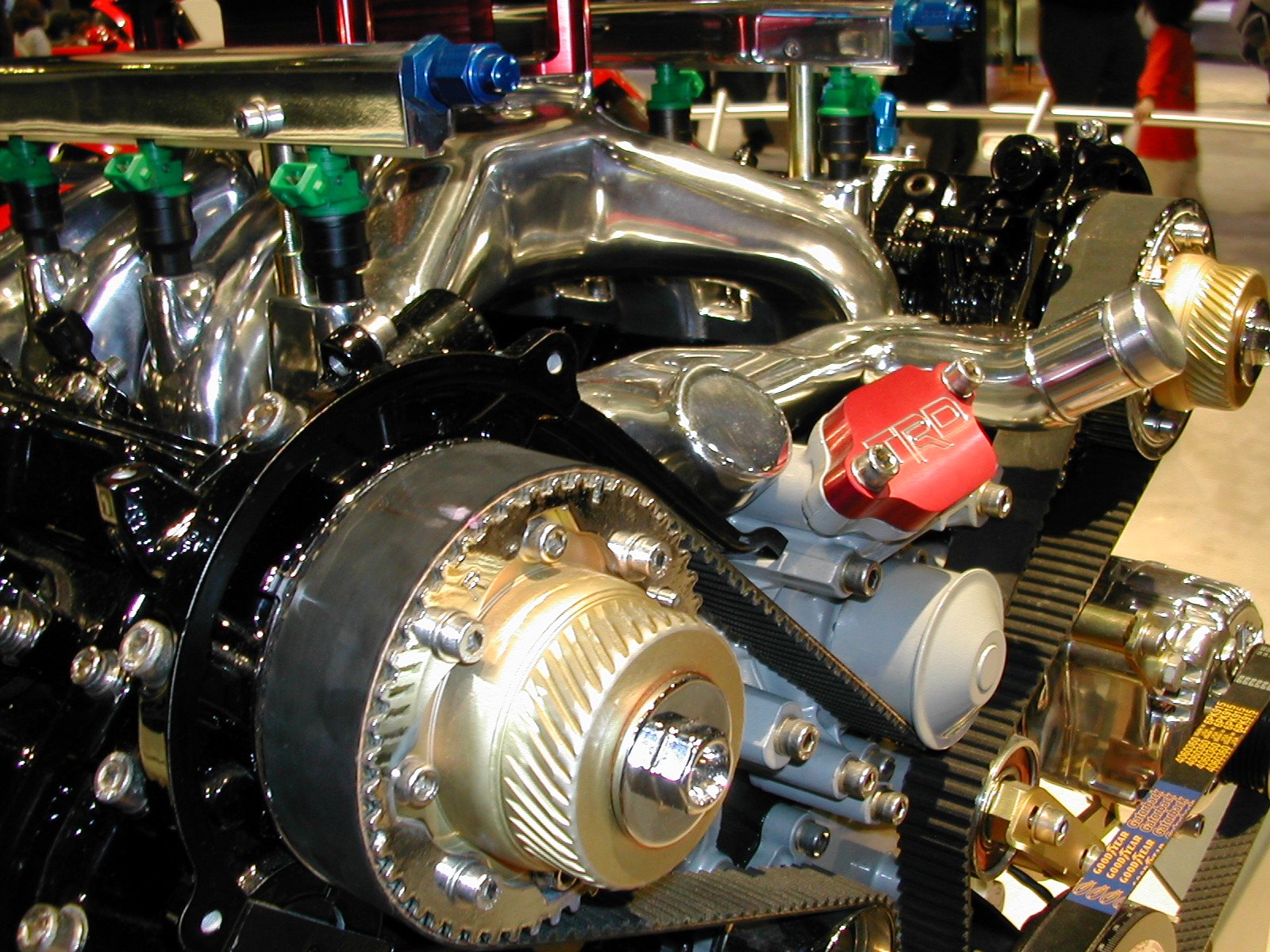
If your car just died on you and a mechanic used the words “it’s the motor,” you’ve probably already started looking around for used auto motors instead of paying for a brand new one. That’s the right instinct for most drivers. A new engine from the dealer can run more than the car itself is worth, while a good used auto motor, tested and backed by a real warranty, gets you back on the road for a fraction of the cost. The tricky part isn’t deciding to go used, it’s figuring out who to buy from and what you actually need to check before you hand over your card.
We pull, test, and sell used auto motors every day, so we see both sides of this from the seller’s chair: the buyers who ask smart questions and walk away with the right engine, and the ones who get talked into something that doesn’t fit or was never really tested in the first place. This guide is written from that vantage point, plain and specific, so you know exactly what to look for no matter who you end up buying from.
What Counts as a Genuine Used Auto Motor
Not everything labeled “used” in this market is the same product. At the bottom end you’ve got junkyard pulls that get yanked from a wrecked car, wiped down, and listed with almost no testing beyond “it turned over on the stand.” In the middle you’ve got dealers who run a compression check and call it good. At the top, you’ve got sellers who pull the motor, run a full compression and leak-down test, inspect the internals with a borescope, document the mileage against the donor vehicle’s records, and back the whole thing with a written warranty.
The label “used auto motor” covers all three of those, which is exactly why the price range on what looks like the same listing can swing by a thousand dollars or more. Cheap isn’t automatically bad and expensive isn’t automatically good, but the gap usually comes down to how much testing and documentation stands behind the unit. Ask what was actually done before it went on the shelf, and don’t settle for “it’s good, trust me.”
Specifications You Should Get Before You Buy
A seller who’s serious about used auto motors will hand you real numbers, not vague reassurances. Here’s what a proper listing or a proper phone call should cover:
- Exact engine code — the factory designation, not just the displacement, so you can cross-reference it against your VIN.
- Verified mileage — pulled from the donor vehicle’s odometer, ideally with a photo, not a rounded guess.
- Compression numbers per cylinder — this is the single best indicator of internal wear, and it should be run before the motor is ever listed.
- What’s included — long block, short block, or complete engine with intake, sensors, and accessories attached.
- Warranty length and what it actually covers — parts only, labor too, or dead-on-arrival protection only.
- Core charge policy, if the seller charges one for your old motor.
- Shipping weight and crate size, since this drives your freight cost more than people expect.
If you ask for this and get a delay or a vague non-answer, that’s usually a sign the person you’re talking to doesn’t actually have eyes on the engine. A seller who tested it themselves can rattle off compression numbers from memory or pull them up in seconds.
Why Buyers Choose Used Over New or Remanufactured
The math is usually what settles it. A new factory engine can cost two to four times what a tested used auto motor runs, and for a car that’s already got a hundred thousand miles on the odometer, that math rarely makes sense. A remanufactured engine sits in the middle, rebuilt to spec with new wear parts, but it costs more than a good used unit and the turnaround can be slower since it has to be built to order.
Used auto motors with verified low mileage give you most of the reliability of a rebuild without the wait or the premium price. The exception is when you’re dealing with a genuinely rare engine code where used inventory barely exists, in that case a rebuild might be your only realistic option. We’ve laid out the tradeoffs in more depth in our remanufactured engines vs used engines comparison, worth a read if you’re still weighing the two.
How to Vet a Seller Before You Commit
A handful of direct questions will tell you more than an hour of browsing listings. Ask these before you pay anything:
- “Can I get a real photo of this exact unit?” A legitimate seller can send one same day, not a stock photo pulled off a manufacturer’s catalog.
- “What was the compression reading on each cylinder?” If they have to check with someone else, they didn’t test it themselves.
- “How long has this motor been in your inventory?” Sellers who actually hold stock know this off the top of their head.
- “What happens if it arrives damaged or doesn’t fit?” The answer should be specific and already written down somewhere, not made up on the spot.
- “Is the warranty parts-only or does it include labor?” This changes the real cost if something goes wrong.
None of this is about being difficult. A seller who’s actually holding good inventory answers these questions without hesitation because the information is sitting right in front of them. If you want a deeper breakdown of how to separate trustworthy sellers from the rest, we wrote a full guide on spotting trusted engine sellers that covers red flags beyond just the ones listed here.
Matching the Motor to Your Vehicle
The single most common mistake buyers make isn’t about quality, it’s about fitment. Engine codes look similar across model years and trims, and a motor that bolts up fine to one version of a car won’t necessarily match the wiring harness, ECU, or accessory mounts on another. Before you buy, have your VIN ready and let the seller cross-reference it against the specific engine code they’re selling, not just the general model name.
This matters even more with engines that changed mid-generation, where a manufacturer swapped displacement, added a turbo, or updated the emissions hardware partway through a model run. A seller who knows their inventory will flag this for you. One who just wants to close the sale might not bother checking. We keep detailed compatibility notes on listings like our Mazda Skyactiv-G 2.0L engine and our BMW N20B20 engine specifically so this cross-check is quick, but always double check against your own VIN regardless of who you’re buying from.
Testing Standards: What “Tested” Should Actually Mean
“Tested” gets used loosely across this industry, and it’s worth knowing what it should involve versus what some sellers pass off as testing. A real pre-sale process includes a compression test on every cylinder, a visual inspection of the block and heads for cracks or damage, a check of the timing components, and often a borescope look at cylinder wall condition. Some sellers stop at “it ran on the stand for two minutes,” which tells you almost nothing about long-term durability.
We run every motor that comes through our facility against a documented checklist before it’s ever listed for sale, and we’ve explained exactly what that process covers in our piece on compression testing every engine before sale. It’s worth reading regardless of where you end up buying, just so you know what questions to ask.
Budget Doesn’t Have to Mean Risky
There’s a persistent idea that a cheaper used auto motor is automatically a gamble, and that’s not really true. Price differences often come down to mileage, engine popularity, and how much demand there is for that specific code, not necessarily how well it was tested. A common four-cylinder engine with moderate mileage can be priced well below a rare V8 simply because supply is higher, not because corners were cut on inspection.
That said, there are shortcuts some sellers take to hit a lower price point, and it’s worth knowing what those look like before you shop purely on price. We cover this in detail in our guide to buying budget used engines without getting burned, which walks through where the real savings come from versus where corners get cut.
Shipping and Delivery on a Used Auto Motor Order
Once you’ve picked the right motor, logistics become the next thing to sort out. Engines are heavy, dense freight, and shipping cost depends on crate weight, distance, and how quickly you need it. We ship worldwide, and orders placed early in the day on in-stock units often go out the same afternoon. If timing matters for your repair, it’s worth reading how we handle same day engine shipping so you know what cutoff times actually get your motor moving fast.
International orders add a layer of paperwork, customs documentation and freight forwarding mainly, but it’s a routine part of the business for a seller who’s done it before. We regularly ship used auto motors to buyers well outside our home region, and according to guidance published by the National Highway Traffic Safety Administration on vehicle engine and equipment standards, imported used engines can be subject to destination-specific compliance requirements, so it’s worth confirming local rules before you finalize a cross-border order.
Warranty Coverage: Read Past the Headline
Almost every listing says “warranty included,” and almost nobody reads past that line before buying. The length matters, but so does what’s actually covered. A 90-day warranty that includes labor is worth more than a 6-month warranty that only covers the part itself and leaves you paying a shop out of pocket to diagnose and reinstall.
Ask specifically what triggers a claim, what documentation you need to keep, and whether the warranty is voided by anything beyond normal installation, like using a non-OEM gasket or skipping a specific break-in procedure. We’ve broken down what real coverage should look like in our used engine warranty explainer, which is worth reading before you commit to any seller, not just us.
What Happens to Your Old Engine
Most buyers focus entirely on the incoming motor and forget to ask what happens to the one coming out of the car. If your seller charges a core fee, find out upfront whether it’s refunded once you ship back the old block, and what condition it needs to be in to qualify. Some sellers want the core drained of fluids and shipped within a set window, others are more flexible. Either way, get this in writing before you order so it doesn’t turn into a dispute later.
If there’s no core charge involved, ask your installing shop what they do with the old motor. Many will scrap it for the metal value and credit that toward your labor bill, which can shave a meaningful amount off the total job cost. It’s a small detail, but it’s free money if you remember to ask.
Common Mistakes Buyers Make
- Buying on price alone without asking what testing was done. The lowest quote on a used auto motor isn’t a deal if nobody checked the compression before shipping it.
- Skipping the VIN cross-check. Engine codes that look identical on paper aren’t always interchangeable across trims and model years.
- Not asking about the core charge upfront. Some sellers charge a refundable core fee if you don’t return your old motor, and it’s an unpleasant surprise at checkout if you didn’t know ahead of time.
- Assuming a “running” engine is a healthy one. An engine can idle fine on a test stand and still have worn rings or a failing bearing that shows up a few thousand miles later.
- Not budgeting for installation. The motor is only part of the total cost; factor in labor, gaskets, fluids, and any sensors that typically get replaced during the swap.
Buying in Volume for a Shop or Fleet
If you’re not buying just one motor but sourcing engines regularly for a repair shop or a fleet of vehicles, the calculus changes. Volume buyers need consistent quality, predictable turnaround, and pricing that reflects the relationship rather than a one-off retail markup. We work with shops and fleet operators on exactly this basis, and our guide on choosing a bulk used engine supplier covers what to look for when you’re ordering more than one unit at a time, along with a related breakdown of wholesale used engines pricing and standards if volume is a regular part of your business.
Frequently Asked Questions
How much should a used auto motor cost compared to buying new?
It varies by engine code, but a tested used motor typically runs a third to half the price of a new factory unit, sometimes less for common engines with strong supply.
Is it safe to buy a used auto motor without seeing it in person?
Yes, as long as the seller provides real photos, verified compression numbers, and a written warranty. Ask for documentation before you pay rather than after.
What’s the difference between a long block and a complete engine?
A long block includes the block, heads, crankshaft, pistons, and camshafts. A complete engine adds the intake, exhaust manifolds, sensors, and often the accessories, which usually means less additional parts-buying during the swap.
Do used auto motors come with any kind of guarantee they’ll fit my car?
A reputable seller checks fitment against your VIN before shipping. Confirm this before you order rather than assuming the listed model name is enough on its own.
Can I return a used auto motor if it doesn’t work out?
Return policies vary significantly by seller. Ask specifically about the return window, any restocking fees, and who covers return freight before you buy.
What a Trustworthy Listing Looks Like
When you’re comparing options, it helps to know what a well-built listing actually contains versus one that’s just filling space. Look for a clear title with the exact engine code, an honest condition summary describing what was tested, a compatibility list tied to specific model years and trims, real photos of the physical unit rather than stock images, and a shipping estimate based on your actual location instead of a generic window that ignores distance.
Our own listings, like the Toyota A25A-FKS engine and the Nissan VQ37VHR engine, follow this format specifically so you’re not guessing at what you’re buying. If a listing you’re looking at elsewhere is missing more than one of these pieces, it’s worth asking direct questions before you commit any money.
A Realistic Buying Timeline
From the moment you decide to go the used route to the moment the motor is installed, most buyers move through the same rough sequence: confirming the engine code against their VIN, getting compression numbers and photos from two or three sellers, comparing warranty terms rather than just price, placing the order, and coordinating shipping with their shop or garage. For an in-stock engine with a seller who ships fast, this whole process can take under a week from first contact to the motor arriving on a pallet.
The parts that eat time usually aren’t the seller’s fault, freight delays, customs holds on international orders, or a shop that’s backed up and can’t start the install right away. Building in a little buffer on the install side, rather than assuming the car will be back on the road the same day the engine arrives, saves a lot of frustration.
Signs You’re Actually Looking at an Engine Problem
Before you start shopping for used auto motors, it’s worth making sure the motor is really the problem and not something cheaper hiding behind similar symptoms. A knocking sound under load can be a rod bearing going bad, which usually does mean the engine’s done, but it can also be a loose heat shield or a failing accessory pulley, both far cheaper fixes. Blue smoke on startup that clears up points to worn valve seals, which is a head repair, not necessarily a full replacement. Grey or white smoke that doesn’t clear, especially with a sweet smell, usually means a blown head gasket or a cracked block, and that’s where replacement starts making financial sense over repair.
A shop that’s honest with you will run a compression test and a leak-down test before recommending a full swap, since those two numbers tell you whether you’re looking at a fixable issue or genuine internal damage. If a mechanic jumps straight to “you need a new motor” without running those checks first, it’s fair to ask why, or to get a second opinion before you commit to buying anything.
Storage and Handling Before It Reaches You
How an engine is stored between testing and shipping affects its condition more than most buyers think about. A motor left outside, exposed to moisture and temperature swings, can develop surface rust on cylinder walls even if it tested fine when it was pulled. Sellers who store inventory indoors, cap off open ports, and seal intake and exhaust openings before shelving a unit are protecting the investment you’re about to make, even though it’s not something you can see in a listing photo.
It’s a fair question to ask directly: is this motor stored indoors, and are the openings sealed while it sits waiting for a buyer? A seller who’s thought about this will have a straightforward answer. One who hasn’t might not even understand why you’re asking, which tells you something on its own.
Ready to Source Your Used Auto Motor
We keep a real, physical inventory of tested used auto motors, everything from common four-cylinder daily drivers to rare V8 and diesel codes, and every unit gets a documented compression test before it’s listed. If you know your engine code or just have your VIN handy, reach out and we’ll confirm exactly what’s on the shelf, what the compression numbers looked like, and what a realistic shipping estimate looks like for your location, wherever in the world that happens to be.
Posts Widget




Best Auto Motors
USA HERALD MAGAZINE INC
Buy the best quality engines from our website online and get a fast delivery within 6 days.
Copyright 2022.KlbTheme . All rights reserved
