


Used Engine Specialists: What Actually Separates Them From General Sellers
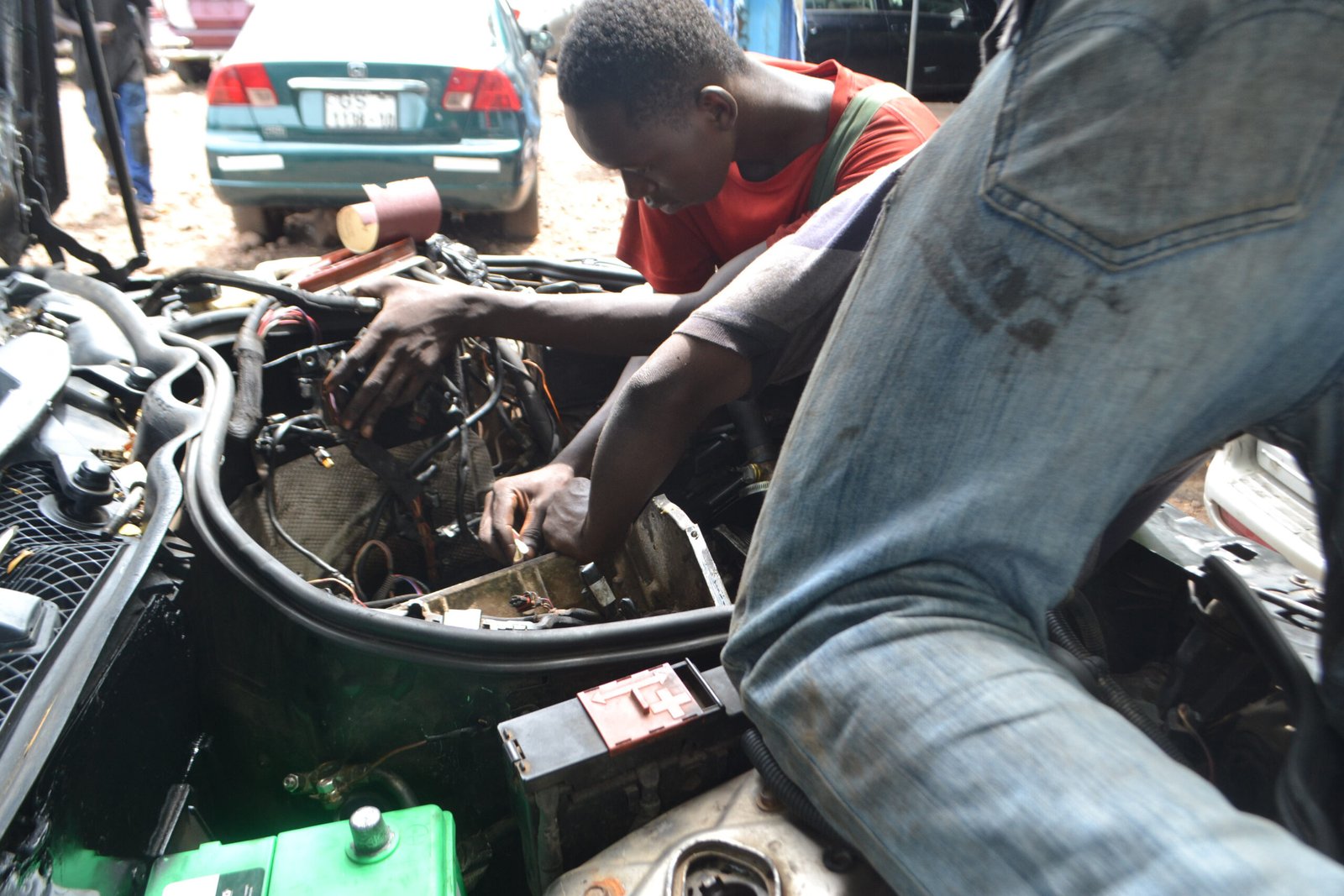
Anyone can hang a sign that says they sell used engines. Not everyone testing, grading, and warrantying those engines actually knows what they’re looking at. That’s the gap used engine specialists are supposed to close, people and companies who’ve built real expertise around pulling, inspecting, and matching used motors to the right vehicle, instead of treating every engine sale like a generic parts transaction.
We work as used engine specialists ourselves, which means we spend most of our day on compression tests, VIN cross-checks, and fitment questions rather than general auto parts. That focus changes what we can tell a buyer compared to a shop that sells engines as a side item alongside brakes and alternators. This piece walks through what actually separates a specialist from a generalist, and how to tell the difference before you buy.
What Makes Someone a Genuine Specialist
The word “specialist” gets attached to a lot of businesses that don’t really earn it. A real used engine specialist has a few things a general parts seller usually doesn’t: deep familiarity with specific engine families, a testing process built specifically around engines rather than a generic parts intake checklist, and enough transaction volume to actually know what a healthy compression reading looks like across dozens of engine codes rather than guessing from a chart.
You can usually tell within the first few minutes of a conversation. Ask a generalist about a specific engine code and you’ll get a database lookup read back to you. Ask a specialist and you’ll get an actual opinion, this code tends to run a little low on compression even when healthy, this one commonly shows oil consumption around this mileage, this one had a mid-generation update that changed the timing components. That kind of detail doesn’t come from a spec sheet, it comes from handling hundreds of the same engine family.
Specifications a Specialist Should Hand You Without Hesitation
When you’re talking to used engine specialists, the level of detail should be noticeably higher than a general listing. Expect answers on:
- Exact engine code and production years it applies to, including any mid-generation revisions.
- Compression test results per cylinder, with context on what’s normal for that specific engine family.
- Known weak points for that engine code, whether it’s a common oil leak, a timing chain issue, or a turbo that tends to wear early.
- Mileage verified against the donor vehicle, not an estimate based on general wear.
- What’s included in the sale — long block, short block, or complete unit with accessories.
- Warranty terms specific to that engine family, since some specialists offer longer coverage on codes they know are reliable.
If a seller can only give you the generic version of this information, price and mileage and not much else, that’s a sign you’re dealing with a general parts reseller rather than someone who actually specializes in engines.
Why Specialization Matters More Than People Expect
A generalist parts seller might carry engines, transmissions, body panels, and interior trim all under one roof, which sounds convenient but usually means no single category gets deep expertise. Engines are complicated enough that treating them as just another SKU tends to show up in the quality of testing and the accuracy of what gets listed.
Used engine specialists build their whole process around the specific failure points and testing needs of motors. That includes running full compression and leak-down tests instead of a quick idle check, documenting cylinder-by-cylinder numbers instead of a pass/fail label, and understanding fitment nuances that a general reseller might miss entirely. We’ve written more about what a proper pre-sale process should look like in our guide on compression testing every engine before it’s sold, which lays out the specific checks that separate real testing from a rubber stamp.
How to Tell a Specialist From a Reseller on the Phone
A short conversation usually reveals which one you’re talking to. Ask these questions:
- “What’s a normal compression range for this specific engine code?” A specialist knows this off the top of their head. A generalist reads it off a printout.
- “What’s the most common failure point on this engine family?” Specialists can usually name one or two issues immediately.
- “How many of this engine code do you move in a typical month?” High volume on a specific family usually means real expertise.
- “Do you test differently for this engine than you would for a completely different type?” A generalist often runs the same generic checklist on everything.
None of these questions are meant to trip anyone up. A real specialist enjoys answering them because it’s their area of focus. If you want a broader breakdown of how to vet any engine seller, not just specialists, we’ve covered that ground in our guide to spotting trusted engine sellers.
Specialists and Rare or Difficult Engine Codes
Where specialization really pays off is with less common engines, performance motors, older diesel codes, or imports that a general parts seller might not stock or fully understand. A specialist who focuses on a particular engine family often has sourcing relationships that a generalist simply doesn’t, meaning they can actually find you a rare code instead of telling you it doesn’t exist.
We carry a wide range of these harder-to-source engines ourselves, everything from performance units like the BMW B57D30S0 quad-turbo diesel to imports like the 1JZ-GTE VVTi engine, and knowing the quirks of each one is part of what lets us test them properly and set accurate expectations for buyers.
Specialists and Warranty Confidence
There’s a direct link between how well a seller understands an engine family and how confident they are in the warranty they offer. A generalist unsure of an engine’s typical failure points tends to hedge with a short, narrow warranty. A specialist who knows the engine well enough to predict where problems usually show up can often stand behind a longer, more comprehensive warranty because they’re not guessing.
Before you buy, ask what specifically triggers a warranty claim and how quickly claims get resolved. We’ve broken this down in detail in our used engine warranty guide, which is worth reading regardless of who you buy from, since coverage language varies a lot between sellers.
What Working With a Specialist Actually Looks Like Day to Day
In practice, working with used engine specialists tends to move faster than working with a generalist, not slower, even though the conversation goes deeper. Because the person you’re talking to already knows the engine family, there’s less back-and-forth checking with someone else, fewer “let me find out and call you back” moments, and more direct answers you can act on the same call.
That speed matters when a car’s been sitting in a shop bay for days and every hour adds up in lost income or a longer rental bill. A specialist who can confirm compression numbers, fitment, and shipping timeline in one conversation saves you the back-and-forth that eats up a week with a less focused seller.
Shipping and Support After the Sale
Specialization shouldn’t stop at the sale. A real specialist stays useful after the engine ships too, answering installation questions, clarifying torque specs or break-in procedures specific to that engine family, and handling warranty claims with the same depth of knowledge they used to sell you the unit in the first place.
We ship worldwide and treat post-sale support as part of the job, not an afterthought. If timing on your repair is tight, our breakdown of same day engine shipping covers what cutoff times actually get an in-stock engine moving the same afternoon. According to the National Institute for Automotive Service Excellence (ASE), technician-level certification programs exist specifically because engine work requires specialized knowledge beyond general repair skills, which is the same principle that separates a real engine specialist from a general parts reseller.
Common Mistakes Buyers Make With “Specialist” Claims
- Trusting the word “specialist” in a business name without verifying it. Ask specific questions about the engine code you need rather than taking the label at face value.
- Assuming a bigger inventory means more expertise. Volume and specialization aren’t the same thing; a huge generic inventory can still mean shallow testing across the board.
- Not asking about known failure points. A real specialist will volunteer this information, since hiding it would only lead to a warranty claim later anyway.
- Skipping the VIN cross-check because the seller “seems knowledgeable.” Expertise on the engine family doesn’t replace confirming fitment for your specific vehicle.
Specialists Serving Shops and Fleets
Shops and fleet operators benefit even more from working with used engine specialists, since repeat business on the same engine families means consistency matters more than a one-off purchase. A specialist who already knows your typical fleet vehicles can flag issues before they become recurring warranty claims and can often set up standing arrangements for regular volume. Our guide on choosing a bulk used engine supplier covers what to look for when this becomes a recurring relationship rather than a single purchase, and our wholesale used engines pricing breakdown is worth reading if volume is part of your regular operations.
How Pricing Works With a Specialist
People sometimes assume a specialist automatically charges more, and that’s not really how it plays out. Pricing comes down to the acquisition cost of the donor vehicle, testing and labor, storage, and the warranty being offered, the same cost stack any engine seller works from. What changes with used engine specialists is accuracy. A generalist might underprice an engine because they don’t know it has a known issue that shortens its useful life, or overprice a common, reliable code because they’re not sure how to value it. A specialist who’s sold hundreds of the same engine family tends to land on a number that actually reflects the unit’s real condition and market value.
That accuracy cuts both ways. Sometimes a specialist’s price is lower than a generalist’s because they know a particular engine code is common and easy to source. Other times it’s higher because they know that specific unit, with its verified low mileage and clean compression numbers, is genuinely a better piece than most of what’s on the market. Either way, you’re getting a price grounded in real knowledge of the engine rather than a guess.
A Realistic Example of the Difference
Picture a shop dealing with a customer’s SUV that needs a replacement motor after a timing failure. They call a general parts reseller first, who quotes a price based on a database listing and can’t say much beyond the mileage and a “runs good” note from whoever logged the inventory. Then they call a used engine specialist who deals with that specific engine family regularly. The specialist immediately mentions that this engine code is known for timing chain tensioner wear around the mileage this unit shows, confirms it was replaced during testing, and reads off compression numbers for all six cylinders without needing to look anything up.
Both quotes might land in a similar price range, but only one of them gives the shop enough information to explain to their customer exactly what they’re installing and why it’s a safe bet. That difference in confidence is really what you’re paying for when you choose used engine specialists over a general reseller, not necessarily a higher price, but a much better-informed purchase.
When a Generalist Is Actually Fine
It’s worth being fair here: for extremely common engine codes with straightforward histories, a general parts reseller with a solid testing process can serve you just as well as a specialist. The gap widens most on rare engines, performance builds, imports, or vehicles with known quirks specific to certain model years. If you’re replacing a widely available four-cylinder with a long track record and a seller who tests thoroughly regardless of specialization, you’re probably fine either way. The value of a specialist goes up in proportion to how unusual or failure-prone the specific engine code is.
What Specialists Look for During Inspection That Others Might Miss
A general parts inspection tends to follow a one-size-fits-all checklist: check for obvious leaks, confirm it turns over, run a basic compression test, done. Used engine specialists build a deeper inspection specific to the engine family in front of them. On a turbocharged engine, that might mean checking for shaft play in the turbo itself, not just the block. On an engine known for a particular oil consumption pattern, it might mean checking the PCV system and valve seals more closely than a generic checklist would call for. On an aluminum block engine prone to a specific type of corrosion, it might mean a more careful visual inspection of the coolant passages.
None of this is exotic knowledge, it’s pattern recognition built from handling the same engine families over and over. A shop that sees the same engine code once every few months doesn’t build that pattern recognition the same way a specialist who handles it weekly does. That’s really the core of what you’re paying for, not a fancier inspection bay, but someone who knows exactly where to look on your specific engine.
How to Evaluate Online Reviews of a Specialist
Reviews can be useful, but they’re easy to misread if you don’t know what to look for. A handful of five-star reviews saying “fast shipping, great communication” tells you the seller runs a decent operation, but it doesn’t tell you much about engine quality specifically. Look instead for reviews that mention specific engine codes, compression numbers, or how a warranty claim was actually handled. Those details are much harder to fake and tell you more about whether the seller’s expertise matches their marketing.
It’s also worth checking whether negative reviews, if any exist, were addressed directly and specifically, or brushed off with a generic response. A specialist confident in their testing process usually engages directly with a complaint rather than deflecting it, since they can point to their own documentation to explain what happened.
Frequently Asked Questions
Do used engine specialists cost more than general parts sellers?
Not necessarily. Pricing depends more on the specific engine code, mileage, and condition than on whether the seller specializes. Specialists sometimes price more competitively because they know exactly what an engine is worth.
How do I know if a seller really specializes in engines or just claims to?
Ask detailed questions about the specific engine code you need. A real specialist answers with specifics, known issues, typical compression ranges, common mileage-related wear, rather than generic reassurances.
Are used engine specialists better for rare or imported engines?
Usually, yes. Specialists tend to have sourcing relationships and testing familiarity with less common engine families that a general parts seller might not have.
Do specialists offer better warranties than general sellers?
Often, because they understand the specific engine’s failure points well enough to stand behind longer coverage with confidence rather than hedging with a short warranty.
Certifications and Documentation Worth Asking About
Not every good used engine specialist carries a formal certification, plenty of excellent operations are built on hands-on experience rather than paperwork, but it’s still fair to ask what documentation backs up their testing claims. A written compression test report with cylinder-by-cylinder numbers is worth more than a verbal “it tested fine.” Photos taken at intake, before the engine ever gets cleaned up for a listing photo, are worth more than a single glamour shot. If a specialist keeps this kind of documentation as a matter of course, it’s usually a sign their process is built for accountability, not just a sales pitch.
Ask, too, whether the same documentation gets sent with the engine when it ships. A specialist who hands over the actual test report alongside the unit is giving you something concrete to reference if a warranty question comes up later, rather than asking you to take their word for it after the fact.
What to Bring to the Conversation
Before you call, have your VIN, the mileage on your current vehicle, and a description of the symptoms that led you to believe the engine needs replacing. A good specialist will use this to confirm the right engine code and flag anything specific to your model year that could affect fitment or price. Skipping this step and just asking “what’s your cheapest engine for this car” tends to produce a worse outcome, since it skips the fitment verification that actually protects you from a costly mismatch.
Regional Availability and Worldwide Shipping
Specialization doesn’t have to mean local-only. We work with buyers across a wide range of countries and regions, and being an engine specialist rather than a general reseller means we can speak accurately to compatibility questions regardless of where the vehicle is registered or what emissions standards apply in that market. If you’re sourcing an engine for a vehicle outside the region where it was originally sold, mention that upfront, it can affect what documentation you need for import and what modifications, if any, are required for compliance.
How We Approach Specialization
We built our process specifically around engines rather than treating them as one category among many. Every unit that comes through gets a documented compression test, a visual inspection, and mileage verification before it’s ever listed, and our team can speak to known issues on the specific families we carry most, from common Japanese four-cylinders to less common European turbo diesels. If you’ve got a specific engine code in mind, or you’re still narrowing down what actually failed on your vehicle, reach out and we’ll walk through it with the kind of detail a specialist should be able to offer.
Posts Widget




Best Auto Motors
USA HERALD MAGAZINE INC
Buy the best quality engines from our website online and get a fast delivery within 6 days.
Copyright 2022.KlbTheme . All rights reserved
