

Cylinder Head Torque Specs: Why Guessing Costs You a Blown Gasket
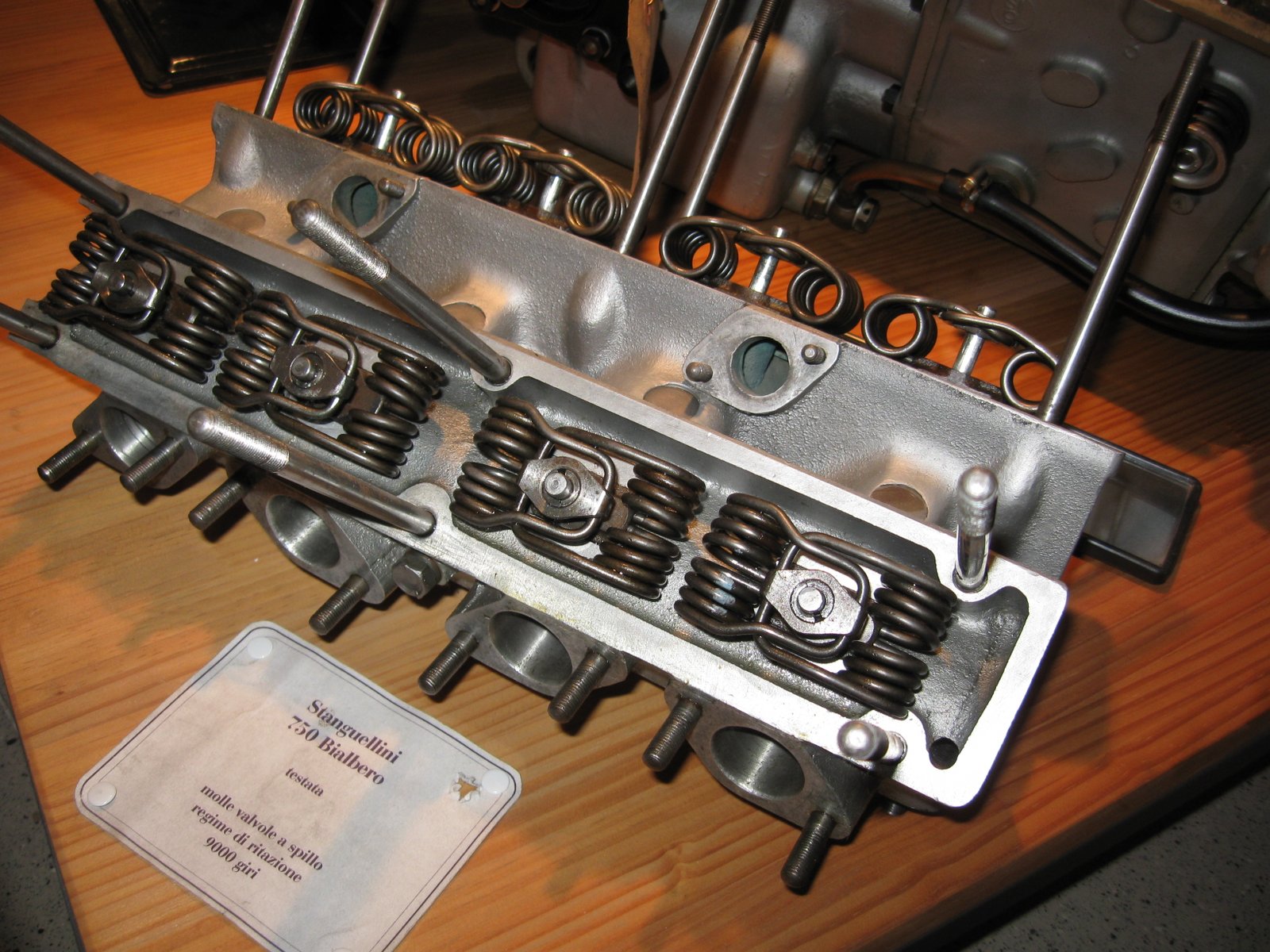
We’ve had more than one customer call us after a head gasket let go for the second time in under a year, convinced they just got unlucky with a bad gasket. Nine times out of ten, when we walk through what actually happened during the install, the real problem wasn’t the gasket at all — it was cylinder head torque specs that got guessed at instead of followed exactly.
This is one of those jobs where “close enough” genuinely isn’t close enough. Let’s go through why the exact number and sequence matter so much, what actually changes between engines, and what tools and technique separate a job that lasts from one that’s back on the lift in six months.
A Quick Story That Explains Why This Matters
A shop we know well once had a customer bring back a four-cylinder for the second time in four months with the same coolant-into-cylinder symptom. The first shop that did the original job swore the gasket was defective. When our guys pulled the head, the bolt pattern told the real story immediately — the bolts nearest the timing side were clearly over-torqued (visible thread deformation), while two bolts on the opposite end were barely snug. Someone had torqued in the wrong order, in the wrong pattern, likely without a proper sequence diagram at all.
That’s the kind of failure cylinder head torque specs are designed to prevent, and it’s also exactly the kind of failure that gets misdiagnosed as “bad parts” when the real cause was a rushed installation. The gasket in that case was fine. The install wasn’t.
What Torque Specs Are Actually Controlling
Cylinder head torque specs exist to create even, predictable clamping force across the entire head-to-block joint. That clamping force is what lets the head gasket do its job — sealing combustion pressure in each cylinder, and separately sealing the coolant and oil passages that run through the same gasket surface. Uneven clamping pressure means uneven sealing, and an area that’s under-clamped relative to its neighbors is exactly where a gasket eventually fails, whether that’s a combustion leak, a coolant leak into a cylinder, or oil mixing with coolant.
The torque number itself isn’t arbitrary. It’s calculated based on bolt size, bolt material, thread engagement, and how much clamp load the gasket and mating surfaces need to seal properly without crushing the gasket material or exceeding the bolt’s yield strength. Guess ten percent low and you risk a leak. Guess too high and you risk stretching or even snapping the bolt.
Why Every Engine’s Numbers Are Different
A huge part of the variation comes down to bolt count, bolt diameter, and bolt material. More bolts spread the same total clamp load across more fasteners, which usually means a lower per-bolt torque spec compared to an engine with fewer, larger head bolts doing the same overall job. Bolt material matters just as much — a higher-grade alloy bolt can be torqued to a higher value safely than a standard-grade bolt of the same size.
Head material changes things too. Aluminum heads generally need different clamp load characteristics than iron heads because of how the two materials expand at different rates under heat, and manufacturers account for that in both the torque spec and often in the recommended torque sequence and re-torque procedures. Head bolt versus head stud designs add another variable, since studs and bolts distribute load differently through the threads.
Torque-to-Yield Bolts: The Detail That Trips People Up
A lot of modern engines use torque-to-yield (TTY) head bolts, which work completely differently from a traditional straight-torque bolt. Instead of tightening to a single torque value, TTY bolts get torqued to a relatively low initial value, then rotated an additional specified number of degrees — the “angle” part of the spec. This intentionally stretches the bolt slightly into its yield range, which provides more even and consistent clamping force than torque alone can achieve.
Here’s the part that catches people off guard: most manufacturers specify that TTY bolts get replaced every time they’re removed, not reused. Once a TTY bolt has been stretched into yield, it’s permanently elongated and doesn’t return to its original clamping characteristics if reused — torquing a used TTY bolt back to the same spec doesn’t recreate the same clamp load it had originally. Reusing them anyway is one of the most common causes of a repeat head gasket failure on modern engines.
Why Sequence Matters as Much as the Number
Getting the torque value right doesn’t help much if you tighten the bolts in the wrong order. Factory sequences are almost always a center-out spiral pattern specifically designed to draw the head down evenly, avoiding a situation where one area gets clamped tight while an adjacent area is still loose, which can actually warp the head or crush the gasket unevenly during the tightening process itself.
Most factory procedures also specify a multi-pass approach rather than going straight to final torque in one pass: a light snug pass to seat everything, followed by two or more incremental passes working up to the final spec (or final torque plus the angle rotation on TTY designs). Skipping straight to full torque on the first pass, even in the correct sequence, risks uneven seating that a proper multi-pass approach avoids.
Real Number Ranges to Understand the Variation
To illustrate just how much this varies, small aluminum four-cylinder heads on modern engines often use initial torque values somewhere in the 18 to 25 ft-lb range followed by a significant angle rotation, sometimes 90 degrees or more across multiple passes. Older iron-head V8 designs using straight torque specs (no angle) commonly ran higher initial numbers, sometimes in the 65 to 80 ft-lb range, since there’s no angle-torque step adding additional clamp load afterward.
These numbers are illustrative only — they show you the scale of variation between a modern TTY aluminum-head design and an older straight-torque iron-head design, not a number to actually use on your engine. Always pull the exact factory spec for your specific engine before doing this job; the difference between platforms is large enough that assuming a “typical” number is a real risk.
What Goes Wrong When You Get It Wrong
Under-torquing shows up as a head gasket leak, sometimes immediately on first startup, sometimes gradually over weeks as the gasket works itself loose under repeated heat cycles. Over-torquing risks stripping threads out of the block, especially on aluminum blocks where the threads are softer than a hardened steel bolt, or in extreme cases snapping a bolt off entirely, which turns a straightforward gasket job into an extraction nightmare.
Uneven torque, even at the technically correct final value, can warp a head enough to need resurfacing before it will seal properly again. This is why sequence, pass count, and final value all matter together, not the final number in isolation. A helicoil or Time-Sert thread repair in the block, needed when threads get stripped from over-torquing, adds real cost and time to what should have been a routine job.
Tools That Actually Matter for This Job
A quality torque wrench is non-negotiable here, and the type matters. A beam-style wrench is simple and reliable but harder to read precisely under real shop conditions; a click-style wrench is easier to use accurately but needs periodic calibration to stay trustworthy. For any TTY bolt procedure, an angle gauge (or a torque-angle gauge that combines both functions) is not optional — eyeballing a 90-degree turn is not accurate enough for a job where clamp load consistency is the entire point.
It’s worth understanding that the torque value on the wrench isn’t a direct measurement of clamp force — it’s a measurement of rotational resistance, which is only a reliable stand-in for clamp force when friction conditions match what the spec assumed. Bolt torque and tension calculations show just how much friction at the threads and under the bolt head affects the actual clamp load produced by a given torque reading, which is exactly why the lubrication detail below matters as much as it does.
Thread lubrication is a detail that gets overlooked constantly, and it genuinely changes the physics of the job. The torque spec a manufacturer publishes assumes a specific friction condition on the threads — usually either clean and dry, or lubricated with a specific assembly lubricant or engine oil, and the spec sheet will say which. Using oil when the spec assumes dry threads (or vice versa) changes the actual clamp load you get at a given torque reading, sometimes significantly, because torque wrenches measure rotational resistance, not clamp force directly. Following the exact friction condition the spec was written for is just as important as the number itself.
What a Spec Sheet Should Actually Give You
A proper factory spec for cylinder head torque includes more than just a single number: the initial torque value, the tightening sequence diagram, the number of passes, any angle rotation for TTY bolts, and the assumed thread condition (dry, oiled, or a specific assembly lubricant). Missing any one of these pieces means you’re filling in a blank with a guess, and guessing on this particular job is how repeat failures happen.
If you’re sourcing this information for an engine that’s out of production or poorly documented online, a dealership parts and service department, a factory service manual for that specific model year, or a specialist who’s rebuilt that exact engine before are all more reliable than a generalized torque chart that doesn’t account for your engine’s specific bolt design.
When This Comes Up With a Replacement or Rebuilt Engine
Any time a head comes off for inspection, machining, or gasket replacement, the full torque procedure applies again from scratch, whether the engine is fifty thousand miles old or brand new to you. This is exactly the situation where people are most tempted to eyeball it, since the head’s already been off once and “it was fine before” — but that logic doesn’t hold once new gaskets, potentially new bolts, and a freshly resurfaced or machined mating surface are involved.
We see this most often with customers doing their own head gasket job on a Toyota 2AZ-FE or working through a full teardown on something like a BMW S65B44, both engines with very specific factory sequences that don’t forgive shortcuts. Our engine rebuild services page covers exactly how we handle this step on every rebuild that comes through, and our cylinder head and parts inventory carries the components people usually need alongside a gasket job.
Why We Take This Seriously on Every Engine We Sell
When we rebuild or recondition an engine before it ships, cylinder head torque specs get followed exactly to the factory number, sequence, and pass count — not an approximation, not “close enough for a used engine.” A tested engine that’s going to run reliably for the buyer needs the same precision on this step as a brand-new factory assembly line build, and our engine installation guide covers the rest of what protects that work once the engine is in your vehicle.
If you’re doing this job yourself on a customer-supplied engine or your own project, pulling the exact factory spec sheet before you start is the single best thing you can do to avoid becoming next year’s cautionary story about a “bad gasket” that was actually a torque wrench problem.
How to Tell If a Past Failure Was a Torque Problem
If you’re dealing with a repeat head gasket failure and want to know whether the last install was actually done to spec, there are some tells worth checking before blaming the parts. Uneven carbon or coolant staining pooled more heavily on one side of the gasket surface than the other often points to uneven clamping rather than a uniformly bad gasket. Visible thread galling, deformation, or a bolt that spins with unusually little resistance compared to its neighbors during removal can indicate over-torquing or a bolt that was already near its yield point.
A machine shop can also check the head for warping with a straightedge and feeler gauges, which will reveal whether uneven torque during a prior install actually distorted the mating surface. If the head comes back within factory flatness tolerance and the gasket still failed, torque sequence and value become the prime suspects rather than a mystery defective part.
The Real Cost of Skipping This Step
It’s worth being blunt about the economics here, because it’s what actually convinces people to slow down and do it right. A properly done head gasket job with correct cylinder head torque specs, done once, costs the gasket set, bolts if they’re TTY, and the labor for one teardown and reassembly. A rushed job that fails from incorrect torque costs all of that again, plus the diagnostic time to figure out what actually went wrong, plus in worse cases a warped head needing machine shop resurfacing or a cracked head needing replacement entirely.
We’ve seen this economics play out often enough that we treat the torque step as non-negotiable on every rebuild, because the alternative — a customer back within months with the same symptom — costs everyone more time and money than doing it correctly the first time ever would have.
Common Questions About Cylinder Head Torque Specs
Can I reuse head bolts if they’re not torque-to-yield?
Traditional straight-torque bolts can often be reused if they’re not damaged or corroded, but always check the manufacturer’s specific guidance, since some straight-torque designs still recommend replacement as good practice.
Do I need a torque-angle gauge for every head gasket job?
You need one for any torque-to-yield procedure that specifies an angle rotation. For older straight-torque-only specs, a properly calibrated torque wrench alone is sufficient.
What happens if I torque the bolts in the wrong sequence but to the right value?
You risk warping the head or unevenly compressing the gasket even at the correct final torque value, which can cause a leak despite technically hitting the right number on every bolt.
Does a resurfaced head need different torque specs than the original?
Generally no, the torque spec stays the same, but resurfacing changes the head’s thickness and may require checking compression ratio and cam timing chain or belt geometry depending on how much material was removed.
Is it safe to use an impact wrench for any part of this job?
Not for final torque. An impact wrench is fine for spinning bolts down loosely before the final sequence, but the actual torque passes need a calibrated torque wrench (and angle gauge where applicable) to hit the precise clamp load the spec requires.
How often should a torque wrench be recalibrated?
Most manufacturers recommend annual calibration for regularly used shop torque wrenches, or sooner if the wrench is dropped or used outside its rated range. A wrench that’s out of calibration can be off enough to matter on a job this precise.
Cylinder Head Torque Specs: The Bottom Line
Getting cylinder head torque specs right means matching the exact value, sequence, pass count, and thread friction condition the manufacturer specified for that specific engine, not applying a number that “sounds about right” from a different job. It’s one of the few steps in engine work where there’s genuinely no room for approximation.
If a repeat gasket failure has you second-guessing whether the last install was actually done correctly, or you’re planning a rebuild and want it done to spec the first time, we handle this step exactly right on every engine that leaves our shop.
Posts Widget




Best Auto Motors
USA HERALD MAGAZINE INC
Buy the best quality engines from our website online and get a fast delivery within 6 days.
Copyright 2022.KlbTheme . All rights reserved