


Engine Rebuild Kits vs. a Tested Reconditioned Engine: The Honest Comparison
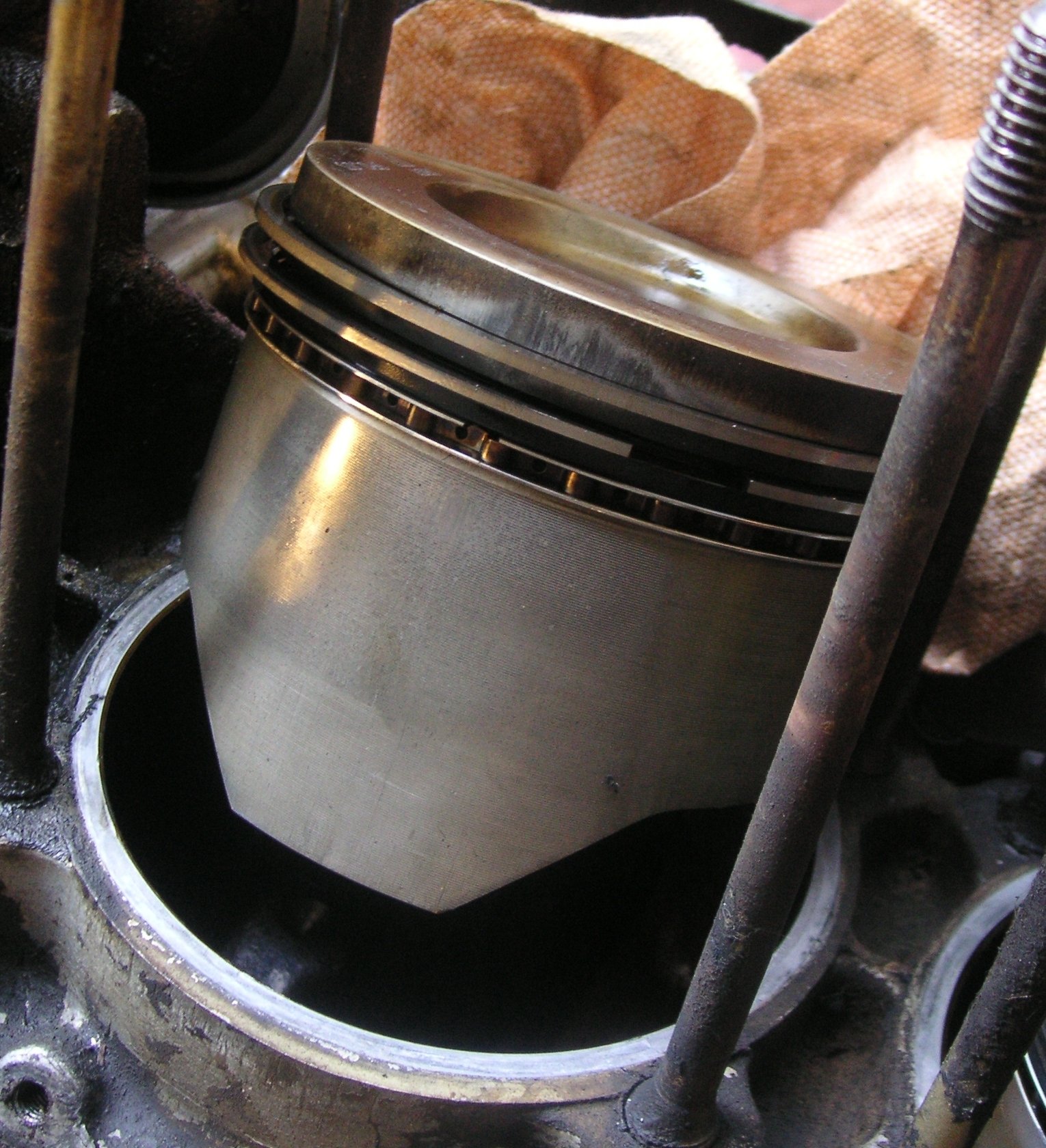
Anyone who’s priced out a full engine replacement has probably also looked at engine rebuild kits as the cheaper alternative — buy the parts, pay a machine shop for labor and machining, and end up with a rebuilt engine for less than a complete replacement unit. Sometimes that math works out. Sometimes it doesn’t, especially once labor, machining, and the inevitable extra parts that turn up bad mid-teardown get added to the total. We sell both sides of this decision — the tested, already-rebuilt engines for buyers who want the job done, and the knowledge to help you evaluate whether a kit is actually the better move for your specific situation.
This isn’t a sales pitch dressed up as advice. If a rebuild kit genuinely makes more sense for what you’re doing, we’ll say so. If a tested reconditioned engine gets you back on the road faster and for a comparable or lower total cost, we’ll say that too.
What’s actually in an engine rebuild kit
A standard engine rebuild kit covers the wear components that get replaced any time a block is opened up, regardless of why. Here’s what a typical master kit includes:
| Component | Purpose |
|---|---|
| Piston rings | Seal combustion pressure, control oil consumption |
| Main and rod bearings | Support the crankshaft and connecting rods |
| Full gasket set | Seal the block, heads, oil pan, and intake/exhaust |
| Head gasket | Seals combustion chamber between block and head |
| Timing components | Belt or chain, tensioner, and guides |
| Oil pump | Circulates oil under pressure through the engine |
| Freeze plugs | Seal casting holes in the block |
| Valve stem seals | Control oil passing into the combustion chamber |
Some kits go further and include pistons themselves, not just rings, along with a crankshaft if the original is out of spec. Whether you need that depends entirely on what the teardown and measurement process reveals — you don’t know for certain what’s needed until the engine is apart and the machine shop has measured bore wear, crank journal wear, and deck flatness.
How a rebuild using engine rebuild kits actually goes, step by step
It helps to walk through the real sequence, since a lot of the cost and time in a rebuild happens before the kit parts ever get installed. First, the engine comes out and gets fully disassembled — a process that itself takes real labor hours. Second, the block and heads go to a machine shop for cleaning and measurement: bore diameter, crank journal size, deck flatness, valve seat condition. This step determines what parts you actually need, which is why buying engine rebuild kits before this measurement happens is putting the cart before the horse. Third, any machining gets done — boring, honing, decking, resurfacing — based on what the measurements showed. Fourth, reassembly happens using the kit components, torqued to factory spec in the correct sequence. Fifth, the rebuilt engine goes back into the vehicle and gets broken in according to the kit or engine manufacturer’s recommended procedure.
Skipping or rushing any of these five steps is where rebuilds go wrong. A kit bought before measurement, machining done by a shop without experience on that specific engine family, or a reassembly that skips proper torque sequencing can turn a theoretically cheaper rebuild into an expensive redo.
Kit tiers, and why the price range is so wide
A basic gasket-and-seal kit might run under two hundred dollars and covers just what’s needed to reassemble an engine that didn’t need machining work. A master rebuild kit, including rings, bearings, and a full gasket set, typically runs several hundred dollars depending on engine size and application. A kit that also includes pistons and a reground or new crankshaft climbs well beyond that, sometimes approaching what a tested used engine costs outright. That last comparison is exactly where it’s worth stopping to do the math before committing to the engine rebuild kits route.
The real cost of a rebuild versus buying a tested engine
A kit price alone is misleading, because it’s rarely the whole cost. Add machine shop charges for boring, honing, decking the block, and resurfacing the heads — that’s typically the single largest line item on most rebuilds. Add labor to pull the old engine, disassemble it, and reassemble the new internals, which a shop bills separately from the reinstall. Add the near-certainty that something turns up bad mid-teardown that wasn’t budgeted for — a cracked head, a warped block, a crank outside tolerance even after grinding. By the time all of that lands on the invoice, a full rebuild using quality engine rebuild kits often costs close to, or more than, a tested reconditioned engine from a supplier who’s already absorbed that risk and priced it in.
Where a rebuild wins is control — you know exactly what went into the engine, down to the brand of every ring and bearing, and you can spec upgrades a stock reconditioned unit won’t have. That’s worth paying for if performance customization is the actual goal. If the goal is simply a running engine again as efficiently as possible, it’s worth pricing both paths honestly before choosing.
Our reconditioned engines as the alternative
For buyers who’d rather skip the machine shop timeline and parts-sourcing hassle entirely, we sell reconditioned engines that have already been through this process — new gaskets, seals, and wear items installed, bench-tested before listing. A few current examples:
| Engine | Type | Condition | Approx. Price (USD) |
|---|---|---|---|
| Toyota F33A-FTV | Turbo diesel | Reconditioned, tested | $11,300 |
| BMW B57D30B | Inline-6 turbo diesel | Reconditioned, tested | $3,400 |
| Toyota N04C | Inline-4 turbo diesel | New/reconditioned options | $3,200 |
Every unit here skips the machine shop wait and the mid-project surprises, because that work already happened before it went up for sale. You’re paying for a finished, tested result instead of a parts box and a labor bill with an uncertain final number.
When engine rebuild kits are genuinely the better choice
Rebuild kits make the most sense when you’ve got a specific engine that’s hard to source as a complete replacement — a rare application, a discontinued model, or a performance build where you’re modifying internals anyway and would be tearing the engine down regardless. They also make sense when you or your shop have the machining capability and time to do the work right without rushing, and when you want documented control over every component that goes back in. If any of those describe your situation, a quality kit matched precisely to your bore and block specification is a legitimate path.
Matching a kit to your specific engine
This is where most rebuild mistakes happen. Engine rebuild kits are sized to specific bore diameters and often to specific production years within the same engine family, because manufacturers change tolerances and component specs across a model’s run without always changing the external engine code. Ordering by engine name alone, without confirming the exact bore size your block measures after any prior overboring, is how buyers end up with rings that don’t seat properly or bearings that run too tight or too loose. Always measure before ordering, not after the kit arrives.
Common mistakes with rebuild kits
Buying a kit before the machine shop has measured the block is the most frequent error — you may need oversized pistons and rings if the cylinders needed boring, and a standard-bore kit won’t fit. Skipping a compression and leak-down test on the reassembled engine before putting it back in the vehicle is another; catching a problem on the stand is far cheaper than catching it after the engine’s back in the bay. And underestimating gasket surface prep — failing to properly clean and inspect mating surfaces before installing new gaskets — causes a disproportionate share of comeback failures on otherwise well-executed rebuilds.
Sourcing kits and components through us
While our core catalog is complete engines, we can often help source the specific components inside engine rebuild kits for buyers working with a shop on a rebuild — bearings, gasket sets, and timing components matched to the exact engine code. If you’re not sure whether a full kit purchase or one of our reconditioned engines makes more sense for your project, send us the engine code and what you’re trying to accomplish, and we’ll give you a straight answer rather than pushing you toward whichever option we’d rather sell.
Shipping kits and engines worldwide
Rebuild kits ship easily by standard freight or courier given their size and weight, domestically or internationally. Complete engines, whether new, used, or reconditioned, ship by freight domestically and by ocean container for international orders, with full export documentation and a Certificate of Origin included. Whichever path you choose, we quote shipping separately and honestly rather than folding it into a number that looks better than it actually is once the real total lands.
Kit quality varies more than buyers expect
Not all engine rebuild kits sold under a similar description are actually equivalent. Bearing material and clearances, ring coatings, and gasket materials all vary between budget and premium kit lines, and the difference shows up in how long the rebuild actually lasts rather than at the moment of installation when everything looks fine either way. A budget kit isn’t automatically a bad choice — for a vehicle you’re keeping short-term, it can be perfectly reasonable — but it’s worth knowing you’re making that tradeoff rather than assuming all kits at a given price point perform identically. Ask specifically about bearing material and ring type before ordering rather than assuming a lower price means the same parts at a discount.
Sourcing rebuild components for export and international buyers
A fair number of buyers reaching out about engine rebuild kits are shops or fleet operators outside the country the parts ship from, often because sourcing quality components locally is harder or more expensive in their market than importing them. The process works the same way it does for our complete engines — we quote shipping honestly based on destination and package weight, provide the documentation needed for customs clearance, and leave import duties and local compliance to the buyer’s side of the transaction. Component kits are generally easier and cheaper to ship internationally than complete engines simply because of the size and weight difference, which makes this a practical option even for buyers who’d find shipping a full engine cost-prohibitive.
Warranty differences between the two paths
A kit itself typically carries a manufacturer’s warranty on individual components, usually against defects rather than performance after installation — the workmanship of your rebuild is on whoever does the machining and assembly. A reconditioned engine from our catalog carries a written warranty on the complete unit, typically 30 to 90 days, covering internal mechanical failure. That’s a meaningful difference worth weighing: a kit puts more responsibility on your installer’s skill, while a reconditioned engine puts that responsibility on the seller before it ever ships. Our piece on what you’re actually paying for with a rebuilt engine goes deeper into that distinction.
Who typically buys engine rebuild kits versus a complete engine
Independent machine shops and performance builders make up a big share of engine rebuild kits buyers, since they’ve already got the labor and machining relationship in place and are often modifying the internals anyway rather than restoring stock specs. Classic car and restoration owners are another common buyer, particularly for engines where a factory-correct rebuild matters more than sourcing a random used replacement of uncertain history. Fleet operators and shops working on common daily-driver applications, by contrast, more often go straight to a tested reconditioned or used engine, because getting the vehicle back in service quickly matters more than the specific brand of internal components. Neither group is wrong — the right choice really does depend on what you’re building and why.
Frequently asked questions
Do engine rebuild kits include the block itself?
No. Kits are built around reusing your existing block after machining. If the block itself is cracked or beyond repair, you’d need a replacement block separately, which changes the cost equation significantly toward buying a complete engine instead.
How long does a rebuild using a kit typically take?
Between machine shop turnaround and reassembly, plan on several weeks at a minimum, longer if the shop is backed up or if measurement reveals additional parts are needed. A tested reconditioned engine, by comparison, is ready to ship immediately.
Can I use a rebuild kit on a high-mileage engine?
Yes, provided the block itself measures within spec after cleaning and inspection. High mileage alone doesn’t disqualify a block from being rebuilt — it’s the actual measured wear that determines what’s needed.
Do you offer both new and used engine rebuild kits?
We primarily help source new component kits matched to specific engine codes rather than used kits, since used internal components carry too much uncertainty for a rebuild to be reliable.
The bottom line
Engine rebuild kits are a legitimate path when you’ve got the machining access, the time, and a specific reason to control every component going back into the block. For most buyers who just need a running vehicle again without the wait and the mid-project surprises, a tested reconditioned engine from our catalog gets there faster and often for a comparable total cost once labor and machining are counted honestly. Look at both numbers before deciding, and reach out if you want a straight comparison for your specific engine code — we’ll tell you which path actually makes sense rather than just pushing the more profitable one.
Posts Widget




Best Auto Motors
USA HERALD MAGAZINE INC
Buy the best quality engines from our website online and get a fast delivery within 6 days.
Copyright 2022.KlbTheme . All rights reserved
