


Engine Replacement Cost: Real Numbers for New, Used, Remanufactured & Rebuilt
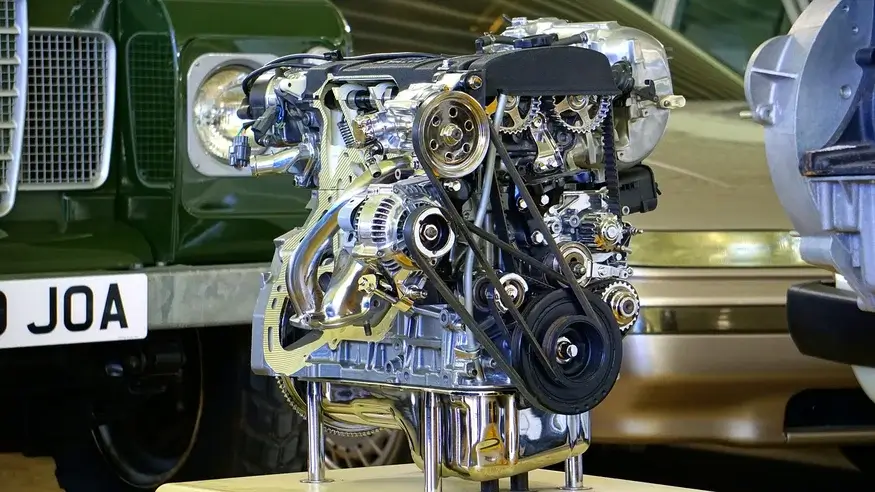
Engine replacement cost is one of those numbers that’s genuinely hard to pin down until someone gives you real ranges by option type, because the honest answer is “it depends” — but that’s not useful when you’re staring at a quote and trying to figure out if it’s fair. This guide breaks down what engine replacement actually costs across new, remanufactured, rebuilt, and used options, what drives the price up or down, and how to tell if a quote you’ve received is reasonable.
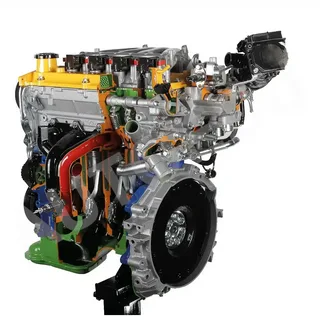
The Four Engine Replacement Options and What They Cost
| Option | What It Means | Typical Total Cost (Parts + Labor, USD) |
|---|---|---|
| New | Factory-new engine, rarely available aftermarket for consumer vehicles | $4,000 – $10,000+ |
| Remanufactured | Torn down, machined to spec, rebuilt with new wear parts | $3,000 – $7,500 |
| Rebuilt (your engine) | Your existing engine machined and reassembled with new parts | $2,500 – $5,500 |
| Used (tested) | Pulled from a running donor vehicle, compression-tested and documented | $1,800 – $4,500 |
These ranges cover mainstream four- and six-cylinder engines through V8s. Diesel and larger displacement platforms run higher across every category. Labor alone typically adds $1,000 to $2,500 to any of these numbers depending on the vehicle and how accessible the engine bay is — engines with the intake, exhaust, and accessories all needing removal and reinstallation cost more in labor than a straightforward transverse four-cylinder.
What Actually Drives Engine Replacement Cost
Engine type and displacement. A four-cylinder engine replacement costs meaningfully less than a V8, and diesel engines typically cost more than gas engines of similar size due to more expensive components and lower production volume in some markets.
Labor rate and region. Shop labor rates vary widely — a shop in a major metro area often charges more per hour than a rural independent shop, and that difference compounds on a job that takes 8-15 hours of labor.
Vehicle accessibility. Some engine bays are straightforward; others require subframe drops, extensive accessory removal, or specialized lifts. This is a bigger factor in engine replacement cost than most people expect going in.
Engine source. As shown in the table above, new costs the most, used costs the least, with remanufactured and rebuilt in between. This is usually the single biggest lever you control as the buyer.
What else needs replacing. A clutch, flywheel, motor mounts, or a timing kit that’s due for replacement anyway adds to total engine replacement cost regardless of which engine source you choose — factor these in before you compare quotes.
Engine Replacement Cost by Vehicle Type
| Vehicle Type | Typical Engine Replacement Cost (Used, Tested) | Typical Cost (Remanufactured) |
|---|---|---|
| Compact sedan (4-cyl) | $1,600 – $2,800 | $3,000 – $4,800 |
| Midsize sedan/SUV (V6) | $2,200 – $3,800 | $3,800 – $6,000 |
| Full-size truck (V8) | $2,800 – $4,800 | $4,500 – $7,500 |
| Diesel pickup | $5,000 – $9,000 | $8,000 – $14,000 |
| Luxury/performance V8 | $3,500 – $6,500 | $6,000 – $12,000 |
These numbers align with independent estimates too — RepairPal’s repair cost estimator shows similarly wide ranges for engine-related work once you account for vehicle type and region, which reinforces that there’s no single “engine replacement cost” number that applies across every situation.
Used vs. Remanufactured: The Real Trade-Off
The core decision most people land on is used versus remanufactured, since new engines aren’t typically available and full rebuilds only make sense in specific situations. A tested used engine costs less because you’re buying a unit with real mileage and a documented service history rather than fresh internals — but a properly tested used engine, with clean compression numbers and low documented mileage, is a completely reasonable choice for the vast majority of repairs. Remanufactured costs more because every wear component is new regardless of what the core actually needed, which means more predictable tolerances but a higher price for work that, on a good used engine, wasn’t necessary in the first place.
Neither option is universally “better” — it depends on your budget, your risk tolerance, and how long you plan to keep the vehicle. If you’re keeping the car long-term and want maximum predictability, remanufactured has an edge. If you want to minimize engine replacement cost without meaningfully compromising reliability, a well-documented tested used engine is hard to beat on value.
Long Block vs. Short Block vs. Complete Engine: Cost Impact
Beyond the source (new, reman, rebuilt, used), what you’re buying also affects engine replacement cost. A used short block engine costs the least since it excludes heads and valvetrain — but only makes financial sense if your existing heads are healthy. A used long block engine costs more but includes tested heads and valvetrain, saving you that separate cost and labor. A complete engine assembly costs the most of the three but comes closest to a drop-in replacement, including intake and accessories. We cover this decision in more depth, including specific platform pricing, in our used long block engines guide.
Labor Cost Breakdown
Labor typically runs 8 to 15 hours for a standard engine replacement on a mainstream vehicle, though transversely mounted engines in tight engine bays and anything requiring a subframe drop can push past 20 hours. At a shop labor rate of $100-180 per hour, that puts labor alone at roughly $800 to $3,600 depending on the vehicle and region — a huge swing that has nothing to do with the engine itself and everything to do with the vehicle’s design and your local labor market. Always get a written labor estimate before committing, separate from the parts cost, so you can evaluate each independently.
Hidden Costs That Add to Engine Replacement Cost
- Timing kit — often not included with a used or reman engine, $100-450 in parts
- Clutch and flywheel (manual transmissions) — commonly replaced during an engine swap since access is already open, $400-900
- Motor and transmission mounts — worth replacing if worn, $150-500 for a full set
- Coolant, oil, and filters — straightforward but easy to forget when budgeting, $80-200
- Diagnostic and reprogramming fees — some modern vehicles need ECU relearn procedures after an engine swap, $100-300
- Core charge — applies mainly to remanufactured engines if you’re not returning your old core, $500-1,500 if not returned
Ask for an itemized quote that separates these from the base engine replacement cost so you know exactly what you’re paying for and can compare quotes accurately across shops or sellers.
When Repair Costs Less Than Replacement
Not every engine problem justifies full replacement. If you’re facing a single major repair — a head gasket, a water pump, a timing component — rather than multiple compounding failures, repair almost always costs less than replacement. We cover the specific parts and price points for common repairs in our engine repair parts guide. The general rule: if the repair estimate approaches 50% or more of a tested used engine’s total installed cost, and especially if there are multiple simultaneous issues, replacement usually becomes the more sensible option rather than sinking that much money into an engine that’s already shown it’s failing.
Regional and Market Factors
Engine replacement cost varies by region due to labor rates, parts availability, and local demand for specific platforms. Areas with more salvage yards and higher vehicle turnover often have better access to low-mileage used engines at competitive prices. Areas with fewer options may see higher prices simply due to scarcity and shipping costs. If you’re not local to a major market, factor in freight cost when comparing a nearby (possibly pricier) option against a more competitively priced engine that needs to ship a longer distance.
Getting an Accurate Engine Replacement Cost Estimate
To get a real number instead of a rough range, you need: your exact VIN or engine code, a diagnosis of what actually failed (not just symptoms), and quotes broken into parts and labor separately. A vague verbal estimate over the phone without those three things is a starting point, not a number to budget around. We can quote the engine cost side directly once we know your VIN and what condition and mileage range you’re targeting — pair that with a labor quote from your installing shop for the full engine replacement cost picture.
DIY vs. Professional Installation: The Cost Difference
If you have the tools, the space, and the mechanical experience, doing the labor yourself is the single biggest way to reduce engine replacement cost — potentially saving the $800 to $3,600 labor range entirely. But it’s worth being realistic about what that involves: engine hoists, jack stands rated for the weight, a torque wrench, and usually a full day or more of work even for someone experienced. Mistakes on things like torque sequences, ECU relearn procedures, or fluid fill levels can turn a DIY savings into an expensive comeback repair. For most people without prior engine swap experience, professional installation is worth the labor cost for the peace of mind alone, but if you’re mechanically confident and have done similar jobs before, it’s a legitimate way to bring total engine replacement cost down significantly.
Insurance and Warranty Coverage for Engine Replacement
Whether insurance or a warranty covers any part of engine replacement cost depends heavily on the cause of failure and your specific policy. Comprehensive auto insurance typically covers engine damage from a covered event — flood, fire, collision — but not from normal wear, neglect, or lack of maintenance. Extended warranties and powertrain warranties vary enormously in what they actually cover; many exclude damage traced back to a missed maintenance interval, which insurers can sometimes verify through service records. If you think a failure might be covered, get a written diagnosis from a shop before any repair work begins — insurers and warranty companies generally want documentation of cause before they’ll approve a claim, and starting the repair first can complicate that process.
How Mileage and Vehicle Age Affect the Replace vs. Repair Decision
Engine replacement cost decisions get easier to reason through once you factor in your vehicle’s overall condition and remaining expected lifespan. A vehicle at 60,000 miles with an otherwise clean maintenance history and no other looming repairs is a strong candidate for engine replacement — you’re likely to get significant additional service life out of the rest of the car. A vehicle at 180,000 miles with a transmission that’s also starting to show signs of wear, worn suspension components, and significant rust is a much harder case to justify a full engine replacement on, even if the engine replacement cost itself is reasonable — you may be sinking money into a vehicle that has other expensive problems close behind.
Getting Multiple Quotes: What to Compare
Engine replacement cost quotes from different sources need to be compared on more than just the bottom-line number. When you’re gathering quotes:
- Confirm whether the quote is parts-only or includes labor
- Ask what specific condition grade the engine is (new, remanufactured, tested used, as-is)
- Get documented mileage and, for used engines, compression test data
- Clarify warranty length and exactly what it covers
- Ask if the quote includes ancillary parts like a timing kit, gaskets, or mounts, or if those are extra
Two quotes that look close on price can represent very different value once you account for these factors — a slightly higher quote with a documented low-mileage engine and a real warranty is often the better deal over a lower quote with vague condition claims and no warranty backing it up.
A Real Example: Comparing Three Quotes
A customer recently shared three quotes he’d gathered for a V8 engine replacement on a full-size truck after a rod bearing failure. Quote one, from a dealership, was $8,200 for a new-condition remanufactured engine with a 3-year warranty, labor included. Quote two, from an independent shop sourcing a used engine themselves, was $4,600 with a vague “low mileage, runs great” description and a 90-day warranty, labor included. Quote three, from us, was $3,400 for the tested used long block plus a separate labor quote of $1,400 from his chosen shop, totaling $4,800, with documented compression numbers, verified mileage at 52,000, and a 6-month warranty on the engine itself.
He went with option three — not because it was the absolute cheapest on paper, but because it gave him the most actual information to evaluate: real compression numbers, real mileage, and a clear warranty period, at a total engine replacement cost close to the middle option but with far more transparency. That’s usually the right way to compare quotes — not just the final number, but what you can actually verify behind it.
Frequently Asked Questions
Is it ever cheaper to buy a new car than replace the engine?
Sometimes, particularly on older vehicles with a low overall market value where the engine replacement cost approaches or exceeds what the car is worth. Compare the replacement cost against your vehicle’s actual market value, not what you feel it’s worth, before deciding.
Does engine replacement cost include a warranty?
It depends entirely on the source. Tested used engines from a reputable seller typically include a written warranty against mechanical failure; remanufactured engines usually carry longer warranty terms given the more extensive rebuild process. Always confirm warranty terms before comparing prices, since a cheaper option with no warranty isn’t necessarily the better deal.
Can I finance an engine replacement?
Many shops and engine sellers, us included, offer payment options for larger repairs. Ask before assuming you need to pay the full amount upfront.
How long does an engine replacement take?
Typically one to three days once the engine and parts are on hand, depending on the vehicle and shop schedule. Add shipping time if you’re sourcing the engine separately from where the installation happens.
Get a Real Quote
Send us your VIN and a description of what’s wrong, and we’ll give you an accurate engine cost — used, tested, and warrantied — so you can compare it against remanufactured or rebuild quotes with real numbers instead of guesswork. We ship worldwide and we’re upfront about condition, mileage, and what’s included.
Posts Widget




Best Auto Motors
USA HERALD MAGAZINE INC
Buy the best quality engines from our website online and get a fast delivery within 6 days.
Copyright 2022.KlbTheme . All rights reserved
