


Reliable Used Engines: What Actually Makes One Trustworthy
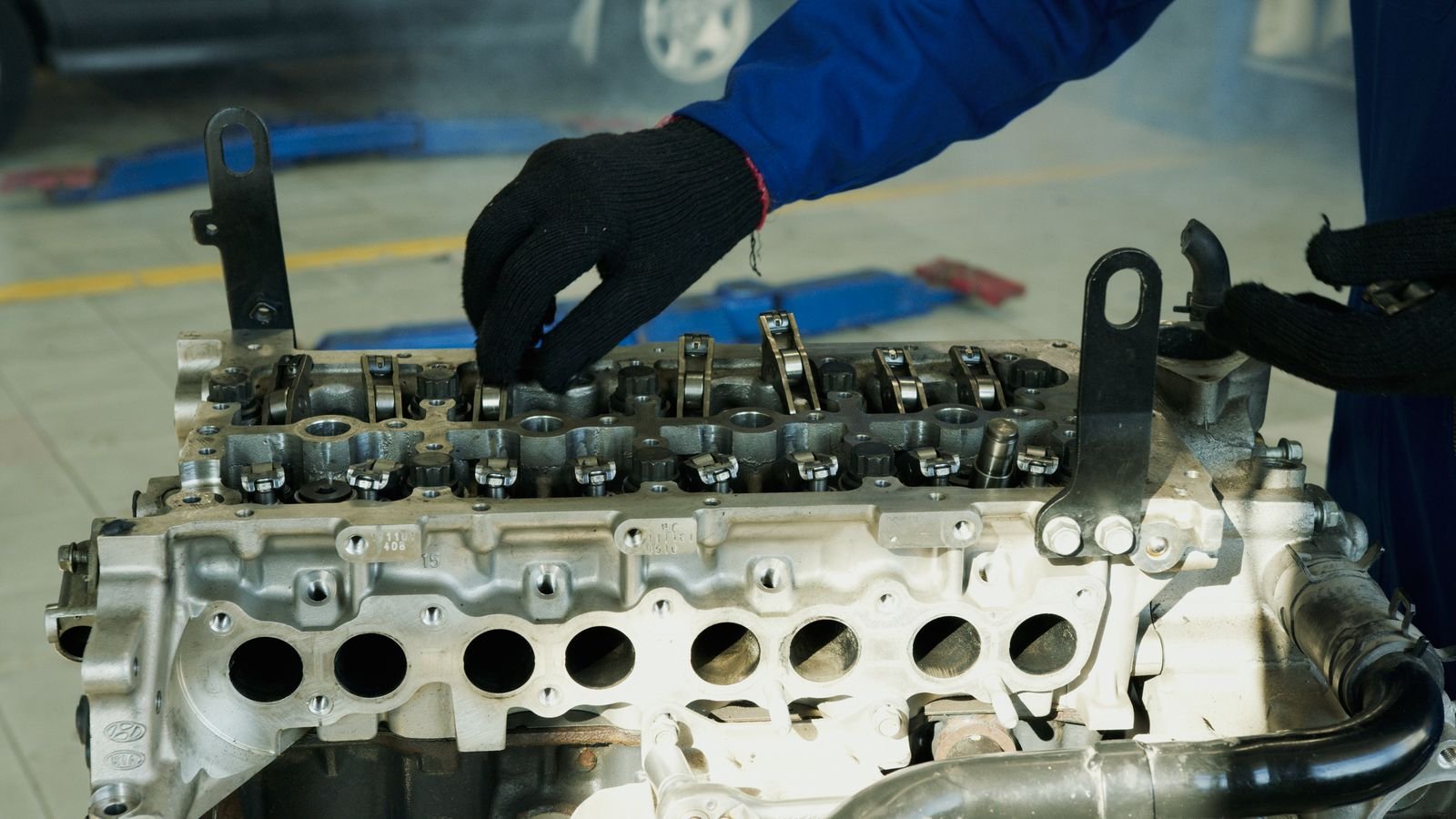
“Reliable” is doing a lot of heavy lifting when it comes to used engines, and it’s worth pinning down what the word should actually mean before you hand over money. A reliable used engine isn’t one that simply starts and idles when a seller films a quick video. It’s one that’s been tested against real numbers, comes with documented condition, and holds up under normal driving for years rather than weeks. That’s a much higher bar than “it ran when we pulled it,” and it’s the bar we hold every engine to before it goes up for sale.
We’ve sold enough engines to know exactly where reliability actually gets decided, long before a customer ever sees a listing. This guide covers what separates a genuinely reliable used engine from one that just looks fine in a photo, what specifications actually matter, and how to verify reliability claims instead of just trusting them.
What Makes an Engine Reliable in the First Place
Reliability in a used engine comes down to a combination of factors: how it was maintained before it was pulled, how many miles are actually on it, how it was stored and handled after removal, and whether it was properly tested before being offered for sale. None of these show up in a photo. A clean-looking engine bay tells you almost nothing about internal wear, which is exactly why compression testing and documented history matter more than visual presentation when you’re trying to find reliable used engines rather than just decent-looking ones.
Age and mileage matter, but they’re not the whole story either. A well-maintained higher-mileage engine can outperform a neglected lower-mileage one, since consistent oil changes and proper warm-up habits do more for long-term reliability than raw mileage numbers alone.
Specifications That Actually Indicate Reliability
When you’re evaluating whether something qualifies as one of the more reliable used engines available for your application, look past the headline mileage number and check:
- Compression readings across every cylinder — consistent numbers across cylinders indicate even wear; a big gap between cylinders is a warning sign regardless of overall mileage.
- Oil condition at the time of pull — clean oil without metal contamination suggests the engine wasn’t already breaking down internally before removal.
- Cooling system condition — no signs of head gasket failure, coolant contamination, or overheating damage, which are some of the most common causes of premature engine failure.
- Timing component condition — timing chain or belt wear, since a failing timing component can cause catastrophic damage regardless of how solid the rest of the engine is.
- Documented service history where available — regular oil changes and maintenance intervals from the donor vehicle add real confidence beyond mileage alone.
A seller who can walk you through these specifics for a given unit is offering something meaningfully different from one who just says “runs great” without backing it up.
How We Test for Reliability Before Listing
Every engine we sell goes through compression testing on every cylinder, not a sample or an average. We check oil condition at the time of pull, inspect for visible signs of prior mechanical issues, and verify mileage against available documentation whenever possible. We’ve written in detail about this exact process in our guide on engine compression testing, which explains why this single test tells you more about real condition than almost any other single data point.
This isn’t a marketing checklist we mention and skip in practice, it’s the actual gate every engine has to pass before it gets photographed and listed. Units that don’t pass get sold for parts or scrapped rather than quietly listed anyway.
Reliable Used Engines by Brand and Type
Reliability varies meaningfully by engine family, and some codes have earned their reputation honestly through years of real-world use. Our BMW N55B30T0 is a good example of a turbocharged inline-six with a strong reliability track record when properly maintained. The Mercedes-Benz OM656 diesel has built a reputation for high-mileage durability in the platforms it powers. On the import side, the Honda R20A and Nissan VQ37VHR both carry strong reputations for long service life when maintained on a normal interval, and our Toyota A25A-FKS reflects Toyota’s broader track record for engines that outlast the vehicles they were originally installed in.
None of that reputation matters, though, if the individual unit you’re buying wasn’t actually tested. A reliable engine family doesn’t guarantee a reliable individual unit, which is exactly why testing at the point of sale still matters regardless of the engine code’s general reputation.
Certification and What It Should Actually Mean
The word “certified” gets attached to used engines almost as loosely as “reliable” does, and it’s worth understanding what real certification should involve versus what’s just a label. We’ve broken this down thoroughly in our guide on certified recycled engines, covering what documented testing and grading standards should actually look like before a seller uses that word on a listing.
How Storage and Handling Affect Reliability
An engine that tested well at the point of pull can still develop problems if it’s stored improperly before it ships. Moisture exposure can cause internal corrosion, especially in cylinders and on bearing surfaces, even in an engine that was mechanically sound when it came off the donor vehicle. We store tested inventory properly, sealed openings, controlled conditions, to make sure the condition documented at testing time is still accurate by the time an engine ships to a customer. Ask any seller how they store inventory between testing and sale; a vague answer here is worth taking seriously.
Reliable Used Engines vs. Rebuilt or New
A genuinely reliable used engine with verified low mileage and solid compression numbers can be just as dependable as a rebuild, and sometimes more so, since factory-machined tolerances from the original assembly line are often tighter than what a rushed rebuild achieves. We’ve covered this comparison directly in our guide on buying rebuilt engines, which walks through when a rebuild actually makes more sense than a well-tested used unit, and when it doesn’t.
According to reliability research published by Consumer Reports, engine reliability tends to correlate closely with consistent maintenance history rather than brand alone, which lines up with what we see firsthand testing engines that come through our shop: a well-maintained example from almost any manufacturer tends to outperform a neglected one from a brand with a stronger general reputation.
How to Vet a Seller’s Reliability Claims
Any seller can claim their inventory is reliable. What separates a claim worth trusting from one that isn’t is whether it’s backed by specifics you can verify. Ask for actual compression numbers rather than a general assurance. Ask what testing happened between the engine being pulled and being listed. Ask what the warranty actually covers, since a seller confident in their engine’s reliability should be comfortable backing that confidence with real coverage. We’ve covered this vetting process more broadly in our guide to trusted engine sellers, which applies directly to evaluating reliability claims specifically.
Warranty as a Reliability Signal
A warranty isn’t just a safety net for the buyer, it’s also a signal about how confident a seller actually is in what they’re selling. A seller offering a meaningful warranty period is implicitly telling you they expect the engine to hold up, since they’re the ones on the hook if it doesn’t. We’ve detailed our own coverage in our guide on used engines under warranty, and comparing warranty length and terms across sellers is one of the more reliable ways to gauge how seriously each one takes their own reliability claims.
Reliable Used Engines for Long-Distance and International Shipping
Reliability matters even more when an engine is traveling a long distance before it ever gets installed, since there’s less room for a quick local exchange if something turns out to be wrong. We test and document condition the same way regardless of destination, and we package engines to survive freight handling without the trip itself introducing new problems. Buyers ordering internationally should ask specifically how a seller prepares an engine for long-distance shipping, since standard domestic packaging isn’t always sufficient for extended transit.
Diesel vs. Gas: Reliability Considerations Differ
Diesel and gas engines fail differently, and understanding that helps you evaluate reliable used engines within the right context rather than applying the same checklist blindly to both. Diesel engines are generally built with heavier internal components designed for higher compression and longer duty cycles, which is part of why well-maintained diesels often rack up significantly higher mileage before needing major work. But diesel-specific components, injectors, turbos, glow plugs, introduce their own failure points that a gas engine simply doesn’t have. Gas engines have fewer of those diesel-specific systems to worry about, but timing components and valve train wear tend to show up sooner relative to total mileage.
When you’re comparing reliable used engines across fuel types, ask fuel-type-specific questions. For a diesel, ask about injector condition and turbo health in addition to compression. For a gas engine, ask about timing chain or belt condition and any history of oil consumption, which can be an early indicator of valve seal or piston ring wear.
Common Failure Points Worth Checking Specifically
Beyond the general compression and mileage checks, a few specific failure points are worth asking about directly since they’re common across many engine families regardless of brand. Head gasket integrity matters enormously, since a failed head gasket can introduce coolant into the oil or combustion chamber, causing damage well beyond the gasket itself if it went unnoticed for any length of time. Oil pump condition matters too, since a worn oil pump can starve bearings of lubrication even in an otherwise healthy engine. Timing component wear, whether chain or belt driven, is worth asking about specifically since a failure here can cause catastrophic valve-to-piston contact in interference engines.
A seller who can speak specifically to these points for a given unit, rather than offering a blanket “it’s in good shape,” is demonstrating the kind of engine-specific knowledge that actually correlates with reliable used engines rather than just optimistic guesswork.
Reliability Starts With How You Install It, Too
Even the most reliable used engines can develop problems if the installation itself introduces issues, old gaskets reused where they shouldn’t be, incorrect torque specs, or skipped steps like replacing worn accessory components during the swap. If you’re installing the engine yourself or through a shop, make sure new gaskets and seals are used at every connection point disturbed during the install, and that fluids get changed rather than reused from the old engine. A perfectly reliable engine installed poorly can fail in ways that have nothing to do with the unit itself, which is worth keeping in mind before assuming an early problem means the engine was bad from the start.
Proper break-in matters too. A freshly installed engine, even a tested used one, benefits from avoiding sustained high RPM and heavy loads for the first several hundred miles while everything settles back into normal operating tolerances.
Reliability Considerations for Fleets and Shops
Shops and fleet operators care about reliability differently than an individual buyer replacing one engine. A single unreliable engine in a fleet context can mean a vehicle out of service, missed deliveries, or a customer’s car sitting on a lift longer than quoted, costs that compound quickly across multiple units. If you’re sourcing reliable used engines regularly rather than as a one-time purchase, it’s worth asking a supplier about consistency across orders specifically, whether every unit gets the same testing regardless of order size, and whether there’s a documented process you can review rather than just a general assurance.
We’ve covered volume-specific sourcing considerations in our guide on choosing a bulk used engine supplier, which is worth reading if reliability at scale, not just for a single purchase, is your actual priority.
Common Misconceptions About Reliable Used Engines
- “Low mileage always means reliable.” Mileage matters, but maintenance history and testing results matter more. A low-mileage engine that sat unused for years can have its own set of problems.
- “A running video proves reliability.” A video shows an engine can idle for thirty seconds. It says nothing about compression, internal wear, or how it performs under load.
- “Reliable engines don’t need a warranty.” Even the most reliable used engines can have an undetected issue. A warranty exists precisely because testing reduces risk, it doesn’t eliminate it entirely.
- “All sellers test the same way.” Testing standards vary enormously between sellers, from thorough cylinder-by-cylinder compression checks to nothing more than a visual inspection.
How Climate and Prior Use Affect Long-Term Reliability
Where an engine spent its working life matters more than most buyers realize. An engine pulled from a vehicle that spent years in a harsh climate, extreme cold, road salt, high heat and dust, can have different wear patterns than one from a milder environment, even at identical mileage. Cold climates are hard on cold-start wear and can accelerate gasket and seal aging. Hot, dusty environments can accelerate wear on air intake and cooling components. None of this means an engine from a tough climate is automatically unreliable, but it’s a reasonable question to ask if a seller has any information about the donor vehicle’s history and location.
Similarly, an engine from a vehicle used primarily for short trips can actually show more wear-related issues than one from a vehicle used for consistent highway driving, since short trips don’t let an engine fully reach and hold optimal operating temperature, which affects oil condition and internal wear over time. Mileage alone doesn’t capture this kind of nuance, which is part of why testing at the point of sale matters more than any single data point a donor vehicle’s history can offer.
What to Ask Before You Buy
Before committing to any listing claiming to be among the reliable used engines available for your vehicle, ask for the actual compression numbers, ask what documentation exists for mileage and maintenance history, ask what the warranty specifically covers, and ask how the engine has been stored since testing. A seller who answers all four clearly and specifically has earned a level of trust that a vague “trust us, it’s reliable” listing hasn’t.
Frequently Asked Questions
What’s the single best indicator of a reliable used engine?
Cylinder-by-cylinder compression numbers combined with documented mileage and maintenance history. No single number tells the whole story, but consistent compression readings across cylinders are one of the strongest individual signals.
Are higher-mileage engines automatically less reliable?
Not necessarily. A well-maintained higher-mileage engine can outperform a neglected lower-mileage one. Maintenance history matters as much as the odometer reading.
How long should a reliable used engine’s warranty be?
It varies by seller and engine type, but a warranty that covers at least the first few months of normal use gives you a reasonable window to catch any issue that testing might have missed.
Does engine brand matter more than individual testing?
Brand reputation is a useful starting point, but individual unit testing matters more. A well-tested engine from a less flashy brand often outperforms an untested engine from a brand with a strong general reputation.
Can a reliable used engine fail even after passing compression testing?
It’s possible, no test eliminates all risk entirely, which is why a real warranty matters alongside testing. But compression testing catches the vast majority of significant internal issues before an engine ever ships.
Should I ask for maintenance records before buying?
Yes, when they’re available. Documented maintenance history adds real confidence beyond mileage and compression numbers alone, though not every donor vehicle comes with a full paper trail.
Buy Reliable Used Engines With Documented Testing Behind Them
Every engine we sell gets tested the same way regardless of brand or price point, because reliability shouldn’t depend on which listing you happen to click. If you’re trying to track down reliable used engines for a specific vehicle, send us your engine code or VIN and we’ll walk you through exactly what condition the available unit is in, what testing it passed, and what the warranty covers.
Posts Widget




Best Auto Motors
USA HERALD MAGAZINE INC
Buy the best quality engines from our website online and get a fast delivery within 6 days.
Copyright 2022.KlbTheme . All rights reserved
