


Engine Sourcing Company: How We Find, Test, and Ship the Right Motor
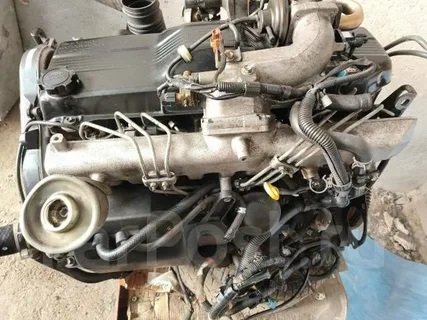
Ask around in the used engine business and you’ll hear “sourcing” thrown out a lot, usually by people who don’t actually do it. Anyone can list an engine they don’t have yet and figure out where to get it after someone pays. An actual engine sourcing company works the other direction: build the supplier network first, test what comes in, and only then put it up for sale. That order matters more than it sounds like it should, because it’s the difference between an engine showing up on your doorstep in a week and an engine that never shows up at all.
We run our operation as an engine sourcing company rather than a single-yard reseller, which means our job isn’t just moving inventory sitting in one warehouse. It’s maintaining relationships with dismantlers, dealer trade-in programs, fleet auctions, and import channels across multiple countries, then filtering everything that comes through those channels down to units actually worth selling. Most of what crosses our path gets rejected. What’s left is what you see listed.
What an Engine Sourcing Company Actually Does
The word “sourcing” covers a lot of ground, so it’s worth being specific. It means we’re not limited to whatever happens to be sitting on our own shelf on a given day. If a customer needs a specific engine code and we don’t have it tested and ready, we can usually locate one through our network within days rather than telling them to check back next month. That’s the practical value of being an engine sourcing company instead of a single-location seller: the inventory pool is bigger than any one building could hold.
It also means quality control happens at the sourcing stage, not just at the point of sale. We’re not accepting units sight unseen from anyone willing to ship us something. Every supplier relationship we maintain has a track record, and units that come in from a new or unproven source get extra scrutiny before they’re ever offered to a customer.
Where the Engines Actually Come From
People sometimes picture a junkyard when they hear “used engine,” and sure, some inventory starts there. But a real engine sourcing company pulls from several different channels, each with its own reason for existing. Dealer trade-ins and lease returns often have low-mileage engines pulled from vehicles totaled for cosmetic or unrelated mechanical reasons. Fleet auctions move higher-mileage but well-maintained commercial engines in bulk. Import channels bring in engine codes that are common overseas but harder to find domestically, JDM Toyota and Nissan units, certain Mitsubishi and Mazda codes, European diesel engines that never sold in large numbers stateside.
Each channel has tradeoffs. Dealer trade-ins tend to have the cleanest paperwork but cost more to acquire. Fleet auction units are often priced better but need more thorough compression testing since duty cycles vary. Import channels solve availability problems for engine codes that are otherwise scarce, but require more careful VIN and spec verification since equipment varies by market. A sourcing company that only pulls from one channel is limiting itself to that channel’s specific tradeoffs; working across all of them is what actually gets a customer the right engine at a fair price.
Specifications We Verify Before Anything Gets Listed
This is the part that separates a real sourcing operation from a reseller just flipping whatever shows up. Before an engine gets a listing, we verify and record:
- Engine code and casting numbers — matched against the block itself, not just the paperwork that came with it, since paperwork and hardware don’t always agree.
- Compression readings across all cylinders — recorded individually, not averaged, since one weak cylinder tells you something an average number hides.
- Mileage, where verifiable — pulled from the donor vehicle’s odometer or service records when available, flagged as estimated when it isn’t.
- Displacement, bore, and stroke — confirmed against factory specifications for that exact code, since mid-generation running changes happen more often than people expect.
- External condition — oil pan, valve covers, wiring harness connectors, turbo housing where applicable, checked for damage that wouldn’t show up on a compression test alone.
- Fluid condition — oil color and consistency checked at pull, since sludge or metal contamination in old oil is an early warning sign worth documenting.
None of this is exotic. It’s just consistent, and consistency is the actual product an engine sourcing company is selling, more than any single engine.
Why Network Size Actually Matters to You as a Buyer
A bigger sourcing network doesn’t just mean more choices on a page. It means shorter wait times for less common engine codes, more competitive pricing since we’re not paying inflated rates to a single local supplier, and better odds of finding a genuinely low-mileage unit instead of settling for whatever’s available locally. We ship worldwide, and our sourcing network reflects that reach rather than being limited to a single region’s salvage market.
This is also why an engine sourcing company can often beat a local specialty shop on turnaround for uncommon engine codes. A local shop with one warehouse either has the engine or it doesn’t. We’re pulling from a wider pool, which usually means a faster answer even for codes that don’t move as often.
Engine Codes We Source Across Multiple Brands
Our sourcing network isn’t limited to one manufacturer or one region. On any given week we’re moving inventory across brands, everything from a BMW N55B30T0 to a Toyota J05C, a Mazda Skyactiv-G 2.5L, or a Mitsubishi 6G75. That range matters because it means we’re not a specialist in one narrow niche pretending to handle everything else, our sourcing relationships genuinely span diesel and gas, domestic and import, four-cylinder and V8.
If you’re looking for a code that isn’t currently on our listings page, it’s worth asking directly rather than assuming we can’t get it. A lot of our sourcing happens ahead of demand for common requests, but plenty of it happens reactively once a customer tells us what they actually need.
Engine Sourcing Company vs. a Single Yard
The honest tradeoff is this: a single yard can sometimes move faster on whatever happens to already be sitting on their shelf, since there’s no coordination with outside suppliers involved. What they can’t do is match the breadth of an engine sourcing company once you need something outside their existing stock. We’ve built our process around covering that gap, testing thoroughly on what we already hold in inventory, and moving quickly through vetted channels for anything we don’t.
We’ve written more about how this compares to buying from a general reseller in our guide on used engine specialists, which covers what actually separates specialist knowledge from someone just relisting whatever crosses their path.
Red Flags When Evaluating a Sourcing Partner
Not every company calling itself a sourcing operation actually runs one. A few signs worth watching for: vague answers when you ask where a specific engine is actually coming from, reluctance to share compression numbers before you commit to paying, and pricing that seems disconnected from the condition being described. A legitimate sourcing company should be able to tell you roughly where an engine is in the pipeline, tested and on the shelf, in transit from a supplier, or still being located, rather than giving you a vague “it’ll ship soon.”
We’ve covered broader red flags across the whole used engine market in our piece on trusted engine sellers, and most of that framework applies directly to evaluating a sourcing company specifically.
How Pricing Works When You Source at Scale
Volume sourcing changes pricing dynamics in ways that benefit the buyer, assuming the company passes those savings along instead of just pocketing the margin. Buying access across multiple channels means less dependence on any single supplier’s asking price, which gives more room to negotiate and more flexibility to walk away from an overpriced unit in favor of an equivalent one from a different source. That’s part of why sourcing-based pricing tends to be more competitive than a single yard marking up whatever happens to be sitting in their lot.
It’s still worth comparing quotes rather than assuming any single sourcing company automatically has the best price on a given day. Ask what’s included, testing documentation, warranty terms, shipping, since the sticker price alone doesn’t tell the whole story.
Shipping and Documentation for International Orders
Sourcing worldwide means shipping worldwide, and that adds a documentation layer that a purely local seller doesn’t have to think about. Customs paperwork, freight coordination, and accurate description of the engine’s condition on shipping documents all matter for a smooth international transaction. We handle this as a standard part of the process rather than something bolted on after the fact. Our guide on fast engine delivery covers what timelines actually look like once an order is placed, both domestically and for international freight.
According to guidance published by the National Highway Traffic Safety Administration on VIN standards, vehicle identification data is what ties a specific engine back to its original application, which is exactly why we cross-check VIN and engine code data before any unit ships, domestic or international.
Warranty Backing From a Sourcing Company
Sourcing widely doesn’t mean lowering the bar on what stands behind the sale. Every engine we sell, regardless of which channel it came through, carries the same warranty terms and the same testing documentation standard. That consistency is the point of running sourcing and quality control as one connected process instead of treating them separately. We’ve broken down exactly what our warranty covers in our guide on used engines under warranty, and the terms there apply the same way regardless of which supplier channel an engine originated from.
Sourcing for Shops and Fleet Accounts
Shops and fleet operators tend to care about sourcing capacity more than individual buyers do, since a single bad supplier relationship can mean recurring problems across dozens of engines instead of just one. If you’re sourcing regularly rather than making a one-off purchase, it’s worth asking directly about consistency across orders, whether every unit is held to the same testing standard regardless of volume, and whether pricing scales down meaningfully at higher order counts. We’ve covered volume-specific considerations in our guide to working with a bulk used engine supplier, which overlaps heavily with what a fleet account should expect from a sourcing partner.
Common Mistakes Buyers Make Choosing a Sourcing Partner
- Assuming bigger automatically means better tested. Scale should come with consistent process, not instead of it. Ask how testing is standardized across every unit, not just the ones on the homepage.
- Not asking where a specific engine is actually coming from. “We can get that” should come with a rough answer about the channel and timeline, not just a yes.
- Ignoring documentation because the price looked good. A great price on an undocumented engine isn’t actually a good price if it fails without recourse.
- Treating international sourcing as automatically riskier. A well-run import channel with proper VIN verification can be just as reliable as a domestic one; the risk is in the verification process, not the geography itself.
What to Ask Before You Commit
A short list worth running through with any engine sourcing company before you send payment: Is this specific unit already tested and on the shelf, or still being sourced? What were the actual compression numbers, cylinder by cylinder? What’s covered under warranty and for how long? What does shipping actually cost to your specific location, and what’s the realistic delivery window? A company confident in its own process answers these directly instead of steering you back toward “just trust us.”
How We Vet a New Supplier Before Adding Them to the Network
Adding a new source to our sourcing network isn’t automatic just because someone has engines to sell. A new supplier typically starts with a small trial batch, units we test ourselves against our own standard rather than trusting whatever grading the supplier applied before shipment. If the trial batch holds up, compression numbers matching what was represented, mileage claims checking out, external condition consistent with the description, that supplier moves into regular rotation. If it doesn’t, the relationship ends there. This is slower than just accepting inventory from anyone willing to sell in bulk, but it’s the only way an engine sourcing company keeps its testing standard meaningful over time instead of just becoming a pass-through for whatever a supplier claims.
We also revisit existing supplier relationships periodically rather than assuming a good trial batch guarantees consistent quality forever. Engine condition in donor vehicles varies, and a supplier whose inventory was excellent a year ago can decline if their own sourcing practices change. Ongoing spot checks catch that drift before it reaches a customer.
Sourcing for Rare or Discontinued Engine Codes
Some of the hardest requests we get aren’t for popular engines, they’re for codes that stopped being common a decade or more ago, or that were never sold in large numbers in a given market to begin with. This is where being an engine sourcing company with real reach actually pays off for a buyer. A single local yard either has one of these sitting around by chance or they don’t, and there’s no in-between. A wider sourcing network means checking multiple regional markets, reaching out to specialty dismantlers who focus on older or less common platforms, and sometimes waiting for the right unit to surface rather than settling for something that’s close but not actually correct.
If you’re chasing a discontinued or unusual code, it’s worth telling us upfront rather than assuming it’s not worth asking about. We’d rather give you an honest timeline, even if that timeline is longer than you’d like, than pretend we have something ready to ship when we don’t.
What Happens to an Engine Between Sourcing and Listing
There’s a gap between when an engine arrives from a supplier and when it actually appears as a listing, and that gap is where most of the real work happens. Every unit gets cleaned enough to inspect properly, since grime and old oil residue can hide cracks, leaks, or damage that would otherwise get missed. Compression testing happens cylinder by cylinder, and the numbers get recorded rather than summarized into a vague “tested good.” External components get checked against what a buyer would actually need, sensors, brackets, wiring harness connectors, since a technically running engine missing half its ancillary parts isn’t really ready to sell as complete.
Only after all of that does an engine get photographed and listed. It’s a slower process than just relisting whatever came off a truck, but it’s the difference between an engine sourcing company you can actually rely on and one that’s just moving boxes.
Working With International Buyers
A meaningful share of our orders ship outside the country we’re based in, and that’s a natural extension of running an engine sourcing company that pulls inventory from multiple regions in the first place. If you’re ordering from overseas, the process isn’t fundamentally different from a domestic order, we still verify the engine code against your vehicle’s specs, still run the same compression testing before it ships, and still document condition thoroughly. The main difference is freight logistics and customs paperwork, which we handle as a routine part of international orders rather than something that catches either side off guard partway through.
If you’re unsure what documentation your country requires for an imported engine, ask before you order rather than after it’s already in transit. We’d rather sort out paperwork requirements upfront than have a shipment held up at customs because something was missing.
Frequently Asked Questions
What makes a company an engine sourcing company instead of just a seller?
A sourcing company actively maintains supplier relationships across multiple channels, dealer trade-ins, fleet auctions, import networks, rather than relying on a single local source of inventory. That breadth is what lets it fill requests a single-yard seller can’t.
Is a sourced engine tested the same way as one already in stock?
It should be. A legitimate sourcing company applies the same compression testing, mileage verification, and documentation standard regardless of which channel the engine came through.
How long does sourcing an uncommon engine code usually take?
It varies by code and channel, but a well-connected sourcing network can often locate and ship an uncommon engine within days rather than weeks, since the search isn’t limited to one warehouse.
Does sourcing internationally mean longer shipping times?
Generally yes, international freight takes longer than a domestic shipment, but a properly coordinated sourcing company handles customs documentation upfront so the process doesn’t stall once the engine is already in transit.
Can an engine sourcing company get a code that’s not currently listed?
Usually, yes. Listings reflect what’s already tested and on the shelf, not the full reach of the sourcing network. If you don’t see a specific code, ask directly rather than assuming it’s unavailable.
Is buying from a sourcing company more expensive than a local yard?
Not necessarily. Access to multiple channels often means more competitive pricing, since a sourcing company isn’t locked into whatever a single local supplier decides to charge on a given week.
Working With an Engine Sourcing Company That Tests What It Sells
We built our process around sourcing broadly and testing consistently, not one or the other. When you buy from us, you’re not just buying whatever happens to be closest, you’re buying access to a wider network that’s been filtered down to units that actually passed inspection rather than whatever a supplier claimed on a spec sheet. That distinction matters more the harder your specific engine code is to find.
Send us your engine code or VIN and we’ll tell you honestly whether it’s ready to ship today or how long sourcing it properly is realistically going to take. We’d rather give you an accurate timeline upfront than a vague promise that falls apart two weeks in.
Posts Widget




Best Auto Motors
USA HERALD MAGAZINE INC
Buy the best quality engines from our website online and get a fast delivery within 6 days.
Copyright 2022.KlbTheme . All rights reserved
