


Skid Steer Engine for Sale: Specs, Fitment, and Pricing
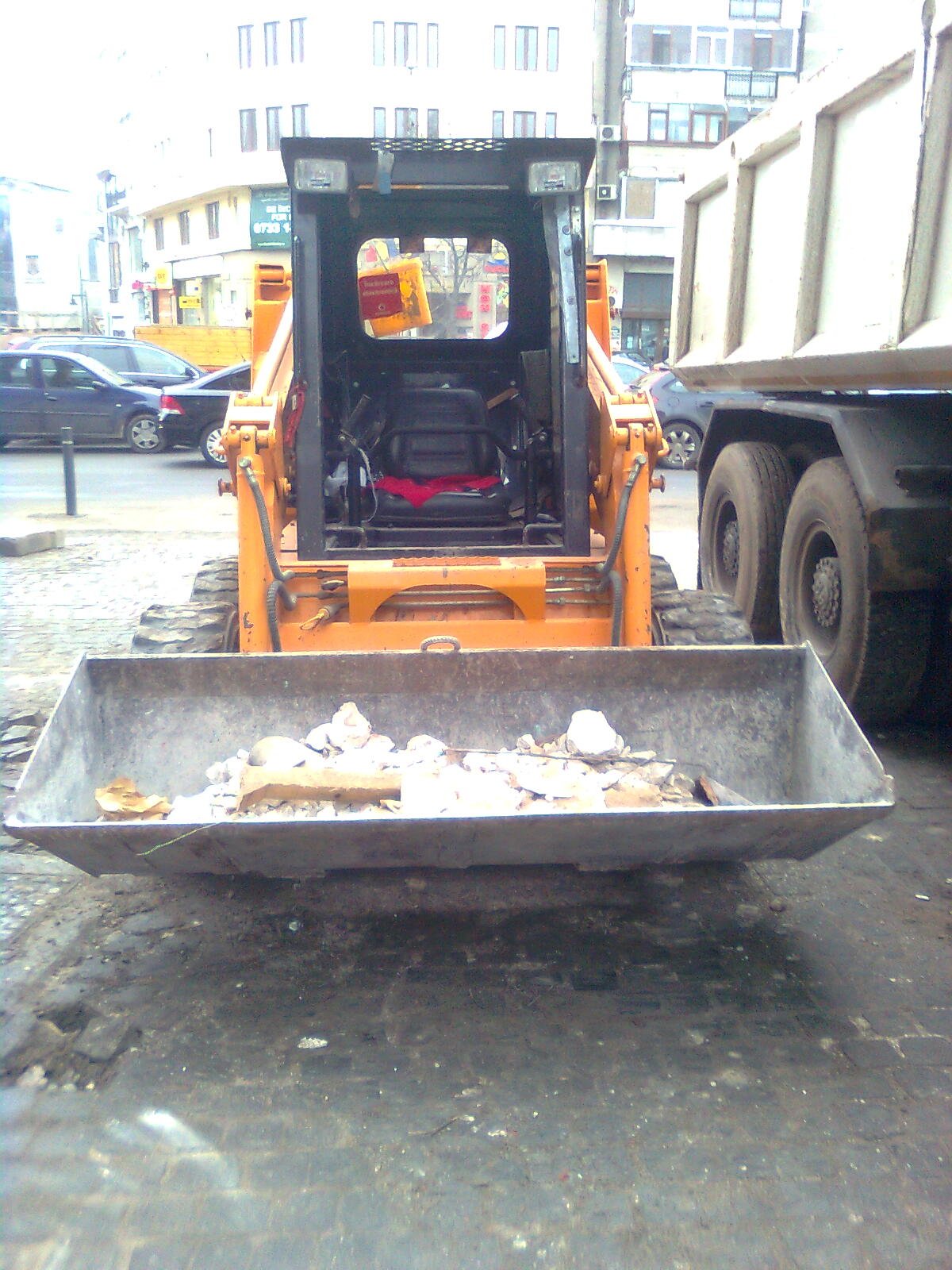
A skid steer with a dead engine is a strange kind of stuck for a small contractor or property maintenance crew — it’s usually the one machine doing everything from grading to demolition to material handling, and when it won’t start, there’s no easy backup plan. That’s the moment people start searching for a skid steer engine for sale, and we’ve written this the way we’d talk you through it on the phone: real displacement numbers, real horsepower figures, and what actually needs checking before you spend the money.
We test and sell diesel engines that power compact, mid-size, and large-frame skid steers and compact track loaders across the major brands, and we ship them worldwide — to independent operators replacing one engine, and to rental yards and equipment dealers ordering several at a time.
Three groups of buyers tend to end up here. Landscapers, small contractors, and property maintenance crews whose single skid steer is doing the work of three different machines, so a dead engine stalls every job on the schedule at once. Rental yards that need a specific model back in rotation before the next customer pickup, where every idle day is lost rental income. And equipment dealers sourcing engines ahead of demand, since ordering reactively after a customer’s machine has already died usually means a slower, more expensive scramble than stocking ahead of time.
Matching Engine to Skid Steer Class
Skid steer engines scale with rated operating capacity, and knowing your class narrows the search fast. Small-frame skid steers, generally under about 1,750 lbs rated capacity, typically run a 3-cylinder diesel in the 1.8–2.4L range, producing roughly 49–74 horsepower. Mid-frame skid steers, the size most general contractors and rental fleets run, usually step up to a 4-cylinder turbo diesel between 2.4L and 3.4L, in the 61–100 horsepower range. Large-frame skid steers and compact track loaders built for heavier material handling and attachments run larger 4-cylinder turbo diesels from 3.4L up to 4.4L, with output climbing to 100–130 horsepower on the biggest units.
Common Skid Steer Engine Specs by Class
| Engine | Displacement | Config | Output | Typical Skid Steer Class |
|---|---|---|---|---|
| Kubota V2403 / Yanmar equivalents | 2.2–2.4L | 4-cyl diesel | ~49–74 hp | Small-frame skid steers |
| Isuzu 4JK1 | 2.9L | 4-cyl turbo diesel | ~95–130 hp | Mid to large-frame skid steers |
| Cummins 4BT | 3.9L | 4-cyl diesel | ~90–130 hp | Mid to large-frame skid steers |
| Caterpillar C4.4 / Perkins 1104 | 4.4L | 4-cyl turbo diesel | 93–130 hp | Large-frame skid steers and CTLs |
| Isuzu 4JJ1-TCX | 3.0L | 4-cyl turbo diesel | ~120–170 hp | Heavy-duty large-frame skid steers |
Several of these are engines we stock directly, not just reference for context. Our Isuzu 4JK1 engine listing covers the mid-to-large frame range that fits a large share of the skid steers currently in service, and our Isuzu 4JJ1-TCX engine listing covers heavier large-frame units and compact track loaders running demanding attachments. For older or heavy-duty machines, our Cummins 4BT listing is a common match as well.
What Actually Kills These Engines
Overheating is a frequent cause of serious damage on skid steers, and it’s usually a debris problem rather than a mechanical one — these machines work low to the ground kicking up dirt, mulch, and construction debris, and the compact engine bay and rear-mounted cooling package clog with surprising speed if the screens and radiator aren’t cleaned regularly. Fuel contamination is another major factor, especially on machines that sit between jobs; condensation builds in a partially empty tank and water works its way into the fuel system, damaging injectors first. Turbocharger failure from oil starvation, usually caused by a stretched oil change interval, is a third common failure mode on turbocharged models, and once turbo debris gets downstream it compounds into bigger problems quickly.
Hydrostatic drive issues get misdiagnosed as engine trouble more often than you’d expect, too, since skid steers use hydrostatic drive rather than a mechanical transmission, and a struggling hydraulic pump can load the engine abnormally and produce symptoms — power loss, unusual heat, odd noise — that look like an engine fault but actually originate in the drive system.
What Gets Tested Before We List a Skid Steer Engine for Sale
Every skid steer engine for sale in our inventory goes through compression testing across all cylinders, inspection of the turbocharger for shaft play and seal condition on turbocharged models, a check of the injection system for even fuel delivery, and an examination of the cooling system for scale buildup or evidence of prior overheating. We run the engine under load wherever our test setup allows it, not just at idle, because a lot of skid steer engine problems only show up once the machine is actually working against resistance.
Fitment: What We Need From You
- Skid steer make, model, and approximate year
- Engine designation from the machine’s data plate, if legible
- Rated operating capacity, if the engine designation isn’t available
- Whether you need the bare engine, or a complete package with turbo, injection pump, and accessory brackets
Emissions tier matters more on skid steer engines than most buyers expect, particularly on machines built in the last fifteen years. Regulatory changes have pushed several redesigns — Tier 2, Tier 3, Tier 4 Interim, and Final Tier 4, each with different emissions hardware bolted to fundamentally similar base engines. Swapping between tiers isn’t a simple bolt-in even when the base displacement matches, since the emissions control hardware, wiring, and sometimes the ECU programming differ. We confirm tier and exact designation against your machine before anything ships.
Shipping Heavy Equipment Engines Worldwide
Skid steer engines are more compact than full-size excavator or dozer engines, but we crate and ship them to the same standard — reinforced pallets or crates, fuel and coolant drained per freight regulations, and openings sealed against transit debris and moisture. We ship single engines to independent operators and consolidated container loads to dealers and rental fleets, holding both to the same testing and documentation standard. Our engine shipping worldwide guide covers the general freight process, our shipping policy page has timelines and paperwork specifics, and dealers ordering regularly should look at our wholesale engine buying guide for how bulk pricing and freight consolidation work.
Installing It
A skid steer engine swap is more approachable than most heavy equipment engine jobs because of the machine’s compact size, but the engine bay is tight and everything is packed close together — the hydrostatic pump drive, cooling package, exhaust plumbing, and electrical harness all need to be disconnected carefully before the engine comes out. Most shops pull it with an overhead hoist or engine crane rated for its weight. This is manageable for an experienced technician with the right equipment, but it’s not typically a first-time driveway job, and getting a labor quote before committing to the part avoids surprises on the total cost.
What Drives the Price
| Option | Typical Cost Range | Notes |
|---|---|---|
| Tested used skid steer engine for sale (small/mid frame) | Low thousands USD | Tested, warrantied, complete |
| Tested used, large-frame/CTL class | Moderately higher | Reflects displacement and turbo hardware |
| New OEM replacement | Often 3–5x used price | Long dealer lead times common |
| In-frame rebuild | Comparable to used, plus significant downtime | Only viable if the block and case are sound |
For a landscaper or contractor with jobs booked back to back, downtime cost usually outweighs the sticker price difference. A tested used engine that ships this week keeps a skid steer earning; a new OEM order with a multi-week dealer lead time can cost more in lost billable days than the price gap ever saves.
Used, Rebuilt, or New
A tested used engine is the practical choice for most owners — proven, running, and available now rather than backordered through a dealer network. An in-frame rebuild makes sense when the block and crankcase tested sound and it’s genuinely a top-end or injector issue rather than deeper damage. New OEM engines matter most for warranty-covered fleet purchases or machines still under a manufacturer service agreement. We cover this tradeoff more broadly, across engine categories, in our guide to used versus rebuilt versus remanufactured engines, and if you’re weighing a full teardown rebuild specifically, our comparison of rebuild kits versus a tested reconditioned engine is worth reading before deciding.
Keeping the Replacement Running
Clean cooling screens and clean fuel do more for skid steer engine longevity than almost anything else, given how much debris these machines kick up working close to the ground. Clear the rear screen and radiator of mulch, grass, and job site debris on a real schedule — don’t wait for a temperature warning to tell you there’s a problem. Drain fuel water separators regularly on machines that sit between jobs, and stick to the manufacturer’s oil change interval rather than stretching it under deadline pressure. Don’t ignore a turbo whine change or a new exhaust smoke color hoping it resolves itself; both are early warning signs worth investigating immediately.
A Myth Worth Addressing
“A skid steer engine is basically a lawn tractor engine with a different body” badly undersells what these machines actually run. Even small-frame units use purpose-built diesel engines matched to a hydrostatic drive system, cooling package, and duty cycle that a lawn or garden engine was never designed for. A skid steer engine for sale listing that’s accurate specifies the exact engine model, displacement, and what’s included, not just a horsepower number, because that detail changes what actually bolts in and what doesn’t.
Why the Skid Steer Brand and Engine Brand Are Often Different
This confuses newer buyers constantly: the skid steer badge on the machine and the engine brand under the hood are frequently not the same company. Bobcat has used Kubota engines extensively across its smaller frame sizes. Case and New Holland skid steers have run FPT-based and Cummins engines across different model years. Caterpillar and JCB have used Perkins engines in various skid steer and compact track loader models. This is useful information when you’re shopping, because it means a skid steer engine for sale listed under its actual engine brand and model — a Kubota V2403, a Cummins 4BT, an Isuzu 4JK1 — may fit your machine even if your skid steer’s badge says something else entirely. Always confirm by engine model designation rather than assuming the equipment brand dictates the engine brand.
Reading a Listing Like Someone Who Knows the Equipment
A lot of listings for heavy equipment engines online are frustratingly thin on detail — a stock photo, a displacement number, and “runs great” with no supporting information. A listing worth trusting states the exact engine model designation, the emissions tier, what testing was actually performed and what the results were, and what’s physically included in the sale. It should also tell you why the engine is available — pulled from a machine that was totaled or retired for unrelated reasons is a very different story than an engine pulled because it was already underperforming. A skid steer engine for sale that can’t answer that question honestly is one to be cautious of, regardless of how good the price looks.
Diesel Particulate Filters and Emissions Hardware
Newer skid steer engines, particularly Final Tier 4 and equivalent regional standards, run diesel particulate filters and, on larger models, selective catalytic reduction and diesel exhaust fluid dosing as standard equipment, and this hardware adds real cost and complexity to a replacement engine purchase. A DPF in poor condition can turn an otherwise excellent engine into a maintenance headache, so ask specifically about the condition of this emissions equipment, not just the base engine internals, when evaluating a listing. Some buyers deliberately seek out older Tier 2 or Tier 3 engines to avoid this complexity where local regulations still allow it — a legitimate strategy depending on where and how the machine operates. This overview of nonroad diesel engine emissions standards covers the general background on how these regulations evolved.
Warranty: What It Should Actually Cover
A warranty on a used skid steer engine for sale needs to mean something concrete, not just sound reassuring in the listing copy. Ours covers internal mechanical failure of the tested engine within the warranty period — the occasional case where something passes compression and load testing but fails early anyway, which happens sometimes with any used heavy equipment part regardless of how carefully it was checked. It doesn’t cover damage from continued operation with a known cooling or fuel contamination issue, improper installation, or duty well outside the engine’s rated cycle. Ask any seller exactly what’s excluded before committing to a purchase; the exclusions tell you far more about real coverage than the marketing language ever will.
What Happens to the Old Engine
A worn-out skid steer engine still carries real scrap and core value even when a rebuild doesn’t make sense — the block, head, turbocharger housing, and injection components all have resale or recycling value. Some sellers, us included, offer trade-in credit on qualifying cores toward a replacement purchase instead of letting that value go to scrap for nothing. We cover how this generally works, across engine categories, in our guide on trading in an old engine for a discount — worth a look before assuming the old engine is worthless.
Buying for Rental Fleets, Dealers, and Landscaping Companies
We work directly with equipment dealers, rental fleets, and landscaping and property maintenance companies running multiple skid steers, and volume orders get the same rigorous per-unit testing as a single engine sold to an independent operator — standards don’t loosen because the order is bigger. If you’re managing replacement inventory across a fleet, it’s usually more cost-effective to order ahead of need for common failure-prone models rather than sourcing reactively every time a machine goes down. Reactive sourcing under deadline pressure is exactly when buyers overpay or settle for an untested unit out of desperation.
Wheeled vs. Tracked: Does It Change the Engine?
Compact track loaders and wheeled skid steers of similar size generally share the same engine platforms, but the duty cycle isn’t identical. Tracks put more sustained load on the engine and hydrostatic system in soft or uneven ground, since the machine works harder to maintain traction and drive the undercarriage compared to a wheeled unit on firmer surfaces. That means a compact track loader engine pulled from demolition or heavy grading work may show more wear for its hour count than a similar wheeled skid steer used mainly for material handling on a paved lot. Attachments matter too — a machine that’s spent its life running a high-flow hydraulic attachment like a mulcher or a cold planer puts sustained extra load on the hydraulic pump drive, which indirectly stresses the engine more than bucket work ever would. Telling us what attachments a machine ran regularly helps us flag the right things during testing.
Frequently Asked Questions
Can I install a higher-horsepower engine variant than my skid steer originally had?
Generally not without significant modification to the hydrostatic pump drive, cooling capacity, and sometimes the ECU calibration — the engine and hydraulic system are matched as a pair by the manufacturer. Stick to the original specification unless you’re working with a specialist on a deliberate performance upgrade.
How do I confirm the emissions tier of my current engine?
The machine’s data plate, usually near the engine bay or on the operator’s compartment, lists the engine model and often the emissions certification. If it’s not legible, the engine’s own stamped serial number can usually be traced by model year against the skid steer’s build date.
Does a used skid steer engine for sale from your inventory include the turbocharger?
It varies by individual listing, and each one specifies exactly what’s included so there’s no ambiguity at checkout — turbo, injection pump, accessory brackets, and so on.
What’s the typical lead time for a skid steer engine shipped internationally?
Most tested units ship within a few business days of order confirmation. International shipments may need additional time for documentation and carrier scheduling, though skid steer engines generally move faster than larger excavator or dozer units due to size.
Do you offer any support confirming fitment before I order?
Yes — send us the skid steer make, model, and any data plate details you have, and we’ll confirm exact engine compatibility before you commit to a purchase, not after.
Is it worth keeping a spare engine on hand for a rental fleet running multiple skid steers?
For operators running multiple units of the same popular model, often yes. One tested spare on the shelf means a failure doesn’t take a machine out of rotation for the weeks a reactive order might take, and the cost of holding that spare is frequently smaller than the lost rental income from even a single extended downtime event.
Will a used engine from a different model year fit my skid steer?
Sometimes, but it depends on whether the manufacturer changed the emissions tier, mounting pattern, or hydraulic pump interface between those years. A few years apart within the same emissions tier is often fine; crossing a tier boundary usually isn’t a simple swap. This is exactly why we confirm exact fitment against your machine’s specific data plate details rather than going off model year alone — it’s the difference between an engine that bolts straight in and one that turns into a much bigger project than expected.
More Engines We Test and Ship
Skid steer engines are one part of what we stock and test. If you’re sourcing power equipment more broadly, we’ve written similar buyer’s guides for excavator engines, backhoe loader engines, wheel loader engines, bulldozer engines, and motor grader engines, each tested to the same standard and shipped worldwide.
If a skid steer on your site is sitting dead right now, get the make, model, and engine details together and reach out. We’ll confirm exact fitment, walk you through the specific unit’s tested condition, and get it crated and moving — whether that’s one engine to get a single machine back to work, or a fleet order to keep your whole operation running.
Posts Widget




Best Auto Motors
USA HERALD MAGAZINE INC
Buy the best quality engines from our website online and get a fast delivery within 6 days.
Copyright 2022.KlbTheme . All rights reserved
