

Used Engines for Honda Civic: Specs, Pricing & Buyer’s Guide
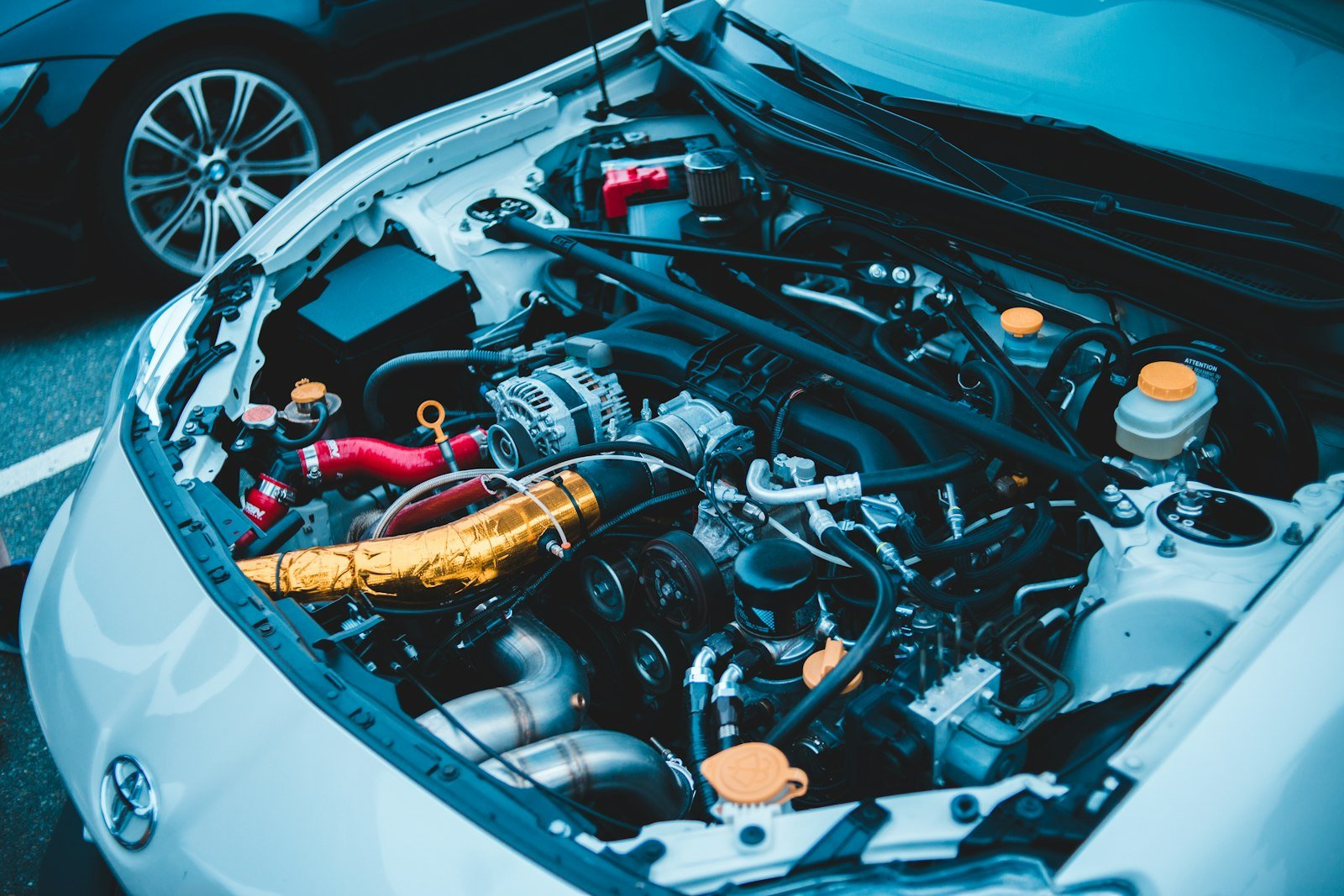
If your Civic just threw a rod, spun a bearing, or the timing chain finally gave out, you’re probably staring down two options: pay a shop thousands to rebuild what’s left, or drop in something that already works. That second option is why so many owners search for used engines for Honda Civic instead of booking a full rebuild. A used engine, pulled from a low-mileage donor car and tested before it ships, usually costs a fraction of a rebuild and gets you back on the road in days, not weeks.
We’ve been pulling, testing, and shipping used engines for Honda Civic owners for years, and this guide walks through everything worth knowing before you buy one — what a good used engine actually looks like, what the different Civic engine codes mean, what it should cost, and what questions to ask any seller before you hand over money.
Why a Used Engine for Honda Civic Makes More Sense Than a Rebuild
A Civic engine rebuild done right — new pistons, rings, bearings, gaskets, machine work on the block — runs anywhere from $2,500 to $4,500 at a competent shop, and that’s before labor to pull the old motor and drop the new one in. It also assumes the block itself is salvageable, which after a spun bearing or overheating event, it often isn’t.
A tested used engine for Honda Civic, by contrast, typically lands between $700 and $2,200 depending on the generation and trim, already assembled, already proven to run, and ready to bolt in. You’re not paying for machine shop time or guessing whether the block will pass inspection. Someone already drove that engine to work every day before the donor car got totaled or scrapped for unrelated reasons — a bad transmission, collision damage, a bent frame. The engine itself is often fine.
That’s the whole logic behind the used parts industry: cars get wrecked or retired for reasons that have nothing to do with the engine, and pulling that engine out gives it a second life in someone else’s Civic.
Honda Civic Engine Codes and Specs
Honda has used a handful of different engine families in the Civic since the mid-2000s, and knowing which one your car takes matters more than almost anything else when shopping for a used engine for Honda Civic.
| Engine Code | Displacement | Civic Years | Horsepower (stock) | Notes |
|---|---|---|---|---|
| R18A1 / R18A2 | 1.8L I4 | 2006–2011 | 140 hp | Non-turbo, VTEC, very reliable long-term |
| R20A | 2.0L I4 | 2012–2015 (some markets) | 143 hp | Torque-friendlier version of the R-series |
| K20Z3 | 2.0L I4 | 2006–2011 Si | 197 hp | High-revving, i-VTEC, sought after for Si builds |
| L15B7 | 1.5L Turbo I4 | 2016–present | 174–180 hp | Direct injection turbo, common in 10th/11th-gen |
| K20C1 | 2.0L Turbo I4 | 2017–present Si/Type R | 205–306 hp | Type R version is one of the strongest 4-cylinders Honda has built |
If you’re not sure which one your Civic has, check the sticker under the hood or on the driver’s door jamb, or pull the VIN and run it — any seller worth buying from will ask for it anyway before quoting you a used engine for Honda Civic, because bolting a K-series into an R-series harness (or vice versa) is a real headache nobody wants.
What a Good Used Civic Engine Should Come With
Not every “used engine” listing means the same thing. Before you buy a used engine for Honda Civic from anyone, ask exactly what’s included, because the difference between a long block and a complete engine changes your total cost significantly once you add labor and missing parts.
- Complete engine (recommended): block, head, intake manifold, exhaust manifold, wiring harness, sensors, ECU in some cases, and accessories like the alternator and power steering pump. This is a straight swap.
- Long block: block and head assembled with internals, but no intake, exhaust, or accessories. Cheaper, but you’re sourcing extra parts.
- Short block: bare block with pistons, rods, and crank only. Fine if you’re doing a build, not ideal if you just want your Civic running again this week.
For most owners who just want a daily driver back on the road, a complete engine is worth the extra money. It removes the guesswork.
How We Test Every Used Civic Engine Before It Ships
This is the part most buyers skip asking about, and it’s the part that actually matters. A used engine for Honda Civic that “looks clean” in a photo can still have a cracked head or worn rings — you can’t tell that from the outside. Before any engine leaves our warehouse, it goes through:
- A compression test on all four cylinders, with results recorded and available on request
- A visual inspection of the block and head for cracks, warping, or coolant intrusion
- Oil pan drop or borescope check for sludge, metal shavings, or bearing wear
- Mileage verification pulled from the donor vehicle’s records, not just an odometer guess
- A run test where possible, confirming the engine starts, idles, and doesn’t knock
If an engine fails any of these, it doesn’t get listed as a running unit — it goes into the parts engine category instead, priced accordingly and sold as-is for someone doing their own rebuild. That distinction matters, and it’s worth asking any seller directly whether their engines are compression-tested or just pulled and shipped.
Common Problems on Civic Engines to Ask About
Every engine family has its known weak points, and a seller who knows their inventory should be able to tell you straight up whether a specific used engine for Honda Civic has any of these issues.
- R18/R20 series: Generally bulletproof if maintenance was kept up. Watch for oil consumption on high-mileage units past 150,000 miles.
- K20Z3 (Si): Rod bearing wear shows up on engines that were tracked hard or ran on old oil too long. Ask about oil change history if the seller has it.
- L15B7 turbo: Some early model years had connecting rod recalls (2016-2017). Confirm the recall was addressed on the donor vehicle, or that the unit is a later production date.
- K20C1 (Type R): Very robust from the factory, but check for signs of the car having been tracked without proper cooldown procedures.
Installation: What to Expect
A same-generation, same-trim engine swap on a Civic is one of the more straightforward jobs in the used engine world — most independent shops can do it in a day, sometimes less, and labor typically runs $500 to $1,200 depending on your region and whether accessories need to be transferred. If you’re comfortable with a floor jack, an engine hoist, and basic hand tools, plenty of DIYers do this swap themselves over a weekend.
Things that make the job smoother: matching engine mounts, verifying the wiring harness connector count matches your existing harness, and replacing the timing belt or chain tensioner while everything’s already apart, even if the used engine’s isn’t overdue. It’s a lot cheaper to do it now than to pull the engine again in two years.
What a Used Honda Civic Engine Should Cost
Pricing swings based on generation, mileage, and whether you’re buying a complete engine or just a long block. As a rough guide:
- R18/R20 non-turbo, 60k–100k miles: $700–$1,300
- K20Z3 Si engines, low mileage: $1,400–$2,200
- L15B7 turbo, complete with harness: $1,200–$1,900
- K20C1 Type R, low mileage: $2,500–$4,000+
Prices below that range are worth a second look — ask hard questions about mileage documentation and testing before buying. Prices well above that range should come with a longer warranty and a documented compression test, or you’re overpaying.
Engines We Currently Have In Stock
We keep a rotating inventory of tested used Honda engines, including this Honda R20A engine for sale, compression-tested and ready to ship with mileage documentation included. If you don’t see your exact Civic engine code listed, reach out — we source new arrivals weekly and can often track one down within a few days. You can also browse our full engine inventory to compare what else we’ve got tested and ready to go.
Frequently Asked Questions
Will any Civic engine bolt into my car?
No — you need to match the engine code to your chassis generation and, in most cases, your transmission type (automatic vs. manual). A K20 won’t drop into an R18 harness without significant rewiring.
How long does a used engine for Honda Civic typically last after installation?
A properly tested engine with reasonable mileage (under 100,000 miles) and fresh fluids after install should give you another 60,000–100,000 miles of service, often more if it’s maintained the way the original owner should have maintained it.
Do used engines come with a warranty?
Ours do — ask about the specific coverage period for the engine you’re considering before buying, since warranty length is one of the clearest signals of how confident a seller is in their testing process.
Should I replace the timing belt or chain when installing a used engine?
If it’s belt-driven and there’s no documentation showing it was recently replaced, yes. It’s inexpensive insurance compared to pulling the engine again later.
Can I swap in a used engine from an automatic Civic if mine is a manual, or vice versa?
The engine itself often can be adapted, but the flywheel, flexplate, and in some cases the ECU tuning differ between automatic and manual applications. It’s doable, but tell your seller upfront which transmission you’re running so they pull the right accessories, or budget for a flywheel/flexplate swap separately.
Do you ship a used engine for Honda Civic internationally?
Yes — we ship worldwide, with freight quoted by destination at checkout. Buyers outside the country of origin should factor in customs handling time on top of standard freight transit, which we’re happy to walk through before you order.
Used vs. Remanufactured vs. New Crate Engine: How They Actually Compare
People throw these three terms around like they mean the same thing, and they really don’t. A new crate engine from Honda, if you can even get one for an older Civic platform, will run you well north of $5,000 before labor, and for most model years, Honda simply doesn’t offer a crate replacement at all — you’re buying a full engine only through the dealer parts network, at dealer markup, with a long wait on backorder.
A remanufactured engine sits in the middle. Reman shops disassemble a core engine, replace wear items like rings, bearings, and gaskets, and reassemble it to spec. That’s a legitimate option, and prices usually land between $2,000 and $3,500 for a Civic engine. What you’re paying for is standardized machine work, not necessarily a “better” engine than a good low-mileage used unit — a reman engine built from a high-mileage, poorly maintained core with new rings and bearings isn’t automatically superior to a used engine for Honda Civic pulled from a 70,000-mile donor car that was babied its whole life.
That’s really the deciding factor: mileage and maintenance history matter more than the used/reman label. A well-documented used engine with a clean compression test and full maintenance records is often the smarter buy at half the price of a reman unit with an unknown core history.
How to Tell a Legitimate Seller From a Risky One
The used engine market has plenty of good operators and a fair number of people who’ll ship you a smoking, tired motor and disappear the second there’s a problem. A few things worth checking before you commit to buying a used engine for Honda Civic from anyone:
- Do they publish mileage and testing details, or just a stock photo? A generic stock photo with no compression numbers and no mileage is a red flag. Legitimate sellers photograph the actual unit you’re buying.
- Is there a real return policy in writing? “All sales final” on a used engine is a warning sign. Reasonable sellers offer at least a short inspection period or a documented warranty period.
- Can you reach a person by phone, not just a contact form? If you have questions about fitment on your specific Civic trim and nobody will get on a call, that tells you something about what happens after you pay.
- Do they ask for your VIN before quoting a price? Sellers who care about correct fitment ask for your VIN or at least your exact trim and transmission type. Sellers who quote blind, without asking, are often just moving inventory without checking compatibility.
Shipping, Delivery, and What to Check on Arrival
Engines are heavy — a complete Civic engine with accessories usually weighs somewhere between 250 and 350 pounds — so they ship on a pallet via freight carrier, not standard parcel post. Delivery typically takes anywhere from a few days to two weeks depending on your location and how far the engine is traveling. We ship used engines for Honda Civic worldwide, with freight cost calculated by destination at checkout, so buyers can source a tested engine without relying on a local scrapyard’s limited stock.
When the pallet arrives, inspect it before the driver leaves if at all possible. Check for:
- Visible impact damage to the crate or the engine itself
- Fluid leaks on the pallet that weren’t disclosed beforehand
- Missing components that were listed as included — cross-check against your invoice
Photograph anything unusual immediately and contact the seller the same day. Freight damage claims get harder to process the longer you wait, so this isn’t a step to put off until the weekend.
Getting Your Civic Ready for the Swap
Before the used engine even shows up, there’s prep work that makes installation day go faster. Drain and inspect your old coolant and transmission fluid — if your Civic overheated before the failure, there may be contamination worth flushing from the radiator and heater core before the new engine goes in. Replace the accessory belt if it’s original, since it’s a lot easier to swap while the engine bay is already open. And if you’re keeping your existing transmission, have it inspected separately; a used engine for Honda Civic bolted to a tired, slipping transmission is going to feel disappointing no matter how good the engine itself is.
It’s also worth replacing basic wear items while you have access — spark plugs, engine oil and filter, and the accessory belt tensioner if it’s showing wear. None of that is expensive compared to the labor cost of opening the engine bay a second time six months later.
A Quick Word on Sustainability
There’s a practical environmental angle here too, even if it’s not the main reason most people buy. Manufacturing a new engine block from raw aluminum and steel is resource-intensive — mining, smelting, casting, machining, all of it carries a real footprint. Reusing a functioning used engine for Honda Civic that would otherwise sit in a scrapped vehicle keeps that footprint from being repeated unnecessarily. It’s not the headline reason to buy used, but it’s a genuine side benefit worth mentioning.
Buyer’s Checklist Before You Purchase
- Confirm your Civic’s exact engine code from the VIN or under-hood sticker
- Ask whether the engine is complete, long block, or short block
- Request compression test numbers and mileage documentation
- Confirm what accessories and sensors are included
- Ask about warranty length and what voids it
- Get freight shipping cost and estimated delivery window in writing
- Budget separately for a timing belt/chain service and fresh fluids at install
Bottom Line
A used engine for Honda Civic is, for most owners dealing with a blown motor, the more sensible fix — lower cost, faster turnaround, and if you buy from someone who actually tests before they ship, a similar level of confidence to a rebuild without the rebuild price tag. Ask for compression numbers, ask for mileage documentation, and ask what happens if the engine doesn’t perform as described. A seller who answers those questions without hesitation is one worth buying from.
For background on how Honda’s engine lineup has evolved across generations, Honda’s own corporate site covers current model specifications if you want to cross-check your VIN details against factory documentation.
Posts Widget




Best Auto Motors
USA HERALD MAGAZINE INC
Buy the best quality engines from our website online and get a fast delivery within 6 days.
Copyright 2022.KlbTheme . All rights reserved