


Used Toyota Engines For Sale: Specs, Prices & Buying Guide
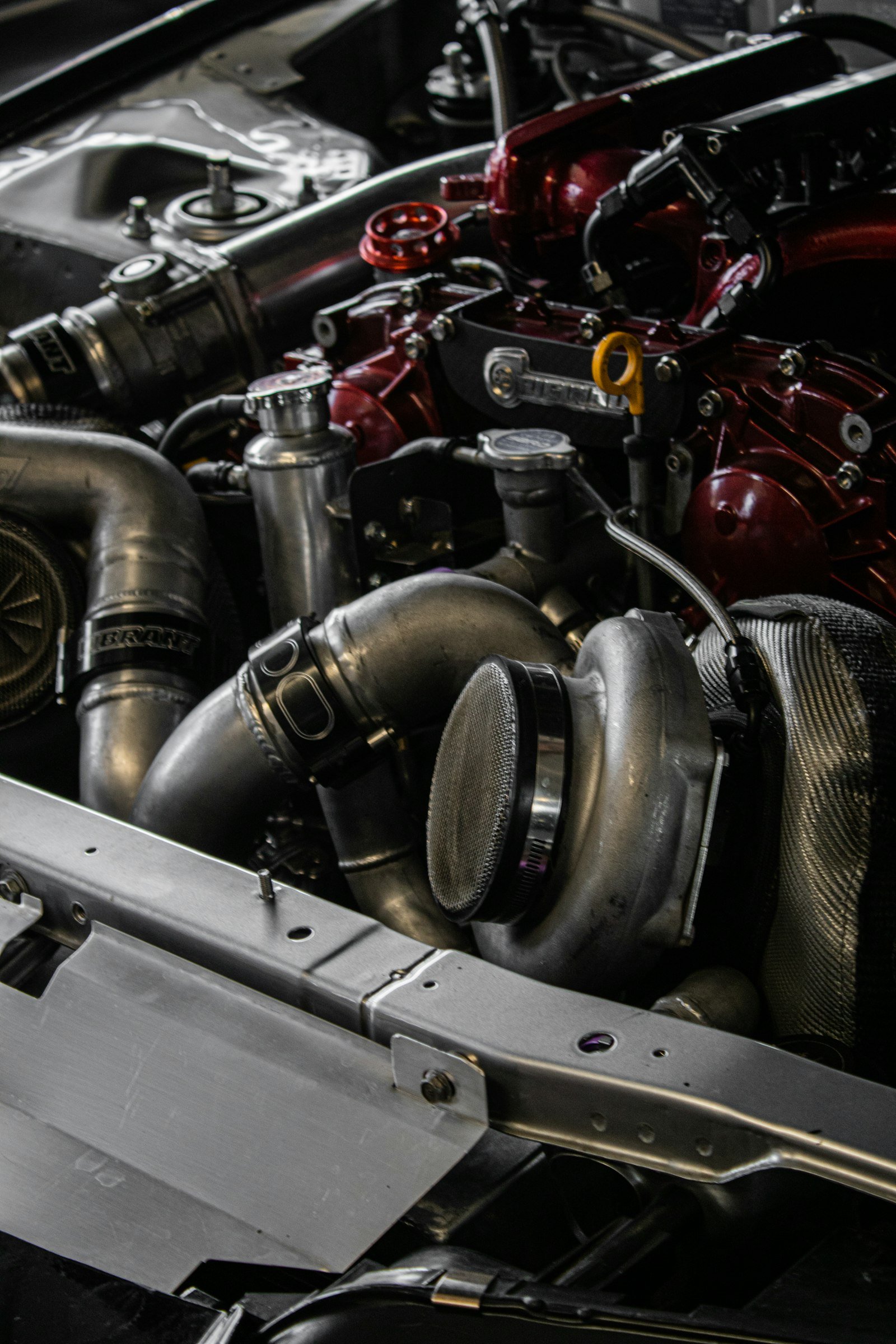
Toyota built its reputation on engines that just keep running, which is exactly why so many shops and DIY owners go looking for used Toyota engines for sale the moment something goes wrong instead of writing off the whole vehicle. A Toyota with a bad engine is still a Toyota — solid body, reliable transmission, good resale — so dropping in a tested used motor usually makes more financial sense than trading the car in for a loss.
Below is a breakdown of the Toyota engines we stock most often, real specs for each, what they’re used in, and what you should check before buying one from anyone, us included.
Why a Used Toyota Engine Usually Beats Trading the Car In
Dealers lowball trade-ins on cars with known engine problems — that’s just how it works. If the rest of the vehicle is solid, you’re often better off financially putting a tested used engine in it than eating a trade-in loss and taking on new car payments. This is especially true for Toyota’s diesel and hybrid engines, where a full replacement or dealer rebuild can run into five figures.
Toyota Engine Families We Stock (With Real Specs)
J05E — 4.9L Diesel Inline-4 (Turbocharged)
The J05E is a heavy-duty diesel used in Toyota/Hino medium trucks and coaster buses across export markets. It’s a 4,890cc turbocharged inline-four built for high torque at low RPM rather than outright power — typically around 150-175 hp and well over 400 lb-ft of torque, depending on tune. These engines see hard commercial use, so mileage alone doesn’t tell the whole story; hours of operation and maintenance history matter more. Our J05E listing includes compression numbers from the actual unit.
J05C — 4.9L Diesel Inline-4
The predecessor to the J05E, the J05C is mechanically similar in displacement but uses an earlier fuel system generation. Still a workhorse in commercial fleets. Check our J05C listing for current stock and pricing.
N04C — 4.0L Diesel Inline-4 (Turbo)
Found in the Toyota Dyna and Toyoace light-duty trucks, the N04C is a 4,009cc turbo diesel producing roughly 150 hp and 350+ lb-ft. It’s a common request from operators replacing tired delivery trucks. See the N04C listing for current mileage and test results.
A25A-FKS — 2.5L Gas/Hybrid Inline-4
This is the engine in the Camry, RAV4, and Highlander Hybrid, running either as a standalone gas engine or paired with Toyota’s hybrid system. 2,487cc, roughly 176-203 hp depending on application, with excellent long-term reliability data behind it. Our A25A-FKS listing is one of our fastest-moving Toyota engines because it’s such a common daily driver replacement.
T24A-FTS — 2.4L Turbo Inline-4
Toyota’s newer turbo four, found in the current Tundra and Tacoma i-FORCE lineup. 2,393cc, single turbo, around 278 hp and 317 lb-ft in truck tune. It replaced the old naturally aspirated V6 in a lot of Toyota’s truck lineup. Check the T24A-FTS listing for what’s currently pulled.
F33A-FTV — 3.3L Twin-Turbo V6 (i-FORCE MAX)
This is Toyota’s flagship truck engine — a 3,445cc twin-turbo V6 hybrid used in the Tundra i-FORCE MAX and Land Cruiser/LX platforms, making up to 437 hp and 583 lb-ft combined with the hybrid system. It’s a complex, expensive engine to replace through a dealer, which is why our F33A-FTV listing gets a lot of attention from Tundra and LX owners.
V35A-FTS — 3.5L Twin-Turbo V6
The non-hybrid version of Toyota’s twin-turbo V6, used across the Tundra lineup. 3,445cc, twin turbo, around 389 hp and 479 lb-ft. See our V35A-FTS listing for current stock.
| Engine Code | Displacement | Type | Power | Common Vehicles |
|---|---|---|---|---|
| J05E | 4.9L | Turbo diesel I4 | 150-175 hp | Hino/Toyota trucks, coasters |
| J05C | 4.9L | Diesel I4 | ~150 hp | Commercial trucks |
| N04C | 4.0L | Turbo diesel I4 | ~150 hp | Dyna, Toyoace |
| A25A-FKS | 2.5L | Gas/hybrid I4 | 176-203 hp | Camry, RAV4, Highlander |
| T24A-FTS | 2.4L | Turbo I4 | ~278 hp | Tundra, Tacoma |
| F33A-FTV | 3.3L | Twin-turbo hybrid V6 | up to 437 hp | Tundra i-FORCE MAX, LX |
| V35A-FTS | 3.5L | Twin-turbo V6 | ~389 hp | Tundra |
What Makes Toyota Engines Worth Buying Used
Toyota over-engineers a lot of its powertrains relative to how hard they’re actually driven, which is why used Toyota engines for sale routinely show clean compression numbers well past 150,000 miles on the passenger car side. The commercial diesels (J05E, J05C, N04C) are a different story — they’re worked hard by design — but even those hold up well with proper maintenance, which is why we check service records from the donor vehicle whenever they’re available.
What to Check Before You Buy
- Compression and leak-down numbers across all cylinders — a healthy Toyota engine should show even numbers cylinder to cylinder.
- Timing chain vs. timing belt — know which your engine uses, since belt-driven engines need to factor in belt replacement cost if it’s not already been done.
- Hybrid battery and inverter condition separately from the engine itself, if you’re buying an A25A-FKS or F33A-FTV hybrid variant. The gas engine and hybrid components are tested and priced independently.
- Turbo shaft play on the T24A-FTS, F33A-FTV, and V35A-FTS — these are newer, high-boost engines and turbo condition matters a lot for longevity.
- Injector condition on the diesel engines — a diesel that’s been run on questionable fuel quality overseas can show injector wear that a compression test alone won’t catch.
- Donor vehicle history — commercial truck engines especially benefit from knowing whether the donor was fleet-maintained or run into the ground.
Used vs New vs Rebuilt for Toyota Engines
New Toyota crate engines are often special-order only and priced accordingly, especially for the newer turbo and hybrid units where dealer parts networks are still catching up to demand. A machine shop rebuild works, but Toyota’s tight factory tolerances are hard for a shop to fully replicate, especially on the twin-turbo V6 and diesel platforms. A tested used engine with documented compression numbers usually gets you back on the road faster and for less than either alternative.
Shipping Toyota Engines Worldwide
Toyota is the most globally distributed brand we deal with, so we ship these engines constantly to markets across Africa, the Middle East, Latin America, and Southeast Asia — often to shops that specifically request Toyota and Hino diesel units for commercial fleet repairs. Every engine is crated, fluids are drained and sealed for freight compliance, and we handle export documentation so your customs process on the receiving end goes smoothly. Heavier diesel units like the J05E typically ship by ocean freight; smaller passenger car engines like the A25A-FKS can go by air if you need a faster turnaround.
Matching the Right Engine to Your Vehicle
Toyota, like most manufacturers, uses sub-variants of the same base engine code across different trims and markets. Before ordering, check your VIN and the engine code stamped on your block against the listing — the F33A-FTV in a Tundra, for example, has different accessory mounting than the same base engine used in a Land Cruiser. We verify fitment against your VIN before anything ships to avoid mismatched accessory brackets or wiring headaches.
Installation Notes
The hybrid variants (A25A-FKS, F33A-FTV) require the high-voltage system to be de-energized properly before anyone touches the engine bay — this isn’t a job for someone without hybrid safety training. On the diesel side, injector calibration codes are often specific to the individual injector, so if you’re swapping injectors between units, make sure your ECU tune accounts for it. The twin-turbo V6 platforms (F33A-FTV, V35A-FTS) also benefit from a fresh set of turbo oil feed lines during install, since the originals can be brittle by the time an engine is pulled from a donor vehicle.
Common Failure Points by Engine Family
Nothing lasts forever, even a Toyota. Here’s what we tell customers to watch for on each family, based on what we see coming through as trade-ins and donor vehicles:
- J05E/J05C: Injector wear from fuel quality variance in export markets, and turbo shaft play on higher-hour commercial units.
- N04C: EGR carbon buildup on units that spent a lot of time idling or in stop-start delivery routes.
- A25A-FKS: Very few core engine issues reported; most trade-ins come from accident damage or transmission failure rather than the engine itself.
- T24A-FTS: Being a newer platform, long-term data is still developing, but turbo and intercooler condition are the main things we check closely.
- F33A-FTV/V35A-FTS: Turbo oil line condition and hybrid battery health (on the F33A-FTV) are the two things worth verifying before you buy.
Used vs Rebuilt vs New: A Cost Comparison
| Option | Typical Cost Position | What You Get |
|---|---|---|
| New/Special-Order Crate Engine | Highest, often a long wait | Zero miles, full manufacturer backing, limited availability on newer engines |
| Machine-Shop Rebuild | High | Reman internals, quality depends entirely on the shop and the original block condition |
| Tested Used Engine | Lowest, by a significant margin | Factory tolerances, documented compression, faster turnaround than a rebuild |
Real Scenarios We See Regularly
A commercial operator running a fleet of Toyota Dyna trucks loses an N04C to a coolant leak that wasn’t caught in time. Rather than take a truck out of service for weeks waiting on a rebuild, they order a tested used N04C and have the truck back on delivery routes within days of it arriving.
A Camry owner with a failed transmission gets quoted more for the repair than the car’s trade-in value, but the A25A-FKS engine itself is fine at 90,000 miles. In this case we point customers toward a used transmission rather than an engine — knowing which component actually failed saves a lot of wasted money.
A Land Cruiser owner overseas needs an F33A-FTV after a failed timing component, and the local dealer network doesn’t stock the part. Ordering a tested used engine with worldwide shipping gets the vehicle running again without a multi-month wait on a factory special order.
How Ordering Works
- Identify your engine code from your VIN or the stamping on the block, or send us your VIN directly.
- We confirm current stock, mileage, and test results, and flag anything you should know before buying.
- You place the order and we schedule crating and freight for your location.
- Export paperwork is handled on our end for international shipments.
- You install (or your mechanic does) with the warranty period starting from delivery.
For engine specification references beyond what’s listed here, Toyota’s own global technical resources are a good starting point if you want manufacturer-published details on a specific platform.
Why Toyota’s Engineering Philosophy Matters for Buyers
Toyota has always erred on the side of over-building rather than chasing peak specs, and it shows in how these engines age. Where some competitors push tolerances right to the edge to squeeze out extra horsepower, Toyota tends to leave margin — thicker cylinder walls than strictly necessary, conservative boost targets on the turbo platforms, and timing chains instead of belts on most of the newer engines, which removes a scheduled maintenance item that trips up a lot of owners on other brands. None of this means a Toyota engine can’t fail. It means that when we pull a used Toyota engine from a donor vehicle and run compression numbers, we’re usually not surprised by what we find, even at higher mileage.
This matters more than people think when you’re comparing used Toyota engines for sale against used engines from other manufacturers at similar mileage and price. A 120,000-mile A25A-FKS is a fundamentally different risk profile than a 120,000-mile engine from a brand known for timing chain stretch or oil consumption issues at that mileage range.
Diesel vs Gas vs Hybrid: Picking the Right Toyota Engine for Your Use Case
If you’re not replacing a like-for-like engine and instead building or repowering a vehicle, the choice between Toyota’s diesel, gas, and hybrid platforms comes down to how the vehicle is actually used. The J05E and N04C diesels make sense for commercial and fleet applications where low-end torque and fuel economy under load matter more than outright speed. The A25A-FKS gas/hybrid is built for daily-driver efficiency and low maintenance overhead. The twin-turbo F33A-FTV and V35A-FTS are for towing, hauling, and situations where you need real power on demand — these aren’t fuel-sippers, but they’ll pull a trailer up a grade without straining.
We get a fair number of customers converting commercial vehicles from older naturally aspirated engines to the newer turbo platforms for more capability without a huge fuel economy penalty. If that’s your plan, talk to us about ECU and wiring harness compatibility before you order, since a straight engine swap across generations sometimes needs supporting electronics that aren’t included in a bare long block.
Emissions and Import Compliance Notes
If you’re importing a used Toyota diesel engine into a market with strict emissions requirements, check your local regulations before ordering — some regions require specific emissions-control hardware (DPF, EGR, SCR systems) to remain intact and functional on diesel engines being imported or installed. We can tell you what emissions hardware is included with a given engine, but compliance with your local rules is on the buyer’s side, so it’s worth checking before you commit to a purchase.
Frequently Asked Questions
How much does a used Toyota engine cost?
It depends heavily on the engine code — a commercial diesel like the J05E is priced differently than a passenger car engine like the A25A-FKS or a flagship twin-turbo F33A-FTV. Check individual listings for current pricing.
Do you test Toyota engines before selling them?
Yes, every unit gets a compression test, visual inspection, and fluid check before it’s listed, and a final check before it ships.
Can I order a used Toyota engine outside my home country?
Yes, we ship used Toyota engines for sale worldwide and handle export paperwork on our end.
Are hybrid engine components included with the hybrid variants?
This depends on the specific listing — some include the hybrid transaxle and inverter, others are gas-engine-only. Check the listing details or ask before ordering.
What’s the difference between the T24A-FTS and V35A-FTS?
The T24A-FTS is a turbo four-cylinder; the V35A-FTS is a twin-turbo V6 with significantly more power and torque. Both are used across the current Tundra and Tacoma lineup depending on trim.
Do you sell just the long block or the full accessory package?
It varies by listing. Some units include the turbo, wiring harness, and ECU; others are long-block only. Check the specific listing or ask us directly — we’ll tell you exactly what’s included before you order.
How long does shipping take for a Toyota diesel engine overseas?
Ocean freight is typical for the heavier diesel units and usually takes several weeks depending on your port of entry. Air freight is available for smaller engines if you need a faster turnaround, at a higher cost.
Can I get service history on the donor vehicle?
When it’s available, yes — especially useful for the commercial diesel platforms where duty cycle matters as much as mileage.
Bottom Line
Toyota engines have a well-earned reputation for durability, and that reputation carries over into the used market — a tested used Toyota engine is usually a safer bet than most other brands at the same mileage. Browse our current stock of used Toyota engines for sale, check the compression numbers on the listing that matches your vehicle, and reach out with your VIN if you need help confirming fitment before you order.
Posts Widget




Best Auto Motors
USA HERALD MAGAZINE INC
Buy the best quality engines from our website online and get a fast delivery within 6 days.
Copyright 2022.KlbTheme . All rights reserved
