

Car Engine Parts Explained for Beginners
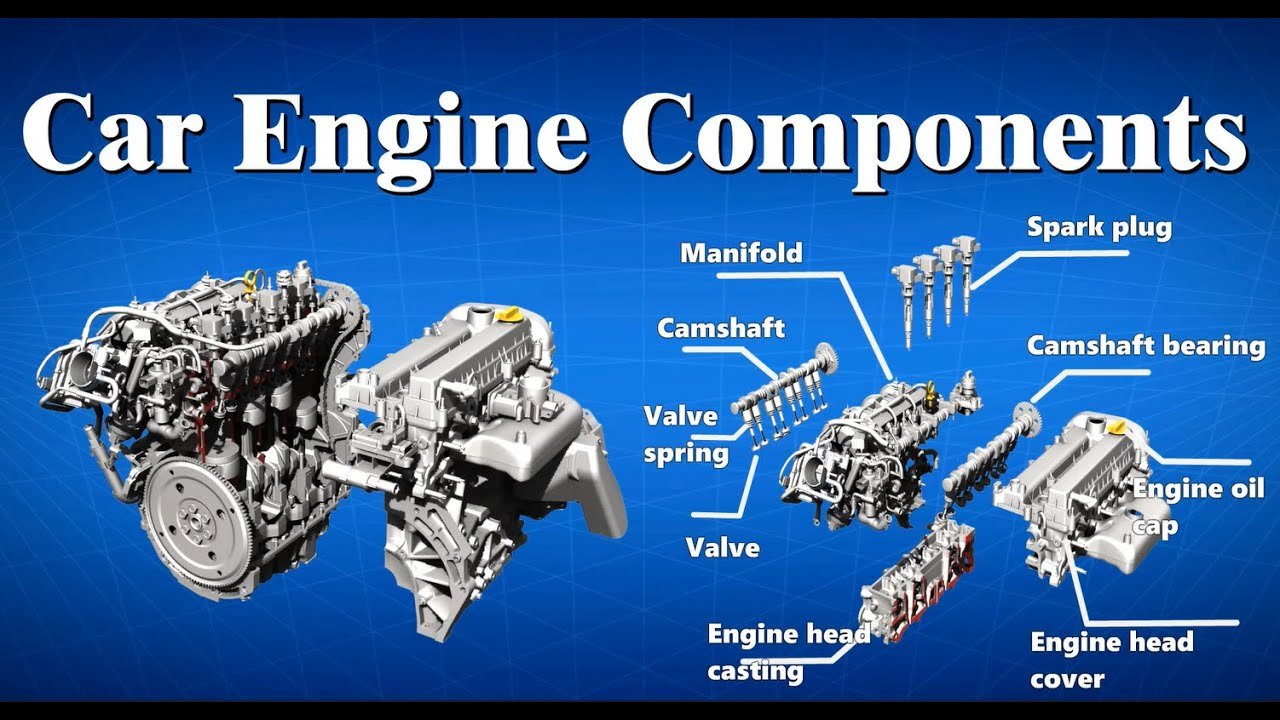
Car Engine Parts Explained for Beginners
A lot of people hear words like:
- pistons
- crankshaft
- camshaft
- cylinder head
- timing chain
And honestly have no idea what any of it actually means.
That’s normal.
Most people only start learning engine parts after something goes wrong with their vehicle.
Usually it starts with:
- strange noises
- overheating
- oil leaks
- engine failure
- expensive repair estimates
Then suddenly they’re online searching:
“Car Engine Parts Explained for Beginners.”
And honestly, understanding the basics helps a lot more than people think.
Because once you understand how engine parts work together, it becomes easier to:
- understand repair costs
- avoid bad engine purchases
- communicate with mechanics
- choose replacement engines
- recognize early engine problems
That’s why Car Engine Parts Explained for Beginners became such a heavily searched topic online.
A lot of buyers looking for used engines also want to understand exactly what they’re buying before spending money.
And honestly, that’s smart. Car Engine Parts Explained for Beginners
Why Understanding Engine Parts Matters
A car engine is basically one giant system of moving metal parts working together thousands of times every minute.
When one part fails, it can affect everything else very quickly.
That’s why even small engine problems sometimes become expensive.
Understanding the basics helps buyers:
- avoid scams
- recognize warning signs
- choose better engines
- understand repair estimates
And honestly, it also makes conversations with mechanics much easier. Car Engine Parts Explained for Beginners
The Engine Block
The engine block is basically the foundation of the engine.
Everything attaches to it.
The engine block contains:
- cylinders
- pistons
- coolant passages
- oil passages
Think of it as the main body of the engine.
If the engine block becomes severely damaged, many people replace the entire engine instead of repairing it because repair costs become too high.
That’s one reason used engines remain popular worldwide. Car Engine Parts Explained for Beginners
Cylinders
Inside the engine block are cylinders.
This is where combustion happens.
Fuel and air ignite inside the cylinders, creating the power that moves the vehicle.
Most engines have:
- 4 cylinders
- 6 cylinders
- 8 cylinders
Depending on the vehicle.
Generally:
- fewer cylinders improve fuel economy
- more cylinders increase power
But there are exceptions depending on engine design.
Pistons
Pistons move up and down inside the cylinders.
They handle enormous pressure and heat constantly.
Every time fuel ignites inside the cylinder, the piston moves downward, helping create engine power.
Piston problems can include:
- cracked pistons
- worn piston rings
- oil consumption
- compression loss
Severe piston damage often leads people to search for replacement engines.
That’s another reason Car Engine Parts Explained for Beginners became important for buyers researching used engines.
Piston Rings
Piston rings seal the piston inside the cylinder.
Their job is to:
- maintain compression
- control oil consumption
- reduce blow-by gases
Worn piston rings can create:
- smoke
- oil burning
- low compression
- poor performance
Some engines become known for oil consumption problems specifically because piston rings wear prematurely.
Crankshaft
The crankshaft converts piston movement into rotating power.
Without the crankshaft, the engine wouldn’t actually transfer power to the drivetrain.
The crankshaft constantly spins while the engine runs.
Problems may include:
- bearing wear
- crankshaft damage
- knocking sounds
- oil starvation damage
If severe damage occurs, many owners replace the engine completely.
Connecting Rods
Connecting rods link the pistons to the crankshaft.
They move constantly while the engine runs.
Rod failure can become catastrophic.
That’s where terms like “thrown rod” come from.
And honestly, when connecting rods fail badly, engine replacement is usually the cheaper option.
Cylinder Head
The cylinder head sits on top of the engine block.
It contains:
- valves
- camshafts
- spark plugs
- intake passages
Cylinder head problems can include:
- cracked heads
- valve damage
- overheating damage
- gasket failure
Head gasket problems are especially common in overheated engines.
Head Gasket
The head gasket seals the connection between:
- engine block
- cylinder head
This seal is extremely important.
Bad head gaskets can create:
- overheating
- coolant leaks
- oil contamination
- white smoke
- compression loss
Some buyers specifically avoid engines showing signs of head gasket failure.
Camshaft
The camshaft controls valve timing.
It helps regulate:
- air intake
- exhaust flow
- engine timing
Camshaft problems may cause:
- rough idle
- power loss
- ticking noises
- misfires
Modern engines often use advanced camshaft systems for:
- fuel economy
- emissions
- performance
Timing Chain or Timing Belt
The timing chain or timing belt keeps engine timing synchronized.
If timing components fail, severe internal engine damage can happen very quickly.
Symptoms may include:
- rattling sounds
- poor performance
- startup issues
- engine timing faults
Timing failures are one reason buyers search Car Engine Parts Explained for Beginners before buying used engines.
Understanding these components helps buyers ask smarter questions.
Valves
Valves control airflow inside the engine.
Intake valves allow air and fuel into the cylinder.
Exhaust valves allow burnt gases to leave.
Valve problems may include:
- bent valves
- carbon buildup
- valve seal wear
- compression loss
Bad valves can seriously affect engine performance.
Spark Plugs
Spark plugs ignite the air-fuel mixture inside gasoline engines.
Bad spark plugs may cause:
- rough idle
- poor fuel economy
- misfires
- hard starting
Fortunately, spark plugs are usually inexpensive compared to internal engine repairs.
Fuel Injectors
Fuel injectors spray fuel into the engine.
Dirty or failing injectors may cause:
- rough running
- poor fuel economy
- hesitation
- hard starting
Modern fuel injectors are much more precise than older fuel systems.
Oil Pump
The oil pump circulates oil throughout the engine.
Without oil pressure, engine damage happens extremely fast.
Oil starvation can destroy:
- bearings
- crankshafts
- camshafts
- pistons
That’s why low oil pressure warnings should never be ignored.
Water Pump
The water pump circulates coolant through the engine.
Its job is preventing overheating.
A failing water pump may cause:
- overheating
- coolant leaks
- engine temperature spikes
Severe overheating can permanently damage engines.
Radiator
The radiator removes heat from the coolant system.
Cooling system problems are one of the fastest ways to destroy an engine.
That’s why buyers inspecting used engines should always check:
- coolant condition
- overheating history
- visible cooling system damage
Turbochargers
Some modern engines include turbochargers for extra power.
Turbochargers force additional air into the engine.
This increases:
- horsepower
- torque
- efficiency
But turbo engines also generate more heat and stress.
Turbo problems may include:
- oil leaks
- boost loss
- smoke
- bearing failure
Why Used Engines Stay in Demand
Honestly, because replacing vehicles became expensive.
A good used engine allows owners to:
- keep their vehicle
- lower repair costs
- avoid monthly payments
- extend vehicle life
That’s why Car Engine Parts Explained for Beginners became so important online.
People want to understand engines before buying replacement motors.
Specifications Buyers Should Verify
Engine Type
Gasoline or Diesel
Cylinder Configuration
Inline, V6, V8, Flat, or Turbocharged
Fuel System
Fuel injection or direct injection
Cooling System
Water-cooled engine system
Timing System
Timing chain or timing belt
Compression Condition
Healthy cylinder compression
Oil Condition
Clean oil with no contamination
Condition
Used, tested, rebuilt, or remanufactured depending on inventory
Why Testing Matters Before Buying a Used Engine
Not every used engine is good.
That’s important.
Good sellers usually provide:
- compression testing
- startup videos
- engine photos
- compatibility details
- visible condition information
That transparency helps buyers reduce risk.
And honestly, most buyers prefer tested engines over unknown-condition motors.
Common Mistakes Buyers Make
Buying Without Compatibility Checks
Not every engine fits every vehicle.
Always verify:
- engine code
- transmission compatibility
- ECU setup
- model year
Before buying.
Ignoring Compression Testing
Compression testing helps reveal internal engine condition.
Skipping this step increases buying risk.
Buying Only Based on Price
The cheapest engine sometimes becomes the most expensive later.
Condition matters more than low pricing alone.
Ignoring Cooling System Problems
Overheating destroys engines quickly.
Buyers should always inspect:
- coolant condition
- radiator condition
- overheating signs
Before purchasing.
Why Car Engine Parts Explained for Beginners Matters
Because people want real understanding before spending money.
Nobody wants confusing technical language while trying to solve expensive engine problems.
People searching Car Engine Parts Explained for Beginners usually want:
- simple explanations
- affordable engine options
- reliable replacement engines
- honest information
- practical buying advice
That’s why straightforward engine education matters.
Final Thoughts on Car Engine Parts Explained for Beginners
Learning basic engine parts helps buyers make smarter decisions.
Understanding:
- pistons
- crankshafts
- timing chains
- valves
- cooling systems
Makes it easier to:
- spot warning signs
- understand repair estimates
- choose better replacement engines
- avoid expensive mistakes
And honestly, buyers don’t need to become mechanics overnight.
Even basic engine knowledge goes a long way when purchasing used engines.
The important thing is understanding exactly what you’re buying:
- engine condition
- compatibility
- testing details
- maintenance history if available
That’s what matters most in the end.
FAQ
What are the most important engine parts?
Pistons, crankshaft, cylinder head, camshaft, timing system, and oil pump.
What does a piston do?
A piston moves inside the cylinder to create engine power.
Why is compression testing important?
Compression testing helps reveal internal engine health.
What causes engine overheating?
Cooling system failures like bad water pumps, radiators, or coolant leaks.
What does the crankshaft do?
It converts piston movement into rotating engine power.
Are turbo engines different from normal engines?
Yes. Turbo engines use forced air for extra power.
Why do engines burn oil?
Common causes include worn piston rings or valve seals.
Are used engines worth buying?
Yes, especially if properly tested beforehand.
What should I check before buying a used engine?
Compatibility, compression, startup condition, leaks, and cooling system condition.
How do I order a used engine?
Contact directly, confirm engine details, review compatibility, and arrange shipping.
Cheap vs Premium Used Engines for Sale 2
Cooling System Tips for Used Car Engines 2
Cheap Engines for Sale Near Me (Online Options)
Posts Widget




Best Auto Motors
USA HERALD MAGAZINE INC
Buy the best quality engines from our website online and get a fast delivery within 6 days.
Copyright 2022.KlbTheme . All rights reserved