

What is Engine Displacement Explained
What is Engine Displacement Explained
Anybody who spends enough time around cars eventually hears somebody say things like:
“It’s got a 5.7.”
“That truck has a 6.2.”
“Mine’s only a 2.0 turbo.”
And for people newer to vehicles, all those numbers can honestly sound confusing at first.
That’s where searches for What is Engine Displacement Explained usually begin.
People want to understand what those engine numbers actually mean.
Because once somebody starts buying:
- cars
- trucks
- SUVs
- replacement engines
- performance vehicles
Engine displacement suddenly becomes important.
Especially when comparing:
- power
- fuel economy
- towing ability
- engine size
- long-term reliability
And honestly, understanding displacement helps buyers make smarter decisions before spending money on an engine. What is Engine Displacement Explained
What Engine Displacement Actually Means
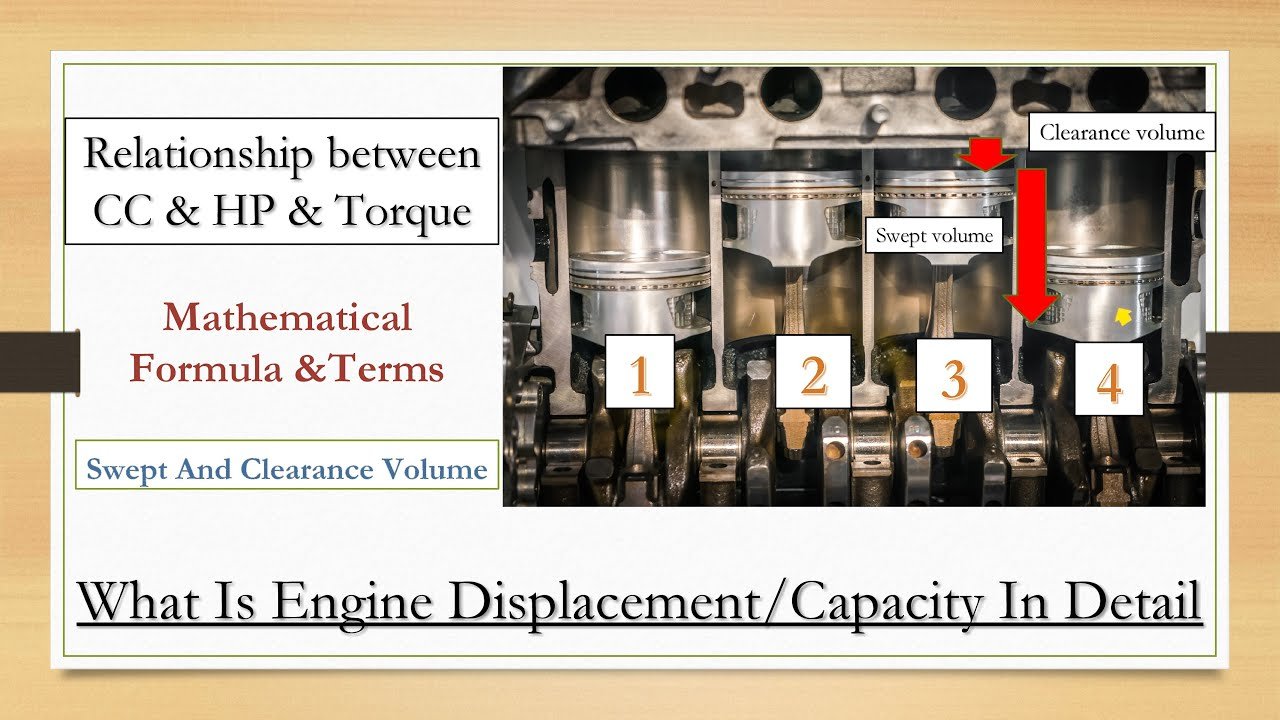
In simple terms, engine displacement refers to the total volume inside the engine cylinders where air and fuel move during combustion.
That’s the easiest way to explain it without overcomplicating things.
When people talk about:
- a 2.0L engine
- a 5.7L HEMI
- a 6.2L V8
They’re talking about engine displacement.
The number basically tells buyers how much internal air volume the engine can move.
Larger displacement engines generally move more air and fuel, which often helps produce:
- more power
- more torque
- stronger acceleration
Though modern technology changed things a little with turbocharging and hybrid systems.
Still, displacement remains one of the first things buyers look at when comparing engines. What is Engine Displacement Explained
Why Searches for What is Engine Displacement Explained Keep Growing
Honestly?
Because modern vehicles became confusing.
Years ago, larger engines usually meant more power. Simple.
Now buyers see:
- small turbocharged engines
- hybrid systems
- twin-turbo V6 setups
- compact performance engines
And people naturally want to understand:
“How does a smaller engine make so much power now?”
That’s why searches for What is Engine Displacement Explained continue growing worldwide.
People want to understand what they’re actually buying. What is Engine Displacement Explained
Why Engine Displacement Matters
Engine displacement affects a lot more than people realize.
It influences:
- horsepower
- torque
- towing ability
- fuel economy
- throttle response
- driving feel
A larger engine usually feels different behind the wheel.
The power often comes easier. Lower RPM pulling power usually feels stronger too.
That’s one reason many truck owners still prefer larger displacement V8 engines. What is Engine Displacement Explained
Smaller Engines vs Larger Engines
This is where things get interesting.
A smaller engine:
- usually uses less fuel
- may weigh less
- often costs less to maintain
A larger engine:
- usually produces more torque
- may tow better
- often feels stronger under load
Neither setup is automatically better.
It depends entirely on:
- vehicle type
- driving style
- intended use
That’s why understanding What is Engine Displacement Explained actually matters before buying an engine. What is Engine Displacement Explained
Why Truck Buyers Usually Prefer Larger Displacement
Truck owners often care more about torque than top speed.
That’s why larger engines remain extremely popular in:
- towing trucks
- work trucks
- off-road vehicles
- heavy SUVs
Engines like:
- 5.7L HEMI
- 6.2L V8
- 6.7L Cummins
Remain heavily searched because buyers want strong pulling power.
That’s one reason used truck engine demand remains huge worldwide. What is Engine Displacement Explained
Why Smaller Turbo Engines Became Popular
Fuel economy regulations changed the industry heavily.
Manufacturers started building smaller engines with turbochargers to:
- improve fuel efficiency
- reduce emissions
- still maintain power
That’s why modern 2.0L turbo engines can now make power levels older V6 engines needed much larger displacement to achieve.
Technology changed things dramatically.
But buyers still search What is Engine Displacement Explained because displacement still matters.
Engine Displacement and Horsepower Are Not the Same Thing
This confuses people all the time.
Bigger displacement does not automatically guarantee more horsepower.
Modern technology changed that.
Turbochargers, tuning, fuel systems, and engine design all affect power output too.
For example:
- a turbocharged 2.0L may outperform an older naturally aspirated V6
- a supercharged V8 may massively outperform another V8 with similar displacement
That’s why displacement is important, but it’s only one part of the full picture. What is Engine Displacement Explained
Why Performance Cars Still Use Large Engines
Even with modern turbocharging, many performance buyers still love larger engines.
Especially:
- muscle car buyers
- truck enthusiasts
- AMG buyers
- supercharged V8 owners
Because larger displacement engines often feel:
- smoother
- stronger
- louder
- more emotional
The sound matters too.
That deep V8 sound is one reason larger engines still have strong demand worldwide.
Engine Displacement Affects Driving Feel
This is something people understand better once they actually drive different setups.
Smaller engines often need:
- higher RPM
- boost pressure
- more throttle input
Larger engines often produce power more effortlessly.
That’s why a large displacement V8 usually feels relaxed even during hard acceleration.
The engine doesn’t feel like it’s working as hard.
Why Used Engine Buyers Care About Displacement
People searching for replacement engines usually compare displacement carefully.
Because they want:
- compatibility
- performance expectations
- towing capability
- fuel economy balance
That’s why searches for What is Engine Displacement Explained are common among used engine buyers.
Understanding displacement helps buyers avoid purchasing the wrong setup.
Most Common Engine Displacement Sizes
There are many common displacement sizes depending on vehicle type.
Small Engines
- 1.5L
- 1.8L
- 2.0L
Usually found in:
- compact cars
- sedans
- fuel-efficient vehicles
Mid-Size Engines
- 3.0L
- 3.5L
- 4.0L
Common in:
- SUVs
- sedans
- performance crossovers
Large Displacement Engines
- 5.7L
- 6.2L
- 6.7L
Common in:
- trucks
- muscle cars
- performance vehicles
- heavy-duty towing applications
Why Engine Size Still Matters
Some people claim displacement no longer matters because of turbocharging.
That’s not completely true.
Engine size still affects:
- torque delivery
- engine stress
- towing feel
- sound
- throttle response
That’s why larger displacement engines continue having huge worldwide demand.
Especially among enthusiasts.
Used Engines Remain in High Demand Worldwide
A lot of buyers searching What is Engine Displacement Explained are also researching replacement engines.
That makes sense.
Because once somebody understands engine sizes better, they usually make smarter purchasing decisions.
Used engines continue staying popular because:
- replacement vehicles became expensive
- rebuilding costs increased
- new engines became extremely costly
That’s why more buyers now search online for affordable used engines.
Worldwide Shipping Available
Used engines can be shipped internationally.
A lot of buyers include:
- mechanics
- repair shops
- rebuilders
- vehicle owners
- exporters
Shipping usually includes:
- pallet securing
- freight coordination
- loading protection
- transport handling
Worldwide delivery is common for used engines.
Specifications of Common Engine Types
Fuel Type
Gasoline or diesel
Displacement Range
1.0L to 7.0L+ depending on application
Engine Types
Inline, V6, V8, diesel, turbocharged, naturally aspirated
Applications
Cars, trucks, SUVs, commercial vehicles
Condition
Depends on individual engine
Mileage
Varies depending on unit
Compatibility
Depends on vehicle make and model
Why Buyers Research Before Purchasing Engines
Nobody wants to spend money on the wrong engine.
That’s why experienced buyers usually research:
- displacement
- compatibility
- performance
- reliability
- fuel economy
Before purchasing.
And honestly, that’s smart.
Especially with modern engines becoming more complex.
Why Engine Displacement Still Gets Discussed So Much
Because people still care about how vehicles feel.
That’s the truth.
The way a large V8 feels under acceleration is different from a smaller turbocharged engine.
Neither is automatically wrong.
They simply deliver power differently.
That’s why the conversation around displacement never really disappeared.
What Buyers Should Ask Before Purchasing Used Engines
Before buying a replacement engine, buyers should ask:
- exact displacement
- compatibility information
- mileage
- condition
- testing information
- shipping details
The more information upfront, the better.
Especially when buying online.
What We Try To Do
Nobody likes uncertainty when buying engines online.
That’s why we try to keep everything straightforward.
Buyers can request:
- engine details
- compatibility information
- mileage information
- photos
- shipping details
Before making decisions.
That honesty matters because experienced buyers usually prefer knowing exactly what they’re buying upfront instead of finding surprises later.
Final Thoughts on What is Engine Displacement Explained
The reason searches for What is Engine Displacement Explained continue growing worldwide is simple:
People want to understand engines better before spending money.
Whether buyers are researching:
- replacement engines
- trucks
- performance cars
- fuel economy
- towing capability
Engine displacement still plays a huge role in how vehicles:
- perform
- sound
- feel
- deliver power
And once buyers understand displacement properly, comparing engines becomes much easier.
That’s what matters most in the end.
FAQ
What is engine displacement?
Engine displacement refers to the total internal volume of all engine cylinders.
Why does engine displacement matter?
It affects power, torque, fuel economy, and driving feel.
Does bigger displacement mean more horsepower?
Not always. Turbocharging and engine technology also affect power.
Why do trucks use larger engines?
Because larger engines usually produce stronger towing torque.
Are smaller engines more fuel efficient?
Usually yes, especially modern turbocharged engines.
What is a 5.7L engine?
It means the engine displacement equals 5.7 liters.
Why do performance cars still use large engines?
Because buyers still love the sound, power delivery, and driving feel.
Can used engines be shipped internationally?
Yes.
What should buyers check before purchasing engines?
Compatibility, mileage, condition, and displacement.
Who buys replacement engines?
Vehicle owners, mechanics, repair shops, rebuilders, and exporters.
Cheap vs Premium Used Engines for Sale 2
Cooling System Tips for Used Car Engines 2
Cheap Engines for Sale Near Me (Online Options)
Posts Widget




Best Auto Motors
USA HERALD MAGAZINE INC
Buy the best quality engines from our website online and get a fast delivery within 6 days.
Copyright 2022.KlbTheme . All rights reserved