

Common Engine Problems and Solutions Guide 2
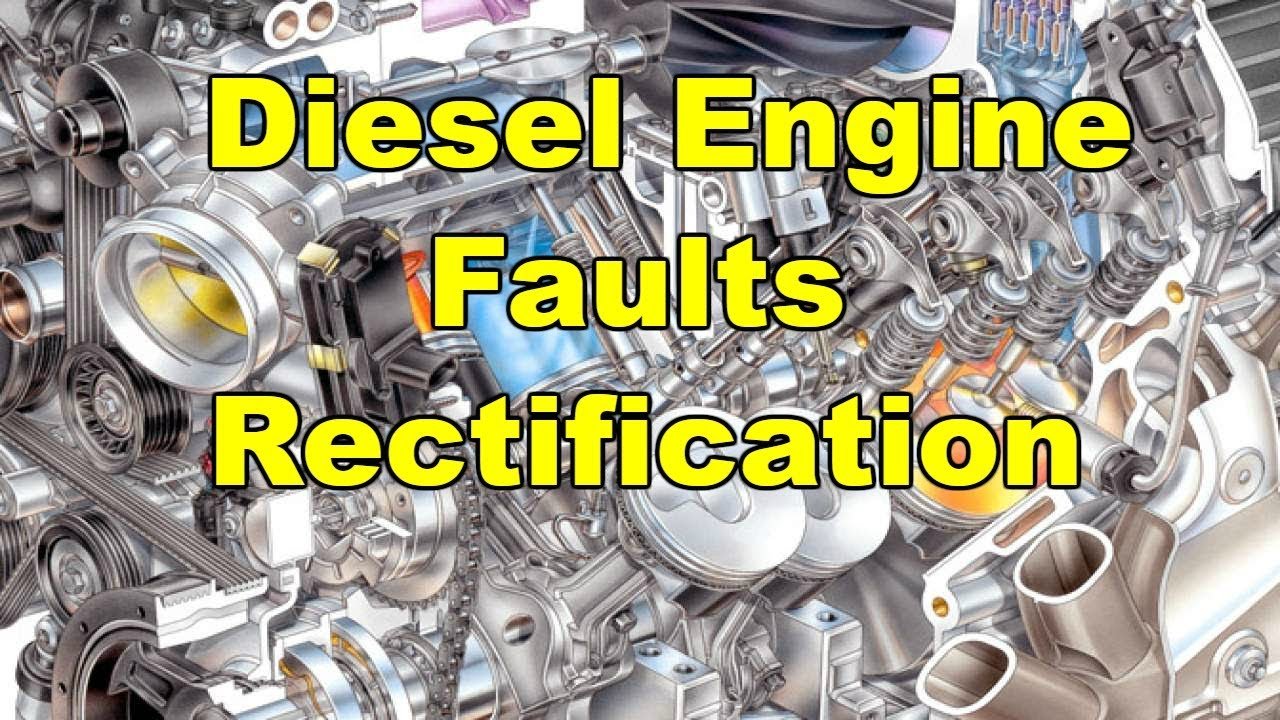
Common Engine Problems and Solutions Guide
Anybody who has owned a vehicle long enough eventually runs into engine problems.
Sometimes it starts small.
Maybe the engine feels rough one morning. Maybe there’s smoke from the exhaust. Maybe the check engine light suddenly appears for no obvious reason.
Then slowly the problems get worse.
That’s exactly why searches for Common Engine Problems and Solutions Guide continue growing worldwide.
Because most people eventually face engine issues at some point.
And honestly, modern engines became more complicated than they used to be.
Years ago, engines were simpler.
Now vehicles include:
- sensors everywhere
- turbochargers
- emissions systems
- computers
- advanced fuel systems
That means diagnosing engine problems became harder for beginners.
And once engine repairs start becoming expensive, many people begin looking into:
- replacement engines
- tested used engines
- rebuilt motors
- affordable engine swaps
Instead of repairing heavily damaged engines.
That’s why understanding Common Engine Problems and Solutions Guide matters before repair costs start getting out of control.
Why Engine Problems Happen
Honestly?
Most engines don’t fail suddenly without warning.
Usually there are signs first.
The problem is many drivers ignore them too long.
Common causes of engine damage include:
- poor maintenance
- overheating
- oil starvation
- neglected repairs
- high mileage
- aggressive driving
- cooling system failure
Modern engines are powerful, but they still depend heavily on:
- clean oil
- proper cooling
- regular maintenance
Once those things get ignored, problems start appearing.
Engine Overheating
This is one of the most common engine problems worldwide.
And honestly, overheating destroys engines faster than many people realize.
Common causes include:
- coolant leaks
- bad water pumps
- thermostat failure
- radiator blockage
- cooling fan problems
When engines overheat repeatedly, serious damage can happen quickly.
That may include:
- warped cylinder heads
- blown head gaskets
- cracked engine blocks
- internal engine damage
That’s why Common Engine Problems and Solutions Guide searches often start after overheating issues appear.
Solution for Overheating Problems
The best solution depends on how severe the damage became.
Minor overheating may only require:
- thermostat replacement
- radiator repair
- coolant system service
Severe overheating may require:
- head gasket repair
- cylinder head replacement
- full engine replacement
That’s one reason tested replacement engines remain heavily searched worldwide.
Sometimes replacement becomes cheaper than rebuilding severe damage.
Oil Pressure Problems
Low oil pressure is another major issue.
And honestly, ignoring it can destroy an engine quickly.
Common causes include:
- worn oil pumps
- internal bearing wear
- oil leaks
- clogged oil passages
- low oil levels
Once oil pressure drops too far, internal engine components stop receiving proper lubrication.
That’s when:
- knocking starts
- bearing damage happens
- metal contamination appears
And eventually complete engine failure can happen.
Knocking Sounds
Few sounds scare drivers faster than engine knocking.
Because honestly, internal knocking usually means serious damage already started.
Knocking often happens because of:
- bearing failure
- rod damage
- low oil pressure
- severe internal wear
At that point, many owners begin searching for Common Engine Problems and Solutions Guide because repair costs become expensive very quickly.
Solution for Knocking Engines
Minor ticking noises can sometimes come from:
- lifters
- injectors
- valvetrain components
But deep internal knocking usually means:
- major internal wear
- bearing damage
- connecting rod problems
In severe cases, replacement engines often become the more practical option financially.
Especially once labor costs increase.
Excessive Smoke from Exhaust
Smoke color tells drivers a lot about engine condition.
Blue Smoke
Usually means oil burning.
Common causes:
- worn piston rings
- valve seal failure
- turbocharger issues
White Smoke
Often connected to coolant burning.
Possible causes:
- blown head gasket
- cracked cylinder head
- cooling system failure
Black Smoke
Usually related to excessive fuel.
Possible causes:
- fuel injector problems
- air intake restrictions
- sensor failure
That’s why smoke problems remain a huge topic in Common Engine Problems and Solutions Guide searches worldwide.
Engine Misfires
Misfires make engines feel rough, weak, or unstable.
Drivers often notice:
- shaking
- rough idle
- hesitation
- loss of power
Common causes include:
- spark plug problems
- ignition coil failure
- injector problems
- compression loss
Modern vehicles usually trigger check engine lights when misfires happen repeatedly.
Solution for Misfires
Minor misfires may require:
- spark plug replacement
- ignition component replacement
- injector cleaning
Severe misfires caused by compression loss may indicate:
- internal engine damage
- valve problems
- piston damage
That’s when replacement engines sometimes become necessary.
Timing Chain Problems
Modern engines increasingly rely on timing chains.
And timing chain failure became surprisingly common in some engines.
Common warning signs:
- rattling noises
- startup noise
- engine timing errors
- rough running
If timing components fail completely, severe internal engine damage can happen.
Especially in interference engines.
Turbocharger Problems
Turbocharged engines became very common now.
But turbo systems create additional stress on engines.
Common turbo problems include:
- oil leaks
- boost leaks
- bearing failure
- excessive smoke
- reduced power
Turbo replacement costs can become expensive quickly.
That’s why many buyers now search for tested replacement engines when turbo damage becomes severe.
Why Modern Engines Became More Expensive to Repair
Because modern engines became more complicated.
Today’s engines include:
- turbochargers
- direct injection
- advanced electronics
- emissions systems
- computerized management systems
That increases:
- labor costs
- diagnosis time
- repair complexity
And honestly, sometimes replacing the engine becomes financially smarter than repairing major damage.
Used Replacement Engines Became More Popular
This is a huge reason searches for Common Engine Problems and Solutions Guide continue increasing.
People realized:
- replacement engines can save money
- tested used engines remain affordable
- rebuilding isn’t always cheaper
- replacing engines extends vehicle life
Especially now that replacement vehicles became expensive almost everywhere.
What Buyers Should Check Before Buying a Replacement Engine
This matters heavily.
Before purchasing a replacement engine, buyers should ask about:
- mileage
- compression testing
- startup condition
- engine code
- compatibility
- shipping costs
The more information upfront, the better.
Specifications Commonly Found in Replacement Engines
Engine Types
Inline-4 / V6 / V8 / Diesel / Turbocharged
Fuel Type
Gasoline or Diesel
Horsepower Range
Varies depending on engine type
Cooling System
Liquid Cooled
Compatibility
Depends on VIN and engine code
Transmission Pairing
Automatic or Manual depending on setup
Usage
Cars, trucks, SUVs, commercial vehicles
Condition
Used / Tested / Rebuilt depending on availability
Why Engine Compatibility Matters
Not every engine fits every vehicle automatically.
That surprises many beginners.
Buyers should always confirm:
- engine code
- transmission compatibility
- wiring compatibility
- ECU compatibility
Before purchasing.
That’s one reason Common Engine Problems and Solutions Guide became such a heavily searched topic online.
Compatibility mistakes become expensive quickly.
Why Compression Testing Matters
Compression testing helps evaluate engine condition before installation.
Healthy compression generally suggests:
- stronger internal sealing
- healthier cylinders
- better engine balance
That’s why buyers often prefer tested engines with available compression information.
Testing reduces risk heavily.
Why Some Engines Last Longer Than Others
Maintenance matters heavily.
Engines that receive:
- regular oil changes
- proper cooling system service
- timely repairs
Usually last much longer than neglected engines.
Driving habits matter too.
Aggressive driving and poor maintenance shorten engine life quickly.
Common Mistakes Vehicle Owners Make
Ignoring Small Problems Too Long
Small engine problems often become large repairs later.
That’s probably the biggest mistake drivers make.
Delaying Oil Changes
Oil is critical for engine survival.
Neglected oil changes increase:
- internal wear
- sludge buildup
- bearing damage
Quickly.
Ignoring Warning Lights
Modern vehicles warn drivers for a reason.
Ignoring:
- check engine lights
- oil pressure warnings
- overheating warnings
Can destroy engines much faster than expected.
Buying Cheap Untested Engines
Cheaper isn’t always better.
An extremely cheap engine may hide:
- internal damage
- low compression
- oil consumption problems
That’s why testing information matters heavily.
Worldwide Shipping Available
Replacement engines can be shipped internationally.
A lot of buyers purchase engines for:
- repair shops
- rebuild projects
- fleet repairs
- replacement vehicles
Shipping usually includes:
- pallet preparation
- freight coordination
- secure loading
- worldwide transport support
International engine shipping is common today.
Why Engine Replacement Still Makes Sense
Because replacing the engine is often cheaper than replacing the entire vehicle.
Especially now.
Many vehicles still have:
- good transmissions
- clean interiors
- strong suspension
- solid body condition
So replacing the engine becomes the smarter financial decision.
That’s one reason Common Engine Problems and Solutions Guide continues trending worldwide.
What We Try To Do
We try to keep everything straightforward.
Buyers can request:
- engine photos
- compatibility details
- testing information
- compression details
- shipping information
Before moving forward.
Nobody likes hidden surprises after buying an engine online.
Why Common Engine Problems and Solutions Guide Keeps Trending
Because engine repairs became expensive.
And honestly, many people now prefer replacing engines instead of replacing vehicles completely.
That’s why buyers worldwide continue searching for:
- tested replacement engines
- affordable used motors
- engine compatibility information
- repair alternatives
Every single day.
Final Thoughts on Common Engine Problems and Solutions Guide
The reason people continue searching for Common Engine Problems and Solutions Guide is simple.
Engine problems eventually happen to almost every vehicle.
The important thing is understanding:
- warning signs
- repair options
- replacement solutions
- engine compatibility
- testing information
Before repair costs spiral out of control.
And with used engine demand continuing worldwide, many buyers now realize replacing the engine is often the smarter and more affordable long-term solution.
FAQ
What causes most engine failures?
Poor maintenance, overheating, oil starvation, and neglected repairs are common causes.
Is overheating dangerous for engines?
Yes. Severe overheating can destroy internal engine components quickly.
What does engine knocking mean?
Usually serious internal engine wear or bearing damage.
Why is blue smoke coming from my exhaust?
Blue smoke often means the engine is burning oil.
Are used replacement engines reliable?
A properly tested used engine can be a dependable replacement option.
Why does engine compatibility matter?
Because not every engine setup fits every vehicle correctly.
Should buyers ask for compression testing?
Absolutely. Compression testing helps evaluate engine condition.
Why are turbocharged engines more complicated?
Because they include additional components and higher operating stress.
Can replacement engines be shipped internationally?
Yes.
Why do many people replace engines instead of replacing vehicles?
Because replacing the engine is often cheaper than buying another vehicle.
Cheap vs Premium Used Engines for Sale 2
Cooling System Tips for Used Car Engines 2
Cheap Engines for Sale Near Me (Online Options)
Posts Widget




Best Auto Motors
USA HERALD MAGAZINE INC
Buy the best quality engines from our website online and get a fast delivery within 6 days.
Copyright 2022.KlbTheme . All rights reserved