


Engine Compression Tested Before Every Sale: What It Means and Why It Matters
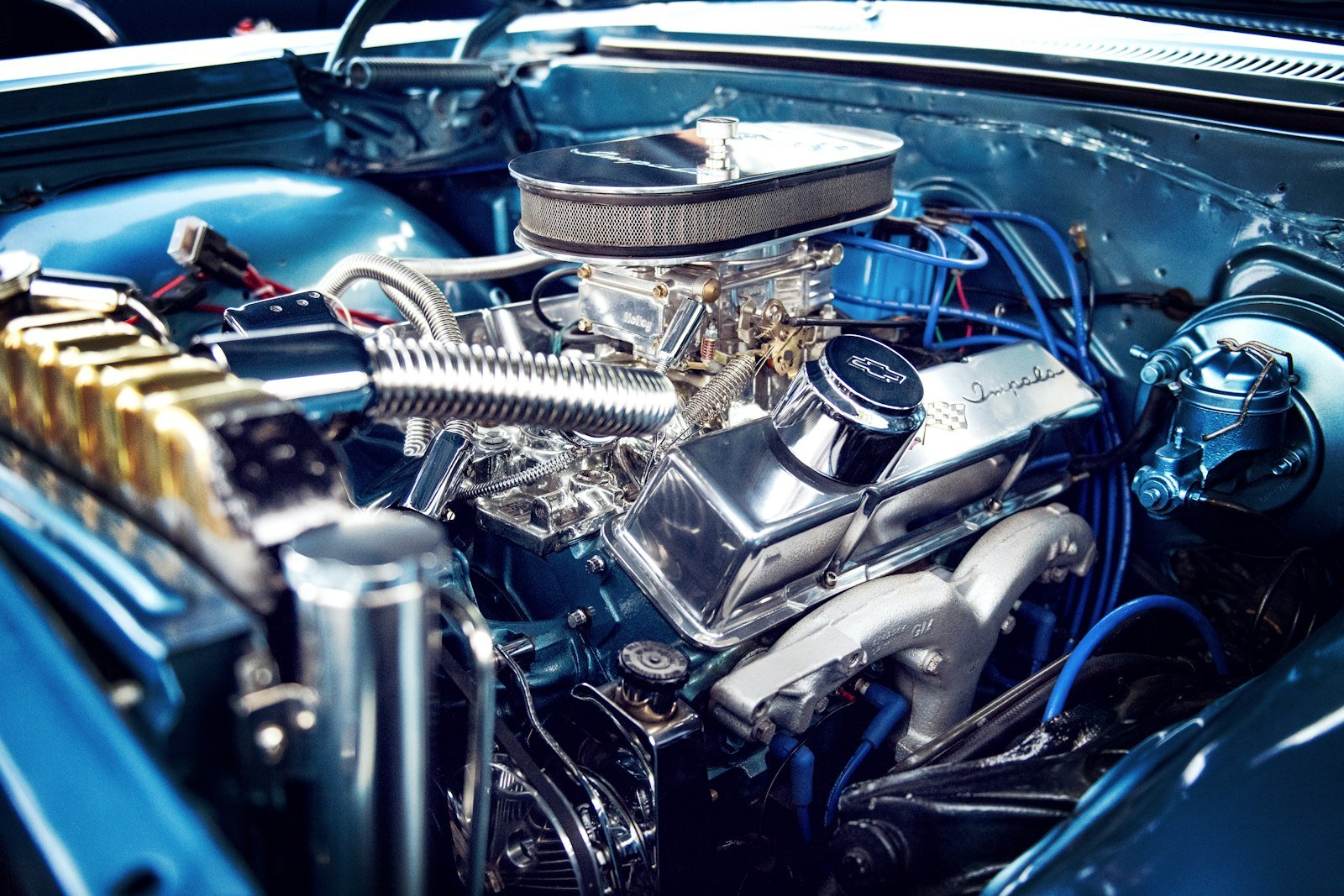
Every used engine we sell gets engine compression tested before it goes anywhere near a crate. That’s not a marketing line, it’s just the first real gate an engine has to pass through here, and it’s the single test that tells you more about an engine’s actual condition than mileage, age, or how clean it looks on the outside. If you’ve ever bought a used engine that ran fine for two weeks and then started burning oil or losing power, there’s a decent chance nobody checked compression before it shipped. We check it on every unit, and this post walks through why that matters and what the numbers actually tell you.
What Compression Testing Actually Measures
A compression test measures how much pressure each cylinder builds during the compression stroke, before combustion happens. A technician threads a gauge into the spark plug or glow plug hole, cranks the engine over several times, and reads the peak pressure. Do this on every cylinder and you get a picture of how well the piston rings are sealing against the cylinder walls, whether the valves are seating properly, and whether the head gasket is holding.
When an engine is compression tested, what you’re really checking is mechanical integrity at the most fundamental level. Low compression on one cylinder points to a worn ring, a burnt valve, or a blown head gasket in that specific cylinder. Low compression across all cylinders points to broader wear, usually from high mileage or a history of running low on oil. Compression that’s roughly even across every cylinder and sits within the manufacturer’s spec range is about the strongest single indicator you can get that an engine is mechanically sound.
Why We Test Every Engine Before It Ships
We deal in used engines, which means every unit that comes through has a history we didn’t create and can’t fully verify just by looking at it. A compression test cuts through a lot of guesswork. An engine that looks clean, has reasonable mileage, and comes from a reputable donor vehicle can still have a cracked ring land or a burnt exhaust valve that isn’t visible from outside the block. Compression testing catches that before the engine gets crated and shipped, not after it’s sitting on your bench.
This matters more with some engines than others. Take the Toyota J05E diesel, which runs a 17.5:1 compression ratio as part of its normal spec. On a diesel like this, compression testing isn’t optional, it’s the difference between an engine that starts reliably in cold weather and one that struggles to fire because ring wear has dropped effective compression below what the engine needs for reliable diesel ignition. The same logic applies to turbocharged engines like the BMW N55B30T0, where boost pressure amplifies any weakness in ring sealing that a compression test would catch at idle.
What the Numbers Actually Mean
Every engine has a manufacturer-specified compression range, and the absolute number matters less than the spread between cylinders. A gasoline engine typically runs somewhere between 120 and 200 psi per cylinder depending on the design, while diesels run considerably higher, often 300 psi or more given their higher compression ratios. What we’re really watching for is variance: if one cylinder reads 15 percent or more below the others, that’s a flag worth investigating further, even if every cylinder is technically within the broad acceptable range.
An engine compression tested and found within 10 percent variance across all cylinders is generally considered healthy. Wider variance doesn’t automatically mean the engine is scrap, but it does mean we dig further, sometimes with a leak-down test to pinpoint exactly where the compression is escaping, whether that’s rings, valves, or a head gasket.
Compression Testing vs. Leak-Down Testing
Compression testing tells you there’s a problem. Leak-down testing tells you what the problem is. A leak-down test pressurizes each cylinder with compressed air at top dead center and measures how much of that air escapes, and more importantly, where it goes. Air escaping past the piston rings shows up at the oil filler cap. Air escaping past the intake valve shows up at the throttle body. Air escaping past the exhaust valve shows up at the tailpipe. Air escaping past a blown head gasket often shows up as bubbles in the coolant reservoir.
We run leak-down tests on any engine where the compression numbers raise a question, since it lets us diagnose the actual cause rather than just flagging that something’s off. This two-step process, compression first, leak-down when needed, is standard procedure across our inventory, whether that’s a smaller unit like the Mazda Skyactiv-G 2.0L or something heavier duty like a Caterpillar C15.
Why This Matters More on Used Engines Than New Ones
Nobody compression tests a brand new engine off the assembly line, because manufacturing tolerances and quality control already guarantee the numbers will be right. Used engines are a different story entirely. Every used engine has an unknown history of oil changes, driving habits, climate exposure, and mechanical stress that a compression test partially reveals. It’s the closest thing to a health check an engine can get without tearing it apart.
This is especially true for performance and turbocharged engines, where the margins for error are tighter. An engine like the BMW S55B30 or a Mitsubishi 6B31 operates under higher stress than a typical economy engine, and ring or valve wear that might not matter much on a low-compression commuter engine can translate directly into reduced power and reliability on something built for performance.
How We Handle the Physical Testing Process
The actual mechanics of getting an engine compression tested are straightforward but take real time to do properly, which is part of why some sellers skip it or only sample-test a fraction of their inventory. Our technicians pull each spark plug or injector, thread in a calibrated gauge, disable the fuel system so nothing fires during cranking, and crank the engine through several full compression cycles per cylinder to get a stable reading. Doing this correctly on a V6 or V8 takes considerably longer than on a 4-cylinder, which is one reason larger engines cost more to properly inspect before sale.
We record every reading, cylinder by cylinder, and compare it against the manufacturer’s published spec for that specific engine family. An engine compression tested against factory spec, rather than just against a generic “should be around 150 psi” rule of thumb, gives a far more accurate picture, since compression specs vary meaningfully between engine designs, displacement, and compression ratio.
Why Some Sellers Skip This Step
Compression testing takes time, requires calibrated equipment, and needs a technician who actually knows how to interpret the results rather than just reading a number off a gauge. Sellers moving high volumes of engines with thin margins sometimes skip it entirely, relying instead on the fact that the donor vehicle “ran and drove” before the engine was pulled. That’s a much weaker guarantee than it sounds like. An engine can run and drive with borderline compression on one or two cylinders and still start, idle, and move the car, especially at low mileage on the used-engine odometer, right up until it doesn’t.
We test every engine compression tested before it’s listed, not a sample of our inventory, because “ran and drove” and “mechanically sound” are two different claims, and only one of them is something you can actually verify with data.
Compression Testing Across Different Engine Types
The specifics of what we’re looking for shift depending on the engine family. On a naturally aspirated engine like the Mazda Skyactiv-G 2.5L, compression testing is fairly direct: consistent readings across all four cylinders within factory spec means the engine is sound. On forced-induction engines, compression testing gets a bit more nuanced, since some turbo and supercharged designs run slightly lower static compression by design to leave room for boost. Understanding what “normal” looks like for a specific engine, rather than applying a blanket number, is where experience matters.
Diesel engines add another layer. Because diesels rely on compression alone to ignite fuel, with no spark plug, a diesel engine compression tested below spec often won’t start reliably at all, particularly in cold conditions, which makes compression testing even more critical on units like the Toyota J05C or Isuzu 4JJ1-TCX than on a comparable gasoline engine.
What We Do With the Results
Every engine that passes compression testing gets that data recorded and available to the buyer. We don’t just tell you an engine passed, we can tell you the actual per-cylinder numbers if you want them, which gives you a real baseline to compare against once the engine is installed and running in your vehicle. If compression numbers change significantly after installation, that baseline helps you and your mechanic figure out whether the issue is with the engine itself or with something in the installation, like a torque spec on the head bolts or a gasket that wasn’t seated properly.
Engines that fail compression testing don’t get listed for sale as running units. Depending on the specific failure, they either get pulled for parts, sent for a rebuild, or in some cases repaired and retested before going back into inventory. We’d rather catch a problem on our bench than have a customer discover it three weeks after installation.
Common Causes of Low Compression We See
- Worn piston rings: The most common cause on higher-mileage engines, from years of normal wear allowing combustion gases to blow past the rings
- Burnt or bent valves: Often from overheating events or a timing belt or chain issue in the engine’s history
- Blown head gaskets: Frequently paired with coolant contamination in the oil, which we also check for during inspection
- Carbon buildup on valve seats: Can cause a valve to not seat fully, especially on engines that sat unused for extended periods
- Cylinder wall scoring: Usually from a prior lubrication failure, and one of the more serious findings since it often means the block itself needs machining
How to Verify Compression After Installation
Once your engine compression tested unit arrives and gets installed, it’s worth having your mechanic run a fresh compression test before putting significant miles on it. This confirms the engine survived shipping and installation without issues, and it gives you your own baseline reading to reference down the road. Any reputable installer should be comfortable doing this as part of a standard engine swap, and it typically takes under an hour.
If your post-installation numbers come back noticeably different from what we recorded before shipping, contact us. It’s rare, but it happens, usually from something in the installation process rather than the engine itself, and we’ll work with you and your mechanic to figure out what’s going on.
Why This Level of Testing Matters for Your Purchase
Buying a used engine sight unseen, especially internationally, requires trust in a process you can’t personally observe. Compression testing is one of the more objective, verifiable parts of that process. It’s not a subjective visual inspection or a claim about how the donor vehicle was driven, it’s a hard number that either meets spec or doesn’t. When you’re comparing suppliers, ask specifically whether every engine gets compression tested before shipping, not just a sample, and ask whether they’ll share the actual numbers rather than just a pass or fail.
We test every engine that leaves our facility, whether it’s a smaller unit like the Toyota 2GR-FSE or a heavy industrial engine like the Caterpillar C18 marine engine. The testing process doesn’t change based on price point or engine size, because the underlying question, is this engine mechanically sound, matters the same amount either way.
Common Questions About Compression Testing
What compression reading is considered acceptable?
It varies by engine, but the key indicator is consistency across cylinders rather than one specific number. Variance under 10 percent between cylinders generally indicates a healthy engine.
Do you test diesel and gasoline engines the same way?
The testing process is similar, but diesel engines run much higher compression ratios by design, so the acceptable pressure ranges are considerably higher than for gasoline engines.
What happens if an engine fails the compression test?
It doesn’t get listed for sale as a running unit. Depending on the cause, it may be repaired and retested, sent for a rebuild, or parted out.
Can I get the actual compression numbers for the engine I’m buying?
Yes, we keep records from testing and can share the per-cylinder readings on request.
Should I test compression again after installing the engine?
Yes, it’s good practice and gives you a fresh baseline reading specific to your installation.
Ready to Order a Tested Engine
Every engine in our inventory goes through compression testing before it’s listed as available. Browse our current stock of tested used engines, or contact us directly if you want to see the specific compression readings for an engine you’re considering before you order. We ship worldwide with full documentation, and that documentation includes the test results that tell you exactly what you’re buying.
Posts Widget




Best Auto Motors
USA HERALD MAGAZINE INC
Buy the best quality engines from our website online and get a fast delivery within 6 days.
Copyright 2022.KlbTheme . All rights reserved
