


Used Import Motors: A Buyer’s Guide to Sourcing JDM and Euro Engines
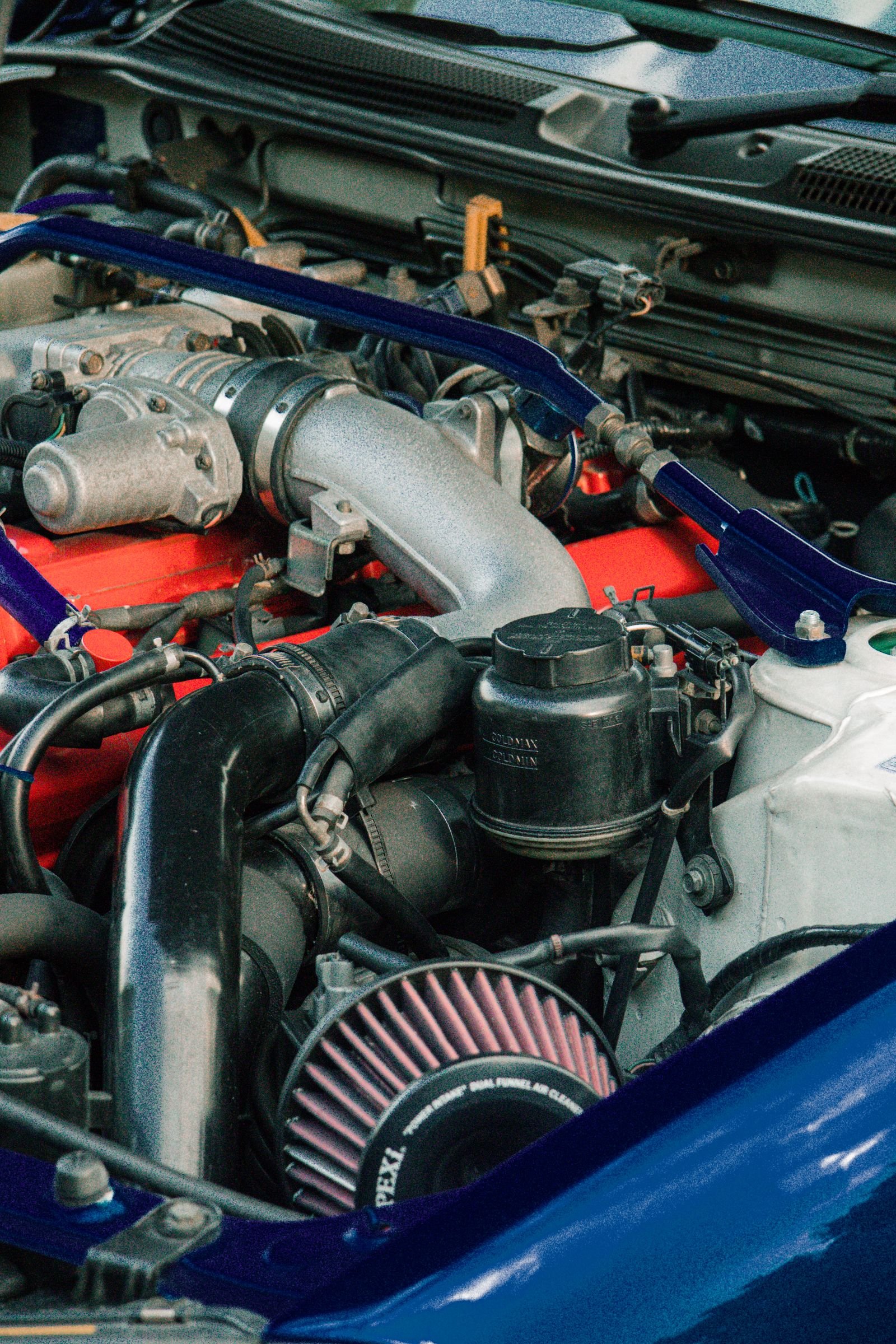
Finding the right used import motors for a domestic-market vehicle, or for a swap project built around a specific import engine code, is a different challenge than shopping for a common domestic replacement. Availability is narrower, specs vary more by market, and a lot of listings out there are vague about exactly which version of an engine you’re actually getting. That vagueness is where buyers get burned, not because import engines are inherently less reliable, but because sourcing and verifying them takes more specific knowledge than a generic domestic swap does.
We source used import motors from Japanese, European, and other overseas markets as a regular part of our inventory, not as a niche side offering. This guide covers what actually matters when shopping for an import engine, how sourcing and verification work differently than domestic units, and what specifications you need to confirm before committing to a purchase.
What Counts as a Used Import Motor
The term covers more ground than people sometimes assume. It includes JDM engines pulled from Japanese-market vehicles, which often have different equipment or tuning than the same engine code sold domestically. It includes European engines, particularly diesel codes that saw much wider adoption overseas than in North America. It also includes engines from vehicles that were never sold in certain markets at all, meaning the only path to that specific engine code is importing one. Used import motors solve real availability problems for exactly these situations, engine codes and platforms that domestic salvage yards simply don’t have because the vehicles themselves weren’t common here.
Why Buyers Specifically Seek Out Import Engines
There are a few recurring reasons people search for used import motors instead of a domestic equivalent. Some are chasing a specific swap platform, certain JDM engine codes have strong reputations in the swap community for reliability and tuning potential that domestic equivalents don’t quite match. Some need a replacement for a vehicle that was itself imported, where the only correct-fitment engine is one sourced from the same market. And some are simply chasing better availability, a common JDM code can sometimes be easier to source than an increasingly rare domestic engine from the same era.
Specifications That Matter More With Import Engines
Import sourcing adds a few verification steps that matter less with a straightforward domestic swap:
- Market-specific spec differences — the same engine code can have different compression ratios, ECU tuning, or emissions equipment depending on which market it was originally sold in.
- Chassis code and engine code cross-reference — confirming the engine actually matches the specific chassis it’s advertised as coming from, since import listings sometimes generalize.
- Wiring harness and ECU compatibility — a swap project needs to know whether the harness and ECU are included, and whether they’ll work with the target chassis without significant modification.
- Odometer units and mileage verification — kilometers versus miles matters, and verifying actual mileage from an overseas market takes different documentation than a domestic vehicle history report.
- Emissions equipment differences — some import engines lack emissions equipment required for road-legal registration in certain regions, which matters a lot depending on local regulations.
A seller who understands these distinctions and can speak to them specifically is offering something meaningfully more useful than one who’s just relisted an engine code without addressing any of the market-specific details.
Popular Used Import Motors We Source
Our import inventory spans several manufacturers and platforms. On the Toyota side, we regularly source and sell engines like the Toyota J05C and Toyota J05E, both common in JDM commercial applications. Mazda’s Skyactiv-G lineup, including our 2.0L, 2.5L, and 2.5T variants, comes through regularly as well. On the Mitsubishi side we carry codes like the 6G75 and 6B31. This breadth matters because import sourcing isn’t a single-brand specialty for us, it’s a full sourcing channel that spans several manufacturers with real overseas demand and supply.
How Import Sourcing Actually Works
Sourcing used import motors involves a longer supply chain than a domestic salvage pull. Engines typically come through overseas auction houses or dismantlers, get consolidated for container shipment, and clear customs before reaching our facility for testing. That longer chain is exactly why working with an established import channel matters, a sourcing partner with a track record of accurate grading overseas saves you from relying entirely on our own testing to catch problems that should have been caught earlier in the chain.
We’ve written more broadly about how sourcing networks function in our guide on running as an engine inventory operation, which touches on how import channels fit into a wider sourcing strategy alongside domestic acquisition.
Testing Import Engines the Same Way as Domestic Units
Once an import engine reaches us, it gets tested to the exact same standard as anything sourced domestically, full cylinder-by-cylinder compression testing, visual inspection for damage or prior repair work, and verification of the engine code against the physical unit rather than trusting overseas paperwork alone. We’ve detailed this compression testing process in our guide on engine compression testing, and it applies identically whether the engine came from a domestic pull or an overseas shipment.
Fitment Verification for Import Swaps
Fitment gets more complicated with used import motors, especially for swap applications where the engine is going into a chassis it wasn’t originally paired with. Beyond confirming the engine code itself, a swap buyer needs to verify mount compatibility, wiring harness pinout, ECU tuning requirements, and in some cases transmission compatibility if the swap includes a matched gearbox. We cover general fitment verification in our engine fitment guarantee, and for swap-specific import applications, it’s worth discussing your exact chassis and goals directly with us before ordering, since generic fitment guidance doesn’t always cover every swap combination.
Shipping and Documentation for Import Engines
Because used import motors have already crossed international borders once to reach us, the documentation trail matters more than it might for a purely domestic transaction. We maintain records tracing each unit back through the import process, which also makes re-export documentation more straightforward if you’re purchasing from outside the country yourself. According to standards referenced by SAE International, engine identification and component certification follow specific documented conventions that responsible import channels should be able to trace clearly rather than relying on informal assurances.
Cost Considerations Specific to Import Motors
Pricing on used import motors reflects a few extra cost layers compared to domestic sourcing, overseas acquisition, container freight, customs clearance, and the additional testing rigor needed to verify market-specific specs. That said, for engine codes with limited or no domestic availability, import sourcing is often still more cost-effective than trying to build an equivalent from scarce domestic parts, or it may be the only realistic option at all. We’ve covered general engine financing options in our guide on engine financing, which applies to import purchases the same way it does to domestic ones.
Buying Used Import Motors for Fleet or Shop Use
Shops that specialize in import platforms, JDM specialists, European marque shops, sometimes need consistent access to import engines rather than a one-off purchase. If that’s your situation, it’s worth discussing ongoing sourcing arrangements rather than treating each purchase as a separate transaction. Our guide on working with a bulk used engine supplier covers volume considerations that apply directly to shops building a business around import platforms specifically.
JDM vs. European Import Motors: Different Sourcing Realities
Japanese and European import channels work differently enough that it’s worth understanding both before assuming they behave the same way. JDM sourcing tends to benefit from Japan’s strict vehicle inspection system, which often takes cars off the road, and into dismantling, at relatively low mileage and in well-maintained condition compared to vehicles that stay in daily use for a decade or more elsewhere. That’s part of why JDM used import motors frequently show up with lower verified mileage than domestic equivalents of similar age.
European import sourcing, particularly for diesel engines, works more through dealer trade-in and fleet channels, since diesel passenger vehicles remain far more common in European markets than in North America. This gives access to diesel engine codes that barely exist in domestic salvage yards at all. Both channels require the same rigor in verification, but the reasoning behind availability and typical condition differs meaningfully between the two.
Right-Hand Drive Considerations for JDM Sourcing
A detail that trips up first-time import buyers: many JDM vehicles are right-hand drive, but the engine and drivetrain themselves are generally not handedness-specific in the way the chassis and steering components are. For an engine swap specifically, this usually isn’t a complicating factor, the engine bolts in the same way regardless of which side the steering wheel was on in the donor vehicle. Where it can matter is with accessories that were mounted asymmetrically for space reasons in the original chassis, so it’s worth confirming with your supplier whether any accessory placement differs from what you’d expect on a left-hand drive equivalent.
Registration and Compliance Considerations
Rules around installing a used import motor in a vehicle vary significantly depending on where you’re located and what local vehicle compliance requirements apply. Emissions equipment requirements, age-of-engine restrictions, and inspection processes differ by region, and it’s worth checking your local requirements before committing to a swap, particularly for older import engines that may lack emissions equipment expected by newer regulations. We can tell you what equipment a specific engine does or doesn’t include, but compliance with local registration rules is worth confirming independently with your local authority before you commit to a build, since those rules vary too widely for a general guide to cover accurately for every buyer worldwide.
Break-In and Installation Notes for Swap Projects
Installing a used import motor into a chassis it wasn’t originally paired with adds a few extra considerations beyond a standard like-for-like replacement. New motor mounts matched to the swap combination, rather than reused originals, help prevent vibration and alignment issues down the line. Wiring harness connections should be documented carefully during installation, since a swap harness that’s been spliced or adapted can develop intermittent issues if connections aren’t done cleanly. Once installed, the same break-in principles that apply to any freshly installed engine apply here too, moderate driving for the first several hundred miles while everything seats properly, along with an earlier-than-usual oil change to clear out any residue from the installation process.
Buyers building a swap for the first time sometimes underestimate how much of the total project cost sits in these supporting details, mounts, wiring, tuning, rather than the engine itself. Budgeting for the full swap, not just the motor, avoids an unpleasant surprise partway through the build.
Common Mistakes Buyers Make Sourcing Import Engines
- Assuming all versions of an engine code are identical across markets. Compression ratios, tuning, and equipment can differ meaningfully by market even under the same engine code designation.
- Not confirming what’s included with the engine. Import listings vary widely on whether wiring harness, ECU, and accessories are included or sold separately.
- Underestimating shipping timelines. Import sourcing generally takes longer than a domestic pull already sitting on a shelf; plan accordingly if your timeline is tight.
- Skipping fitment verification for swap projects. A generic “this engine fits your chassis” claim needs to be confirmed against your exact combination of parts, not assumed from general compatibility charts.
Import Engines and Warranty Coverage
A common misconception is that import sourcing automatically means weaker warranty coverage than domestic inventory. That’s not how we handle it. Every used import motor we sell carries the same warranty terms as our domestically sourced inventory, since the testing standard applied is identical regardless of where the engine originated. We’ve detailed our warranty terms fully in our guide on used engines under warranty, and it’s worth confirming this explicitly with any import seller rather than assuming coverage matches domestic listings by default.
What to Ask Before Buying a Used Import Motor
Before committing to any listing for used import motors, ask what market the engine originally came from and whether spec differences apply to your intended application, ask for cylinder-by-cylinder compression numbers the same way you would for a domestic engine, confirm exactly what’s included, harness, ECU, accessories, and get a clear shipping timeline given the longer supply chain involved. A seller with real import sourcing experience will have specific, confident answers to all of this rather than generic reassurance.
Why Worldwide Sourcing Reach Matters for Import Buyers
The whole value proposition of buying used import motors from a dedicated sourcing operation rather than trying to arrange an overseas purchase yourself comes down to reach and verification. We maintain relationships across multiple overseas markets rather than depending on a single auction house or dismantler, which means better odds of finding the exact spec variant you need and more competitive pricing since we’re not paying premium rates to a single limited source. It also means if one channel is temporarily backed up, container delays, seasonal auction slowdowns, we generally have another path to the same or a comparable engine code rather than leaving you stuck waiting on a single pipeline.
This is especially relevant for buyers outside our home market too. Since we already ship worldwide and coordinate customs documentation as a standard part of the process, ordering a used import motor doesn’t look meaningfully different whether you’re located in the same country the engine is being tested in or on the other side of the world from it.
Frequently Asked Questions
Are used import motors as reliable as domestic engines?
Generally yes, when properly tested. Reliability comes down to the individual unit’s condition and testing, not whether it originated domestically or overseas.
Do import engines come with wiring harnesses and ECUs?
It varies by listing. Confirm exactly what’s included before ordering, since this affects both price and what additional parts you’ll need for a swap.
How long does shipping take for a used import motor?
It depends on whether the unit is already in domestic inventory after clearing import and testing, or still in the sourcing pipeline. Already-tested units ship on normal timelines; units still being sourced take longer.
Can I get a used import motor for a chassis it wasn’t originally sold in?
Often yes, for popular swap platforms, but fitment needs specific verification, mounts, wiring, ECU tuning, rather than assuming generic compatibility.
Do I need to check local compliance rules before installing an import engine?
Yes. Emissions and registration requirements vary by region, so it’s worth confirming local rules independently in addition to verifying the engine’s specifications with your supplier.
Is buying a used import motor more expensive than sourcing domestically?
Sometimes, due to freight and customs costs, but for engine codes with little or no domestic availability, import sourcing is often the more practical and cost-effective path regardless.
Storing and Transporting Import Engines Between Ports and Facilities
The physical handling of a used import motor between overseas dismantling, container loading, port clearance, and final testing at our facility involves multiple transfer points, and each one is an opportunity for damage if it’s not handled carefully. Openings get sealed to prevent moisture and debris intrusion during transit, engines get secured to prevent shifting inside containers during ocean freight, and units get inspected again on arrival before they ever go into our own testing queue, not just accepted based on how they looked when they left the origin market. This extra layer of handling care is part of why import sourcing takes more coordination than a straightforward domestic pull, but it’s also why a properly run import channel can deliver units in condition consistent with what was documented at origin instead of a rough surprise on arrival.
Source Used Import Motors From a Channel That Actually Tests Them
We treat import sourcing as a core part of our business, not an afterthought, which means every used import motor we sell gets the same compression testing, documentation, and warranty backing as our domestic inventory. Send us your target engine code, chassis, or VIN and we’ll tell you honestly what’s available, what market it’s coming from, and what a realistic timeline looks like.
Posts Widget




Best Auto Motors
USA HERALD MAGAZINE INC
Buy the best quality engines from our website online and get a fast delivery within 6 days.
Copyright 2022.KlbTheme . All rights reserved
