


Used Engines Under Warranty: What’s Covered and Why It Matters
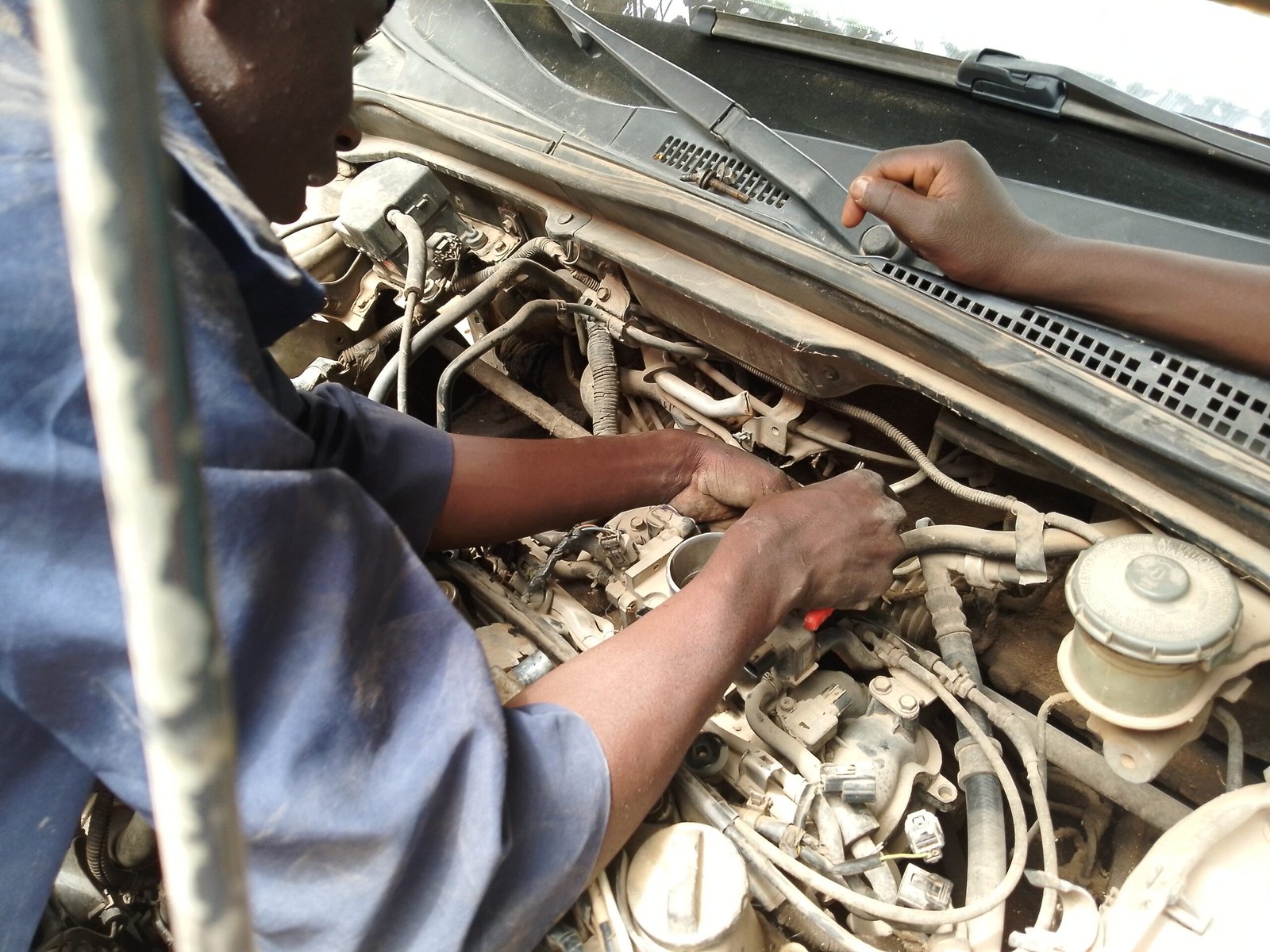
The single most common question we get from first-time buyers isn’t about price or specs, it’s whether the used engine actually comes with any protection if something goes wrong. It’s a fair question. Buying a used engine is already a bit of a leap of faith compared to buying new, and without a warranty backing it up, that leap gets a lot harder to justify. Every used engine we sell comes with warranty coverage, and this post explains exactly what that covers, what it doesn’t, and why it matters more than people expect.
Why Warranty Coverage Changes the Math on Buying Used
A used engine is inherently a bit of an unknown. You’re buying a component with a history you didn’t witness, from a donor vehicle you’ll never see, and trusting that the testing process caught anything that would cause a problem down the line. Testing catches most issues, but not every failure mode shows up on a compression test or a visual inspection. Some problems only surface after an engine’s been running under real load for a few hundred miles.
That’s exactly the gap a warranty is meant to cover. Buying used engines under warranty means that if something the inspection process missed does show up after installation, you’re not out the full cost of the engine and the labor to install it a second time. It shifts a meaningful chunk of the risk off the buyer and onto us, which is the right place for that risk to sit, since we’re the ones who tested and sold the engine.
What Our Warranty Actually Covers
Warranty terms vary somewhat by engine type and condition, but the core coverage on our used engines under warranty typically includes internal mechanical failure of major components, things like the block, heads, crankshaft, camshaft, and internal bearings, provided the failure isn’t caused by improper installation, lack of maintenance, or damage after delivery. This is the coverage that actually matters, since internal mechanical failure is the expensive kind of problem, the kind that means pulling the engine back out rather than swapping a sensor.
Coverage periods and mileage limits differ depending on the specific engine and its tested condition at time of sale. A lower-mileage, recently tested engine like a Toyota 2GR-FSE may carry different terms than a higher-mileage industrial unit, and we’re upfront about exactly what applies to your specific engine before you order, not buried in fine print you find out about later.
What Warranty Coverage Typically Doesn’t Include
It’s just as important to understand what warranty coverage doesn’t extend to, since a warranty that sounds comprehensive but excludes everything that actually goes wrong isn’t worth much. Wear items like gaskets, seals, belts, and hoses that degrade over time regardless of the engine’s internal condition typically aren’t covered, since these are consumables expected to need replacement on any engine, new or used. Damage from improper installation, incorrect fluids, overheating after delivery, or accident damage also falls outside warranty coverage, because those failures happen after the engine leaves our hands and reflect what happened during or after installation rather than the condition of the engine we shipped.
We’re direct about these exclusions upfront because a warranty you don’t fully understand isn’t real protection, it’s just a document that creates disputes later. Ask specifically what’s covered and what isn’t before you order, and we’ll give you a straight answer rather than a vague summary.
How Warranty Claims Actually Work
If something covered under warranty does go wrong, the process starts with documentation. We’ll typically want photos or video of the issue, information about how and when it presented itself, and confirmation of proper installation, things like correct fluids, proper torque specs, and a qualified installer. This isn’t us trying to find a way out of honoring the warranty, it’s standard practice for verifying that a failure is genuinely a warranty issue rather than something caused after delivery.
Once a claim is verified, resolution typically means a replacement engine, a refund, or a partial credit depending on the specific situation and how far into ownership the failure occurred. We handle this directly rather than routing you through a third party, which keeps the process faster and more accountable than warranty claims often are with larger, more bureaucratic sellers.
Why Some Used Engine Sellers Don’t Offer Real Warranties
Not every used engine seller backs their inventory with meaningful warranty coverage, and it’s worth understanding why. Offering a real warranty means standing behind your testing process and your inventory, which requires confidence that the engines you’re selling are genuinely in the condition you claim. Sellers who skip rigorous testing, or who move high volumes with thin margins and no real quality control process, often can’t afford to offer a warranty with teeth, because they’d be paying out claims constantly.
We can offer used engines under warranty specifically because every engine goes through compression testing, leak-down testing where needed, and visual inspection before it’s listed for sale. The warranty isn’t a marketing add-on bolted onto engines we’re not confident in, it’s a natural extension of a testing process rigorous enough that we’re willing to stand behind the results.
Warranty Coverage Across Different Engine Categories
Warranty terms aren’t identical across every category we carry, and that’s intentional rather than an inconsistency. Passenger vehicle engines like a Mazda Skyactiv-G 2.0L or a BMW N20B20 typically carry standard used-engine warranty terms reflecting normal recreational and commuting use. Heavy commercial and industrial engines, like a Toyota J05E diesel or a Caterpillar 3306, often carry terms adjusted for the higher duty cycles and heavier loads these engines see in fleet and industrial applications.
Performance and turbocharged engines fall into their own category too, since higher-stress engines like a BMW S55B30 operate closer to their mechanical limits under normal use than a standard commuter engine does. We’ll tell you exactly what applies to the specific engine you’re considering rather than quoting a generic warranty policy that doesn’t actually reflect how that engine is typically used.
How to Protect Your Warranty After Installation
A warranty only holds up if the engine is installed and maintained correctly, and there are a few basic things that protect your coverage. Using a qualified installer who follows manufacturer torque specs and properly bleeds and fills all fluid systems matters more than people expect, since a significant share of post-installation failures trace back to installation errors rather than anything wrong with the engine itself. Keeping records of the installation, including who did the work and what parts and fluids were used, gives you documentation if a warranty claim does become necessary down the line.
Following the manufacturer’s recommended break-in procedure, where applicable, and staying on top of the first oil change after installation also protects your coverage and, more importantly, protects the actual longevity of the engine regardless of warranty status.
Why This Matters More for International Buyers
If you’re ordering an engine that’s shipping internationally, warranty coverage carries extra weight, since you don’t have the option of driving over to inspect the engine in person before buying, and getting a defective unit fixed or replaced from a different country adds real logistical complexity. Buying used engines under warranty from a supplier who ships internationally and stands behind that warranty across borders removes a significant amount of the risk that comes with buying sight unseen from another country.
We work with international customers regularly and handle warranty claims the same way regardless of destination, which matters if you’re weighing suppliers and trying to figure out who will actually follow through if a problem comes up after your engine has already cleared customs and been installed.
Warranty vs. No Warranty: A Real Cost Comparison
It’s worth running the actual numbers on why used engines under warranty make financial sense even when the upfront price is slightly higher than an unwarrantied alternative. If you buy an engine without warranty coverage for a lower price and it fails within the first few months, you’re paying for a second engine plus a second round of labor to remove the failed unit and install the replacement, labor that often costs as much as the engine itself. That’s a scenario where the cheaper upfront option ends up costing significantly more than paying a bit more for used engines under warranty in the first place.
This math gets more dramatic on higher-value engines. A failure on a budget engine is a frustrating but manageable expense. A failure on something like a BMW B57D30S0 quad turbo or a Caterpillar C18 marine engine, without warranty protection, is a serious financial hit. The higher the engine’s value and the more critical its application, the more the case for warranty coverage strengthens.
What Fleet and Commercial Buyers Should Know
Fleet operators and commercial buyers evaluate warranty terms differently than individual customers, and for good reason. A single engine failure on a personal vehicle is inconvenient. A pattern of engine failures across a fleet without warranty backing can genuinely threaten a business’s operating budget. When we work with fleet customers ordering multiple units, we walk through warranty terms in detail specifically because the stakes of getting this wrong scale with the number of units involved.
For commercial and industrial engines running higher duty cycles than typical passenger vehicle use, we’re also direct about how usage intensity affects warranty terms. An engine like a Toyota N04C running in a delivery truck sees a different kind of stress than the same engine family in lighter-duty use, and warranty terms reflect that reality rather than pretending all use cases are identical.
Reading a Warranty Before You Buy, Not After
One of the most common mistakes buyers make with any used part, not just engines, is not actually reading the warranty terms until after something goes wrong. At that point, you’re negotiating from a position of frustration rather than making an informed decision. We’d rather have that conversation upfront, before you order, so you know exactly what protection you’re getting and what your responsibilities are for keeping that protection valid.
If a seller is reluctant to put warranty terms in writing before you commit to a purchase, that’s worth treating as a red flag. Real used engines under warranty coverage should be something a seller is happy to document clearly before you buy, not something that gets vague or evasive when you ask specific questions.
What Warranty Coverage Actually Feels Like in Practice
Most customers who buy used engines under warranty never end up needing to file a claim, and that’s exactly the outcome everyone wants. The value of the warranty isn’t primarily in the payout, it’s in the confidence it gives you at the point of purchase, knowing that if the rare issue does surface, you’re not facing the full cost of a second engine and a second installation on your own. That peace of mind changes how people approach a repair or a build, letting them commit to a used engine option without the nagging worry of what happens if something goes wrong three weeks after installation.
For shops and installers specifically, being able to tell a customer that the replacement engine comes backed by a real warranty is also a trust signal that matters for their own business. Nobody wants to install an engine, hand the car back to the customer, and then have to explain a month later that the replacement part had zero protection if something failed. Used engines under warranty give installers something concrete to stand behind too, not just the seller.
Common Questions About Warranty Coverage
How long does the warranty last?
Terms vary by engine type and condition. We’ll confirm the exact coverage period for your specific engine before you order.
Does the warranty cover shipping damage?
Shipping damage is handled separately from mechanical warranty coverage, typically through freight insurance, since it’s a transit issue rather than an engine condition issue.
What voids the warranty?
Improper installation, incorrect fluids, damage after delivery, and lack of basic maintenance are the most common reasons a claim gets denied.
Do I need to use a specific mechanic to keep the warranty valid?
No, but the installer needs to follow proper procedures and torque specs. Keeping documentation of the installation protects you if a claim becomes necessary.
Can I get warranty details in writing before I order?
Yes, we’ll provide the specific terms for your engine before you commit to a purchase, not after.
Ready to Order With Real Protection
Every engine we sell ships as one of our used engines under warranty, backed by the same testing process that lets us stand behind our inventory with confidence. Browse our current stock of warrantied used engines, or contact us directly if you want the exact warranty terms for a specific engine before you order.
Posts Widget




Best Auto Motors
USA HERALD MAGAZINE INC
Buy the best quality engines from our website online and get a fast delivery within 6 days.
Copyright 2022.KlbTheme . All rights reserved
