


Wholesale Used Engines: Bulk Pricing, Quality Standards, and How to Order
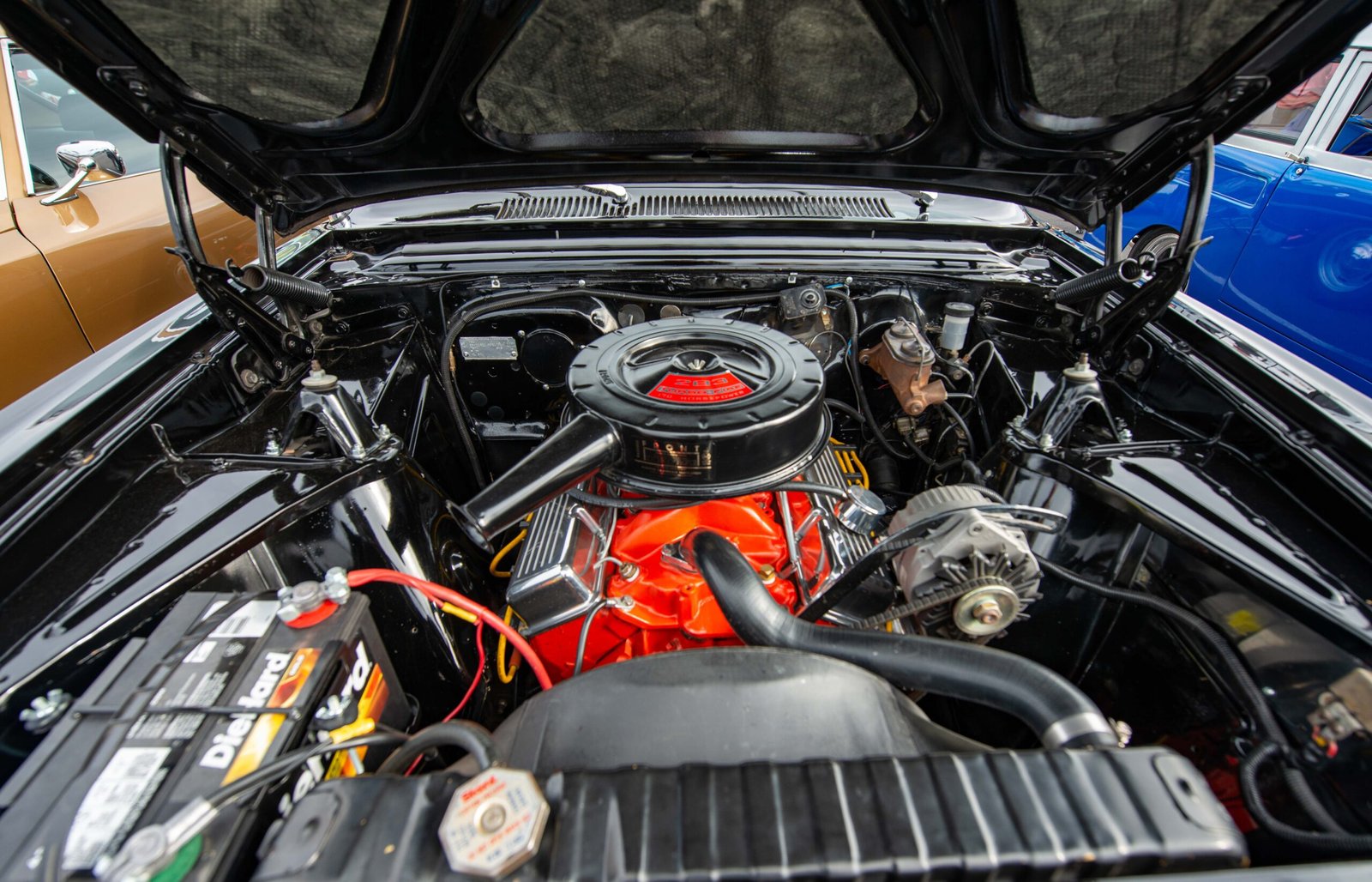
If you’re a shop owner, a fleet manager, or you’re running your own parts resale operation, buying one engine at a time doesn’t make sense past a certain point. That’s what wholesale used engines are for, buying in volume, at pricing that reflects the volume, from a supplier who can actually keep up with repeat orders instead of treating every purchase like a one-off retail transaction. This isn’t a retail guide dressed up in business language. It’s written for people who buy engines regularly and need a straight answer on how wholesale pricing and sourcing actually works.
Who Actually Buys Wholesale Used Engines
The buyers on this side of the business fall into a few clear categories. Independent repair shops that install replacement engines regularly enough that keeping a small stock on hand, or having reliable fast-turnaround sourcing, saves real time compared to sourcing one engine at a time for every job. Salvage and parts resale businesses that buy wholesale used engines specifically to resell them individually at retail prices, which only works if the wholesale cost leaves enough margin to make it worthwhile. Fleet operators managing a group of similar vehicles, where a failure in one unit often means a second or third failure isn’t far behind, and having engines on hand or on standing order avoids repeated one-off purchases. And exporters who buy wholesale used engines domestically and ship them to markets where sourcing locally is harder or more expensive.
How Wholesale Pricing Actually Works
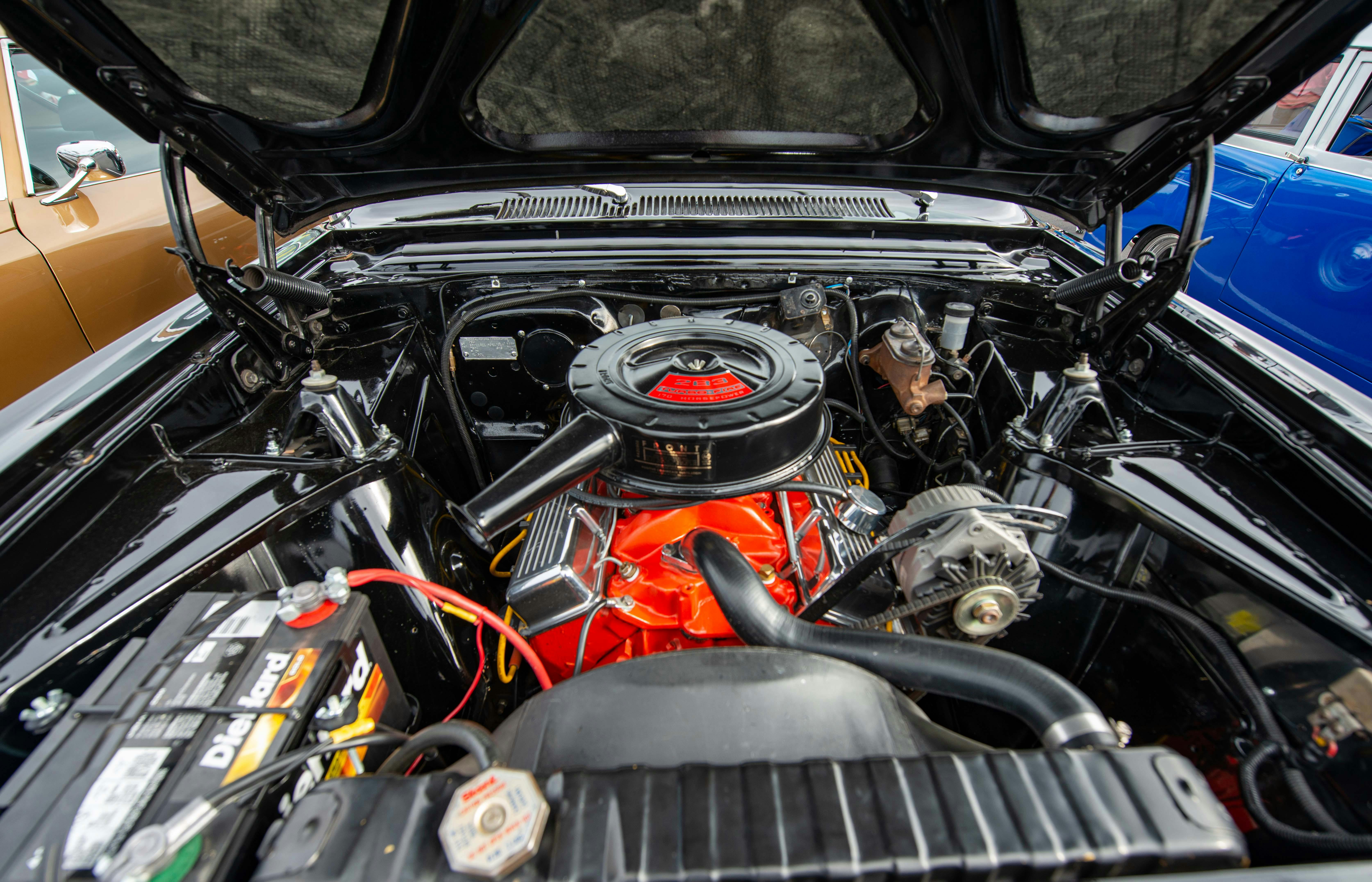
Wholesale used engines aren’t priced by applying a flat discount to retail listings. Pricing scales with order volume and consistency. A one-time order of five engines gets a different rate than a standing monthly order of twenty, because the second arrangement lets us plan sourcing and inventory around predictable demand instead of reacting to sporadic requests. Mixed orders across different engine codes are priced differently than orders concentrated on a narrow set of platforms, since sourcing ten of the same engine code is logistically simpler than sourcing ten different codes in the same batch.
If you’re evaluating wholesale used engines from multiple suppliers, ask specifically how their pricing structure scales with volume, and ask whether pricing is locked in for a set period or subject to change order to order. A supplier who can’t answer that clearly is probably pricing wholesale used engines on the fly rather than with an actual structure behind it.
Quality Standards Don’t Change at Wholesale Volume
This is the part that separates a legitimate wholesale used engines supplier from someone just moving volume without oversight. Every engine in a wholesale order goes through the same compression testing, visual and borescope inspection, and run testing where practical, as a single retail sale. Buying in bulk doesn’t mean lowering the bar on what gets shipped out. If anything, the inspection process matters more at volume, because a bad engine in a batch of twenty doesn’t just cost you that unit, it costs you the customer relationship if you’re reselling and it turns out to be a dud.
Documentation scales with volume too. Wholesale used engines should come with the same individual records, mileage, compression numbers, source information, as a single retail purchase, just multiplied across however many units are in the order. If a wholesale supplier can’t provide documentation per unit, that’s a sign the testing process isn’t actually happening at that scale.
What Kind of Inventory Moves at Wholesale Volume
Certain engine codes move consistently enough in wholesale used engines orders that they’re worth stocking or sourcing proactively rather than reactively. High-volume, widely used platforms like the Toyota A25A-FKS at $1,400 and the Mazda Skyactiv-G 2.0L at $1,600 are common wholesale requests specifically because the donor vehicle population is large, which keeps consistent supply flowing.
On the commercial and diesel side, engines like the Toyota N04C at $3,200 and the Isuzu 4JJ1-TCX at $1,700 see steady wholesale demand from fleet operators and commercial repair shops working on medium-duty trucks. If you’re setting up a standing wholesale used engines order, these are the kinds of platforms worth discussing first, since consistent supply is easier to guarantee on high-volume donor vehicle codes than on rare or low-production ones.
Setting Up a Standing Order
For buyers who need a steady stream rather than a single bulk purchase, a standing order arrangement for wholesale used engines lets you set expected monthly or quarterly volume, agree on pricing for that volume ahead of time, and get priority access to inventory as it becomes available, rather than competing for stock case by case. This works particularly well for repair shops with predictable engine replacement volume and for exporters managing regular shipping schedules to a specific destination market.
Setting this up starts with a conversation about what you actually need: which engine codes, roughly what volume, and how often. From there we can put together a wholesale used engines arrangement that fits your actual purchasing pattern instead of a generic bulk discount that doesn’t match how you actually buy.
Shipping and Logistics for Wholesale Orders
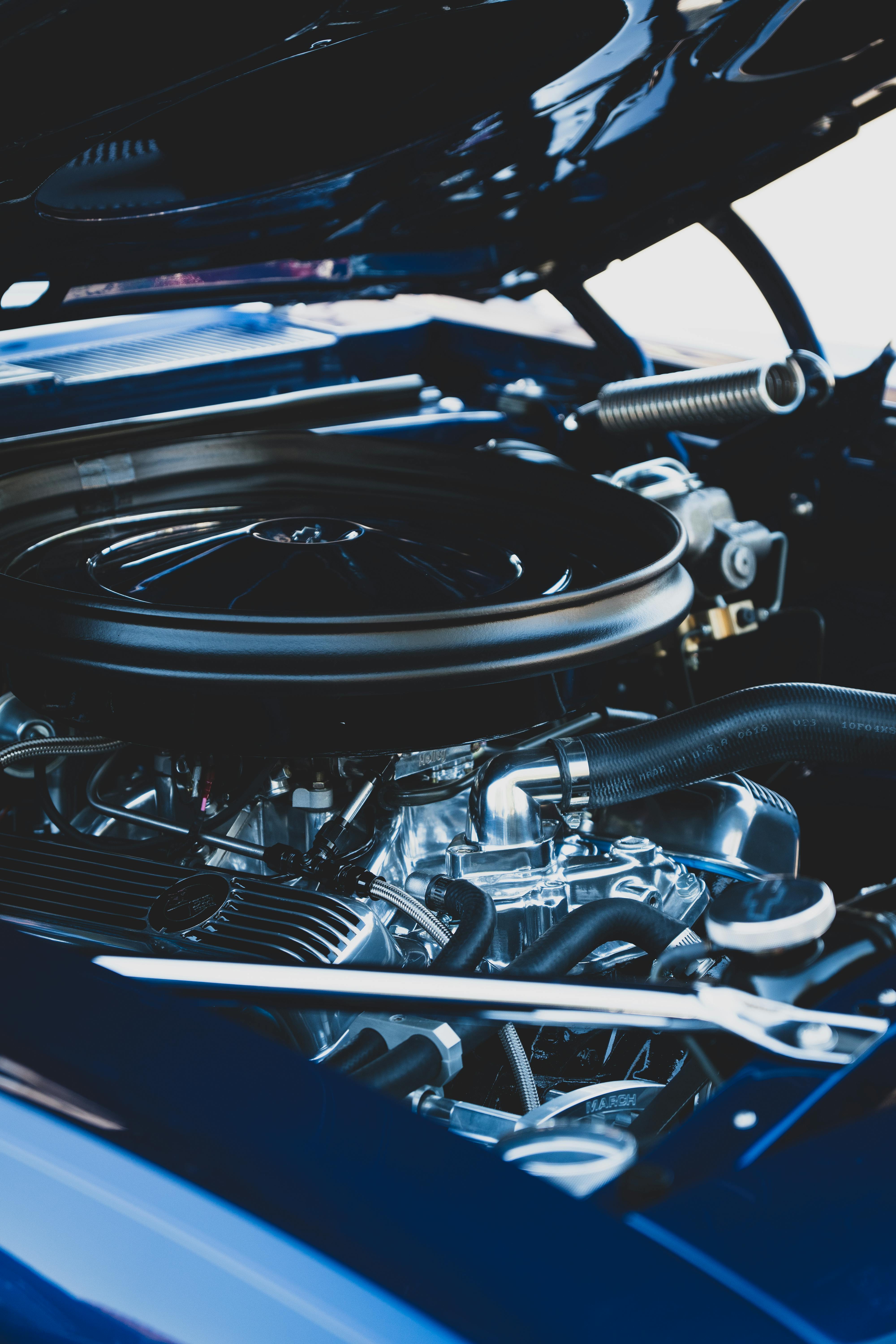
Wholesale used engines ship differently than a single retail purchase, usually consolidated onto pallets or in shared freight containers to bring per-unit shipping costs down. For international wholesale buyers, this often means working with a freight forwarder on your end to handle customs clearance and final-mile delivery, since a container-level shipment moves through different logistics channels than an individual parcel. We coordinate directly with your freight forwarder or customs broker when needed to keep documentation accurate and avoid delays at the border.
Lead time on wholesale used engines orders depends on whether the requested engines are currently in stock or need to be sourced specifically for the order. In-stock volume can often ship within days; sourced-to-order volume typically takes longer, and we’ll give you a realistic timeline upfront rather than a vague estimate that doesn’t hold up.
Payment Terms for Business Buyers
Wholesale used engines transactions typically involve different payment terms than retail purchases, since business buyers are often managing cash flow around resale timelines rather than paying entirely upfront. Depending on order size and purchase history, terms can include partial deposit with balance due on shipment, net payment terms for established repeat buyers, or financing arrangements structured specifically around business purchasing rather than individual consumer financing. If you’re a new wholesale buyer, expect the first few orders to establish trust and payment history before more flexible terms become available, that’s standard practice across the industry, not something specific to us.
Building a Long-Term Supplier Relationship
The businesses that get the most value out of wholesale used engines aren’t the ones placing a single large order and disappearing. They’re the ones building an ongoing relationship where we understand their typical volume, their preferred engine codes, and their timeline expectations well enough to proactively flag inventory that matches what they usually need. That kind of relationship takes a few orders to establish, but it pays off in faster turnaround and better pricing over time compared to treating every order as a cold transaction.
How to Vet a Wholesale Used Engines Supplier Before Committing
Placing a large first order with an unfamiliar supplier is a genuine risk, so it’s worth doing some homework before committing to volume pricing. Ask for references from other business buyers if the supplier has them, a legitimate wholesale operation should have repeat customers willing to vouch for consistency. Ask to see sample documentation for a few units, mileage records, compression test results, so you know what you’re actually getting before the first pallet arrives. And consider starting with a smaller trial order before committing to a standing arrangement, even if the pricing on the trial order isn’t as favorable as a larger commitment would get you. That trial run tells you more about actual reliability than any pricing sheet or sales conversation can.
It’s also worth asking directly how the supplier handles inventory shortfalls. Demand for specific engine codes fluctuates, and a supplier who’s upfront about occasionally needing more lead time on certain codes is more trustworthy than one who promises unlimited availability on everything, since that promise usually doesn’t hold up once you’re a few orders into the relationship.
Regional Considerations for International Wholesale Buyers
If you’re sourcing wholesale used engines for export to a specific country or region, a few additional factors come into play beyond price and quality. Import regulations on used engines vary significantly by country, some markets restrict engines above a certain age or emissions category, so it’s worth confirming your destination market’s specific rules before committing to a large order that might face customs complications. Documentation requirements also vary, some countries require detailed certificates of origin or compliance paperwork that goes beyond what a standard domestic wholesale order would include, so flag those requirements upfront rather than discovering them after the shipment is already in transit.
Currency and payment logistics matter too for cross-border wholesale used engines transactions. Depending on your location, international wire transfers, letters of credit, or other trade finance instruments may be more practical than standard payment methods, and it’s worth discussing which options are available before finalizing order terms. For a general reference on cross-border trade documentation and compliance, the U.S. International Trade Administration publishes country-specific guidance that’s useful background before finalizing an export arrangement.
Comparing Wholesale to Individual Sourcing Over Time
It’s worth running the numbers on what wholesale actually saves compared to sourcing engines one at a time over the same period. A shop buying, say, four engines a month individually at retail pricing is not only paying more per unit, they’re also spending staff time on four separate sourcing conversations, four separate shipping arrangements, and four separate rounds of paperwork. Consolidating that into a single wholesale used engines order or standing arrangement cuts the administrative overhead down to a fraction of that, on top of the per-unit pricing benefit. For a business where staff time has real value, that operational savings is sometimes worth as much as the price difference itself.
The same logic applies to quality control. Vetting a supplier once and establishing a reliable wholesale relationship is a one-time investment of effort that pays off on every subsequent order. Re-vetting a new source every time you need an engine, which is what happens if you’re sourcing reactively one unit at a time from whoever has the best price that week, means repeating that risk assessment constantly instead of building on a track record you already trust.
Warehousing and Inventory Management for High-Volume Buyers
Buyers taking on significant recurring volume of wholesale used engines often need to think about their own warehousing setup, not just ours. Engines need dry, covered storage even after they’ve passed our inspection process, exposure to moisture during extended storage can undo the value of a properly tested unit. If you’re planning to hold inventory rather than immediately reselling or installing, factor in appropriate storage conditions and periodic inspection of your own stock, particularly for engines that will sit for more than a few months before use.
For buyers without their own warehousing capacity, some wholesale arrangements can include staged shipping, where a larger order is held and released in smaller batches on a schedule that matches your actual usage rate, rather than all of it landing at once and creating a storage problem on your end. This is worth discussing if warehousing space is a constraint for your business.
Common Questions From Wholesale Buyers
Is there a minimum order quantity for wholesale pricing? Generally yes, though the exact threshold depends on the engine codes involved and current inventory levels. Reach out with your typical order size and we’ll confirm what pricing tier applies.
Can I mix engine codes in a single wholesale order? Yes, though pricing may reflect the added sourcing complexity compared to an order concentrated on fewer codes. Let us know what mix you’re looking for and we’ll put together accurate pricing.
Do you offer exclusivity on specific engine codes for wholesale partners? This depends on volume and consistency of the relationship. It’s worth a direct conversation if supply certainty on a specific platform is critical to your business.
What happens if an engine in a wholesale batch fails inspection after I’ve already committed to the order? We source replacement units to fulfill the agreed volume rather than shipping a batch short, since our commitment is to the volume and quality you ordered, not just whatever happens to be on the shelf.
Why Buying Wholesale Makes Sense for the Right Buyer
Wholesale used engines aren’t the right fit for someone who needs one engine for one car. They’re built for buyers whose business runs on consistent volume, where per-unit savings, priority access to inventory, and predictable supply matter more than the flexibility of shopping retail listing by listing. If that describes how you buy, the wholesale route isn’t just cheaper per unit, it’s a fundamentally more efficient way to source engines than repeating a retail purchase process over and over for the same underlying need.
Getting Started
Reach out with your typical volume, the engine codes you’re most often sourcing, and your general timeline expectations, and we’ll put together a wholesale used engines proposal that actually fits how your business operates rather than a generic tiered discount sheet. Whether you’re a shop that needs a handful of engines a month or an exporter managing container-level shipments, the goal is the same: reliable supply, consistent quality standards, and pricing that reflects the volume you’re actually bringing to the table. If you’re still deciding between suppliers, our separate guide on what to look for in a bulk used engine supplier covers the vetting process in more detail, and business financing options can be discussed alongside any standing order.
Posts Widget




Best Auto Motors
USA HERALD MAGAZINE INC
Buy the best quality engines from our website online and get a fast delivery within 6 days.
Copyright 2022.KlbTheme . All rights reserved
