


Bulk Used Engine Supplier: What to Look for Before You Commit
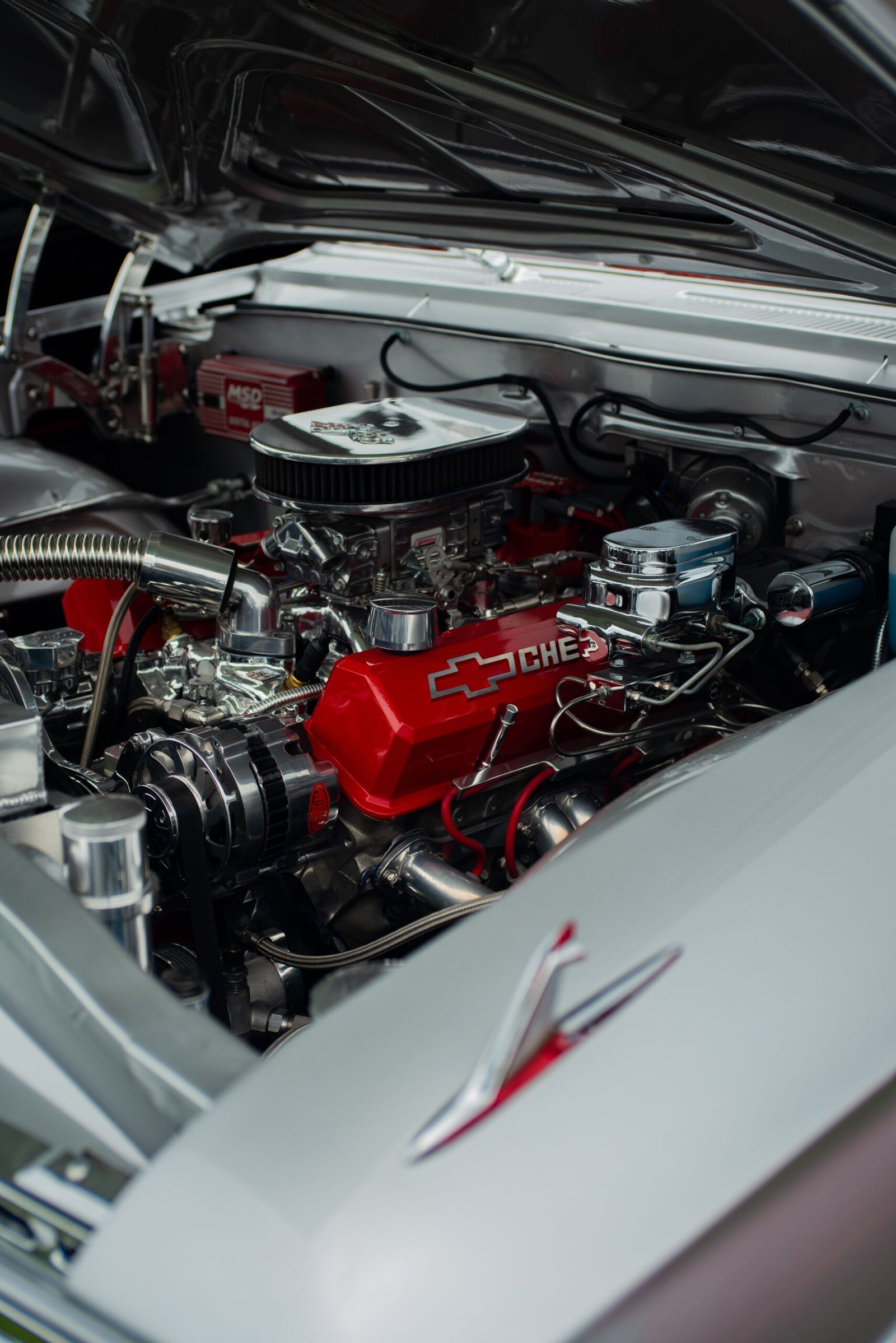
Finding a bulk used engine supplier you can actually rely on is a different problem than finding one engine for one repair job. It’s a sourcing decision, not a purchase, and the difference matters once you’re buying month after month instead of once. I want to walk through what actually makes a bulk used engine supplier worth working with long-term, because there’s a real gap between suppliers who can move volume and suppliers who can move volume without cutting corners.
What Separates a Real Bulk Used Engine Supplier From a Middleman
There are two very different business models hiding under the same label in this industry. Some operations are a genuine bulk used engine supplier, they source, inspect, test, and warehouse inventory themselves, which means they control quality at every step and can answer detailed questions about any specific unit. Others are essentially brokers, taking your order and passing it along to whichever yard happens to have inventory that week, with limited visibility into how thoroughly anything was actually tested before it shipped.
Neither model is automatically bad, but they carry different risk profiles. A direct bulk used engine supplier that handles its own inspection process can give you consistent documentation and accountability if something goes wrong. A broker model can sometimes offer more variety, but you’re relying on their sourcing partner’s standards, which you may never get full visibility into.
Questions to Ask Before Committing to a Supplier
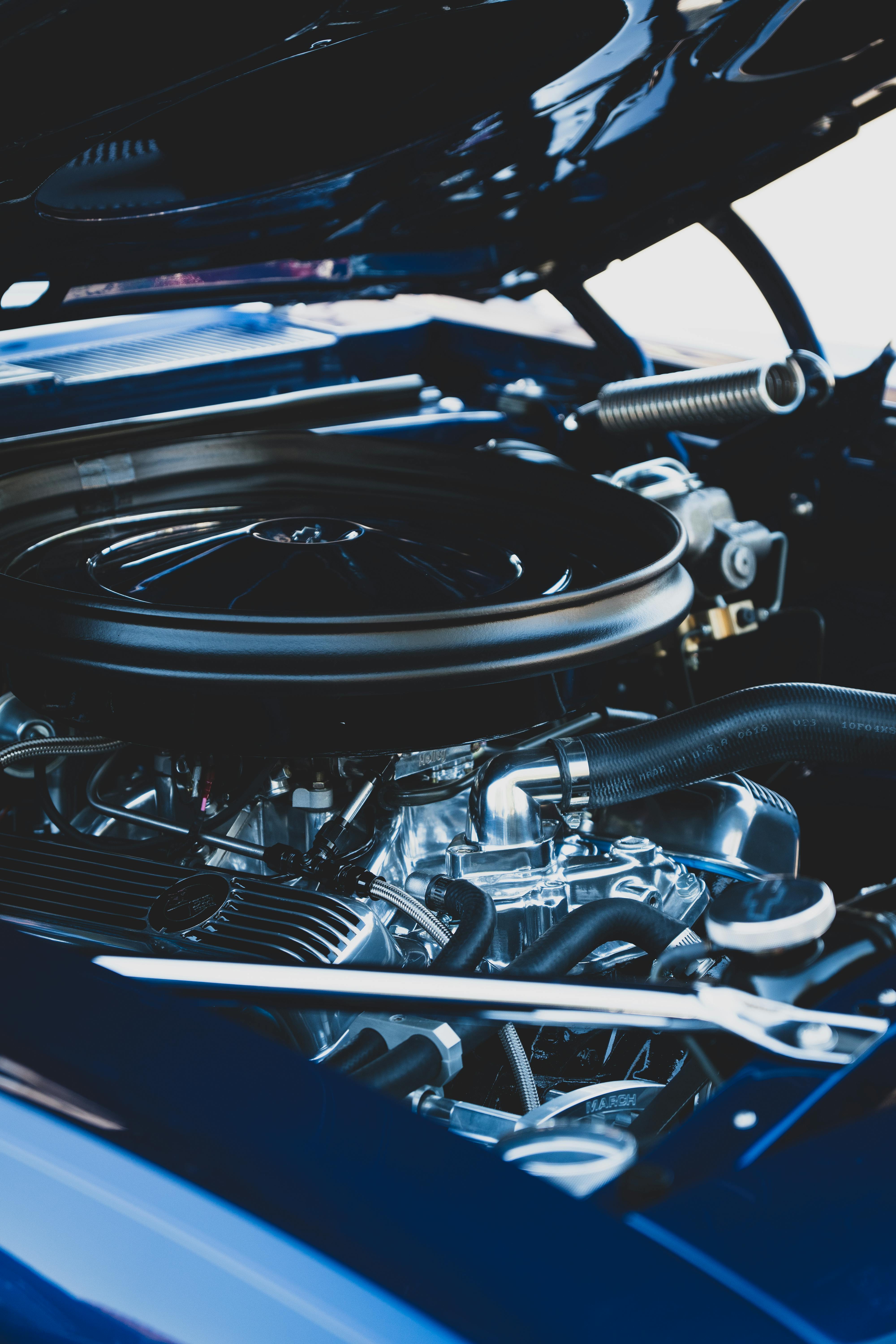
Before signing on with any bulk used engine supplier for ongoing volume, a short list of direct questions tells you most of what you need to know. Ask whether they perform their own inspections or rely on third-party sourcing without independent verification. Ask for sample documentation, mileage, compression readings, source information, on a handful of units so you can judge the quality of their records before committing to volume. Ask how they handle a unit that fails inspection after you’ve already agreed to purchase it, a reliable bulk used engine supplier replaces it rather than shipping something substandard to hit a deadline. And ask about their actual warehouse or sourcing footprint, since a supplier with real physical infrastructure behind them tends to offer more consistent supply than one operating purely as a broker with no inventory of their own.
What Consistent Supply Actually Looks Like
The single biggest practical difference between a good bulk used engine supplier and a mediocre one is consistency. Anyone can fill one big order once. A supplier worth building a relationship with can fill a similar order again next month, and the month after that, on the platforms you actually need. That consistency comes from having real sourcing channels, insurance auctions, salvage networks, dismantler relationships, rather than depending on whatever happens to show up.
We track demand patterns across the engine codes we move most consistently, which lets us proactively source ahead of anticipated orders rather than scrambling reactively every time a buyer calls. High-turnover platforms like the Toyota A25A-FKS at $1,400, the Honda R20A at $1,800, and the Mazda Skyactiv-G 2.0L at $1,600 are examples of codes where consistent supply is realistic because the underlying donor vehicle population is large enough to sustain it.
Quality Control at Scale
Every engine that moves through us as a bulk used engine supplier goes through the same process regardless of order size: compression testing across all cylinders, visual and borescope inspection of the cylinder walls, and run testing on a stand where the engine and equipment allow it. Scaling up volume doesn’t mean scaling down scrutiny. If anything, a bulk used engine supplier has more reason to maintain strict standards, since a bad unit in a large order damages a relationship that took multiple orders to build, not just a single transaction.
Documentation You Should Expect
A serious bulk used engine supplier provides documentation per unit, not just a general assurance that “everything is tested.” That means mileage at time of pull, compression readings recorded per cylinder, visual inspection notes, and clear information about what’s included in the sale, long block, wiring harness, ECU, and so on. If you’re reselling engines yourself, this documentation becomes part of what you can pass along to your own customers, which builds trust further down the supply chain, not just between you and your supplier.
Diesel and Commercial Volume
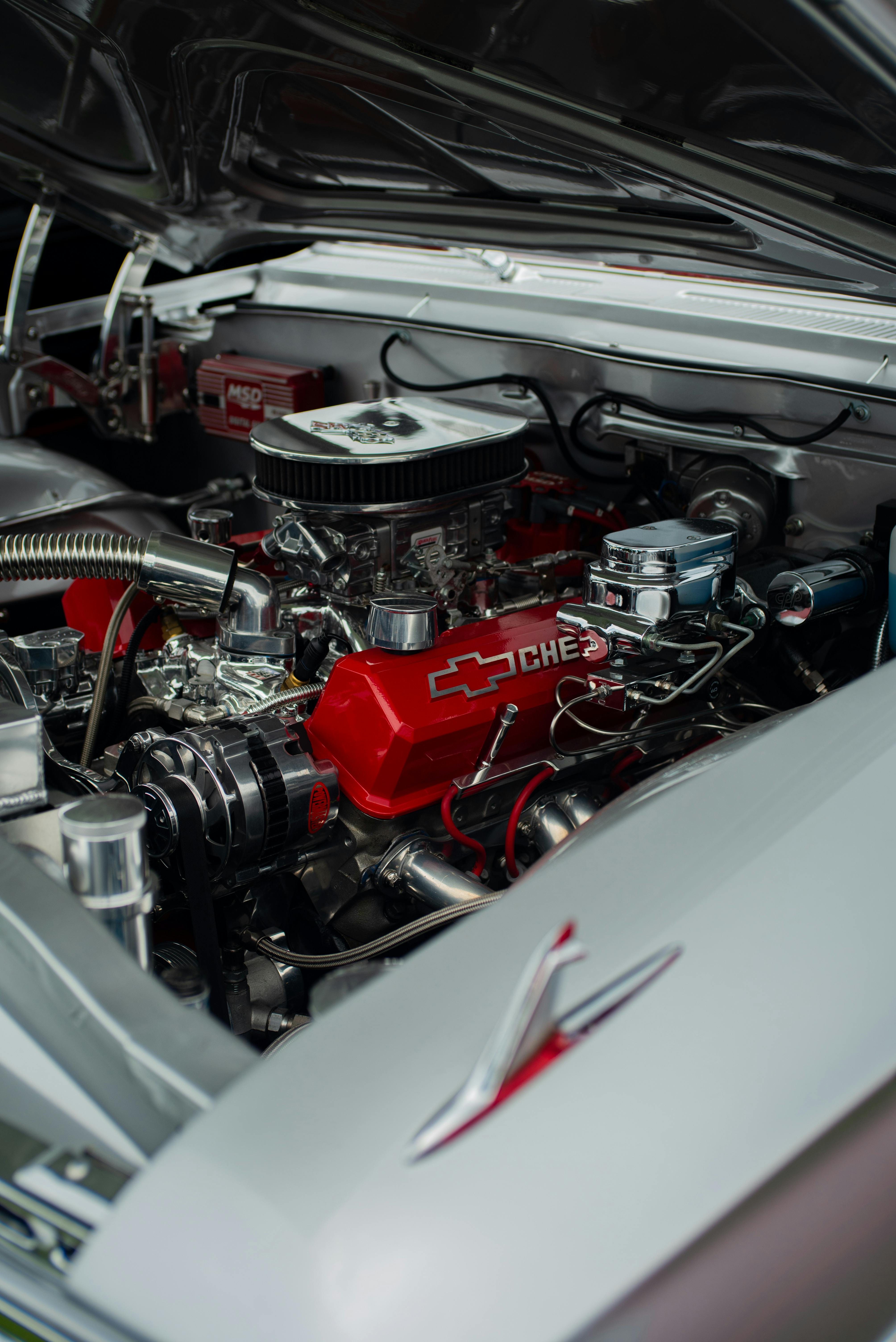
Commercial buyers, fleet operators, and repair shops working on medium-duty trucks often need a bulk used engine supplier that can consistently source diesel platforms, not just passenger car engines. Options like the Toyota N04C at $3,200 and the Isuzu 4JJ1-TCX at $1,700 see steady commercial demand, and a supplier who can maintain consistent access to these codes, not just occasionally have one in stock, is worth more to a fleet operation than one offering a slightly lower price with unreliable availability.
Shipping Reliability at Volume
A bulk used engine supplier is only as good as their ability to actually get product to you on schedule. Freight logistics at volume, whether that’s consolidated pallet shipments domestically or container-level freight for international buyers, require coordination that a one-off retail transaction doesn’t. Ask any prospective supplier about their typical lead times for both in-stock and sourced-to-order volume, and be skeptical of anyone promising unrealistically fast turnaround on every single order regardless of what’s actually being requested.
Building Trust Through Smaller Orders First
If you’re evaluating a new bulk used engine supplier, starting with a smaller trial order before committing to a large standing arrangement is a reasonable way to test reliability without significant exposure. Watch how accurately the documentation matches what actually arrives, how responsive communication is throughout the process, and whether the delivery timeline matches what was originally promised. A supplier that performs well on a smaller trial order is a much safer bet for a larger commitment than one you’re trusting based on a sales conversation alone.
Pricing Structures Bulk Buyers Should Understand
Pricing from a legitimate bulk used engine supplier should scale in a way that makes sense: larger and more consistent orders get better per-unit pricing than sporadic small ones, and pricing should be clearly explained rather than negotiated case by case with no visible structure. If a supplier’s pricing feels arbitrary or changes significantly between conversations without a clear reason, that’s worth questioning before you commit to a larger volume relationship.
What Happens When Something Goes Wrong
Even with rigorous testing, occasionally an issue surfaces after installation that wasn’t caught during inspection. A trustworthy bulk used engine supplier has a clear, written warranty and return policy that applies at volume, not just to single retail purchases. Ask specifically how warranty claims are handled for bulk orders before you need to use that process, not after, since the answer tells you a lot about how seriously a supplier takes accountability once the sale is complete.
Long-Term Relationships Versus One-Off Deals
The most reliable outcomes come from treating your relationship with a bulk used engine supplier as ongoing rather than transactional. Suppliers who understand your typical volume, your preferred engine codes, and your timeline expectations can proactively flag relevant inventory and give you priority access ahead of other buyers. That kind of relationship takes a handful of orders to establish, but it consistently outperforms shopping around for the lowest price on every individual order, both in terms of reliability and, often, in terms of actual total cost once you account for the time spent re-vetting a new source repeatedly.
International Sourcing Considerations
If you’re working with a bulk used engine supplier to source inventory for export, confirm upfront how they handle documentation for customs purposes, and whether they have experience shipping to your specific destination market. Import regulations on used engines vary by country, and a supplier with prior experience shipping to your region will generally navigate that process more smoothly than one encountering your market’s requirements for the first time. It’s also worth asking whether they can coordinate directly with your freight forwarder or customs broker, since that coordination reduces the chance of documentation mismatches causing delays at the border.
How Sourcing Actually Happens Behind the Scenes
It helps to understand where a bulk used engine supplier’s inventory actually comes from, since that context explains a lot about pricing and availability. Insurance total-loss auctions are the largest single source, vehicles written off after collisions, floods, or other damage that has nothing to do with the drivetrain get sold in bulk to salvage buyers, who then dismantle them and grade the recoverable parts. Dealer trade-ins and fleet liquidations are another channel, particularly for engines that come out of vehicles retired on a maintenance schedule rather than after a failure. A bulk used engine supplier with relationships across multiple channels, rather than depending on just one, tends to have more consistent access to inventory because they’re not exposed to a single source drying up.
This is also why engine codes vary so much in availability. A platform sold in huge volume for a decade straight will have a much deeper pool of potential donor vehicles feeding into salvage and auction channels than a low-volume or short-production-run model. When you’re evaluating a bulk used engine supplier’s ability to consistently fill orders for a specific code, ask how large the donor population for that platform actually is, since that’s a better predictor of long-term availability than anything in a sales pitch.
Comparing Domestic and Import-Focused Suppliers
Some bulk used engine suppliers specialize heavily in domestic platforms, American V6 and V8 engines out of trucks and SUVs, while others lean toward Japanese and European imports. A supplier’s specialization often reflects their sourcing relationships and regional market, and it’s worth understanding which lane a prospective supplier actually operates in before assuming they can reliably fill orders outside that specialty. A bulk used engine supplier who’s genuinely strong across both categories, with real sourcing relationships on each side rather than occasional access, is less common than the marketing on most supplier websites would suggest, so it’s a fair thing to verify directly rather than assume.
Communication and Order Management
At bulk volume, communication quality matters almost as much as the product itself. A reliable bulk used engine supplier gives you a single point of contact who understands your account history, rather than routing every inquiry through a general support queue that starts from zero each time. They provide clear order confirmations with expected timelines, proactive updates if something shifts, sourcing delays happen even with good suppliers, and a straightforward process for reporting and resolving any issue that comes up after delivery. None of this is glamorous, but it’s the operational backbone that determines whether a bulk relationship actually works smoothly over months and years or turns into a recurring headache.
Industry Standards Worth Knowing
If you want a broader reference point on used and remanufactured parts standards beyond what any individual supplier tells you, the Auto Care Association publishes general industry information on the aftermarket parts sector that’s useful background when evaluating any bulk used engine supplier’s claims against broader industry norms.
Frequently Asked Questions
How do I know if a bulk used engine supplier is legitimate versus just moving whatever inventory they can find? Ask for documentation on specific units before committing to volume, and start with a smaller trial order to verify consistency before scaling up.
Does a bulk used engine supplier offer the same warranty terms as a single retail purchase? It should. Warranty coverage shouldn’t shrink just because you’re buying in volume; ask specifically how claims are processed for bulk orders.
Can a bulk used engine supplier guarantee specific engine codes will always be available? No honest supplier will promise unlimited availability on everything. What a good one can offer is proactive sourcing and priority access based on your established purchasing pattern.
What’s the advantage of one bulk used engine supplier over sourcing from multiple smaller sellers? Consistency, documentation quality, and accountability. Spreading orders across many unverified small sellers multiplies your risk instead of reducing it.
What a First Order With a New Supplier Should Look Like
If you’ve decided to test a new bulk used engine supplier, it’s worth going in with a checklist rather than just placing an order and hoping for the best. Confirm the specific engine codes and quantities in writing before payment, along with expected condition, mileage range, and what’s included in the sale. Get a realistic ship date rather than accepting a vague “soon,” and ask what recourse you have if that date slips significantly. Request documentation for each unit at time of shipment rather than after you’ve already asked for it, since a supplier who provides this proactively is signaling that thorough documentation is standard practice for them, not something they scramble to produce only when a customer pushes for it.
After the order arrives, take the time to actually verify a sample of units against the documentation provided, checking that mileage, compression numbers, and included components match what was promised. This step is easy to skip when you’re busy, but it’s the single best way to build real confidence in a bulk used engine supplier before scaling up your order volume with them.
Signs a Supplier Is Cutting Corners
A few warning signs are worth watching for regardless of how good the pricing looks. Vague or inconsistent answers about testing methodology, if compression numbers or inspection details change depending on who you ask, that inconsistency usually reflects a process that isn’t actually standardized. Reluctance to provide documentation before payment, a confident bulk used engine supplier isn’t worried about showing you their inspection records upfront. And pressure to commit to large volume before you’ve verified quality on a smaller order, which is one of the more common tactics used by suppliers who know their actual fulfillment rate doesn’t match their sales promises.
The Bottom Line
A good bulk used engine supplier isn’t just the one offering the lowest per-unit price on a single order. It’s the one who tests consistently, documents thoroughly, ships reliably, and stands behind what they sell across every order, not just the first one. If you’re buying engines regularly, whether for a repair shop, a fleet, a resale operation, or export, that consistency is worth more over time than shaving a few dollars off a single transaction with an unproven source. For more on how volume pricing and standing orders actually work once you’ve settled on a supplier, see our guide to wholesale used engines.
Posts Widget




Best Auto Motors
USA HERALD MAGAZINE INC
Buy the best quality engines from our website online and get a fast delivery within 6 days.
Copyright 2022.KlbTheme . All rights reserved
