


Buy Rebuilt Engines: What You’re Actually Paying For
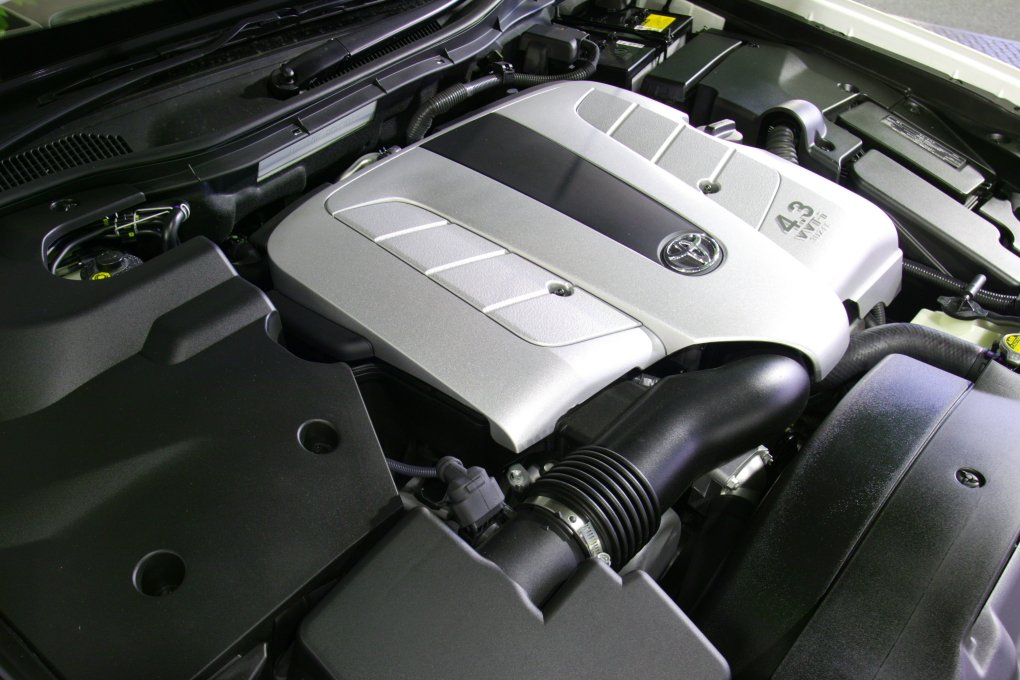
When people decide to buy rebuilt engines instead of a used or brand new motor, it’s usually because they want something that splits the difference: better assurance than a used pull, without paying full price for a new factory unit. That instinct is reasonable, a properly rebuilt engine replaces the parts that actually wear out, bearings, rings, seals, gaskets, and gives you a fresh baseline without the premium of a new engine. The catch is that “rebuilt” gets used loosely, and what you’re actually paying for varies a lot more between sellers than the label suggests.
We sell both tested used engines and rebuilt units, so we see the tradeoffs from both sides of the counter. This guide walks through what you’re actually paying for when you buy rebuilt engines, how to tell a real rebuild from a shortcut job, and when a rebuild is the smarter choice over a straight used replacement.
What “Rebuilt” Should Actually Mean
A genuine rebuild starts with the block being fully disassembled, cleaned, and inspected. Cylinders get bored or honed as needed, the crankshaft gets measured and machined if it’s out of spec, and every wear component, bearings, rings, gaskets, seals, oil pump, gets replaced with new parts rather than reused. The heads get resurfaced or replaced if warped, valves get reseated, and the whole thing gets reassembled to factory tolerances before a final test.
That’s the standard you should expect when you buy rebuilt engines. What actually happens at some shops is a lighter version: new gaskets and seals, maybe new rings, but the crankshaft and bearings get reused without proper measurement, or cylinders that should have been bored get honed instead because it’s faster and cheaper. Both versions might get called “rebuilt” on a listing, which is exactly why asking specific questions before you buy matters so much.
Specifications You Should Get From a Rebuilder
A legitimate shop selling rebuilt engines should be able to tell you, without hesitation:
- What was actually replaced — bearings, rings, gaskets, seals, and whether the crankshaft was reused, machined, or replaced.
- Cylinder bore specifications — whether cylinders were bored oversize or honed to stock spec.
- Machine shop work performed — decking the block, resurfacing heads, line-honing main bearing bores.
- Parts brand and quality tier — OEM, OEM-equivalent, or budget aftermarket components, which affects both price and expected lifespan.
- Post-rebuild testing — whether the engine was run and tested on a stand before shipping, and what that test involved.
- Warranty length and what specifically it covers, since rebuild warranties vary widely in scope.
If a seller can’t answer these with specifics, it’s worth asking why, or looking elsewhere. A shop that did a thorough rebuild is usually proud to walk you through exactly what was done.
Rebuilt vs. Used vs. New: Where the Value Actually Sits
A tested used engine with genuinely low, verified mileage can outperform a poorly done rebuild, since a good used engine’s original factory-machined tolerances are often tighter than a rushed rebuild job. A properly done rebuild, on the other hand, can outlast a high-mileage used engine because every wear component is genuinely new. The honest answer is that quality of execution matters more than the category label, used, rebuilt, or new.
We’ve written a full comparison covering this exact tradeoff in our guide on remanufactured engines vs used engines, which is worth reading before you decide which category to shop within, since the right answer depends heavily on your specific engine code and how well-documented the options actually are.
Why Buyers Choose to Buy Rebuilt Engines Specifically
There are a few scenarios where a rebuild makes more sense than either a used or new engine. If a specific engine code has almost no low-mileage used inventory available, a rebuild might be the only realistic way to get a reliable unit without an extremely long wait for the right used donor to show up. If you want documented, known-quantity internals rather than trusting a donor vehicle’s history, a rebuild gives you that certainty since every component’s condition was verified during the process. And for performance applications where upgraded internals make sense anyway, a rebuild is often the natural point to incorporate those upgrades.
Red Flags When Shopping for a Rebuild
A few signs suggest a rebuild might be more marketing than substance:
- Vague descriptions like “fully rebuilt” with no breakdown of what was actually replaced. Ask directly and expect a specific answer.
- Pricing that seems too close to a basic used engine. A real rebuild with quality parts and machine shop work costs meaningfully more than a used pull; if the price gap is tiny, something in the process was likely skipped.
- No mention of machine shop work at all. A rebuild without boring, honing, or resurfacing as needed isn’t really addressing the parts most likely to be worn.
- Short or vague warranty terms on something being sold as a premium option. A shop confident in their rebuild backs it with real coverage.
If you want a broader framework for vetting any engine seller, not just rebuilders, we’ve covered the general red flags in our guide to spotting trusted engine sellers.
Cost Breakdown: What You’re Actually Paying For
When you buy rebuilt engines, the price reflects the core unit, replacement parts, and labor, machining cylinders, resurfacing heads, line-honing, balancing rotating assemblies, is time-intensive skilled work, and it shows up in the final number. Parts quality matters too, OEM or OEM-equivalent components cost more than budget aftermarket parts but generally last longer and fit more precisely.
It’s worth asking for an itemized breakdown rather than accepting a single all-in number, so you can see what portion is machine work, what’s parts, and what’s labor. This also makes it easier to compare quotes between rebuilders, since two shops quoting similar totals might be including very different scopes of work.
What a Rebuild Warranty Should Cover
Warranty terms on a rebuild should reflect the confidence that comes from documented, verified work. A shop that measured every component and replaced what needed replacing should be comfortable backing that work with a meaningful warranty period, often longer than what’s typical on a used engine, since the internals are genuinely new or freshly machined rather than an unknown quantity from a donor vehicle. We’ve broken down what solid warranty language should include in our engine warranty guide, which applies to rebuilds as much as used units.
Fitment When You Buy Rebuilt Engines
Fitment questions apply just as much to a rebuild as to a used engine. A rebuilt block is still built on a specific factory engine code, and that code still needs to match your VIN, your transmission type, and your emissions equipment. Don’t assume a rebuild automatically means universal compatibility within an engine family, mid-generation changes to sensors, mounts, or displacement still apply. We’ve detailed how we handle this verification in our piece on our engine fitment guarantee, which covers both used and rebuilt inventory.
Lead Time: What to Expect
Rebuilds generally take longer to fulfill than a tested used engine already sitting on a shelf, since a true rebuild-to-order involves machine shop scheduling and assembly time. If you’re on a tight timeline, ask upfront whether the specific engine you want is a pre-built rebuild already completed and ready to ship, or a build-to-order unit that starts once you place the order. That difference can mean days versus weeks, and it’s worth knowing before you commit if your car’s been down for a while already.
Shipping a Rebuilt Engine
Once a rebuild is complete and tested, shipping works the same way as any other engine, crated securely and moved via freight. We ship rebuilt units worldwide and coordinate documentation for international orders as part of the standard process. If timing matters, our guide on same day engine shipping explains what cutoff times apply to in-stock, already-completed rebuilds versus build-to-order units that need lead time first.
According to standards published by the SAE International standards library, machining tolerances for cylinder bores and crankshaft journals follow specific published specifications that a proper rebuild should be measured against, rather than a rebuilder’s own informal judgment call on what’s “close enough.”
Rebuilds for Shops and Fleets
Shops and fleet operators sometimes standardize on rebuilds for specific engine codes precisely because it gives them a documented, consistent product rather than variable used inventory. If you’re sourcing rebuilds regularly rather than as a single purchase, ask about consistent build specs across units so every engine you receive meets the same standard rather than varying by whichever machinist worked on it that week. Our guide on choosing a bulk used engine supplier touches on volume sourcing considerations that apply to rebuilds too, even though it’s framed around used inventory.
Common Mistakes When Buying a Rebuild
- Assuming “rebuilt” and “remanufactured” always mean the exact same process. Terminology varies by seller; ask for specifics regardless of which word is used.
- Not asking what parts brand was used. Budget aftermarket components can significantly shorten a rebuild’s expected lifespan compared to OEM-equivalent parts.
- Skipping the VIN cross-check because it’s “just like buying new.” Fitment still needs to be confirmed against your specific vehicle.
- Choosing based on price alone. A rebuild priced dramatically below competitors usually means something in the process, machine work, parts quality, testing, was cut.
How a Real Rebuild Process Unfolds Step by Step
It helps to understand the actual sequence a shop should follow, since it explains why quality rebuilds take real time and real money. The engine gets fully disassembled and every component gets cleaned and inspected individually. The block goes to a machine shop for measurement, cylinder bores get checked against factory tolerances and bored oversize if they’re out of spec, and the deck surface gets checked for flatness. The crankshaft gets measured for wear on the journals and either reused if it’s within spec, machined to an undersize if it’s slightly worn, or replaced if damage is too severe.
From there, new bearings get fitted to the machined specifications, new rings go on the pistons, and the heads get resurfaced or replaced along with new valve seals and, if needed, a valve job. Reassembly follows factory torque specs and sequence, and a completed rebuild should get run on a test stand before it’s ever crated for shipping. Skipping any one of these steps is how a shortcut rebuild ends up costing a buyer more in the long run than paying for the real process upfront.
Aftermarket vs. OEM Parts in a Rebuild
Not all replacement parts are created equal, and this is one of the biggest hidden variables when you buy rebuilt engines. OEM or OEM-equivalent bearings, rings, and gaskets are manufactured to the same tolerances as what came out of the factory originally, and they tend to hold up accordingly. Budget aftermarket parts can look identical on a listing but use lower-grade materials or looser tolerances, which shortens the rebuild’s realistic lifespan even though the engine passes an initial test run just fine.
This is exactly why asking about parts brand matters as much as asking whether a rebuild happened at all. Two rebuilds can follow the same process on paper, full teardown, machining, reassembly, and still end up with meaningfully different expected lifespans purely based on what components went back in.
How to Read a Rebuild Invoice or Spec Sheet
A detailed invoice or spec sheet from a rebuilder should function almost like a service record. Look for line items covering machine shop work specifically, boring, honing, decking, resurfacing, rather than a single vague “machine work” charge. Look for parts listed by type and, ideally, brand, main bearings, rod bearings, rings, gaskets, seals, rather than a lump “parts kit” entry. If the invoice includes a dyno or test stand run with any recorded numbers, that’s a good sign the shop stands behind its own work enough to document it.
If a seller can’t produce anything like this and only offers a verbal assurance that the engine was rebuilt, treat that the same way you’d treat a used engine seller who can’t produce compression numbers, it’s a gap in documentation that should factor into your decision.
Rebuild Quality and Resale Value
A properly documented rebuild can actually help resale value down the line, whether that’s the value of the vehicle itself or the engine if it’s ever pulled again for a different application. Buyers and shops alike respond well to a paper trail showing exactly what was done and when. An undocumented rebuild, even if it was done competently, doesn’t carry that same value since there’s no way for a future buyer to verify the work without just taking someone’s word for it.
If you’re rebuilding an engine for a vehicle you plan to keep long-term or eventually sell, keeping the rebuild documentation with your other maintenance records is worth the small effort, it’s the kind of detail that reassures a future buyer the same way a full service history does for the rest of the car.
When a Rebuild Doesn’t Make Sense
Rebuilds aren’t automatically the right call in every situation. If a specific engine code has abundant low-mileage used inventory available and well-documented testing, paying rebuild pricing may not buy you much additional reliability over a well-tested used unit, at a meaningfully lower price. Rebuilds also don’t make sense as a rush option, since a proper build-to-order rebuild takes real time; if you need something moving today, a tested used engine already sitting on a shelf is usually the more realistic choice.
Being honest about your actual priorities, speed, documented reliability, or lowest cost, helps you pick the right category rather than defaulting to whichever term sounds most reassuring on a listing page.
Break-In Procedure After a Rebuild
A freshly rebuilt engine needs a proper break-in period just like a new factory engine does, and skipping this step can undermine even a well-executed rebuild. New piston rings need to seat against the cylinder walls, which generally means avoiding sustained high RPM or heavy loads for the first several hundred miles, along with an earlier oil change than usual to clear out any fine metal particles from the seating process. Ask your rebuilder for their specific break-in recommendation, since it can vary slightly based on the ring material and cylinder finish they used.
Buyers who skip a proper break-in sometimes end up with an engine that never fully seats correctly, leading to oil consumption or reduced compression down the line, issues that get mistakenly blamed on the rebuild quality when the real cause was how the engine was driven in its first few hundred miles.
Comparing Quotes From Multiple Rebuilders
If you’re getting quotes from more than one shop before deciding to buy rebuilt engines, compare them on scope, not just price. Two quotes that look similar on the surface can represent very different levels of work if one shop is boring cylinders and machining the crankshaft while the other is only replacing gaskets and rings without addressing wear on the block or crank. Ask each shop directly what machine work is included in their quoted price, and get it in writing so you’re comparing the same scope of work rather than assuming.
It’s also fair to ask each shop how long they’ve been doing this specific kind of rebuild and whether they can show examples of past work or documentation from previous builds. A shop confident in its process usually has no problem sharing this.
Frequently Asked Questions
Is it worth it to buy rebuilt engines instead of a used engine?
It depends on the specific engine code and how well-documented your options are. A properly rebuilt engine with new wear components can outlast a high-mileage used unit, but a poorly done rebuild can underperform a well-tested low-mileage used engine.
How long does a rebuilt engine typically last?
With quality parts and proper machine work, a rebuild can perform comparably to a new engine for a long service life. Lifespan depends heavily on parts quality and how thoroughly the rebuild process was actually followed.
What should I ask before I buy rebuilt engines?
Ask exactly what components were replaced, what machine shop work was performed, what parts brand was used, and what the warranty covers. Vague answers are a red flag.
Are rebuilt engines more expensive than used engines?
Generally yes, since machine work and new components cost more than testing and reselling a used unit as-is. The premium reflects real labor and parts, assuming the rebuild was done properly.
Ready to Buy Rebuilt Engines With Full Documentation
When you buy rebuilt engines from us, you get a specific breakdown of what was replaced, what machine work was performed, and a real warranty backing the build. We treat rebuilds with the same documentation standard we apply to our tested used inventory, so you’re never guessing at what you’re actually getting. Reach out with your engine code or VIN and we’ll walk you through exactly what a rebuild for your vehicle involves, what it costs, and what a realistic timeline looks like.
Posts Widget




Best Auto Motors
USA HERALD MAGAZINE INC
Buy the best quality engines from our website online and get a fast delivery within 6 days.
Copyright 2022.KlbTheme . All rights reserved
