


Engine Fitment Guarantee: How We Make Sure It Actually Fits
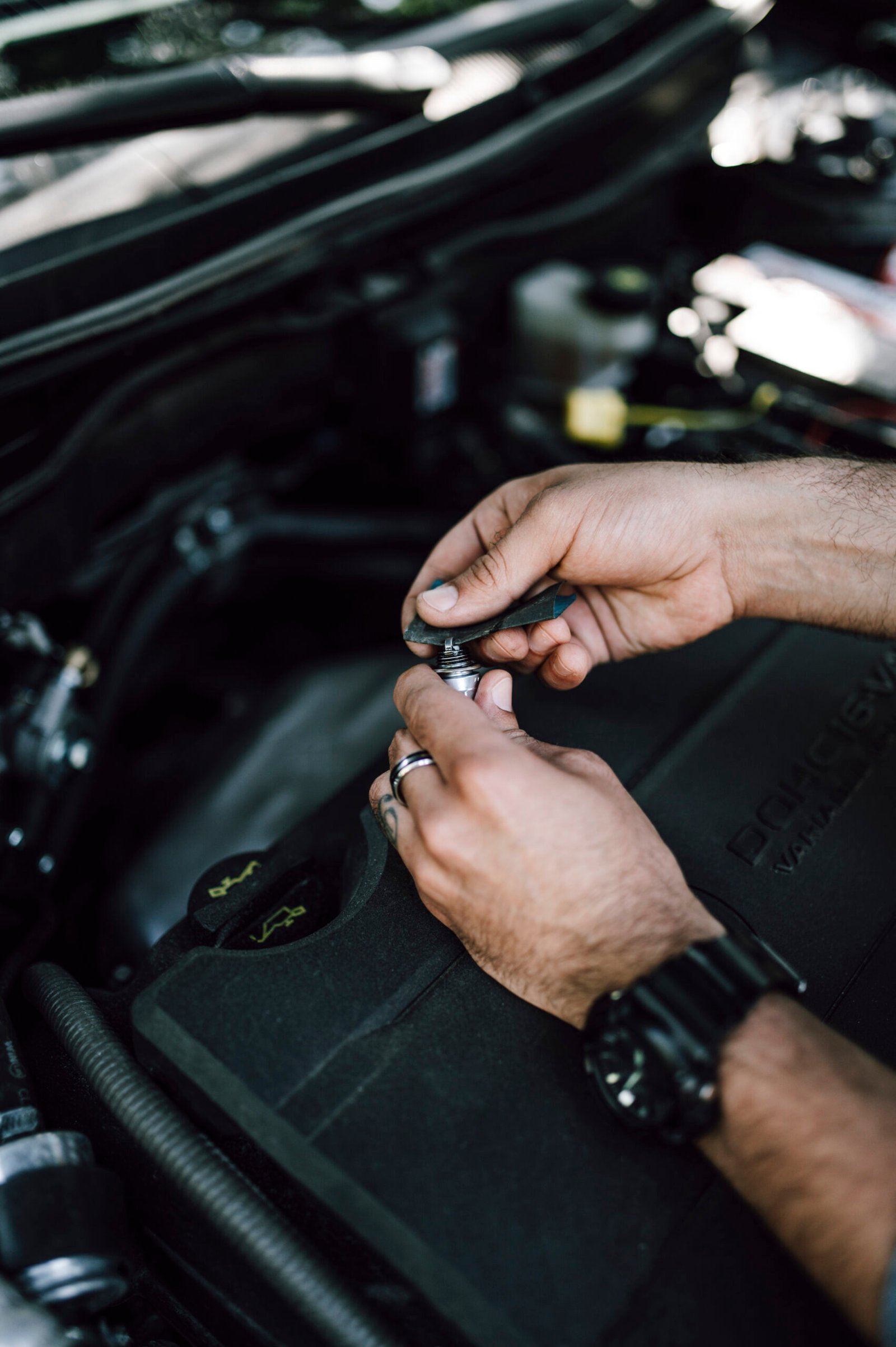
The worst outcome in this business isn’t a bad compression reading, it’s an engine that arrives, gets halfway installed, and doesn’t actually bolt up to the mounts or match the wiring harness on the customer’s vehicle. That’s money and time lost on both ends, and it’s entirely avoidable with the right verification before the engine ever ships. Every order we process comes with an engine fitment guarantee, and this post explains what that actually covers, how we verify fitment before shipping, and what to do if something still doesn’t line up.
What an Engine Fitment Guarantee Actually Means
An engine fitment guarantee means we’ve verified, using your vehicle’s make, model, year, and trim details, that the specific engine you’re ordering is a correct match for your application before it ships. This isn’t a generic promise that “engines from this model year should fit,” it’s a specific check against known compatibility data for the exact engine code and the exact vehicle you’re installing it in. If we get that verification wrong and the engine you receive genuinely doesn’t fit your vehicle as specified, we make it right.
This matters because engine compatibility is more complicated than most buyers assume going in. The same base vehicle model can run multiple different engine codes across trim levels, model years, and regions, and mounting points, electrical connectors, and accessory brackets can all differ even within what looks like the same generation of vehicle. An engine fitment guarantee exists specifically because this complexity is real, and getting it wrong is expensive for everyone involved.
How We Verify Fitment Before an Order Ships
Before any engine leaves our facility, we cross-reference the engine’s specific code and configuration against the vehicle information you provide at the time of order: make, model, year, trim, and ideally the VIN if you have it available. VIN verification is the gold standard here, since it identifies the exact factory configuration of your vehicle rather than relying on general model-year assumptions that can miss trim-specific variations.
For engines like the Toyota 2GR-FSE, which was used across multiple Toyota and Lexus models with some variation in mounting and electrical configuration between applications, this verification step catches mismatches before they become your problem. Same story with something like the BMW N55B30T0, which appeared across several BMW chassis codes with connector and mounting differences that aren’t always obvious from the engine code alone.
What the Guarantee Covers
If an engine fitment guarantee-backed order arrives and genuinely doesn’t match the verified specifications, meaning it’s not physically compatible with the vehicle information provided and confirmed at time of order, we cover the resolution. That typically means an exchange for the correct engine, a refund, or working with you to source the correct unit as quickly as possible. We don’t leave you holding an engine that doesn’t fit and a bill for the mistake.
This guarantee is specifically about fitment accuracy relative to the information provided and verified before shipping. It’s not the same as a mechanical warranty covering internal engine condition, that’s separate coverage we also provide. Fitment guarantee is about whether the engine physically and electrically matches your vehicle, not about the engine’s internal mechanical health once installed.
What Fitment Actually Involves Beyond “Will It Bolt In”
Fitment isn’t just about whether the block physically mounts to your vehicle’s engine bay. It covers several distinct compatibility points that all need to line up. Motor mount configuration needs to match your chassis. Wiring harness connectors and pinout need to be compatible with your vehicle’s ECU and electrical system, or at minimum, you need to know upfront if a harness adapter is required. Accessory mounting, things like the alternator, power steering pump, and AC compressor brackets, needs to match your vehicle’s accessory drive configuration. Transmission bolt pattern needs to match if you’re keeping your existing transmission rather than swapping both together.
An engine fitment guarantee that only checks the first of these and ignores the rest isn’t much of a guarantee. We verify against the full picture, which is why we ask for detailed vehicle information at the time of order rather than just the basic make and model.
Why VIN Verification Matters More Than People Expect
A lot of buyers assume that knowing the year, make, and model is enough to guarantee fitment, and in a meaningful number of cases, it isn’t. Manufacturers frequently used multiple engine variants within the same model year depending on region, trim level, and even production date within the year. A Mazda Skyactiv-G 2.5T and a naturally aspirated Skyactiv-G 2.5L might both show up under similar model year listings depending on trim, but they’re different engines with different mounting and electrical requirements.
Providing your VIN when you order lets us pull the exact factory build specification for your vehicle rather than working from general assumptions, which is the single most effective thing you can do to make sure the engine fitment guarantee actually protects you rather than just sounding reassuring on paper.
What Happens If Something Doesn’t Fit
If you receive an engine and discover a fitment issue during installation, contact us before you do anything irreversible to the engine, like cutting a harness or modifying mounts, since that can complicate the resolution process. We’ll work through what specifically doesn’t match: is it a genuine compatibility error on our end, or is it something like a harness adapter that’s a known, expected part of that particular swap? A lot of what looks like a fitment problem at first glance turns out to be a normal part of certain engine swaps, like needing a specific adapter harness that’s standard for that combination, and we’ll walk you through that distinction rather than leaving you to figure it out alone.
If it turns out to be a genuine mismatch against what was verified and confirmed before shipping, that’s on us, and we’ll make it right through exchange, refund, or sourcing the correct unit.
Fitment Verification for Commercial and Industrial Engines
Fitment guarantee coverage extends to commercial and industrial applications too, though the verification process looks a bit different. For something like a Toyota J05E diesel going into a Hino truck, or a Caterpillar 3306 going into industrial equipment, we verify against chassis and application specifications rather than a VIN, since commercial applications often involve more variation in how an engine is actually integrated into the final equipment.
If you’re ordering for a commercial or industrial application, providing detailed application information, chassis type, equipment model, and any known configuration specifics, at the time of order is what makes the fitment guarantee meaningful for that kind of purchase.
Common Fitment Mistakes We Help Customers Avoid
- Assuming all trims of a model year use the same engine: Many vehicles ran multiple engine codes across trim levels in the same year
- Not accounting for regional variants: The same model sold in different markets sometimes used different engine specifications
- Overlooking transmission compatibility: A correctly fitting engine doesn’t guarantee your existing transmission bolts up if you’re not replacing both together
- Skipping VIN verification: Relying on memory or a general parts lookup instead of confirming against your vehicle’s actual build specification
- Not asking about known adapter requirements: Some legitimate engine swaps require a harness or mount adapter as a normal part of the installation, which isn’t a fitment failure
Why This Matters More for International Orders
If you’re ordering an engine that’s shipping across borders, a fitment mismatch is a much bigger problem than it would be for a local purchase, since return shipping, customs, and replacement lead time all stack on top of each other. An engine fitment guarantee backed by real VIN-level verification before the engine ships is one of the most important protections you can have when buying internationally, precisely because the cost of getting it wrong is so much higher when the correction involves international freight rather than a quick local exchange.
We take this verification step seriously specifically because of how much harder international fitment mistakes are to fix after the fact, compared to the relatively simple step of confirming compatibility properly before the engine ever leaves our warehouse.
Why Some Sellers Can’t Offer a Real Fitment Guarantee
Offering a genuine engine fitment guarantee requires maintaining accurate compatibility data across a huge range of engine codes and vehicle applications, and actually checking that data against every order before shipping, not just listing an engine under a broad “fits models X through Y” description and hoping for the best. Sellers who don’t invest in this verification step often can’t back their listings with a real guarantee, because they genuinely don’t know if a specific engine will match a specific customer’s exact vehicle configuration until it’s already been shipped and something doesn’t line up.
We maintain detailed compatibility records specifically because guessing isn’t good enough when the cost of being wrong includes international freight, customs, and a customer’s downtime. An engine fitment guarantee only means something if the verification behind it is actually rigorous, not just a policy statement with nothing checking it in practice.
How Fitment Verification Differs Between Engine Categories
Passenger vehicle fitment verification, checking an engine like a BMW B58B30O1 against a specific chassis code and model year, relies heavily on VIN decoding and known compatibility charts built from years of tracking which engine variants went into which specific builds. Performance and swap engines, popular for engine swaps into vehicles they weren’t originally installed in, require a different kind of verification, confirming the swap is a known, documented combination with established mounting and wiring solutions rather than an unverified pairing that might create unexpected fitment issues.
Industrial and marine engines like a Caterpillar C18 involve yet another layer, since these often integrate into custom or semi-custom equipment configurations where “fitment” means confirming mounting pattern, PTO configuration, and control system compatibility against the specific equipment rather than a standardized vehicle chassis. An engine fitment guarantee has to flex to fit these different verification needs rather than applying one generic checklist across every category we sell.
What Buyers Can Do to Strengthen Their Own Fitment Protection
Beyond providing your VIN, a few other steps meaningfully reduce fitment risk on your end. Photographing your current engine bay, including motor mounts, accessory brackets, and harness connectors, before the old engine comes out gives you and us a reference point if anything looks different once the replacement arrives. Confirming with your installer beforehand whether they’ve worked with that specific engine swap or replacement combination before adds another layer of verification beyond what we can confirm remotely.
If you’re doing a swap that puts an engine into a vehicle it wasn’t originally designed for, rather than a straightforward like-for-like replacement, tell us that specifically when you order. An engine fitment guarantee for a documented, known swap combination is straightforward. An undocumented, first-of-its-kind swap combination is a different conversation, and we’ll be upfront if we can’t offer the same level of verification confidence for something nobody’s tried before.
Common Questions About Fitment Guarantee
What information do you need to verify fitment?
Make, model, year, and trim at minimum. Your VIN is strongly recommended since it identifies your vehicle’s exact factory build specification.
Does the fitment guarantee cover wiring harness compatibility?
Yes, we verify electrical compatibility as part of fitment, and we’ll tell you upfront if a harness adapter is a known requirement for your specific swap.
What if I don’t have my VIN available?
We can work from make, model, year, and trim, but VIN verification catches trim-specific variations that general information sometimes misses, so it’s worth locating if possible.
Is fitment guarantee the same as the mechanical warranty?
No, they’re separate. Fitment guarantee covers whether the engine physically and electrically matches your vehicle. The mechanical warranty covers the engine’s internal condition.
What should I do if an engine doesn’t fit during installation?
Contact us before making irreversible modifications. We’ll determine whether it’s a genuine mismatch or a known part of that specific swap, and resolve genuine mismatches through exchange or refund.
Ready to Order With Fitment Verified
Provide your vehicle details, ideally including your VIN, when you order, and we’ll verify fitment against your exact specification before the engine ships. Browse our current engine inventory, or contact us directly to confirm fitment for your specific vehicle before you commit to an order.
Posts Widget




Best Auto Motors
USA HERALD MAGAZINE INC
Buy the best quality engines from our website online and get a fast delivery within 6 days.
Copyright 2022.KlbTheme . All rights reserved
