


Used Engines for Export: Tested, Documented, Shipped Worldwide
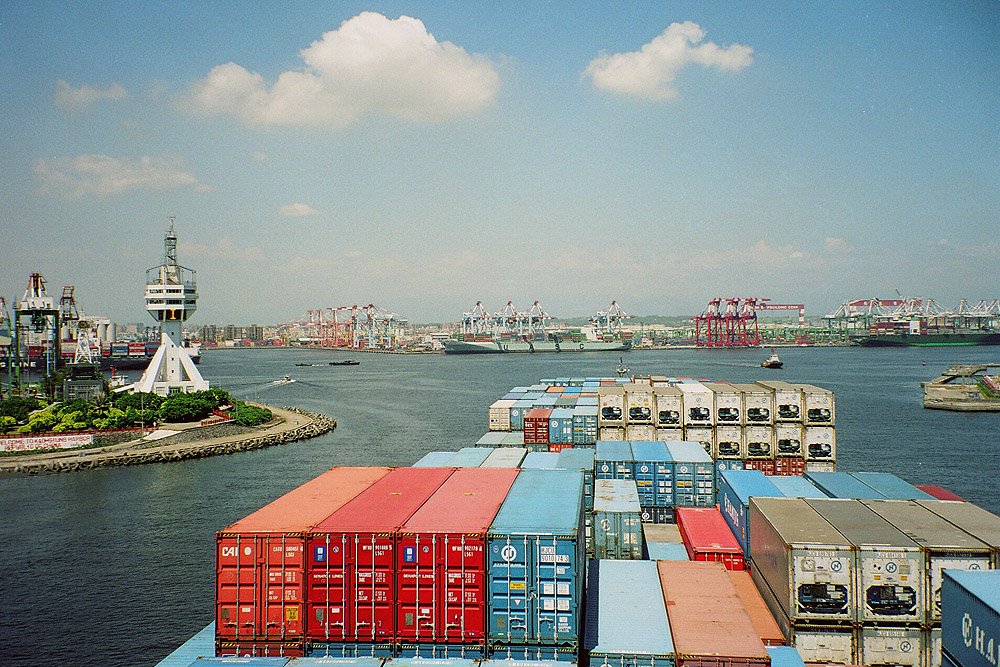
Sourcing used engines for export is a different business than selling to a local buyer who can drive over and look at the unit in person. Export buyers are working off photos, spec sheets, and trust in the seller’s testing process, often placing orders for vehicles or shops they’ll never personally inspect before the container arrives. We’ve built our export process around that reality — thorough testing before anything ships, complete documentation, and pricing that accounts for the real cost of getting an engine from our warehouse to a port on the other side of the world.
We ship used engines for export to buyers across nearly every region — dealers restocking inventory, independent shops sourcing hard-to-find applications, and resellers supplying markets where new engines are taxed heavily or simply unavailable through normal channels. The process is the same regardless of destination: test, document, package, ship.
What makes an engine export-ready
Not every used engine is suited for a long export shipment the same way it might be for a same-day local pickup. Before anything ships internationally, we drain all fluids to meet shipping regulations, plug or cap open ports to keep contaminants out during transit, and secure the unit to a pallet or crate rated for ocean freight handling. Engines with more exposed components — turbos, sensors, wiring harnesses — get extra protection during packaging since these are the parts most likely to take damage from rough handling at a busy port. None of this is optional for used engines for export; a unit that would ship fine in the back of a pickup truck locally can arrive damaged after weeks in a container if it wasn’t packaged for the trip.
Where our export inventory comes from
Sourcing used engines for export at any real volume requires broader supply than a single regional yard can offer. Our inventory comes from a mix of domestic salvage auctions, direct purchases of donor vehicles, and partnerships with yards that specialize in specific makes we don’t pull ourselves. That range matters for export buyers especially, since international demand skews toward different applications than domestic demand — turbo-diesel engines for markets where diesel fuel is more common, larger displacement units for markets without the same emissions restrictions found elsewhere, and specific import-market engine codes that barely show up in domestic listings at all.
We track export demand separately from domestic demand when deciding what to stock, which is part of why our export catalog leans toward larger, higher-value units more than the domestic side of the business does. It’s simply a reflection of what the actual buyers are asking for.
Current export inventory
| Engine | Type | Approx. Price (USD) | Typical Application |
|---|---|---|---|
| BMW B57D30S0 | Inline-6 quad-turbo diesel | $8,500 | X5M50d, 750d |
| Toyota V35A-FTS | V6 turbo hybrid | $11,500 | Land Cruiser, Tundra |
| Nissan VK56VD | V8, 5.6L | $3,800 | Armada, Titan, Patrol |
| Toyota J05E | 4-cyl turbo diesel, 5.1L | $4,950 | Dyna trucks, buses |
| Mercedes-Benz OM656 | Inline-6 turbo diesel | $4,800 | GLE, S-Class |
| Toyota F33A-FTV | Turbo diesel | $11,300 | Land Cruiser |
Higher-value and less common units tend to move disproportionately through export orders compared to domestic sales, simply because buyers overseas are often sourcing applications that are hard to find at any price in their own market.
Testing before it ships, not after it lands
Every engine we export gets the same testing standard as anything sold domestically: compression across all cylinders, leak-down testing, visual inspection of the block and heads, and a check of accessories and wiring where applicable. This matters even more for export orders than domestic ones, because a problem caught after a six-week ocean crossing is vastly more expensive and slower to resolve than one caught before the engine ever left the warehouse. We’d rather find an issue ourselves and swap the unit before shipping than have a buyer discover it after paying freight both ways.
Documentation that goes with every export order
International shipments of used engines for export require more paperwork than a domestic sale, and we prepare it as standard practice rather than charging extra or leaving buyers to figure it out. Every export order includes a Certificate of Origin confirming where the engine was sourced, a commercial invoice with accurate value declaration for customs purposes, and packing documentation describing exactly what’s in the shipment. For ocean freight, a bill of lading serves as both the shipping contract and the receipt your customs broker will need to release the shipment on arrival. We’ll coordinate directly with your freight forwarder or customs broker if you have one, or point you toward what’s typically needed if you’re arranging that piece for the first time.
How shipping actually works
Most export orders move by ocean container, either as a full container load for bulk orders or consolidated with other cargo for single-engine shipments. Ocean transit itself typically runs two to six weeks depending on the destination port, on top of a few days for export prep and loading. Air freight is available for urgent orders but costs substantially more given engine weight, so most buyers reserve it for genuine emergencies rather than standard restocking. We quote freight per order based on destination port, engine weight, and whether it’s a standalone shipment or part of a consolidated load — flat-rate shipping quotes for used engines for export are usually a sign a seller hasn’t actually priced the specific route, since costs vary enormously by destination.
Buying in volume for resale
A meaningful share of our export business comes from buyers purchasing multiple engines at once for resale in their own market rather than a single unit for personal use. Volume orders change the math in a useful way — consolidating several engines into one container cuts the per-unit freight cost noticeably compared to shipping each individually, and we can often work out better per-unit pricing on larger orders. If you’re setting up regular restocking rather than a one-time purchase, it’s worth having that conversation directly rather than reordering piecemeal each time, since we can structure recurring orders more efficiently once we understand your volume and cadence. Our piece on how engine sourcing works at volume covers this side of the business in more detail.
Import requirements on your end
Every destination country has its own rules on importing used engines — age restrictions, emissions compliance requirements, and duty rates all vary, sometimes significantly. This is the one part of the transaction that’s genuinely on the buyer’s side to manage, since import regulations change by jurisdiction and we can’t track every market’s current rules with certainty. What we can do is provide accurate, complete documentation that makes your customs broker’s job easier, and answer specific questions about what we can confirm regarding the engine’s origin, condition, and specifications. If you’re ordering for the first time, checking with a local customs broker before placing the order saves headaches later — it’s a lot easier to confirm compatibility with your country’s import rules up front than to deal with a held shipment after it’s already crossed an ocean.
Why buyers choose to import rather than source locally
The reasons vary by market, but a few patterns show up consistently. New engines are often taxed at rates that make used imports meaningfully cheaper even after freight and duties. Certain applications simply aren’t available locally in sufficient supply, particularly in markets where the vehicle wasn’t originally sold new. And testing standards on locally available used engines can be inconsistent, which pushes buyers toward sellers with a documented, repeatable testing process even if it means paying for international shipping. Whatever the specific reason, the common thread is that buyers are comparing total landed cost and reliability against their local alternatives, not just chasing the lowest possible number.
Packaging differences for different engine types
A compact four-cylinder engine ships differently than a large V8 or a turbo-diesel with intercooler piping still attached. Smaller units are often crated with foam or timber blocking to prevent shifting. Larger and heavier engines get palletized with steel banding and additional bracing at mounting points. Units with sensitive external components — turbochargers, ECUs, wiring harnesses — get those parts individually wrapped and secured separately from the block itself, since vibration during a multi-week ocean transit is a real risk for anything not properly immobilized. We adjust packaging based on the specific engine rather than using one generic method for everything going out as used engines for export.
What happens if something arrives damaged
Freight damage is rare when packaging is done correctly, but it happens occasionally over a long transit. Document any damage with photos immediately upon arrival, before unpacking further, and contact us right away. Freight damage claims are handled separately from a mechanical warranty claim, since one is a shipping carrier issue and the other is a product issue, but we’ll work with you either way rather than leaving you to sort it out alone with a carrier on the other side of the world.
Warranty on exported engines
Exported engines carry the same written warranty as domestic sales — typically 30 to 90 days depending on condition grade — covering internal mechanical failure. Distance does complicate the logistics of a warranty claim somewhat, since we can’t send a replacement overnight the way we might domestically, but the coverage itself doesn’t change based on destination. We’ll work through international warranty claims the same way we would locally: confirm the issue, agree on a resolution, and follow through on it.
How to evaluate any supplier of used engines for export
Because export buyers usually can’t inspect the physical unit before it ships, the seller’s track record and process matter more than they would for a local purchase. A few things worth confirming before committing to any supplier of used engines for export: ask exactly what testing was performed and whether results are documented, not just claimed. Ask whether the price you’re quoted is the full landed cost or just the engine, with freight added later as a surprise. Ask what happens if the unit arrives with an issue — a seller with a clear, specific answer is a very different proposition than one who gets vague when the conversation turns to problems. And ask for references or examples of past export shipments to your region if you’re ordering for the first time; a supplier with real export experience should be able to speak to that specifically rather than in generalities.
None of this is unreasonable to ask, and any legitimate exporter should welcome the questions rather than treating them as an inconvenience. We’d rather spend twenty extra minutes on a call answering specifics than have a buyer commit to an order based on assumptions that turn out wrong.
Regional variation in what buyers need
Demand for specific engine types varies a lot by region, and understanding that helps explain why our export catalog looks different from a purely domestic-focused seller’s inventory. Markets with higher fuel costs and longer average trip distances tend to favor diesel applications for their efficiency. Markets with older vehicle fleets on the road create steady demand for engines that stopped being commonly available new years ago. Markets with strong import competition on new vehicles sometimes see used engine imports as the more economical way to keep an existing fleet running rather than replacing vehicles outright. We don’t try to predict every market’s specific needs perfectly, but understanding these broad patterns helps us stock used engines for export that actually match what international buyers are asking for, rather than just exporting whatever happens to be sitting on the domestic shelf.
Frequently asked questions
Can you export to any country?
In most cases, yes, though a small number of destinations have restrictions that make certain shipments impractical. Ask about your specific destination when you inquire and we’ll tell you plainly if there’s an issue.
Do you handle customs clearance on the receiving end?
No — that’s the buyer’s responsibility, typically handled through a local customs broker or freight forwarder. We provide the documentation needed to make that process straightforward on your end.
Is there a minimum order for export shipments?
No minimum for a single engine, though pricing and freight efficiency improve with volume if you’re ordering multiple units for resale.
How do I pay for an international order?
We support standard international payment methods for cross-border transactions; ask when you place your order and we’ll walk through what’s available for your situation.
Building a repeat relationship instead of one-off orders
The buyers who get the most value out of sourcing used engines for export from us aren’t usually one-time purchasers — they’re shops, dealers, and resellers who order regularly enough that we can start anticipating their needs instead of starting from scratch every time. That kind of relationship lets us flag inventory that matches their typical orders before it’s even fully listed, work out more efficient consolidated shipping schedules, and iron out payment and documentation processes so each new order moves faster than the last. If you’re planning to import regularly rather than as a single purchase, it’s worth having that conversation early rather than treating every order as an isolated transaction.
The bottom line
Buying used engines for export works when the seller treats international orders as seriously as local ones — same testing standard, honest freight pricing, and documentation that actually makes customs clearance easier rather than harder. That’s the standard we hold every export order to, whether it’s a single engine for an independent shop or a consolidated container for a reseller. Browse the current catalog, confirm the engine code matches what you need, and reach out with your destination details — we’ll walk you through freight cost and timeline before you commit to anything.
Posts Widget




Best Auto Motors
USA HERALD MAGAZINE INC
Buy the best quality engines from our website online and get a fast delivery within 6 days.
Copyright 2022.KlbTheme . All rights reserved
