


Cooling System Tips for Used Car Engines 2
Cooling System Tips for Used Car Engines
Most engine failures don’t happen suddenly. Cooling System Tips for Used Car Engines
Usually, the engine gives warning signs first.
The problem is people ignore them.
A temperature gauge starts creeping higher than normal. Coolant disappears slowly. The fan starts running harder. Maybe there’s a small leak somewhere under the car.
Then one day the engine overheats badly and everything changes.
That’s why searches for Cooling System Tips for Used Car Engines matter more than people realize.
Because honestly, a lot of used engines fail because of cooling problems—not because the engine itself was originally bad.
And if you’re buying or installing a used engine, the cooling system matters just as much as the engine itself.
Why the cooling system matters so much
Engines create heat constantly.
A lot of heat.
Without proper cooling, temperatures rise fast enough to damage:
- Head gaskets
- Pistons
- Cylinder heads
- Bearings
- Internal engine components
And once overheating becomes severe, repair costs climb quickly.
That’s why the cooling system is one of the most important parts of any engine setup.
What the cooling system actually does
Most people think it’s just the radiator.
It’s more than that.
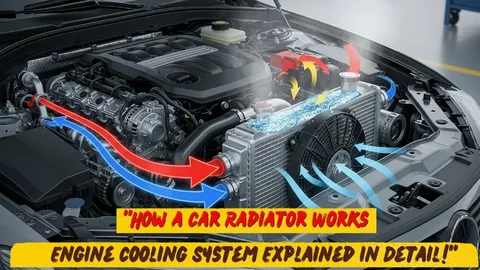
The cooling system includes:
- Radiator
- Water pump
- Thermostat
- Cooling fans
- Hoses
- Coolant passages
- Overflow tank
All of these parts work together to control engine temperature.
If one part fails, the entire system can struggle.
Why used engines need extra cooling attention
A used engine may still run perfectly.
But if it gets installed into a vehicle with:
- Old hoses
- Bad radiator
- Weak water pump
- Cooling restrictions
then overheating can damage the replacement engine quickly.
That’s why people looking into Cooling System Tips for Used Car Engines should always think beyond just the engine itself.
Overheating is one of the biggest engine killers
This happens constantly.
An engine overheats once… then again… then eventually something fails internally.
Repeated overheating can cause:
- Warped heads
- Cracked components
- Head gasket failure
- Loss of compression
At that point, many owners end up replacing the engine completely.
Coolant matters more than people think
Some people ignore coolant completely until there’s a problem.
Bad idea.
Coolant does more than control temperature.
It also:
- Prevents corrosion
- Lubricates system components
- Protects internal passages
Old or contaminated coolant creates long-term damage inside the engine and radiator.
Low coolant is a serious warning sign
If coolant keeps disappearing, something is wrong.
Possible causes include:
- Leaks
- Bad radiator cap
- Internal engine problems
- Damaged hoses
Constantly topping off coolant without finding the cause usually leads to bigger problems later.
Radiator problems
Radiators wear out over time.
Common issues include:
- Internal blockage
- Corrosion
- Leaks
- Restricted airflow
Even a strong engine can overheat if the radiator can’t remove heat properly.
Water pump failure
This is another major problem.
The water pump moves coolant through the engine.
When it starts failing, coolant circulation becomes weak.
That can lead to:
- Temperature spikes
- Poor cooling performance
- Overheating under load
And once overheating begins, internal engine damage can happen fast.
Thermostat problems
This is one of the smaller parts—but it can create huge problems.
A stuck thermostat may:
- Restrict coolant flow
- Cause overheating
- Create inconsistent temperatures
And because thermostats are relatively cheap, ignoring them makes no sense.
Cooling fan issues
Modern vehicles rely heavily on electric cooling fans.
If the fan stops working properly:
- Traffic overheating becomes common
- Temperature rises at idle
- Airflow through the radiator drops
Many overheating problems start here.
Hoses and clamps
People overlook these constantly.
Old hoses crack internally and externally over time.
Weak hoses can:
- Collapse under pressure
- Leak coolant
- Restrict flow
A failed hose can destroy an engine surprisingly quickly if ignored.
Why pressure matters
The cooling system works under pressure.
That pressure helps raise coolant boiling temperature.
If the system can’t hold pressure because of:
- Leaks
- Bad caps
- Weak components
then overheating becomes much more likely.
Signs your cooling system needs attention
Usually the warning signs are obvious.
You may notice:
- Rising temperature gauge
- Coolant smell
- Steam
- Coolant leaks
- Overheating under load
- Heater performance issues
Ignoring those signs is what turns small repairs into engine replacement situations.
What happens when overheating damages a used engine
This is where things become expensive.
Once overheating becomes severe enough, the engine may develop:
- Head gasket failure
- Cracked heads
- Compression loss
- Internal damage
That’s why proper cooling system setup matters immediately after engine installation.
Why tested used engines still make sense
Even after engine failure, replacing the engine often makes more financial sense than replacing the entire vehicle.
That’s why used engine demand stays strong worldwide.
Especially when buyers can get:
- Tested engines
- Lower mileage units
- Affordable replacement options
without paying brand-new prices.
What “tested engine” should actually mean
This part matters.
A tested engine should go through checks like:
- Compression testing
- Leak inspection
- Running verification
- Visual inspection
Not just “it came out of a running car.”
If a seller can’t explain testing clearly, ask more questions.
Typical used engine specifications
When searching Cooling System Tips for Used Car Engines, buyers should expect details like:
- Engine size
- Cylinder setup
- Fuel type
- Mileage
- Compatibility
- Condition
Nothing complicated—just clear information.
Why low-mileage engines matter
Lower mileage usually means:
- Less wear
- Better internal condition
- Longer expected lifespan
That’s why buyers focus heavily on mileage when shopping for replacement engines.
Buying used engines online
This is normal now.
Many buyers purchase engines online because:
- Inventory is larger
- Pricing is more competitive
- Local availability may be limited
The process is usually straightforward:
- Confirm compatibility
- Review engine details
- Arrange payment
- Organize shipping
The important thing is clear communication.
Shipping matters too
Engines are heavy and expensive.
Proper shipping means:
- Secure pallet mounting
- Protected components
- Careful handling during transport
That part should never feel rushed.
What we do
We keep things straightforward.
If you’re looking into Cooling System Tips for Used Car Engines, we focus on:
- Tested engines
- Clear mileage details
- Real compatibility information
- Proper shipping preparation
No vague listings or confusing information.
Most buyers just want an engine that fits correctly and runs properly.
Common mistakes buyers make
This happens constantly:
- Installing a used engine with an old radiator
- Ignoring cooling system maintenance
- Buying based only on price
- Skipping coolant inspection
A lot of replacement engines fail because the original cooling problem was never fixed.
Cooling system maintenance is cheaper than engine replacement
This part is simple.
Replacing:
- Hoses
- Thermostats
- Coolant
- Radiators
costs far less than replacing an entire engine later.
Preventive maintenance matters.
Final thoughts
If you’re searching Cooling System Tips for Used Car Engines, chances are you already understand how expensive overheating problems can become.
The good news is this:
Most cooling system problems start small.
And when handled early, they usually stay manageable.
But if overheating already damaged the engine badly enough, replacing it with a tested used engine often becomes the smartest financial option.
Especially when the rest of the vehicle is still worth keeping.
FAQ
What causes most overheating problems?
Low coolant, bad radiators, thermostat failure, and water pump problems are common causes.
Can overheating ruin a used engine?
Yes, severe overheating can cause major internal damage.
Should I replace cooling parts during engine installation?
Yes, especially hoses, thermostats, and worn components.
What coolant problems should I watch for?
Leaks, contamination, and low coolant levels.
Are used engines reliable?
Yes, especially low-mileage tested engines.
What mileage is considered good?
Generally under 60,000 miles.
Can engines be shipped worldwide?
Yes.
What should I avoid when buying?
Untested engines and unclear compatibility information.
Why is my engine overheating at idle?
Cooling fan or airflow problems are common causes.
How do I order?
Contact us, confirm details, then proceed.
If something isn’t clear, ask before buying. It’s easier than dealing with problems later.
Cheap Engines for Sale Near Me (Online Options)
Ford V10 engine for sale: pros and cons
How to inspect a used Ford engine before buying
Top 5 Signs Your Mercedes-Benz M273 Engine Needs Replacement
Rebuilt vs. Used Mercedes-Benz M273 Engine: Which One Should You Buy?
Posts Widget




Best Auto Motors
USA HERALD MAGAZINE INC
Buy the best quality engines from our website online and get a fast delivery within 6 days.
Copyright 2022.KlbTheme . All rights reserved
