


Engine Cleaning Guide for Used Engines 2
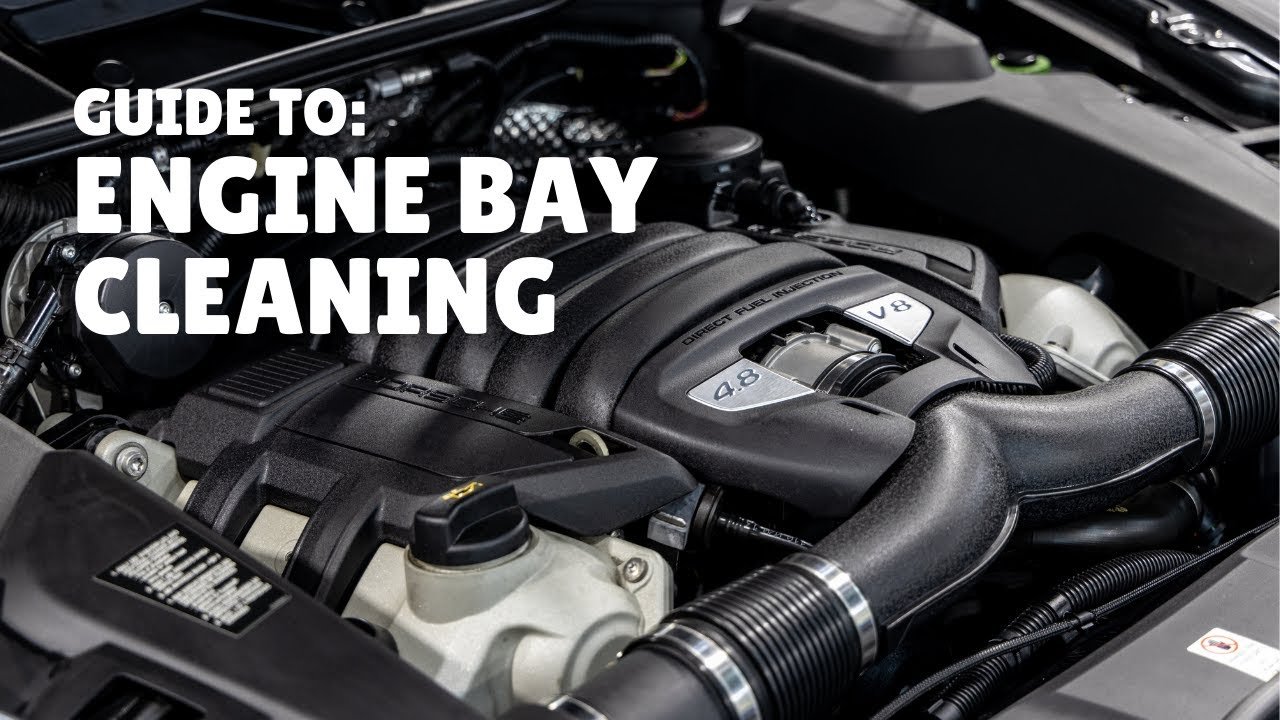
Engine Cleaning Guide for Used Engines
Let’s be honest.
Most people don’t think much about engine cleaning until they open the hood and see years of oil, dirt, grease, and dust covering everything. Engine Cleaning Guide for Used Engines
And when somebody buys a used engine, one of the first things they usually ask is:
👉 “Should I clean it before installing it?”
The answer is yes.
Not because a shiny engine suddenly becomes magical, but because cleaning helps you:
- Spot leaks
- Inspect damage
- Improve maintenance access
- Prevent dirt from causing problems later
That’s why searches like Engine Cleaning Guide for Used Engines are becoming more common.
Especially now that more buyers are purchasing used replacement engines online.
Why cleaning a used engine matters
Simple answer—visibility.
A dirty engine hides problems.
Oil leaks, cracked hoses, damaged connectors, and worn seals are harder to spot when everything is covered in grime.
Cleaning helps buyers actually inspect what they purchased.
And honestly, that matters more than appearance.
Used engines are not always dirty because they are bad
This part matters.
A lot of buyers assume dirt automatically means the engine was abused.
Not always.
Many perfectly good engines simply come from:
- Older vehicles
- Daily-driven cars
- Trucks and SUVs
- Long-distance highway vehicles
Over time, engines naturally collect:
- Dust
- Oil residue
- Road grime
- Grease buildup
That’s normal.
What should be cleaned first
Start simple.
Before doing anything aggressive, remove:
- Loose dirt
- Dust buildup
- Leaves or debris around the engine bay
A basic cleaning already helps a lot.
No reason to attack the engine immediately with heavy chemicals.
Why pressure washing can become a problem
This is one of the biggest mistakes people make.
Too much water pressure can damage:
- Electrical connectors
- Sensors
- Wiring systems
- Ignition components
Modern engines contain electronics everywhere.
That’s why careful cleaning matters.
Safe engine cleaning methods
Most experienced mechanics avoid aggressive cleaning methods.
Usually the safest approach involves:
- Degreaser
- Soft brushes
- Low-pressure rinsing
- Microfiber towels
Slow and controlled cleaning is better than blasting everything with water.
Oil buildup around the engine
This is extremely common on older engines.
You’ll often find oil residue around:
- Valve covers
- Timing covers
- Oil pans
- Gaskets and seals
Cleaning these areas helps identify whether active leaks still exist.
Why buyers clean engines before installation
Because once the engine is inside the vehicle, access becomes harder.
It’s smarter to:
- Clean it now
- Inspect everything now
- Replace small seals now
instead of pulling things apart later.
Common things found during cleaning
This surprises a lot of buyers.
Once engines get cleaned properly, people often notice:
- Small leaks
- Cracked hoses
- Loose connectors
- Missing bolts
- Damaged wiring insulation
That’s exactly why cleaning matters before installation.
Cleaning the intake area
The intake system collects dirt over time.
Carbon buildup and residue are common.
Cleaning helps improve:
- Airflow
- Inspection visibility
- Overall appearance
But sensitive sensors should always be handled carefully.
Engine bay cleaning vs internal cleaning
These are two different things.
External cleaning
Focuses on:
- Dirt
- Grease
- Oil buildup
- Appearance
Internal cleaning
Involves:
- Oil system cleaning
- Internal sludge concerns
- Engine treatment products
Most buyers searching Engine Cleaning Guide for Used Engines are talking about external cleaning before installation.
Why low-mileage engines still need cleaning
Even low-mileage engines collect dirt.
Especially if:
- The donor vehicle sat for a while
- The engine came from an older model
- Storage conditions weren’t perfect
Cleaning is still worth doing before installation.
Typical used engine specifications buyers ask about
When shopping for replacement engines, buyers usually want details like:
- Mileage
- Engine size
- Fuel type
- Compatibility
- Included accessories
- Compression condition
Nothing complicated—just accurate information.
What “tested engine” should actually mean
This part matters a lot.
A tested engine should be checked for:
- Compression
- Oil condition
- Basic running performance
- Internal wear signs
Not just “it was running before removal.”
Quality matters when replacing an engine.
Why some used engines look cleaner than others
Because preparation standards differ.
Some suppliers:
- Clean engines properly
- Inspect components carefully
- Remove excessive grime before shipping
Others don’t.
That’s why buyers should ask questions before purchasing.
Cleaning before storage
If the engine won’t be installed immediately, cleaning becomes even more important.
Oil and dirt trap moisture.
Moisture creates:
- Corrosion
- Rust
- Electrical issues
A properly cleaned and stored engine lasts longer.
Common cleaning mistakes people make
Seen these too many times:
Using too much water
Creates electrical problems.
Spraying directly into connectors
Bad idea.
Ignoring exposed wiring
Moisture damage happens fast.
Using harsh chemicals
Some products damage plastics and seals.
Simple cleaning usually works best.
Why engine appearance still matters
No, a clean engine doesn’t magically make it mechanically perfect.
But appearance still matters because:
- It helps inspection
- Shows basic care
- Makes installation easier
- Improves buyer confidence
Nobody likes installing a greasy engine covered in sludge.
Buying used engines online
This is completely normal now.
Most buyers:
- Compare engines online
- Ask about mileage
- Request shipping quotes
- Verify compatibility
instead of relying only on local salvage yards.
The important thing is dealing with sellers who explain things clearly.
Shipping used engines
Used engines are heavy and require proper handling.
Engines should be:
- Secured on pallets
- Protected during shipping
- Properly wrapped for transport
Good shipping preparation matters.
What we do
We keep things straightforward.
If you’re searching Engine Cleaning Guide for Used Engines, here’s what we focus on:
- Tested engines
- Proper engine handling
- Clear engine details
- Reliable shipping
- Honest communication
No confusion. No guessing.
Most buyers already know they need another engine—they just want one that’s reliable and worth installing.
Why replacing the engine sometimes makes more sense
At some point:
- Repair bills grow
- Engine damage becomes serious
- Reliability disappears
That’s when many people stop repairing and start replacing.
A tested used engine often saves money compared to:
- Full rebuilds
- Brand-new engines
- Buying another vehicle entirely
That’s why used engine demand continues growing worldwide.
Installation matters too
Even a good engine can develop issues if installed badly.
Before startup:
- Replace fluids
- Check hoses and wiring
- Inspect seals and gaskets
- Verify cooling system operation
Skipping setup details causes unnecessary problems later.
Final thoughts
If you’re reading Engine Cleaning Guide for Used Engines, you’re probably either:
- Installing a replacement engine
- Shopping for one
- Trying to keep your current engine alive longer
And honestly, cleaning matters more than people realize.
Not because of appearance alone, but because it helps:
- Inspection
- Maintenance
- Leak detection
- Long-term reliability
A properly cleaned and tested used engine gives buyers a much better starting point.
FAQ
Should I clean a used engine before installation?
Yes. It helps inspection and makes maintenance easier.
Can pressure washing damage an engine?
Yes, especially sensors and electrical components.
What’s the safest way to clean an engine?
Degreaser, soft brushes, microfiber towels, and low-pressure rinsing.
Does dirt mean the engine is bad?
Not always. Many good engines simply collect grime over time.
What should I check during cleaning?
Leaks, cracked hoses, damaged wiring, and missing components.
Are tested used engines reliable?
Yes, especially low-mileage engines with proper inspection.
Can engines be shipped worldwide?
Yes.
What mileage is considered good?
Usually under 60,000 miles is solid.
Should seals be replaced before installation?
Often yes, especially easy-to-access seals.
How do I order?
Contact us, confirm details, then proceed.
If something isn’t clear, ask before buying. It’s always better to understand everything upfront than deal with expensive problems later.
Cheap Engines for Sale Near Me (Online Options)
Ford V10 engine for sale: pros and cons
How to inspect a used Ford engine before buying
Top 5 Signs Your Mercedes-Benz M273 Engine Needs Replacement
Rebuilt vs. Used Mercedes-Benz M273 Engine: Which One Should You Buy?
Posts Widget




Best Auto Motors
USA HERALD MAGAZINE INC
Buy the best quality engines from our website online and get a fast delivery within 6 days.
Copyright 2022.KlbTheme . All rights reserved
