


Used Diesel Engines For Sale: Specs & What To Check Before You Buy
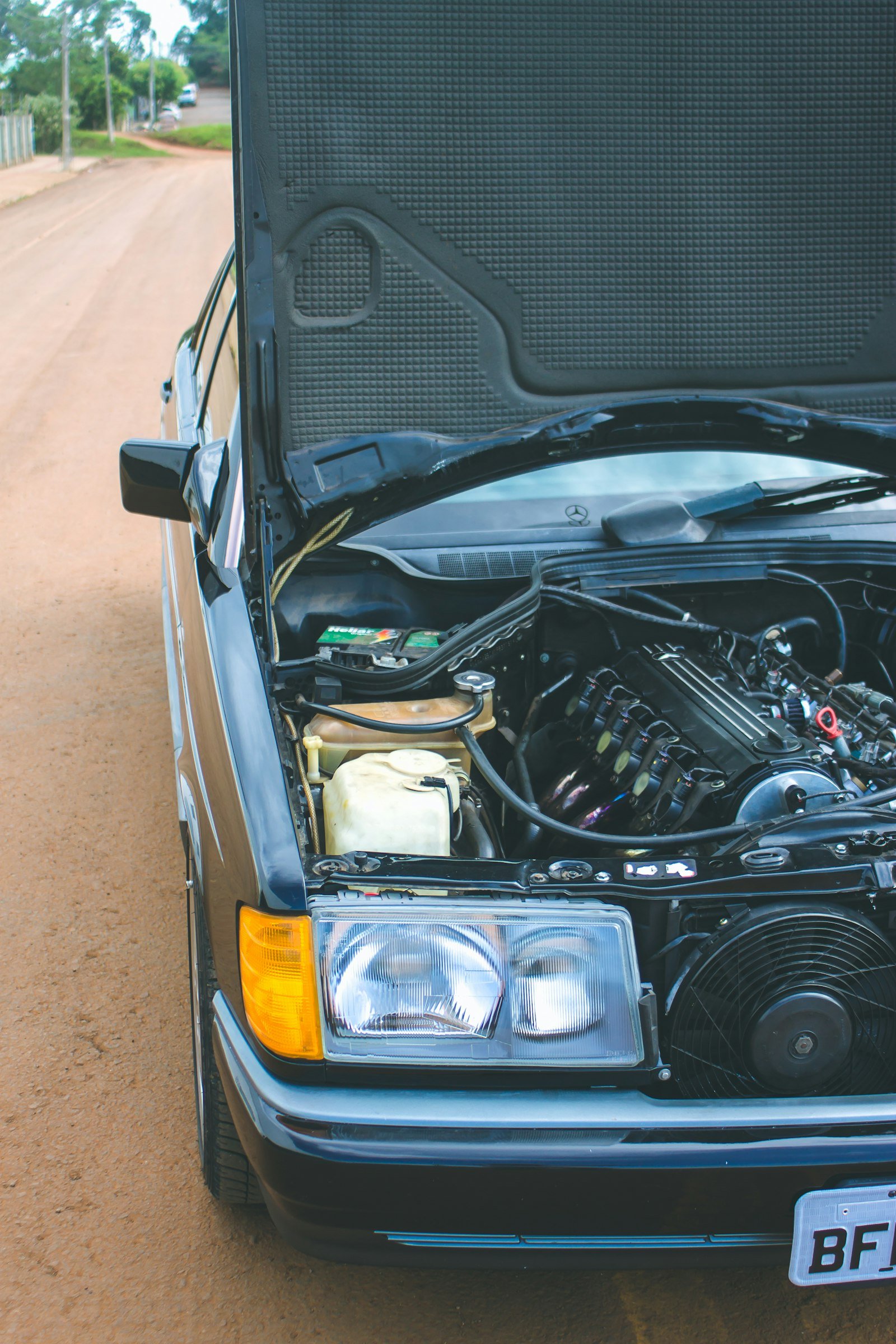
Diesel engines get treated differently than gas engines in the used market, and for good reason — a well-maintained diesel can outlast the vehicle it came in by a wide margin, which is exactly why used diesel engines for sale stay in steady demand from fleet operators, overlanders, and anyone running a truck or SUV they actually plan to keep. The flip side is that diesels are also more expensive to replace new and pickier about what condition they need to be in when you buy used, so knowing what you’re looking at matters more here than almost anywhere else in the used engine market.
Here’s a rundown of the diesel engines we carry most often, real specs, what they’re used in, and what actually matters when you’re evaluating a used diesel before you buy.
Why Used Diesel Engines Hold Their Value in the Used Market
Diesel engines are built with heavier internals from the factory — thicker cylinder walls, stronger crankshafts, lower redlines — because compression ignition puts more stress on the bottom end than a gas engine’s spark ignition. That extra margin is why a diesel with 150,000 miles on it can still have plenty of life left, assuming it’s been maintained. It’s also why used diesel engines for sale tend to hold their price better than comparable gas engines at the same mileage — buyers know what they’re worth.
Diesel Engines We Stock (With Real Specs)
Isuzu 4JJ1-TCX — 3.0L Turbo Diesel Inline-4
The 4JJ1-TCX is Isuzu’s common-rail turbo diesel, used across the D-Max, MU-X, and various NPR-badged commercial trucks depending on market. 2,999cc, variable geometry turbo, roughly 163-190 hp and up to 400 lb-ft of torque depending on tune and market spec. It’s a straightforward, well-documented engine with a large global service network, which is a real advantage if you’re running it in a commercial fleet. Check our 4JJ1-TCX listing for current stock and compression numbers.
Mercedes-Benz OM656 — 3.0L Turbo Diesel Inline-6
The OM656 is Mercedes’ modern diesel inline-six, found in the GLE 350d, GLS 350d, and various Sprinter and commercial applications depending on market. 2,925cc, single turbo, around 282-330 hp and up to 516 lb-ft of torque — genuinely strong numbers for a diesel six. It replaced the older OM642 V6 diesel and is a noticeably cleaner-running, more refined engine. Our OM656 listing is one of the pricier units we carry, reflecting both its complexity and the demand for it.
Mitsubishi 4N15 — 2.4L Turbo Diesel Inline-4
The 4N15 powers the Mitsubishi Triton/L200 and Pajero Sport across most export markets. 2,442cc, variable geometry turbo, roughly 178-181 hp and 317-430 lb-ft of torque depending on tune. It’s a common request from Triton and Pajero Sport owners doing engine replacements, and we keep it in stock regularly. See the 4N15 listing for current mileage and pricing.
Toyota J05E / J05C — 4.9L Diesel Inline-4
Toyota and Hino’s heavy-duty diesel, used in medium-duty trucks and coaster buses. The J05E is the later, turbocharged version with roughly 150-175 hp and well over 400 lb-ft; the J05C is the earlier generation with an older fuel system. Both see heavy commercial duty, so hours and maintenance history matter as much as raw mileage.
Toyota N04C — 4.0L Turbo Diesel Inline-4
Used in the Dyna and Toyoace light trucks, the N04C makes roughly 150 hp and 350+ lb-ft from 4,009cc. A common replacement for delivery and light commercial trucks. Check the N04C listing for what’s currently in stock.
BMW B57 — 3.0L Turbo Diesel Inline-6
BMW’s diesel six comes in three variants we carry: the B57D30O0 single-turbo (around 265 hp), the B57D30B, and the B57D30S0 quad-turbo variant that pushes past 400 hp — the most powerful diesel inline-six BMW has ever put into production. Used in the X5M50d, M550d, and 750d.
| Engine | Displacement | Turbo | Power | Torque | Common Vehicles |
|---|---|---|---|---|---|
| Isuzu 4JJ1-TCX | 3.0L | VGT single | 163-190 hp | up to 400 lb-ft | D-Max, MU-X, NPR trucks |
| Mercedes OM656 | 3.0L | Single | 282-330 hp | up to 516 lb-ft | GLE 350d, GLS 350d, Sprinter |
| Mitsubishi 4N15 | 2.4L | VGT single | 178-181 hp | 317-430 lb-ft | Triton, L200, Pajero Sport |
| Toyota J05E | 4.9L | Single | 150-175 hp | 400+ lb-ft | Hino/Toyota trucks, coasters |
| Toyota N04C | 4.0L | Single | ~150 hp | 350+ lb-ft | Dyna, Toyoace |
| BMW B57D30 | 3.0L | Single/quad | 265-400+ hp | up to 560+ lb-ft | X5M50d, M550d, 750d |
What to Check Before Buying a Used Diesel Engine
Diesels have their own failure modes that a gas-engine checklist won’t catch. Here’s what we go through on every diesel we list:
- Compression test — diesels run much higher compression ratios than gas engines, so the numbers and acceptable ranges are different. Ask for the actual figures, not a vague “it compressed fine.”
- Injector condition — common-rail diesel injectors are precision parts, and poor fuel quality in some markets accelerates wear. A rough idle or smoky start is often an injector issue, not a core engine problem, but it affects value either way.
- Turbo shaft play and wastegate function — diesel turbos run hot and see a lot of duty cycles, especially on commercial units.
- EGR and DPF condition — carbon buildup in the EGR system is common on diesels that spend a lot of time idling or doing short trips, and a clogged DPF affects performance even if the core engine is fine.
- Head gasket and coolant system — check for oil in coolant or coolant in oil, a sign of a failing head gasket that’s expensive to catch late.
- Timing chain/belt condition — know which your engine uses and factor in replacement cost if it hasn’t been done recently.
Diesel vs Gas: Why the Used Market Treats Them Differently
A gas engine buyer is usually comparing options on price and mileage. A diesel buyer is comparing options on duty cycle, maintenance records, and fuel system condition, because a diesel’s failure modes are more expensive to fix after the fact. This is also why used diesel engines for sale from commercial vehicles come with more scrutiny from us before listing — we want donor vehicle service history whenever it’s available, not just a mileage number.
Shipping Diesel Engines Worldwide
Diesel engines are heavier and often bulkier than their gas counterparts, which affects freight cost and method. We crate every unit on a pallet, drain and seal fluids for freight compliance, and ship by ocean freight for most international orders on the larger diesel units — the J05E and OM656 in particular. Smaller diesels like the 4N15 or 4JJ1-TCX can go by air if you need a faster turnaround and don’t mind the higher cost. We handle export paperwork on our end, and customers across Africa, the Middle East, and Southeast Asia order diesel engines from us regularly for commercial fleet repairs.
Emissions Hardware and Import Rules
If you’re importing a used diesel engine into a market with strict emissions standards, check your local rules before ordering. Some regions require DPF, EGR, or SCR systems to remain functional on imported diesel engines, and removing or bypassing that hardware can create compliance issues on your end. We’ll tell you exactly what emissions equipment ships with a given engine — confirming it meets your local requirements is on the buyer’s side.
Used vs Rebuilt vs New: A Cost Comparison for Diesel Engines
| Option | Typical Cost Position | What You Get |
|---|---|---|
| New/Special-Order Engine | Highest, often a long lead time | Zero hours, full manufacturer backing, limited availability on some platforms |
| Machine-Shop Rebuild | High — diesel rebuilds are labor-intensive | Reman internals, but the injection system and turbo are often priced separately |
| Tested Used Engine | Lowest, often by a wide margin | Factory tolerances, documented compression, faster turnaround than a full rebuild |
Diesel rebuilds in particular tend to run expensive because of how many precision components are involved — injectors, high-pressure pump, turbo — and a shop rebuild often prices these separately from the core engine work. A tested used diesel usually sidesteps that entirely.
Common Failure Points by Engine
- Isuzu 4JJ1-TCX: EGR valve carbon buildup and occasional injector seal wear on higher-mileage units run on lower-quality fuel.
- Mercedes OM656: Timing chain tensioner wear at very high mileage, and glow plug module faults that are unrelated to core engine health but worth checking separately.
- Mitsubishi 4N15: Turbo actuator wear and occasional DPF regeneration issues tied to short-trip driving patterns on the donor vehicle.
- Toyota J05E/N04C: Injector wear from fuel quality variance in export markets, and turbo shaft play on high-hour commercial units.
- BMW B57: DPF and EGR carbon buildup, which is a maintenance pattern issue rather than a core engine defect, but affects how the engine runs until it’s addressed.
None of this is a reason to avoid these engines — it’s exactly why we run compression and leak-down tests before listing anything, and why we’re upfront about what we find.
Diesel Longevity vs Gas: The Real Numbers
It’s not marketing talk — diesel engines genuinely tend to rack up higher useful mileage than comparable gas engines, largely because of how they’re built. Lower redlines mean less mechanical stress per mile driven. Heavier-duty bottom ends built to handle compression-ignition forces have more margin built in from the factory. And diesel fuel itself provides some lubricating property to the injection system that, when maintained with quality fuel, helps components last. None of this means a diesel is maintenance-free — DPF, EGR, and injector systems all need attention on a schedule — but the core bottom end on a well-maintained diesel routinely outlasts a comparable gas engine by a meaningful margin.
Real Scenarios We See Regularly
A fleet operator running Isuzu D-Max trucks loses a 4JJ1-TCX to a turbo failure that wasn’t caught early enough to save the engine. Rather than take multiple trucks off the road waiting on parts, they order a tested used engine and have the truck back in rotation within days of delivery.
A GLE 350d owner gets a dealer quote for an OM656 replacement that’s more than the car’s current value. A tested used OM656 with documented compression and injector condition gets the vehicle running again for a fraction of that cost.
A Triton owner overseas needs a 4N15 after a coolant leak damaged the head, and local parts availability is limited. Worldwide shipping on a tested used engine solves a problem the local market couldn’t.
How Ordering Works
- Identify the engine code from your VIN or the block stamping, or send us your VIN directly.
- We confirm current stock, mileage, compression numbers, and donor service history when available.
- You place the order and we schedule crating and freight for your location.
- Export documentation is handled on our end for international orders.
- You install (or your mechanic does), covered by the warranty period from delivery.
For general diesel engine maintenance and duty-cycle reference beyond what’s covered here, the Diesel Technology Forum publishes useful background on modern diesel engine systems and emissions technology.
Fuel Quality and Why It Matters More for Diesel Buyers
One thing we tell every diesel customer, whether they’re buying from us or anyone else: the biggest variable in how long a used diesel engine lasts after you install it isn’t the engine — it’s the fuel you run through it. Common-rail injection systems are precision-machined to extremely tight tolerances, and low-quality diesel with high sulfur content or water contamination will shorten injector and high-pressure pump life regardless of how good the engine was when you bought it. If you’re in a market where fuel quality is inconsistent, budget for a good fuel filter and consider a water separator if you don’t already run one. It’s a small cost next to the price of another engine down the line.
What’s Included When You Order
Most of our diesel listings include the long block along with the turbo, and depending on the unit, the injectors and wiring harness — check the specific listing since this varies by engine and what came off the donor vehicle. We’re upfront in the listing about what’s tested, what’s included, and what condition the accessories are in, since diesel accessories (injector wiring, glow plug harnesses, EGR components) are often the parts that actually fail first, not the core engine.
Frequently Asked Questions
How much does a used diesel engine cost?
It varies significantly by engine — a passenger SUV diesel like the OM656 is priced differently than a commercial truck diesel like the J05E. Check individual listings for current pricing.
Do used diesel engines come with a warranty?
Yes, every diesel engine we sell is tested and backed by a warranty period.
Can I ship a used diesel engine to another country?
Yes, we ship used diesel engines for sale worldwide and handle export paperwork on our end.
Do you include the turbo and injectors with the engine?
This varies by listing — check the specific product page or ask us directly for what’s included.
How do I know if a used diesel engine has been well maintained?
Ask for compression numbers, injector condition notes, and donor vehicle service history if available. A seller who can’t provide any of this is asking you to guess.
What’s the difference between the 4JJ1-TCX and 4N15?
The 4JJ1-TCX is Isuzu’s 3.0L four-cylinder diesel used in the D-Max and MU-X; the 4N15 is Mitsubishi’s 2.4L diesel used in the Triton and Pajero Sport. Both are similar in role but not interchangeable.
Bottom Line
A used diesel engine, bought from someone who actually tests and documents it, is one of the better values in the used parts market — diesels are built to last and the used pricing reflects real remaining life rather than just mileage on an odometer. Browse our current stock of used diesel engines for sale, check the compression numbers on the listing that matches your vehicle, and reach out with your VIN if you need help confirming fitment before you order.
Posts Widget




Best Auto Motors
USA HERALD MAGAZINE INC
Buy the best quality engines from our website online and get a fast delivery within 6 days.
Copyright 2022.KlbTheme . All rights reserved
