


Buy Used Engines Online With Worldwide Shipping: What To Know
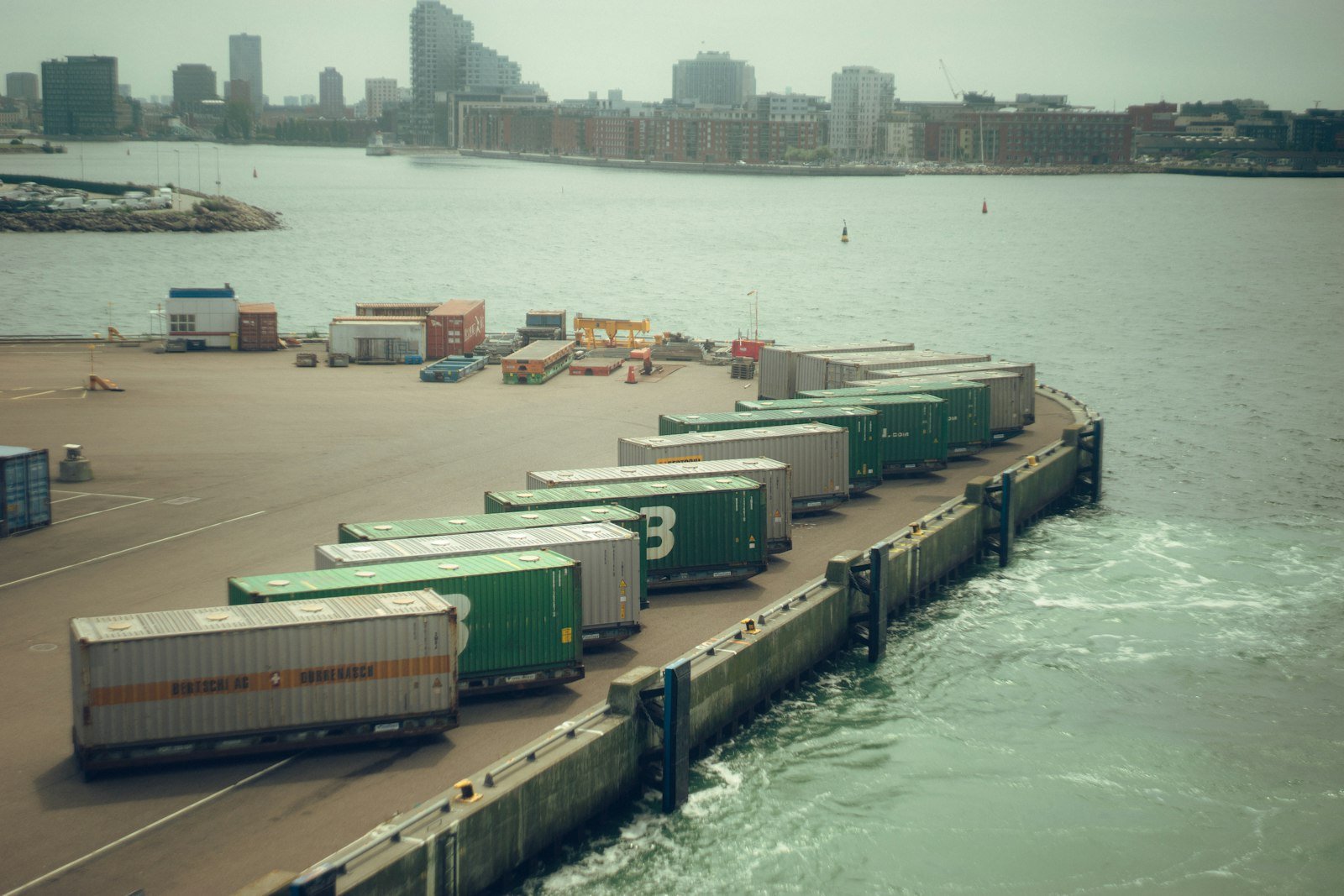
Once you decide a used engine is the right call, the next question is almost always logistical: can you actually get one shipped to where you are, and what does that process look like? If you’ve searched for ways to buy used engines online with worldwide shipping, you’ve probably run into a mix of vague answers and sellers who quietly only ship domestically. We ship engines internationally every week, so here’s a straight answer on how the process actually works, what it costs, and what to check before you order from anyone — us included.
Why Buying a Used Engine Online Makes Sense, Wherever You Are
Local supply doesn’t always match local demand. A shop in a country with a small BMW dealer network might struggle to source a used N55 locally, while a country with a huge Toyota commercial fleet might have plenty of J05E diesels available but nothing for a niche performance platform. Buying online from a seller with deep, tested inventory solves this regardless of what’s sitting in your local yards. The tradeoff is you need to trust the seller’s testing and documentation, since you can’t walk around the engine in person before buying — which is exactly why compression numbers, mileage documentation, and clear photos matter so much more for an online purchase than a local one.
What “Tested” Should Actually Mean
Anyone can put “tested” in a listing title. What it should actually mean is a documented compression test across every cylinder, a leak-down check, a visual inspection for coolant-in-oil or oil-in-coolant, and verified mileage from the donor vehicle’s odometer or cluster — not an estimate. We run this on every engine we list, whether it’s a small four-cylinder or a full commercial diesel, and we put the actual numbers in the listing rather than a generic “runs great” description.
How International Shipping Actually Works
Every used engine we ship gets crated on a pallet built for the weight and dimensions of that specific engine, with fluids drained and sealed to meet freight compliance requirements. From there, you’ve got two main options:
- Ocean freight — the standard choice for heavier engines (V8s, diesel commercial units, anything over roughly 400 lbs crated). It costs less per unit weight but takes longer, typically several weeks depending on your port of entry and how far it is from the origin port.
- Air freight — faster, usually a couple of weeks door to door, but costs meaningfully more given engine weight. Makes sense for smaller four-cylinder engines or when you genuinely can’t wait for ocean freight.
We handle export documentation on our end for every international order — commercial invoice, packing list, and any certificates your destination country requires. Your part is handling import customs on the receiving end, which varies significantly by country. We’ll tell you what to expect based on where you’re importing to, but customs duties and import taxes are outside our control and vary by jurisdiction.
What It Actually Costs to Ship an Engine Internationally
Freight cost depends on three things: weight, dimensions (crated engines are bulky even when the engine itself isn’t that heavy), and distance to your port or airport. A four-cylinder engine like a Toyota A25A-FKS or BMW N20 ships for meaningfully less than a full commercial diesel or a V8. We quote freight separately from the engine price so you can see exactly what you’re paying for shipping versus the engine itself, and we’ll give you both ocean and air options where both are practical so you can weigh cost against timeline.
Customs, Duties, and Import Rules — What You Need to Know
Every country handles engine imports differently. Some have straightforward processes for used auto parts; others require additional certificates, especially for diesel engines with emissions-control hardware. Before you order, it’s worth checking your local customs authority’s rules on used engine imports specifically — not just general auto parts — since engines sometimes fall under different classification codes than smaller components. We can tell you what documentation ships with the engine, but confirming it satisfies your local import requirements is on the buyer’s side. Getting this wrong doesn’t usually stop the shipment, but it can delay customs clearance and add unexpected costs, so a few minutes of research before ordering saves a real headache later.
Payment and Ordering Process for International Buyers
The process is the same whether you’re ordering from across town or across an ocean: confirm the engine matches your vehicle (we verify against your VIN), agree on pricing including freight, and place the order. We keep communication direct through the ordering process so you’re not stuck guessing where your shipment is — you’ll know when it’s crated, when it ships, and roughly when to expect it based on the freight method chosen.
What to Verify Before You Buy From Any Overseas Seller
- Compression and leak-down numbers in writing, not just a description of how the donor ran.
- Real photos of the actual unit, not stock catalog images that could be any engine of that type.
- A clear warranty policy that survives international shipping — ask what happens if something’s wrong on arrival, before you order, not after.
- Confirmed export documentation that matches your country’s import requirements.
- A real shipping quote, not a vague “contact for shipping cost” that leaves you guessing about total landed cost.
- A way to actually reach the seller if something comes up mid-transit — a seller who disappears after payment is a red flag regardless of how good the listing looked.
Engines We Ship Worldwide Most Often
Our most frequently exported engines span the whole catalog — BMW turbo sixes like the N55 and B58, Toyota commercial diesels like the J05E, passenger car engines like the A25A-FKS, and full-size V8s like the L86. We also ship transmissions internationally — the Ford 4R70W is one of our steadiest movers for customers replacing a transmission alongside or instead of an engine.
Packaging: Why It Matters More Than People Think
A used engine that arrives with cracked mounting ears or a bent oil pan because it wasn’t crated properly is a warranty headache nobody wants to deal with, especially across an international shipment. Every engine we ship gets built into a custom wooden crate sized to that specific unit, bolted or strapped to prevent shifting in transit, with vulnerable components like sensors and wiring harnesses padded separately. Fluids are drained to the level required for freight compliance and the drain points are sealed to prevent leaks during transit. It sounds like a small detail until you’ve seen what happens to an engine that was just shrink-wrapped to a pallet and thrown in a container — support in the wrong places during a rough ocean crossing can crack castings that were perfectly fine when they left the warehouse.
Tracking and Communication During Transit
International freight, especially ocean freight, involves more steps than a typical domestic package — origin port, transit time at sea, arrival port, and then customs clearance before final delivery. We provide tracking information and freight documentation as soon as the engine ships, and we’re available to answer questions if your shipment is delayed at any stage, which does happen occasionally with international freight regardless of how well everything is packed and documented. Ocean freight delays are usually port congestion or customs processing time rather than anything wrong with the shipment itself.
Buying Online vs Sourcing Locally: A Practical Comparison
| Factor | Local Yard/Seller | Tested Online Seller With Worldwide Shipping |
|---|---|---|
| Inventory depth | Limited to what’s physically in your area | Access to whatever’s tested and in stock, regardless of local supply |
| Documentation | Varies wildly, often none | Compression numbers, mileage, and photos of the actual unit before you buy |
| Inspection | You can walk around it in person | You rely on seller documentation and photos instead |
| Price | Can be lower if a good match exists locally | Freight adds cost, but access to a better-condition or better-tested unit often offsets it |
| Warranty | Often minimal or none | Should be clearly stated and should address transit issues |
Neither option is universally better — if there’s a well-documented, well-tested engine sitting locally at a fair price, that’s genuinely hard to beat on convenience. The reality for a lot of buyers, though, especially for less common engine codes or platforms with thin local supply, is that local options are either nonexistent or come with zero documentation. That’s the gap online sellers with real testing and worldwide shipping are actually filling.
A Note on Insurance
Freight insurance is worth asking about on higher-value engines, particularly V8s and performance engines where replacement cost is significant. Ask any seller directly whether freight insurance is included or available as an add-on before you place an order — it’s a small percentage of the shipment value and it removes a real risk from an international purchase.
Real Scenarios We See Regularly
A shop in a market with limited BMW parts availability needs an N54 for a customer’s 335i. Local sourcing options are scarce and expensive, so they order from us with ocean freight, and the engine lands inside their expected timeline with export paperwork already sorted.
A fleet operator running Toyota Dyna trucks across multiple countries standardizes on ordering N04C engines from a single tested source rather than sourcing locally in each market, since consistency in testing and documentation matters more to them than marginal shipping savings.
An individual owner replacing a spun BMW S65 in an M3 wants to see actual compression numbers before committing to international freight on an engine they can’t inspect in person — we send the test results and photos of the specific unit before they place the order, not after.
How Ordering Works, Start to Finish
- Identify the engine you need, or send us your VIN if you’re not sure of the exact code.
- We confirm current stock, mileage, compression numbers, and answer fitment questions.
- We quote engine price and freight separately so you know your full landed cost upfront.
- You place the order and we schedule crating for your chosen freight method.
- Export documentation ships with the engine, and we keep you updated through transit.
- You install (or your mechanic does), covered by the warranty period from delivery.
For a general overview of how international freight classification and documentation works, the World Customs Organization publishes background on how customs authorities worldwide classify and process imported goods.
Frequently Asked Questions
Do you ship used engines to every country?
We ship to most markets across Africa, the Middle East, Europe, Latin America, and Southeast Asia. If you’re unsure whether we can ship to your location, ask before ordering and we’ll confirm.
How long does international shipping take?
Ocean freight typically takes several weeks depending on your port of entry; air freight is usually a couple of weeks door to door but costs more.
Who pays customs duties and import taxes?
Import duties and taxes on the receiving end are the buyer’s responsibility, since these vary significantly by country and we don’t control local tax rates.
What happens if the engine arrives damaged?
Every engine is crated for freight and covered by warranty terms that address transit issues — ask about the specific policy before you order so you know exactly what’s covered.
Can I get a shipping quote before committing to buy?
Yes, we quote freight separately from the engine price so you can see full landed cost before you decide.
Do you ship transmissions as well as engines?
Yes, we ship transmissions worldwide using the same crating and freight process as engines.
Can I combine an engine and transmission order to save on freight?
In many cases yes — combining items into one shipment reduces the per-unit freight cost compared to ordering separately. Ask when you place your order and we’ll quote it combined.
What payment methods do you accept for international orders?
This varies by order size and destination — ask directly and we’ll walk you through the options available for your specific situation.
Do I need an import license to bring in a used engine?
This depends entirely on your country’s regulations. Commercial importers in most markets already have the necessary registrations; individual buyers should check with their local customs authority before ordering, especially for diesel engines with emissions hardware.
Bottom Line
Buying a used engine online with worldwide shipping isn’t complicated once you know what to check — real compression numbers, clear photos of the actual unit, a warranty that covers transit, and a straightforward freight quote. Browse our current inventory, confirm fitment against your VIN, and reach out if you need a shipping quote for your location before you order.
Posts Widget




Best Auto Motors
USA HERALD MAGAZINE INC
Buy the best quality engines from our website online and get a fast delivery within 6 days.
Copyright 2022.KlbTheme . All rights reserved
