


Engine Break-In Tips for Used Engines 2
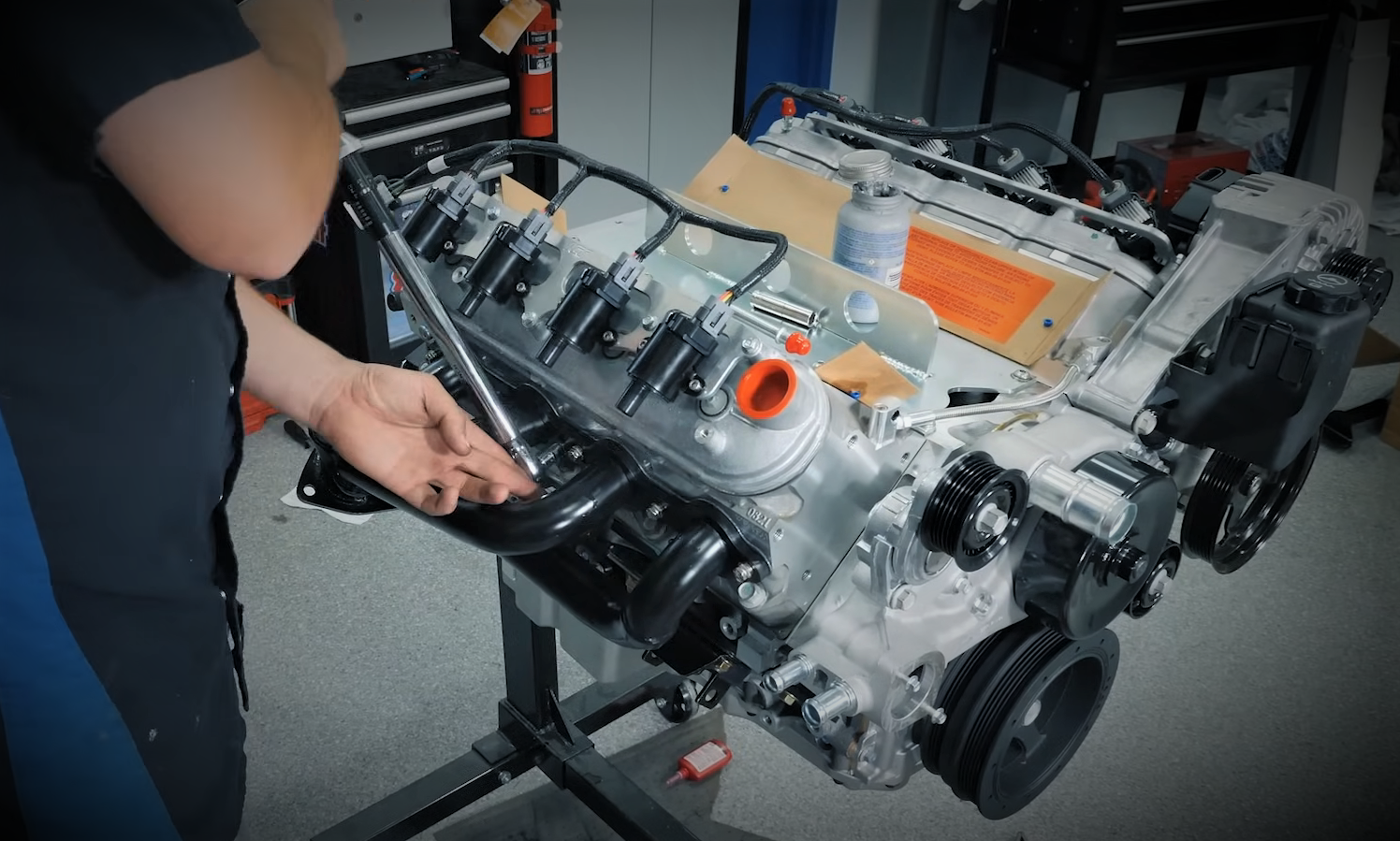
Engine Break-In Tips for Used Engines
Let’s be real for a second. Engine Break-In Tips for Used Engines
Most people focus on buying the engine… and forget what happens after.
You finally get the replacement installed, everything looks fine, the car starts—and then you just drive it like normal.
That’s where mistakes happen.
If you’re searching Engine Break-In Tips for Used Engines, you’re already ahead of most people. Because how you treat that engine in the first few days actually matters.
Not in a complicated way—but in a practical way.
Why break-in still matters for a used engine
Some people think break-in only applies to brand-new engines.
Not true.
Even used engines need a proper start in their new setup.
Why?
Because:
- The engine is now in a different vehicle
- New fluids are used
- New connections are involved
- It needs to adjust to a different system
You’re not “breaking in” the engine from zero—you’re letting it settle properly.
What happens if you skip the break-in
Nothing dramatic at first.
But over time:
- Performance feels off
- Wear increases faster
- Small issues show up earlier
It’s not immediate failure—but it shortens the life of the engine.
Before you even start the engine
This part matters more than people think.
Before turning the key:
- Check oil level
- Check coolant
- Make sure everything is connected properly
- Look for leaks
Don’t rush this.
First start — what to do
When you first start the engine:
- Let it idle
- Don’t rev it hard
- Listen carefully
You’re just making sure everything is running the way it should.
If something sounds off, stop and check.
The first 50–100 miles
This is where the real break-in begins.
Keep it simple:
- Drive normally
- Avoid hard acceleration
- Don’t push high speeds
- Keep RPMs moderate
You’re letting the engine adjust, not testing it.
What to avoid early on
This is where people mess up.
Avoid:
- Full throttle
- Sudden acceleration
- Long high-speed runs
- Heavy loads
Give the engine time.
Oil change — don’t skip it
After the first few hundred miles, change the oil.
Why?
Because:
- New installation can introduce debris
- Oil needs to be fresh
- It helps the engine run cleaner
This is one of the simplest but most important steps.
When the engine is fully settled
After a few hundred miles of proper driving:
- You can start using full power
- Performance should feel smooth
- The engine should be stable
At that point, it’s ready for normal use.
Why a good engine matters before break-in
All of this only works if the engine itself is good.
That’s why, when people look up Engine Break-In Tips for Used Engines, they also need to focus on the source of the engine.
A properly tested engine makes everything easier.
What “tested engine” actually means
This matters.
A tested engine should:
- Start properly
- Run smoothly
- Have no major issues
Not just “it should work.”
What to check before buying
Before you even get to break-in, make sure:
Compatibility
Use your VIN. Don’t guess.
Mileage
Lower mileage usually means less wear.
Condition
Ask if it’s tested.
Source
Engines from accident vehicles are usually fine. Avoid flood-damaged ones.
Types of used engines
You’ll usually see:
Complete engine
Best option. Ready to install.
Long block
Core parts included.
Short block
Basic structure—used for rebuilding.
For most people, complete engines are the easiest choice.
Typical specifications
When dealing with engines in an Engine Break-In Tips for Used Engines context, you’ll see:
- Engine type (4-cylinder, V6, V8)
- Displacement (e.g., 2.0L, 3.5L, 5.0L)
- Fuel type (gas or diesel)
- Mileage
- Condition
- Compatibility
Nothing complicated—just clear details.
Pricing — what to expect
Rough idea:
- Small engines → $800 to $2,000
- Mid-range → $2,000 to $4,000
- Larger engines → $4,000+
If something looks too cheap, there’s usually a reason.
Buying worldwide
This is normal now.
You don’t have to rely on local options.
Process:
- Confirm engine
- Get details
- Payment
- Shipping
Just make sure you’re dealing with someone who communicates clearly.
Shipping
Engines need proper handling.
- Secured on pallets
- Protected during transport
- Delivered safely
If this part isn’t explained clearly, ask.
What we do
We keep things simple.
If you’re following Engine Break-In Tips for Used Engines, here’s what we focus on:
- Tested engines
- Clear details
- Fair pricing
- Proper shipping
No confusion.
Common mistakes people make
This happens all the time:
- Skipping the break-in process
- Driving too aggressively early
- Not changing oil
- Buying the cheapest engine without checking
Taking a little time upfront makes a big difference.
Installation matters
Even a good engine won’t last if installed badly.
- Use a qualified mechanic
- Check all systems
- Make sure everything is set up correctly
You don’t want to repeat the same problem.
Final thought
If you’re looking into Engine Break-In Tips for Used Engines, here’s the simple truth:
The break-in process isn’t complicated.
You just need to:
- Take it easy at the start
- Pay attention to how it runs
- Do basic maintenance
And most importantly—start with a good engine.
FAQ
Do used engines need break-in?
Yes, to help them settle in properly.
How long is the break-in period?
Usually the first few hundred miles.
Can I drive normally right away?
Yes, but avoid aggressive driving.
When should I change oil?
After the first few hundred miles.
Are used engines reliable?
Yes, if they’re tested and have reasonable mileage.
What mileage is good?
Under 60,000 miles is generally solid.
How do I know it fits my car?
Use your VIN number.
Should I install it myself?
Only if you have experience.
Do you test engines before selling?
Yes.
How do I order?
Contact us, confirm details, then proceed.
If something isn’t clear, ask before moving forward. It saves you time, money, and stress later.
Cheap Engines for Sale Near Me (Online Options)
Ford V10 engine for sale: pros and cons
How to inspect a used Ford engine before buying
Top 5 Signs Your Mercedes-Benz M273 Engine Needs Replacement
Rebuilt vs. Used Mercedes-Benz M273 Engine: Which One Should You Buy?
Posts Widget




Best Auto Motors
USA HERALD MAGAZINE INC
Buy the best quality engines from our website online and get a fast delivery within 6 days.
Copyright 2022.KlbTheme . All rights reserved
