


Used School Bus Engines for Sale: Tested, Warrantied & Shipped Worldwide
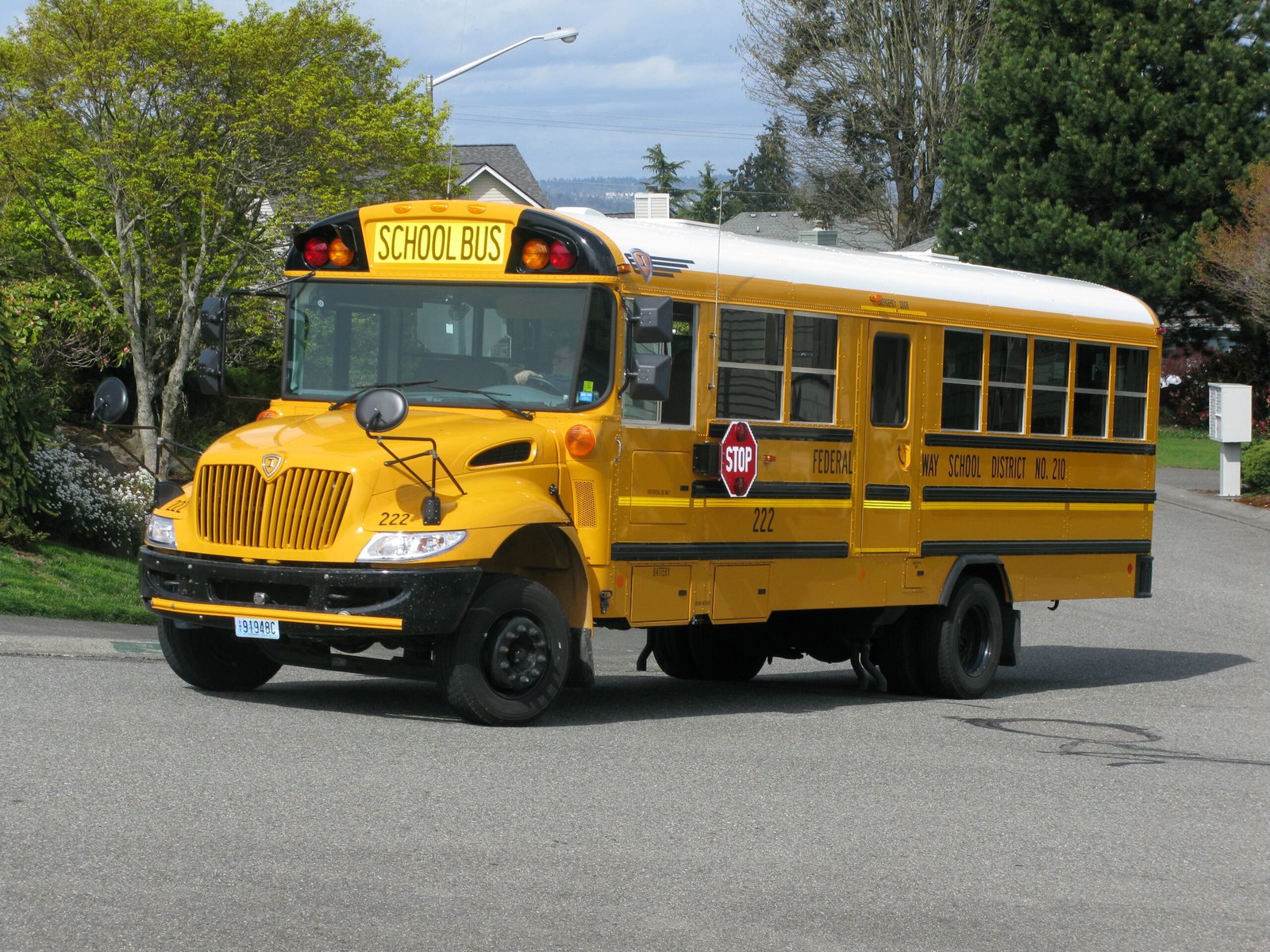
A school bus that won’t start on a route morning isn’t just one vehicle down, it’s a scramble to find another bus, another driver, or a way to tell parents their kids need a ride. Fleet managers and independent operators dealing with a blown engine usually start looking for used school bus engines for sale instead of waiting on a new factory unit that can take weeks to arrive, or writing off a bus that’s otherwise structurally sound. We test and ship diesel bus engines regularly, and this guide covers what’s actually available, what the specs mean, and what to check before you commit.
School bus engines are a smaller, more standardized world than the car engine market. Most buses run one of a handful of well-known diesel engine families shared with medium-duty trucks, which means parts and donor supply are more consistent than you’d expect for what looks like a niche vehicle category.
What Counts as a Used School Bus Engine
- Complete engine assembly — block, heads, turbo, and typically the wiring harness and fuel system. The most direct path to getting a bus back in service without matching individual components.
- Long block — bottom end and heads assembled, without turbo, injectors, or accessories. Common when the fuel system and turbo from the original engine are still serviceable.
- Short block — bare bottom end. Typically used by fleet shops doing their own rebuild work with an existing core.
For fleet operators trying to minimize downtime, the complete assembly is usually worth the extra cost, since a bus that’s out of service costs money in route coverage and driver scheduling every day it sits.
Engine Families by Bus Type
School buses fall into four body classifications, Type A, B, C, and D, and the engine largely follows the chassis rather than the body type. Type A buses are built on a cutaway van chassis (Ford E-450, Chevrolet/GMC 4500/5500) and typically run the same diesel or gas V8 as the donor van or truck. Type C conventional buses, the classic yellow bus with the hood, run mid-range diesel engines like the Cummins ISB or International DT466/DT engines. Type D transit-style buses, flat front with the engine in the rear or under the floor, often run larger displacement engines built for sustained highway and stop-and-go urban service.
| Bus Type | Common Chassis | Common Engine | Typical Used Price |
|---|---|---|---|
| Type A (cutaway) | Ford E-450, GM 4500/5500 | Ford Power Stroke, Duramax | $3,500 – $7,500 |
| Type C (conventional) | Freightliner, International, Blue Bird | Cummins ISB/ISL, International DT | $7,000 – $16,000 |
| Type D (transit/rear engine) | Blue Bird, IC Bus, Thomas | Cummins ISL/ISC, DT466 | $9,000 – $20,000 |
Prices scale with displacement and complexity more than with bus size alone, and hour count matters more than calendar age for these engines, since a school bus that’s run one or two routes a day for fifteen years can have surprisingly low hours relative to its age.
Platform Notes: What We See Most Often
International DT466 and DT466E: One of the most common engines in Type C conventional school buses for decades, known for being rebuildable almost indefinitely if the block isn’t cracked. High-hour DT466 units are common in our inventory simply because so many of these buses were built, and parts support remains strong even on older versions.
Cummins ISB and ISL: Increasingly common as fleets shifted away from International engines, the ISB and ISL are found across Type C and D applications from Blue Bird, Thomas, and IC Bus. These are more electronically sophisticated than older mechanical diesels, and matching the correct ECU calibration to your specific chassis and emissions tier matters for a clean installation.
Ford Power Stroke and GM Duramax (Type A cutaway): Since Type A buses are built on standard commercial cutaway chassis, they run the same diesel engines found in heavy-duty pickup trucks and vans. This actually works in a buyer’s favor, since these engines have a much larger used parts market than bus-specific engines, and sourcing one is generally faster and less expensive.
Caterpillar 3126 and C7 (older Type C/D): Less common now as newer fleets have moved on, but still found in older buses still in service, particularly in rural districts and export markets where older equipment stays on the road longer. Our Caterpillar engine inventory covers these platforms in more detail.
Why School Bus Engines Actually Fail
Constant stop-and-go duty cycle. Route driving means near-continuous acceleration and braking, idling at stops, and short trip segments that don’t always let a diesel reach and hold full operating temperature, which accelerates wear on rings, injectors, and turbo components over years of service.
Extended idling at pickup and drop-off. Buses idle a lot waiting for kids to board, and prolonged idling without load is hard on modern diesels, contributing to carbon buildup, DPF loading issues on newer emissions-equipped engines, and glazed cylinder walls over time.
Cold weather starts in northern climates. Buses running routes in cold regions see harder starts and more wear during warm-up, especially on older buses without adequate block heater use or where a fleet skipped winter fuel additive protocols.
Deferred maintenance under budget pressure. School district and independent operator budgets are tight, and fleet maintenance sometimes gets stretched past ideal intervals, which shows up eventually as accelerated wear that a car owner wouldn’t tolerate but a fleet manager sometimes has no choice but to live with until the engine finally lets go.
What “Tested” Means for a Bus Engine
- Compression testing across all cylinders against factory spec for that engine family.
- Turbo and injector function check where the setup allows it, since these are common wear points on high-hour diesel engines.
- Visual inspection of the block and head for cracks, particularly around the injector bores and coolant passages.
- Oil condition analysis for metal content, coolant intrusion, and fuel dilution, all of which point to specific internal issues.
- Mileage and hour verification pulled from the donor bus’s ECU or maintenance logs where available.
A tested engine isn’t a guarantee against future issues, nothing used is, but it’s the difference between a documented unit and an unknown one, and for a fleet vehicle that carries children, that documentation matters more than it might for a personal car.
What to Check Before You Buy
- Hour count and how it was verified. ECU pulls are more reliable than a mechanical odometer alone on newer buses.
- Whether the fuel system and turbo are included. Sourcing these separately for a bus-specific application can be expensive and slow.
- Emissions compliance for your jurisdiction. School districts often operate under specific state or local emissions requirements, and swapping engine emissions tiers can create compliance issues depending on where the bus operates.
- Compatibility with your exact chassis and model year. Bus manufacturers sometimes offered multiple engine options within the same body style and year, so confirm the exact engine code against your chassis VIN.
- Warranty terms, particularly what’s covered and for how long, given how much a fleet vehicle gets used relative to a personal vehicle.
Buying From Us: How It Works
We source tested school bus engines from fleet retirements, insurance salvage, and running takedowns from buses retired for non-engine reasons like body damage or transmission failure. Every listing includes hour count, compression figures where applicable, and photos of the actual unit rather than a stock image. If your specific bus chassis and engine combination isn’t currently listed, send us the chassis VIN and engine code and we’ll check our supplier network, since fleet operators and school districts are a meaningful part of our regular customer base and we keep inventory moving for the platforms in steady demand.
For districts and operators managing multiple buses, we can also quote volume pricing and coordinate shipping for multiple units to reduce per-engine freight costs.
Used vs. Rebuilt vs. New Bus Engines
A new factory engine for a school bus chassis typically costs multiple times what a tested used unit runs, and lead times from the manufacturer can stretch into months depending on the engine family and current supply. A professional rebuild on your existing block makes sense when the block and head are structurally sound and you have in-house capacity to manage the labor, but it usually costs more than a comparable tested used engine once machine shop work, injectors, and turbo rebuild are factored in. For most fleet operators trying to minimize downtime and total cost, a tested used engine is the fastest and most economical path back to full route capacity. Our engine replacement cost guide covers how these options compare in more detail across engine categories.
Shipping School Bus Engines Worldwide
Bus engines are large, heavy diesel units, and freight is a significant part of total cost, particularly for Type C and D applications. We crate every engine on a purpose-built pallet to protect the turbo, injection system, and mounting points during transit, and we handle export documentation for buyers outside the United States. International orders for commercial diesel engines typically clear customs within two to five weeks depending on destination country and local import procedures for used heavy-duty parts. See our worldwide engine shipping guide for more detail on how freight and customs actually work for engine-sized cargo.
Regional Notes for International and Fleet Buyers
Demand for used school bus engines comes from a mix of domestic school districts and independent contractors managing aging fleets, as well as international buyers who repurpose retired North American school buses for private transit, tourism, or conversion projects. If you’re importing a bus engine for a repurposed vehicle rather than continued school transport use, confirm your destination country’s import requirements for used commercial diesel engines, since regulations can differ from those covering passenger vehicle parts.
Installation Notes
Bus engine swaps vary in complexity depending on chassis type. Type A cutaway buses are relatively straightforward, similar to any commercial van or truck engine swap. Type C and D buses with the engine mounted further back or under the floor require more disassembly and access work, and fleet shops budget accordingly. New motor mounts, a full gasket set, fresh coolant and oil, and careful fuel system bleeding on diesel applications are standard parts of the job. We recommend a post-installation compression and leak check, along with a road test under load, before returning the bus to regular route service.
Identifying the Correct Engine for Your Bus
Bus chassis manufacturers, Blue Bird, Thomas Built, IC Bus, and others, often offered multiple engine options within the same body style and model year, which means matching by chassis name alone isn’t reliable. The engine code is typically stamped on a plate or boss near the injection pump or turbo mounting flange, and it should be cross-referenced against your chassis VIN before ordering. Fleet maintenance records, if your district or operation keeps them, usually list the exact engine designation from the original build sheet, which is the fastest way to confirm compatibility without pulling the old engine’s plate manually. We ask for this information on every order specifically because a mismatched engine can mean incompatible motor mounts, PTO configurations for accessories like wheelchair lifts, or ECU wiring that doesn’t match your chassis harness.
What Actually Moves the Price
Beyond engine family and displacement, a handful of factors shift the price of a used school bus engine up or down. Documented hour count and maintenance history matter significantly here, since fleet vehicles that kept up with scheduled service intervals hold value better than engines with unknown or inconsistent maintenance records. Whether the turbo, injection system, and wiring harness are included versus sold separately changes the total cost meaningfully, since bus-specific fuel system components can be slower to source individually than the same parts for a mainstream truck application. Emissions tier plays a role too: newer engines with intact DPF and SCR aftertreatment systems command a premium over older, simpler diesels, both because the hardware itself is valuable and because compliance requirements in many jurisdictions require it. Finally, platform commonality matters, an engine shared across multiple bus manufacturers and truck applications, like the Cummins ISB, tends to hold value better than an engine limited to one narrow chassis application, simply because demand for parts comes from more directions.
Frequently Asked Questions
Does a used school bus engine include the transmission?
Not typically. Engine and transmission are usually sold separately since condition and wear don’t always track together between the two components. Let us know if you need both.
How do I confirm the engine matches my exact bus chassis?
Send us your chassis VIN and current engine code, stamped on the block near the injection pump or turbo mount, and we’ll confirm compatibility before anything ships.
Do you offer volume pricing for fleet operators or school districts?
Yes, contact us with your fleet size and engine needs and we’ll put together a quote, including consolidated shipping where it makes sense.
Do you ship used bus engines internationally?
Yes, to most countries, with export documentation handled on our end. Contact us with your destination and we’ll confirm freight cost and expected transit time before you order.
What warranty comes with a used school bus engine?
Our tested units include a 30 to 90-day warranty against internal mechanical failure, depending on the specific engine and hour count. Full details are listed on each product page.
What’s the difference between a long block and a complete assembly for a bus engine?
A complete assembly includes the turbo, injection system, and typically the wiring harness, ready to mount with minimal component matching. A long block is just the bottom end and head, meaning you’ll reuse or separately source the fuel system and turbo from your existing engine.
Is a high-hour bus engine a bad investment?
Not automatically. A well-maintained diesel with high hours and documented service history can outperform a lower-hour engine with an unknown or neglected maintenance record. We evaluate condition through actual testing rather than relying on the hour count alone to make that call.
If you’re managing a broader fleet repair, our Cummins engine inventory and diesel engine listings cover the same engine families used across most bus chassis platforms.
Ready to get your bus back on the route? Send us your chassis VIN and engine code and we’ll confirm fit, hours, and price before you order.
Posts Widget




Best Auto Motors
USA HERALD MAGAZINE INC
Buy the best quality engines from our website online and get a fast delivery within 6 days.
Copyright 2022.KlbTheme . All rights reserved
